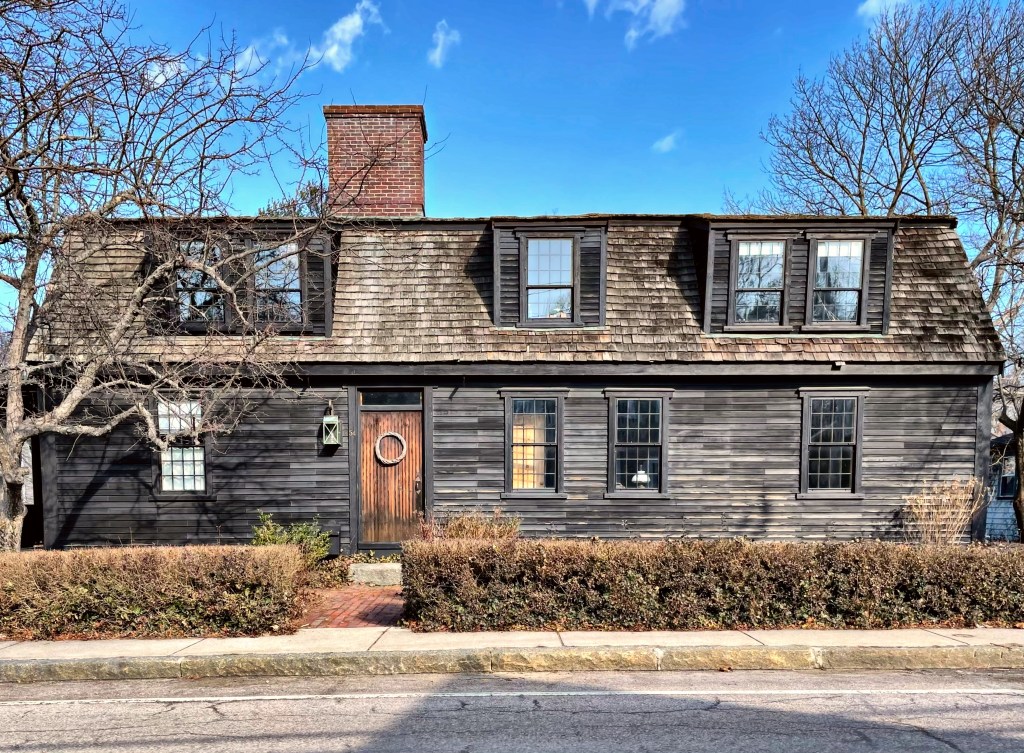
Tirrell-Cobb House // c.1750

One of the most stunning Georgian cape homes I have seen is this charming house in Hull, Massachusetts. Built in the mid-18th century, this house was acquired by Gideon Tirrell after the Revolutionary War. Gideon married Mary Loring, a descendant of John Loring, who built the home in my last post. The family appears to have occupied the home until the Cobb family acquired the house in about 1860, when Capt. Joseph Cobb and his wife, Eliza Turner settled here. He was the third “Keeper of the Lifeboat” from 1858-1876. In his role, he rowed out to sinking ships in the Boston Harbor and attempted to save any sailors still alive, often saving dozens of lives. The home was restored in the 1980s and remains one of the best-preserved in the town!
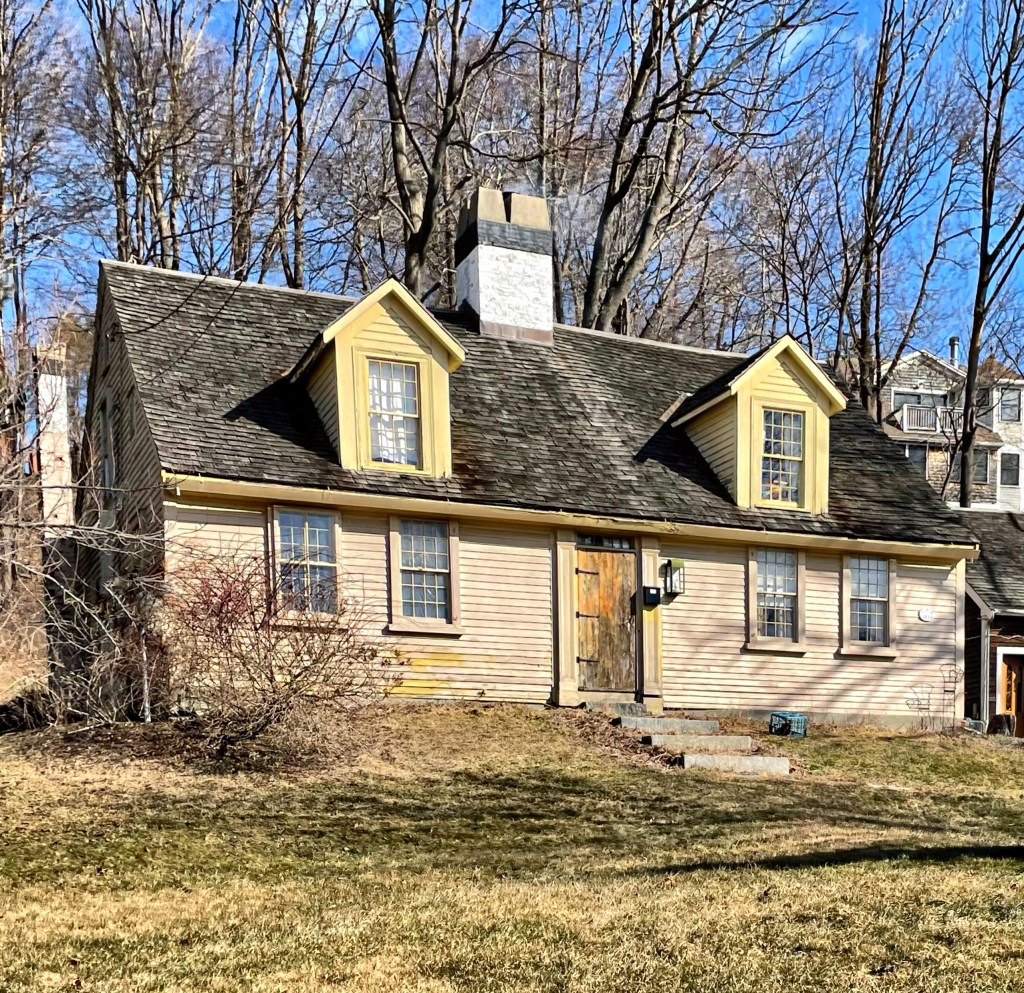
Loring House // c.1658

Likely the oldest home in the town of Hull, the Loring House has ties to the significant Loring Family, who’s descendants include individuals on both sides of the American Revolution, the US Civil War, and today live across North America, Spain, England and Australia. This house was built on land purchased by Thomas Loring (1600-1661) who came to Hingham in 1634 from England. He built a larger estate in town until a fire destroyed all his belongings, and he chose not to rebuild, but acquired property in the adjoining plantation of Hull. In Hull, he served as constable (court officer and tax collector), and raised his family there. His eldest son, John, married in 1657 and likely had this home built on his father’s vast land holdings within the year. John worked as a house-wright and likely built the home himself. He had two wives (his first wife Mary died at 39), and 15 children at the home, though some likely did not live past infancy as was common in early colonial days. John died in 1714, but left a lasting legacy in New England and beyond. Notably, his grandson was Joshua Loring, a British Loyalist who built the famous Loring-Greenough House in Boston. The old Loring House in Hull is very-well maintained inside and out and serves as a time-capsule of days past.