George’s Island – Fort Warren // 1847

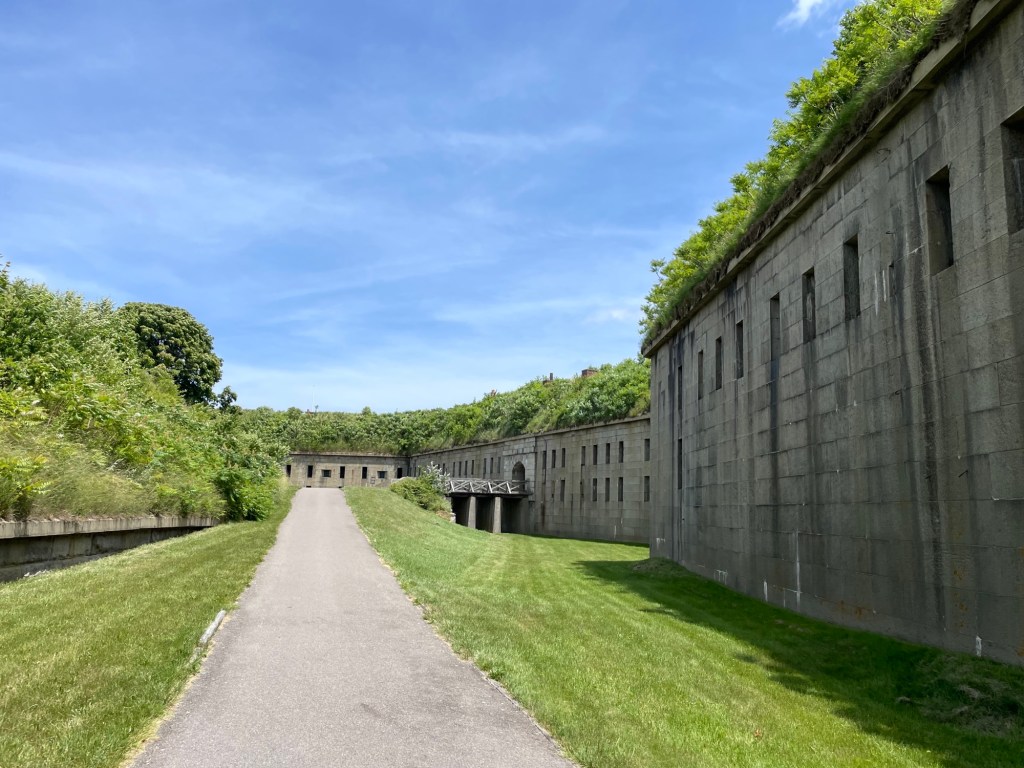
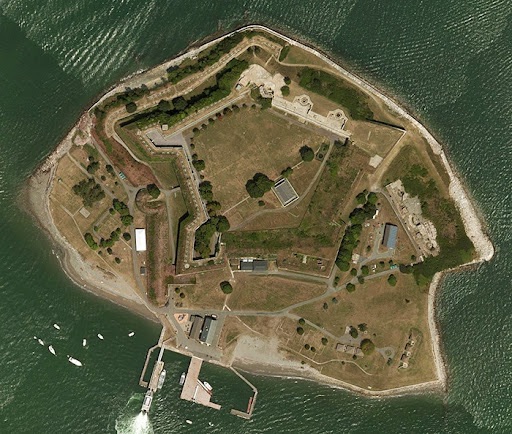
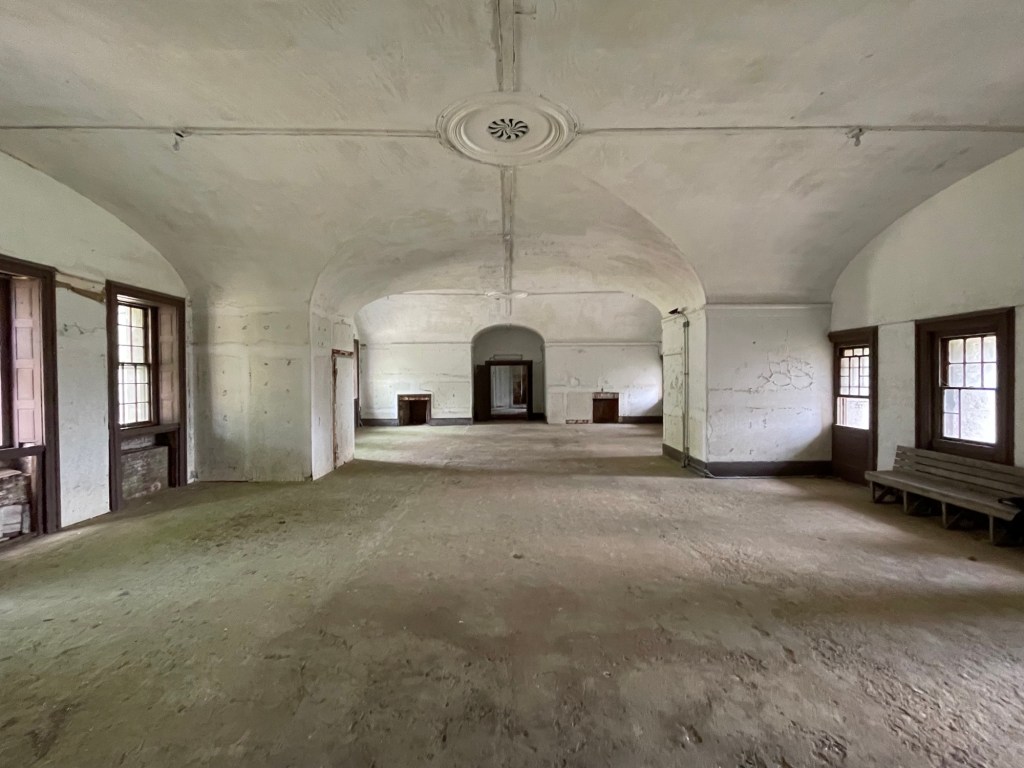
Located seven miles by boat from downtown Boston, Georges Island is a must-visit location for history-buffs and those looking to see the city from a new vantage point! The island in its early days was used for agriculture for 200 years until 1825, when the U.S. government acquired it for coastal defense. Fort Warren was first-dedicated in 1847 and is named for Revolutionary War hero Dr. Joseph Warren, who sent Paul Revere on his famous ride, and was later killed at the Battle of Bunker Hill. Fort Warren is a pentagonal bastion fort, made of granite, and was constructed from 1833 to 1861, overseen by Col. Sylvanus Thayer, and completed shortly after the beginning of the American Civil War. Fort Warren defended the harbor in Boston, Massachusetts, off-and-on from 1861 through the end of World War II. It’s highest use was during the Civil War, where it served as a training facility and as a prison for Confederate officers and government officials. Unused after WWII, Fort Warren was acquired by the Commonwealth of Massachusetts by the Federal government and is today maintained by the Massachusetts Department of Conservation and Recreation as the centerpiece of the Boston Harbor Islands National Recreation Area.
Have you been to Georges Island?
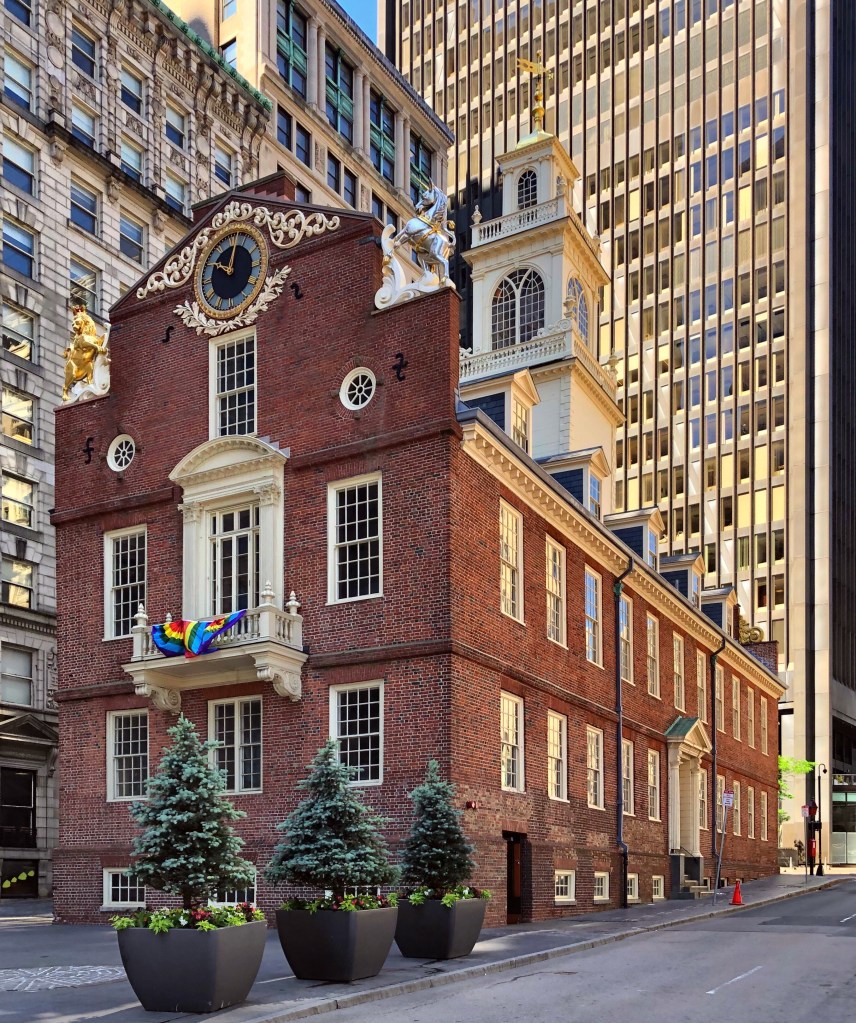
Old State House // 1713

Nestled among the towering skyscrapers of Downtown Boston, the Old State House stands proudly, giving us a glimpse into pre-Revolutionary life and events. Happy Fourth of July!

Built in 1713, the “Town House” as it was originally known, served as a merchants’ exchange on the first floor and the seat of colonial and later state government on the second floor throughout the 1700s. The royal governor, appointed by the King of Great Britain, held his office in the building until 1775, and from the balcony gave voice via decrees and speeches to the King 3000 miles removed from London. Above the balcony, a lion and unicorn—royal symbols of the King of Great Britain—graced the main façade facing the public square.

“A cobblestone circle beneath the Old State House balcony marks the site of the 1770 Boston Massacre. Tensions ran high in Boston in early 1770. More than 2,000 British soldiers occupied the city of 16,000 colonists and tried to enforce Britain’s tax laws, like the Stamp Act and Townshend Acts. American colonists rebelled against the taxes they found repressive, rallying around the cry, “no taxation without representation.” On the frigid, snowy evening of March 5, 1770, Private Hugh White was the only soldier guarding the King’s money stored inside the Custom House on King Street. It wasn’t long before angry colonists joined him and insulted him and threatened violence. Calling reinforcements, a group of British soldiers stood near the Town House and were pelted with snowballs and rocks, with one soldier firing out of panic. Once the first shot rang out, other soldiers opened fire, killing five colonists–including Crispus Attucks, a local dockworker of mixed racial heritage–and wounding six. The event was one of the flashpoints which began the American Revolution.

Six years later, on July 18, 1776, Colonel Thomas Crafts read the Declaration of Independence from the balcony of the Old State House as a statement of strength from where the King’s declarations were given just years prior.