Crawford Depot // 1891

The railroad line through Crawford Notch in the White Mountains of New Hampshire was completed and opened in 1875 by the Portland and Ogdensburg Railroad, and had a transformative effect on the local economy. Soon after completion, tourists arrived in droves during the summer months to take in the area’s scenic beauty and clean air. From this, wealthy investors built large resort hotels, like the Mount Washington Hotel, to satisfy the demand of the affluent visitors. The Portland and Ogdensburg was taken over by the Maine Central Railroad in 1888, and this depot was built in 1891. It was one of the most elaborate stations built by that railroad’s Mountain Division, because of its prominent location in the mountains. The Crawford Depot presently serves as a visitor center and shop operated by the Appalachian Mountain Club. Nearby is the trailhead to Mount Willard, which has some of the best views for a modest hike.
Southport Railroad Stations // 1884 & 1895

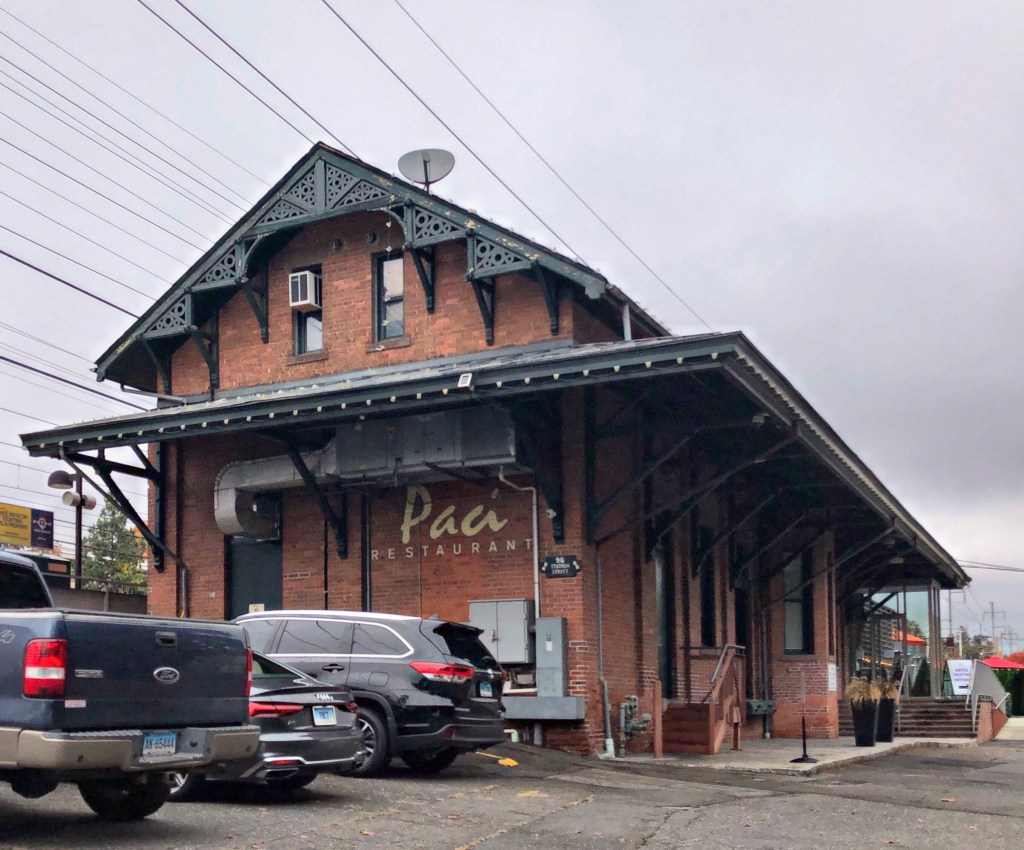
The Southport railroad stations in Fairfield, Connecticut, are reminders of the important role of railroad passenger service in the historical development of the town which continues to this day. In Southport, there are two stations, an east-bound and west-bound, one on either side of the tracks. The older east-bound station was built in 1884 to replace a depot destroyed by fire. It is typical of the substantial brick stations built at small-town stops throughout the state in the period. The use of brick was likely to prevent fire destroying yet another station. The stations were commonly large enough to accommodate spacious waiting rooms, ticket counters, offices, restrooms, and a baggage area. The brick station was converted to a restaurant, with a modern addition by Roger Ferris + Partners completed by 2017.

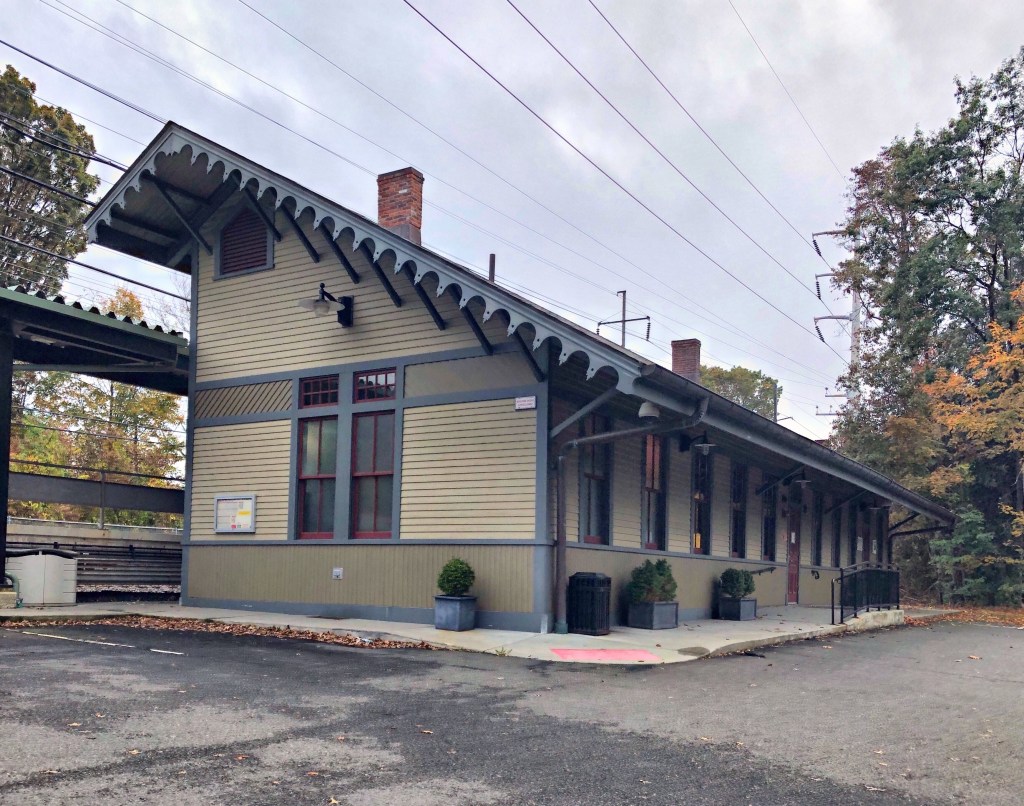
The wooden west-bound station was built around 1895 as part of a massive rebuilding of the New York, New Haven and Hartford Railroad’s main line. At this time, the railroad adopted a single design-concept for all the stations, reverting to wood construction, and limited the stylistic details. The Southport station has an interesting design however; with its saltbox-like roofline, bargeboards, and stick detailing. Imagine all the people and stories that passed through these buildings. Parents saying goodbye to children going off to college or war, businessmen and women commuting to and from work, or people like me who took it to Manhattan!