George’s Island – Fort Warren // 1847

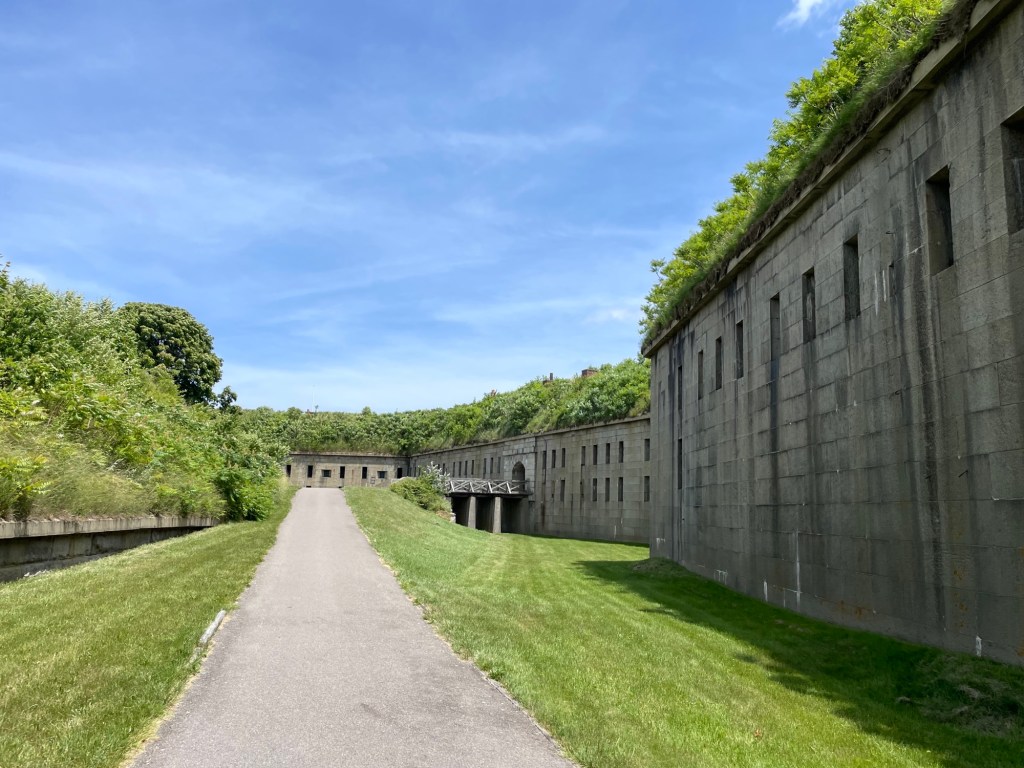
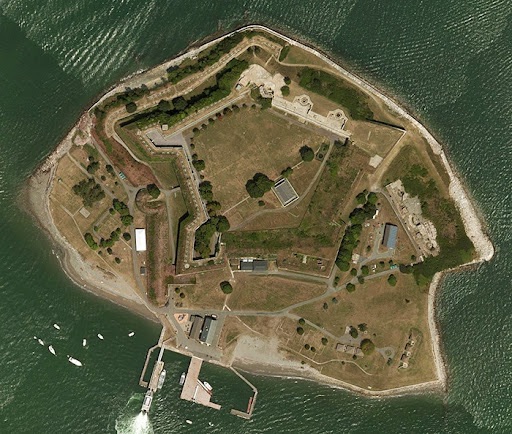
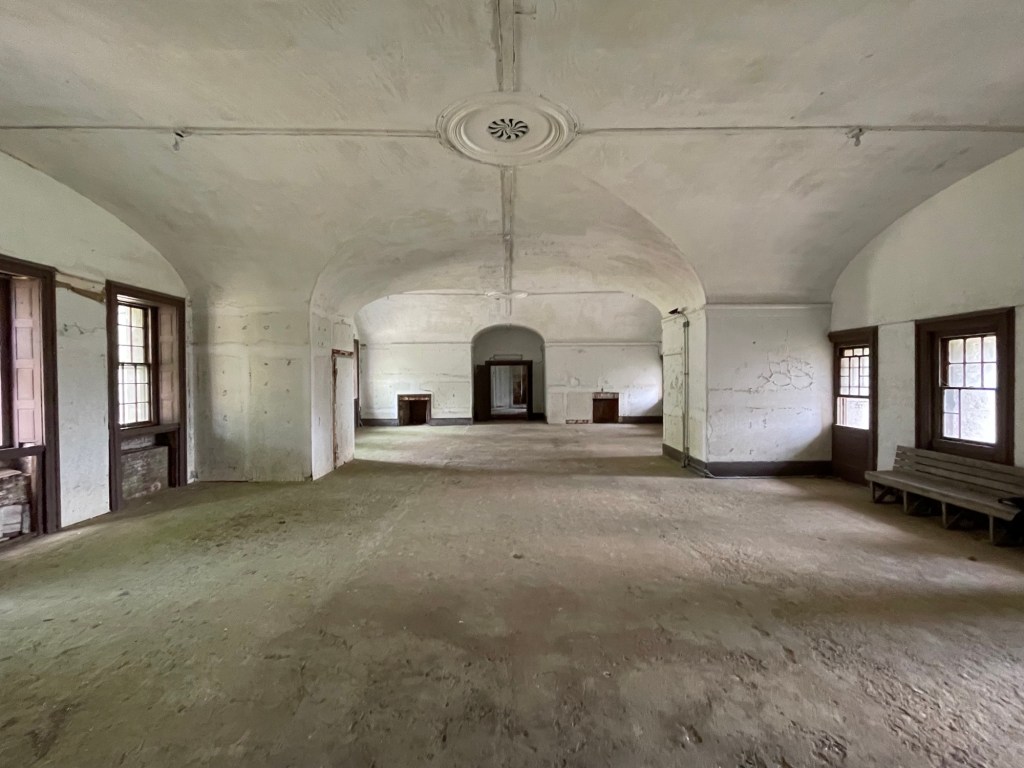
Located seven miles by boat from downtown Boston, Georges Island is a must-visit location for history-buffs and those looking to see the city from a new vantage point! The island in its early days was used for agriculture for 200 years until 1825, when the U.S. government acquired it for coastal defense. Fort Warren was first-dedicated in 1847 and is named for Revolutionary War hero Dr. Joseph Warren, who sent Paul Revere on his famous ride, and was later killed at the Battle of Bunker Hill. Fort Warren is a pentagonal bastion fort, made of granite, and was constructed from 1833 to 1861, overseen by Col. Sylvanus Thayer, and completed shortly after the beginning of the American Civil War. Fort Warren defended the harbor in Boston, Massachusetts, off-and-on from 1861 through the end of World War II. It’s highest use was during the Civil War, where it served as a training facility and as a prison for Confederate officers and government officials. Unused after WWII, Fort Warren was acquired by the Commonwealth of Massachusetts by the Federal government and is today maintained by the Massachusetts Department of Conservation and Recreation as the centerpiece of the Boston Harbor Islands National Recreation Area.
Have you been to Georges Island?
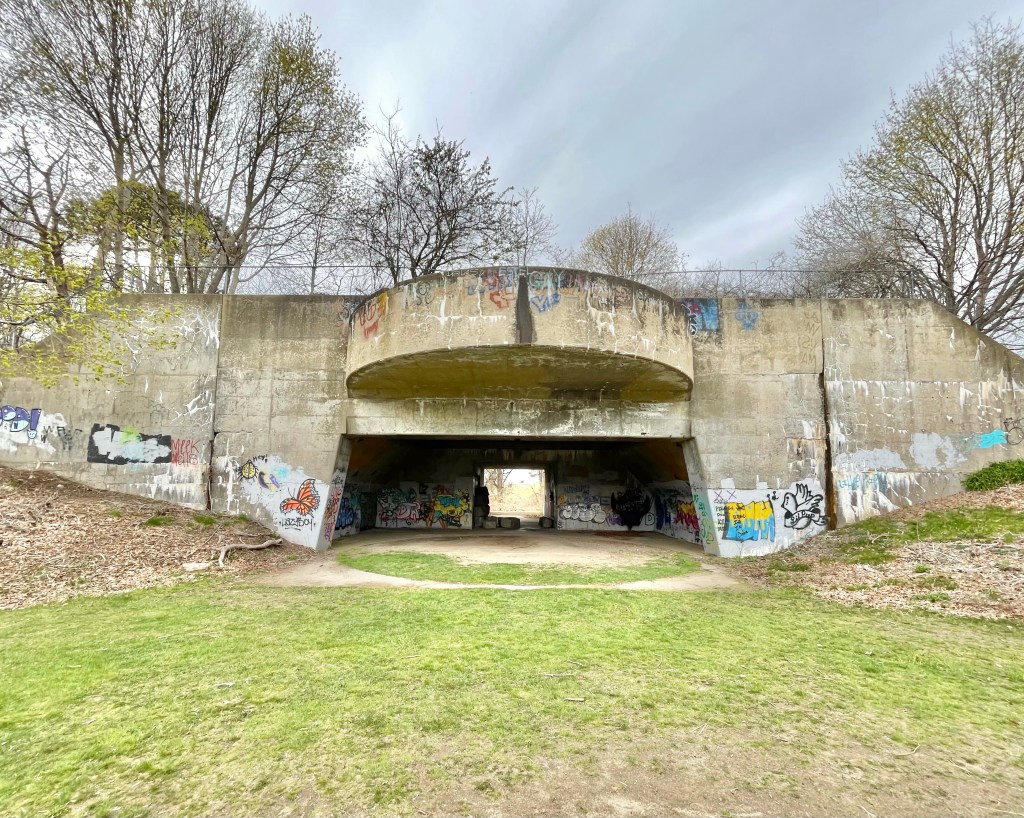
Fort Dearborn // 1943-1961

Odiorne Point in Rye New Hampshire was owned by the Odiorne Family from at least 1800, when the family built a farmhouse on the land. The peninsula juts out into the Atlantic Ocean, just south of Portsmouth, and it was seen as a strategic position by the United States Government, to protect the Portsmouth Naval Shipyard. With the advent of World War II, the United States Government deemed it necessary to improve the fortifications commanding the approaches to the Portsmouth Navy Yard, so the Government acquired this property and named it Fort Dearborn. Giant 16” coast defense guns and other equipment were installed to protect the coast from the impending German advance into North America. The Government acquisition on Odiorne’s Point included Mr. Odiorne’s home and 24 other properties, with many fine old homes on the coast demolished to make way for military facilities, but the Odiorne house was converted to a barracks. When The Nazi forces were beat in Europe, the fort was deactivated and all the guns were removed. In the Cold War period, the U.S. Air Force took formal possession of 45.3 acres at Odiorne’s Point in 1955, which it had been using since 1949 as the Rye Air Force Station. By 1961, the defensive use of the site was not as important, and the site was sold to the State of New Hampshire as a State Park. Today, you can explore the park and the decaying concrete batteries up close, which is a favorite excursion of mine.