Nonantum Resort // 1884

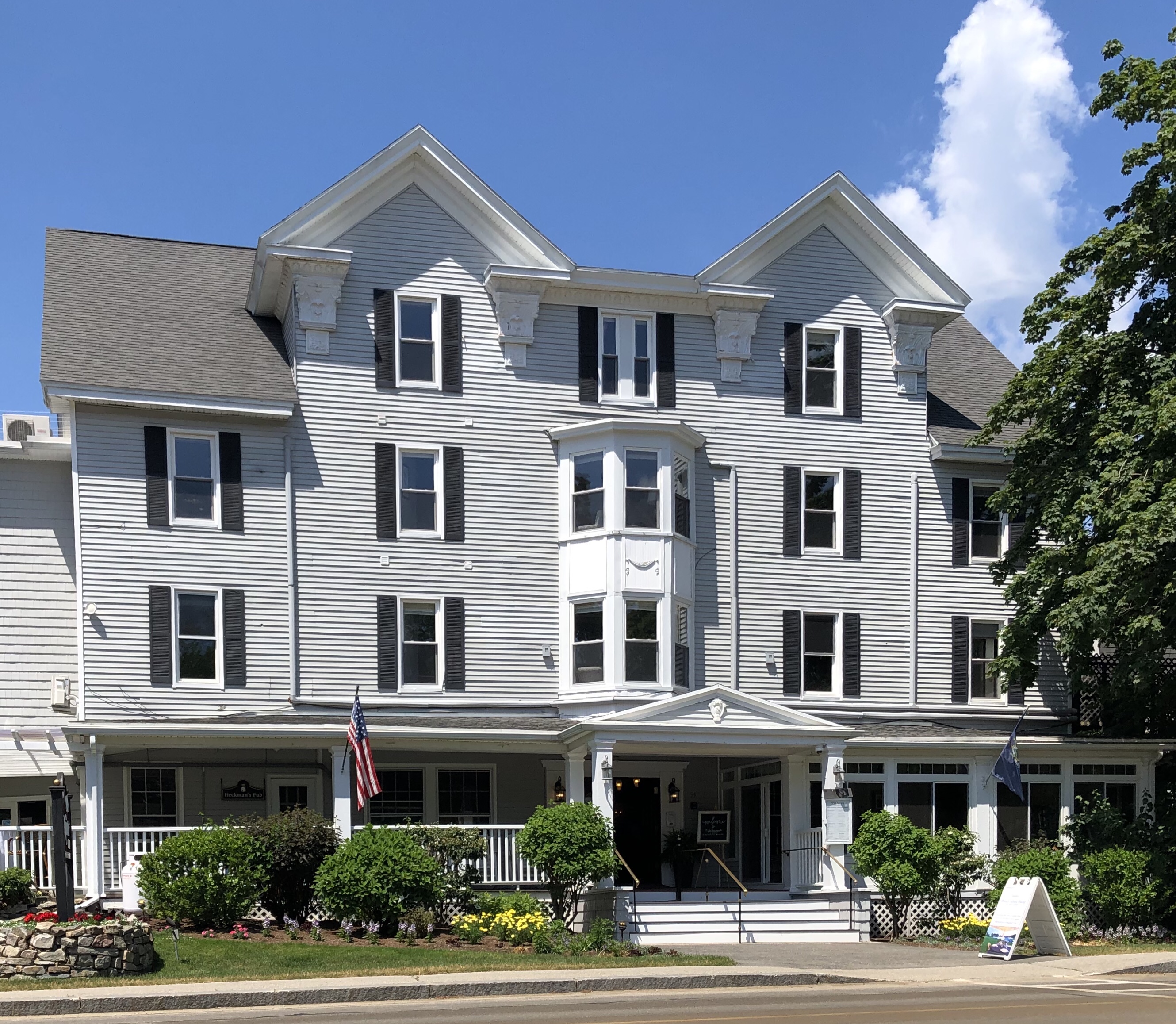
In the late 1800s, many coastal New England communities – including Kennebunkport – became summer resort towns and colonies for upper and middle class families. To accommodate families, who would arrive to these small towns by the train-load, many wealthy citizens constructed luxury hotels which offered longer term stays compared to what we think of hotels today.

The Nonantum Resort in Kennebunkport was named from a Native American word meaning ‘blessing’ or ‘prayer’, but has become synonymous with ‘family’, the word was chosen as the building was believed to have been constructed on land where Native Americans traded with early settlers. Opened on the Fourth of July in 1884, the hotel was constructed for Captain Henry Heckman, the original owner. The building was a fairly modest, late Italianate design until alterations and additions in the 1890s added a Colonial Revival motif, with pilasters capped with Corinthian capitals and cartouches; however, many features have been removed.
Melville Walker House // 1860

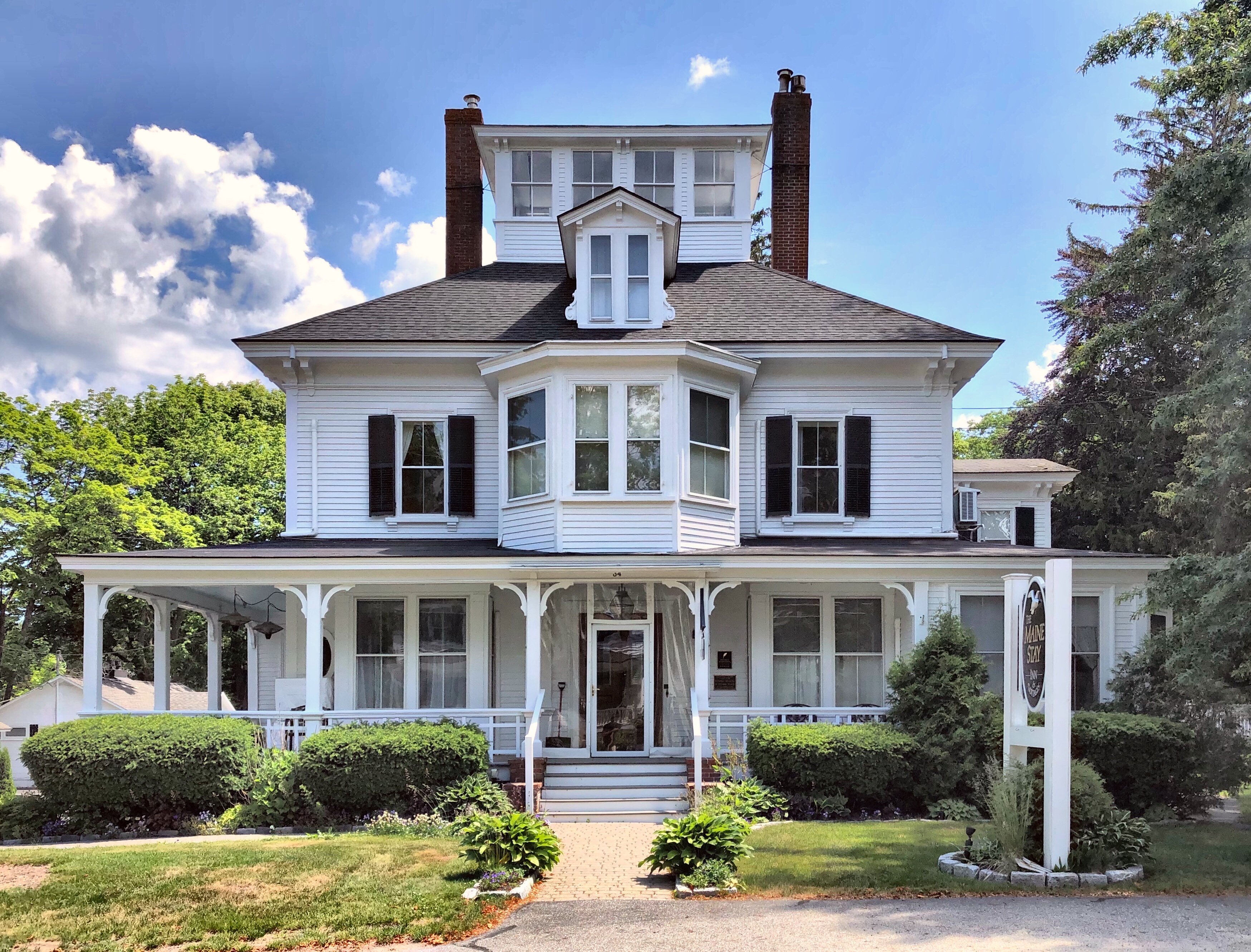
Built for Melville Walker, a sea captain on land gifted to him by his father, this home perfectly exhibits the changing dynamic of Kennebunkport. Melville Walker would often be out at sea for months at a time, and he apparently brought along his wife, three daughters and son on many trips to ports all over the world. The Italianate home was eventually sold out of the family, and by 1901, it was purchased by George Little, an executive with the New York, New Haven and Hartford Railroad. That year, he had the summer home renovated with Colonial Revival detailing, including the hipped roof, dormer, and other detailing. The belvedere, 2/2 windows, and Victorian era porch were retained, showing the original form and detailing of the Italianate version. In the 1950s, the home was converted to an inn, with small cottages constructed surrounding the property to house additional families. Today, Maine Stay Inn & Cottages welcomes families from all over the world to experience the beauty of Kennebunkport.

Nauset Coast Guard Station // 1936

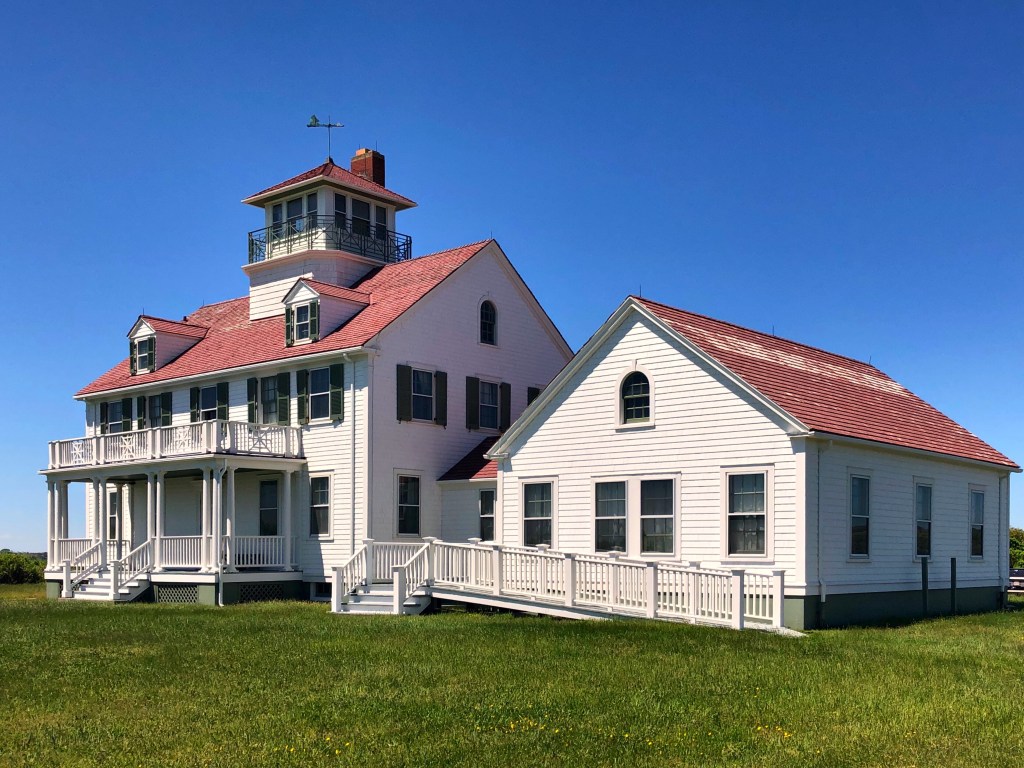
Located at one of my favorite beaches in New England, the aptly named Coast Guard Beach, the Nauset Coast Guard Station is an imposing Colonial Revival structure perched upon the bluffs providing sweeping views of the shoreline. The Nauset Coast Guard Station was built in 1936 to replace a late nineteenth century Coast Guard Station which had stood further eastward and north, on land which has been eroded away by the ocean. The present structure was reportedly commissioned after Secretary of the Treasury Henry Morganthau Jr. and his fellow picnickers were driven in 1935 by a summer thunderstorm to seek shelter in the old and antiquated Coast Guard Station, built after the Civil War. Construction of the new station was authorized several weeks after this incident as Morganthau, who spent summers on Cape Cod, took a personal interest in the building’s construction, visiting the site during the summer of 1936.

This area of beaches has had a tradition of assistance to shipwrecked sailors. In 1802, the country’s first all volunteer life saving organization, the Massachusetts Humane Society, erected a hut on this beach. It was replaced by a larger one in 1855 and by the Nauset Life Saving Station in 1872. The building was added on to and moved twice before it was replaced by the present structure in 1936. The building was occupied by the Coast Guard as a station until 1958. It now is home to an education center as part of the Cape Cod National Seashore.

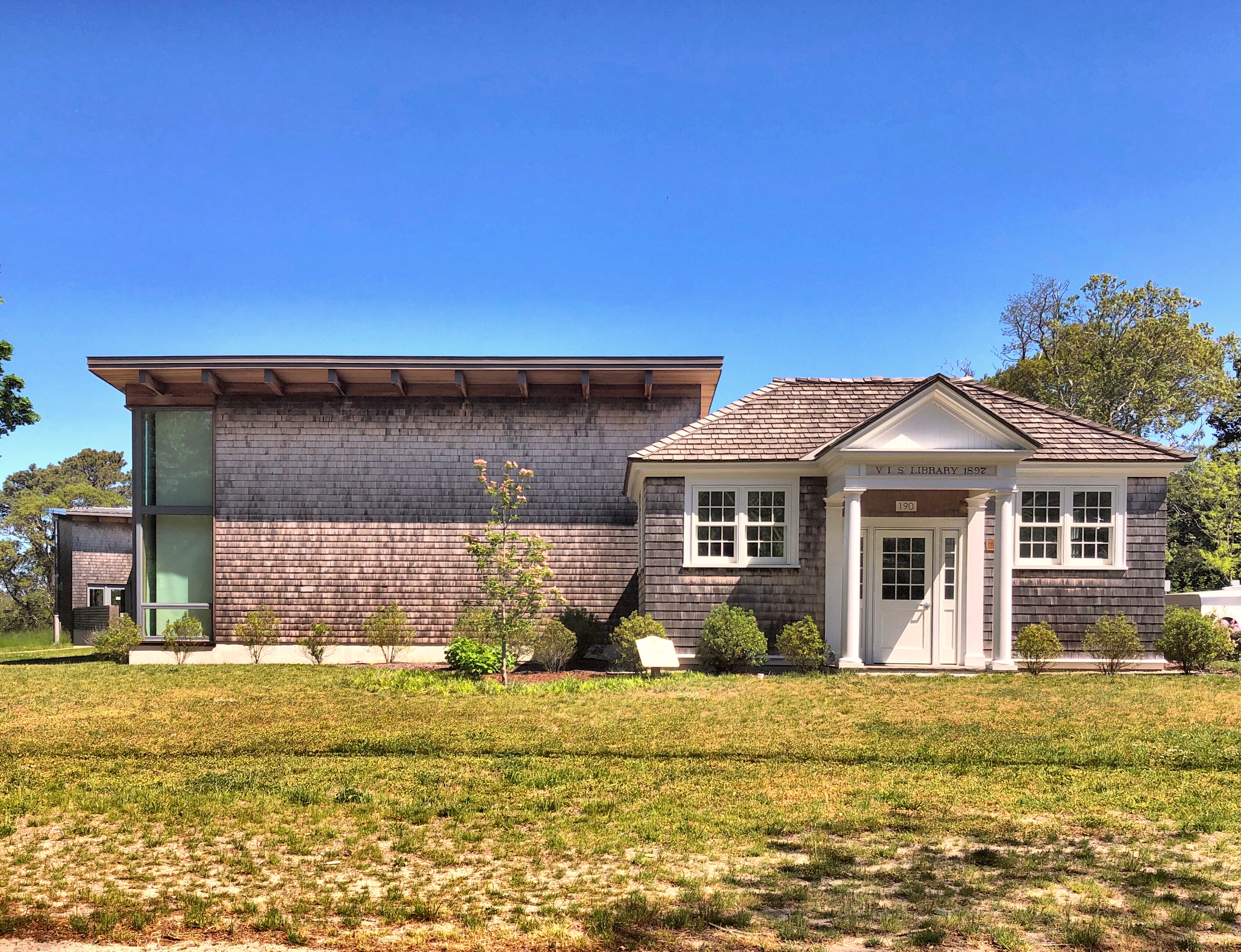
Eastham Public Library // 1897

Built in 1897, the ever-charming Eastham Public Library has served the town for over 100 years, constantly adapting and growing to meet the needs of the community. Originally constructed as a one-room hipped-roof shingled library building, the tiny space was appropriate for the town of just 500 people in 1900. By the 1960s, the rear ell was replaced with a large addition, effectively quadrupling the square footage of the library, but keeping the original structure intact. The 1960s addition was eventually deemed insufficient and was replaced in 2016 with the gorgeous modern addition by Oudens-Ello Architecture of Boston. The addition compliments the quaint one-room original structure with the use of materials, yet clearly distinguishes itself as 21st century design.