Barnstable Customs House – Coast Guard Heritage Museum // 1855

The former United States Customs House (now the Coast Guard Heritage Museum) in Barnstable is located at the eastern end of the village, and across the street from the Unitarian Church (featured previously). The building was constructed in 1855, likely under the supervision of Ammi B. Young, who was acting as the first Supervising Architect of the U.S. Treasury Department. The Seventh Customs District was established by Congress in 1789, and encompassed Barnstable County except Falmouth, and it ranked fourth in revenue among the state’s customs districts. By 1850, 91,102 tons of materials had been reported through the district, so the need for a new customs house was clear. The Customs House is said to have been the first ‘fireproof’ building constructed on Cape Cod, in contrast to the traditional wood-frame and shingled dwellings found there. This district merged with Boston in 1913, and the building became a local Post Office until 1958. It was converted to a museum and named after Donald G. Trayser. It was renamed the Coast Guard Heritage Museum in 2005.
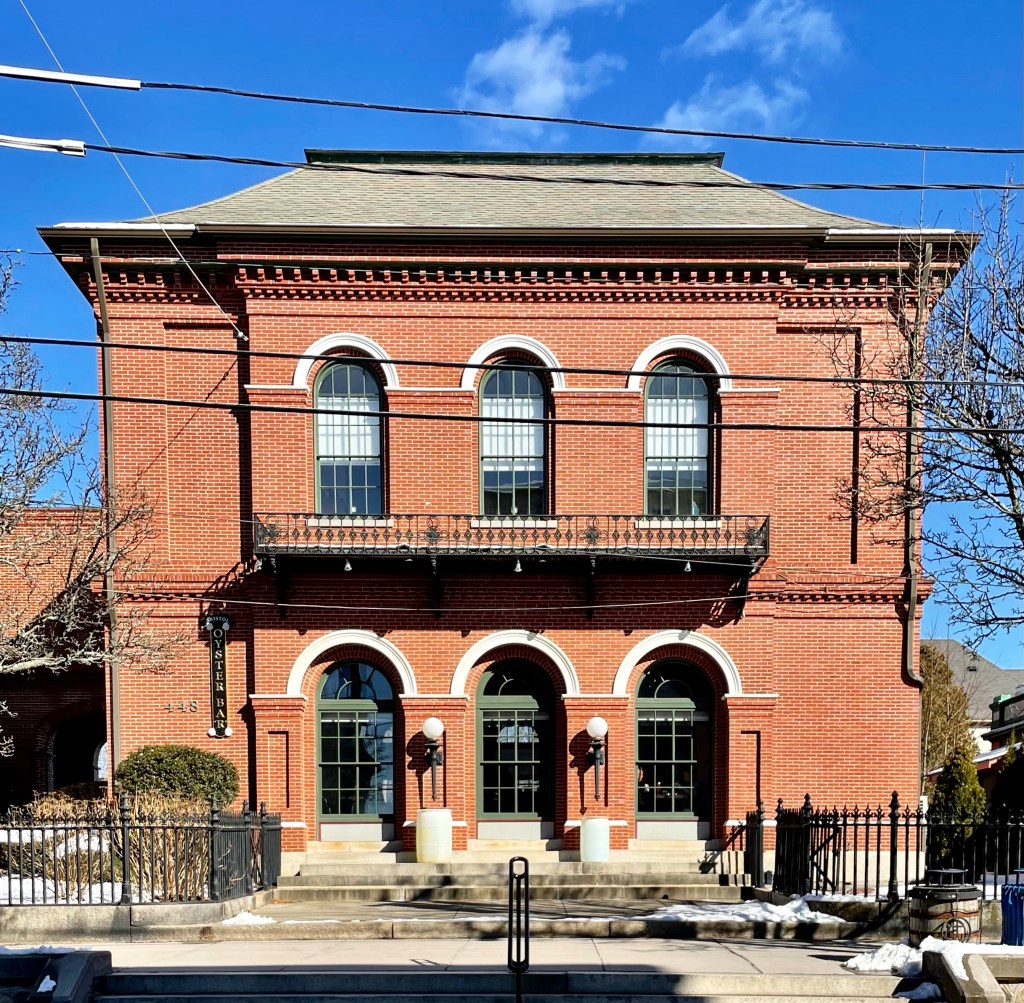
Bristol Customs House and Post Office // 1858

Completed in 1858 from designs by architect Ammi B. Young, the Bristol Customs House and Post Office is a two-story rectangular Italianate style building, that stands out as an uncommon building of the style in town. Ammi B. Young was the first Supervising Architect of the U.S. Treasury Department. As federal architect, he was responsible for designing many custom houses, post offices, courthouses and hospitals across the United States. He was a master of the Greek Revival style so it is interesting to see how he diverged from his trusted style in a town so populated by homes and buildings in the style. The design is more subdued compared to other Customs Houses he designed around the time, likely a response to the declining economy in town from whaling and shipping. The building was occupied as a customs house and post office until 1962, when it was abandoned. The adjacent YMCA purchased the building soon after, connecting it via a small addition and occupying it as additional programming space until 1990. The building was restored and is now home to the Bristol Oyster Bar.

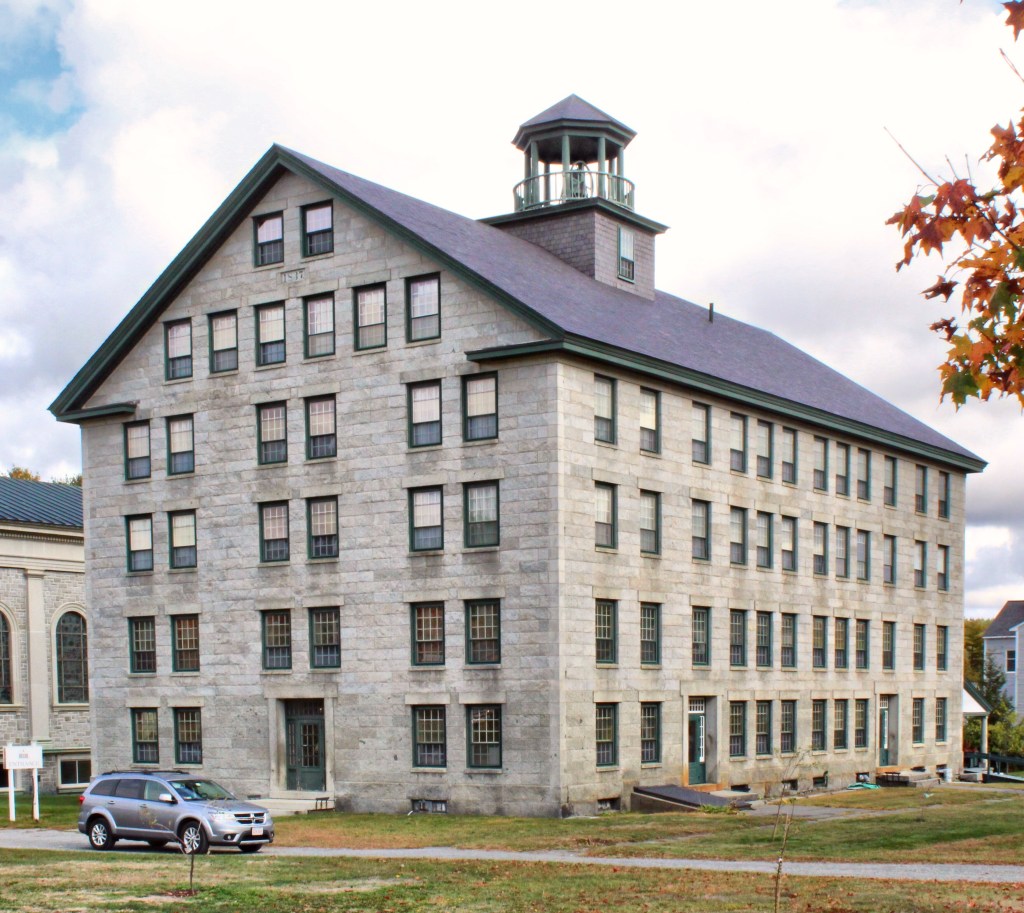
Great Stone Dwelling // 1837

Located on the west bank of Mascoma Lake in Enfield, New Hampshire, an architecturally and historically significant collection of Shaker buildings can be found, all very well maintained. Founded in 1793, this village was the ninth Shaker community to be established in this country. At its peak in the mid 19th century, the community was home to three “Families” of Shakers. Here, they practiced equality of the sexes and races, celibacy, pacifism, and communal ownership of property. There were 132 members of the village by 1803, and by 1840 there were nearly 300 people.

Within the village was the largest Shaker dwelling ever built in the country and the largest residential dwelling north of Boston, the Great Stone Dwelling. The Shakers here hired leading Greek Revival Architect Ammi Young to design the building. Ammi had experience in larger building projects having designed the current Vermont State House and several structures at nearby Dartmouth College. Young would later go on to be the Supervising Architect for the United States Department of the Treasury.

The Enfield Shaker Village in Enfield is open for tours, and you can even spend a night in the 1837 Great Stone Dwelling!