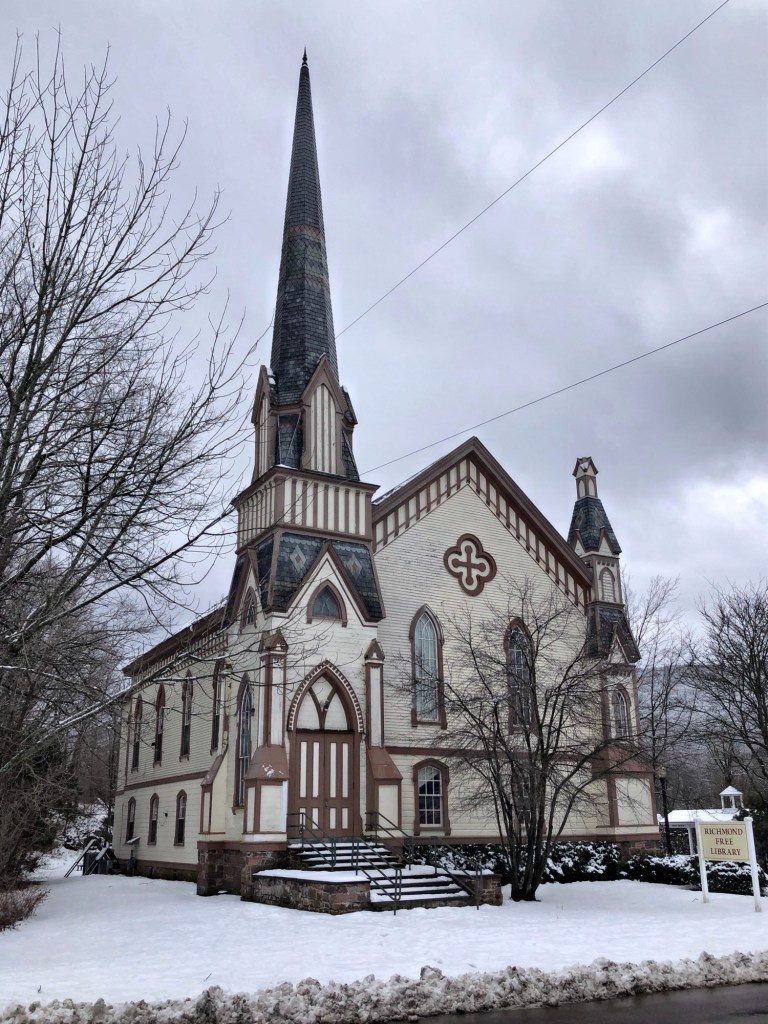
Richmond Universalist Church of the Restoration – Richmond Free Library // 1880

Adaptive reuse of old churches in New England is fairly common; with most conversions into housing or community centers, but have you seen a church turned into a library? Located in the charming town of Richmond, Vermont, this Victorian Gothic landmark was constructed in 1880 after Universalists in the community decided to leave the Round Church where they shared meeting space with other congregations in town. After WWII, the dwindling congregation sold the church to a resident who then offered the property to the Richmond School District, which had its large school next door. Voters accepted the gift at Town Meeting and passed a bond to convert the building into a cafeteria and gymnasium for the school next door. In the mid-1980s, with a new school built elsewhere in town, the school building was abandoned and converted to the Town Hall, with this former church, which served for years as the school gymnasium and cafeteria, eyed for demolition. It was explored to raze the former church and build a new, modern library building in its place. Preservationists petitioned to save the building, acquiring funds to restore the exterior and convert it to a library, and succeeded. Now the town of Richmond is home to one of the greatest examples of adaptive reuse in the state of Vermont.
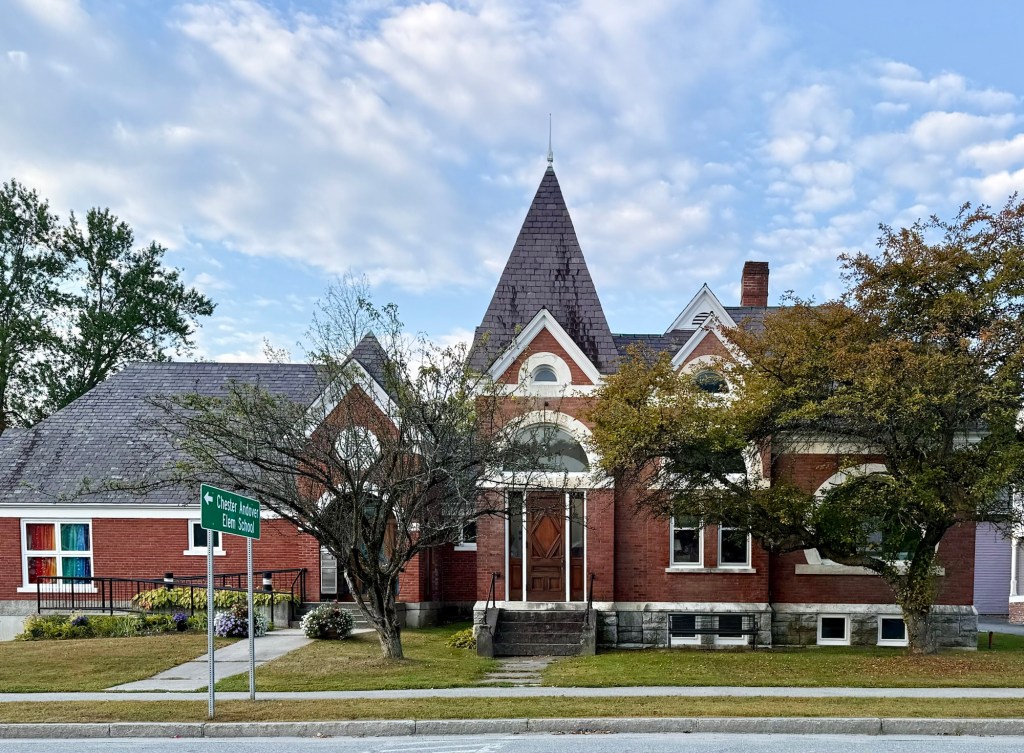
Whiting Library // 1891

The Whiting Library in Chester, Vermont, was designed by architect George H. Guernsey, and is said to be the only building in the village designed by a regionally significant architect. For the design, Guernsey created an eclectic library blending Romanesque and Queen Anne influences that strikingly enhance the library’s relatively modest physical stature. The building was named to honor Chester physician, Laurin G. Whiting and his wife, Abigail, who donated funds for the land and building. The polychromatic brick and granite building features unique gables, corner tower, and arched openings, which were carried over to a lesser scale into an addition a few decades ago.

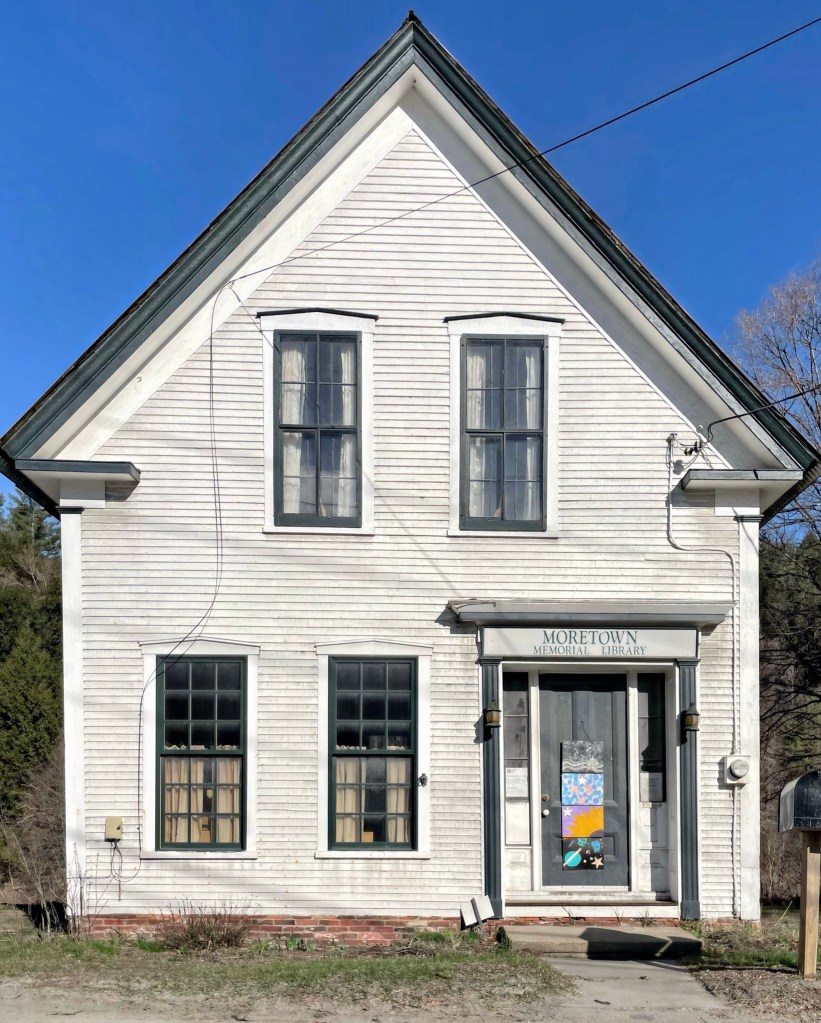
Moretown Public Library // c.1845

This 1840s Greek Revival home turned library, sits on the main street in the charming rural town of Moretown, Vermont. The quaint village never had a public library, but that changed starting in 1904, when residents and the town established a fund for purchasing books for the town’s citizens. In 1923, the library trustees purchased this residence which would serve as a stand-alone library for the village. Resident Lilla Haylett was instrumental in the accession and conversion of the home for use as a library from the estate of Ellen J. Palmer, who lived there until her death in 1923. The opening and celebration was short-lived however, as in 1927, elevated levels of the Mad River flooded much of the town. Water levels were well over the first floor of the building and nearly all books were lost. The Moretown Memorial Library was nearly lost, but the town rebuilt over years. The library remains today as a testament to the desire for learning and it serves as a landmark for the charming rural village.