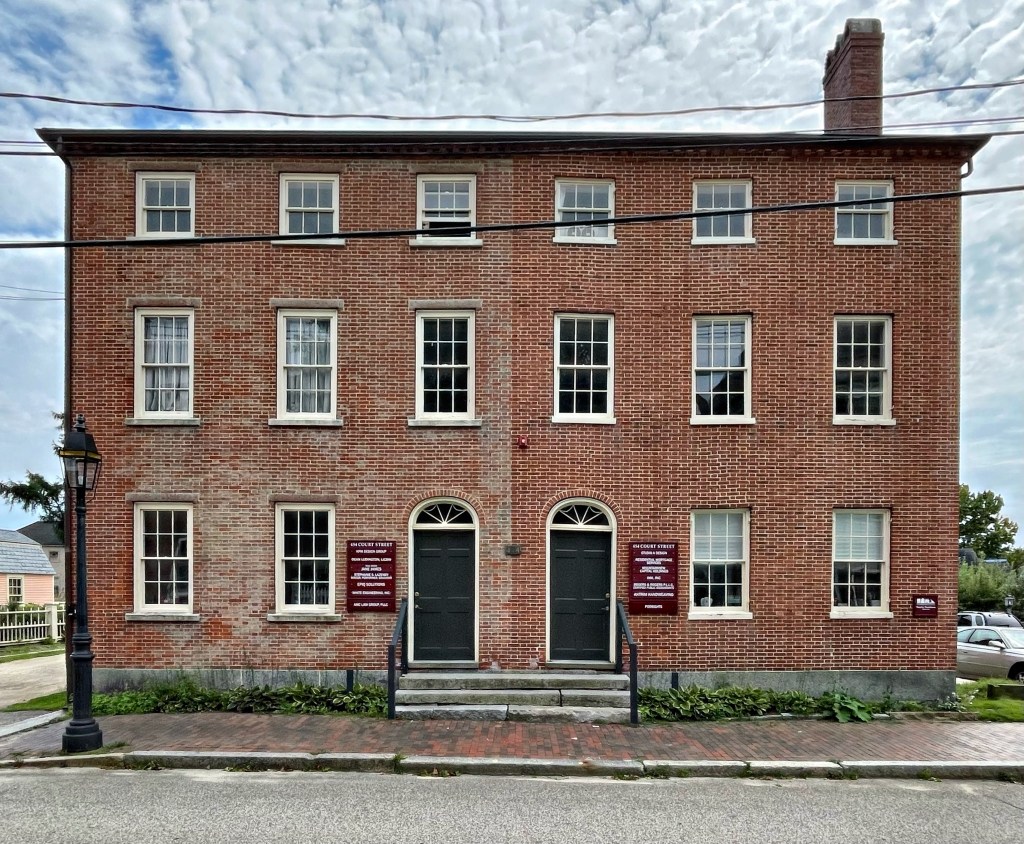
Shapley Townhouses // 1815

The Shapley Townhouses in Portsmouth, New Hampshire sit on Court Street and were built around 1814-15, after the Great Portsmouth Fire of 1813 had destroyed the center of town. It was constructed to conform with the new Brick Law that required all new buildings in downtown Portsmouth to be built of “fireproof” brick. The paired townhouses are unusual in the city as a particularly well-preserved example of a Federal period double-house. The house was built by Captain Reuben Shapley, a ship’s captain and merchant. In about 1973, this building was remodeled into a temporary home and counseling center for troubled youth. Suffering from deferred maintenance and the direct proximity to the Strawberry Banke Museum, the Strawberry Banke Foundation purchased the double-house who rent out spaces inside to offices, providing a revenue stream to maintain and further showcase the history of the port town.

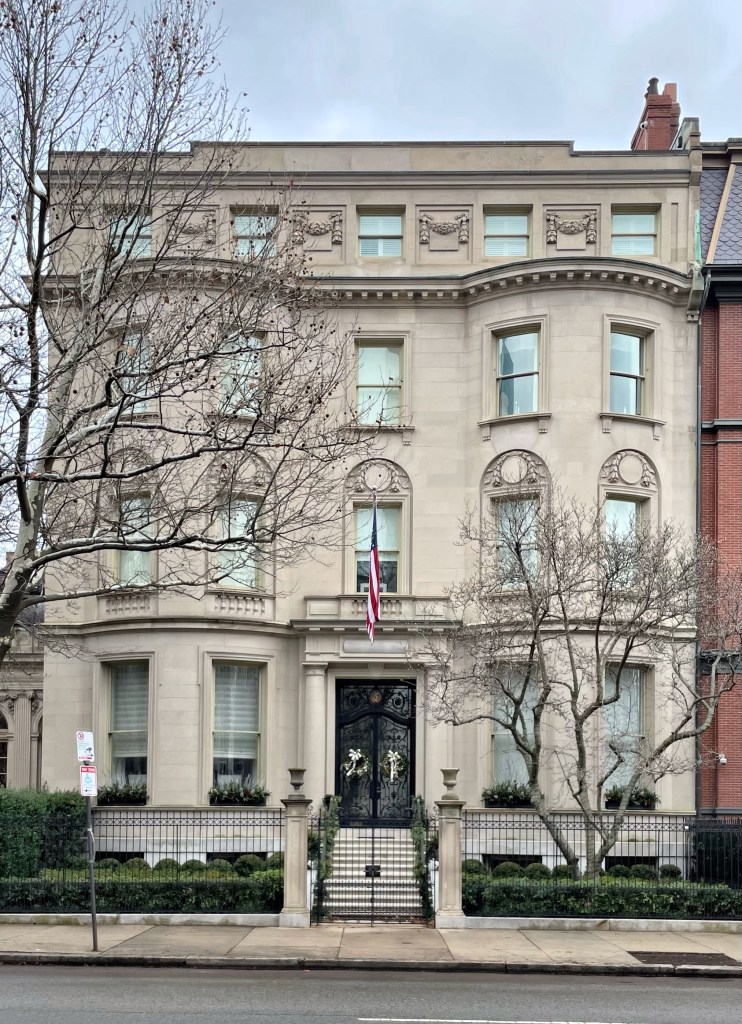
Baylies Mansion // 1903

Commonwealth Avenue in Boston’s Back Bay neighborhood is a dream, no matter what time of year, though I am a huge fan of it in the winter so the leaves don’t obscure the architectural details! This home just steps from the Public Garden was built in 1903 for Walter Baylies (1862-1936) and his wife, Charlotte. The couple had purchased a c.1860 Second Empire mansion (basically a sister house or twin to the adjacent at 3 Commonwealth Ave), and demolished it for a more “modern” residence. Baylies was extremely wealthy with investments in nearly everything, and he wanted his city residence to stand out amongst the earlier, brick and brownstone townhouses on the eastern edge of the neighborhood. Architect Arthur Rice designed the house in the Renaissance Revival style, and it is finished with Indiana Limestone. Of particular note is the one-story ballroom, which was built to the side of the home, set back behind a small garden. An empty house lot, formerly occupied by a stable, was used simply for the Baylies’ ballroom, constructed in 1909 for their daughter. Talk about a status symbol! The home was purchased by Walter’s heirs in 1941 by the Boston Center for Adult Education. The home was again purchased in 2020, and is back to a single-family home! I can’t even imagine how stunning the interior is!

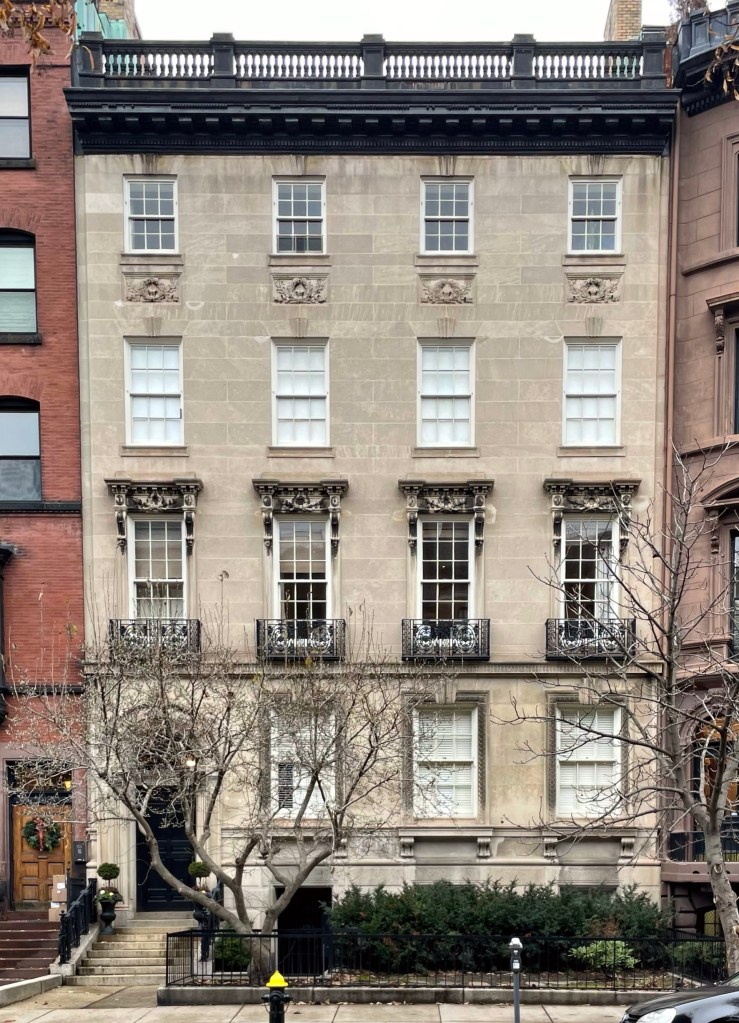
Warren House // 1913

This stunning townhouse on Beacon Street in the Back Bay neighborhood of Boston was constructed in 1913 for George Eddy Warren and his wife Frances Knowles Warren. The home, designed by Parker, Thomas & Rice, is one of the more elegant Classical Revival townhomes in the city, with its symmetrical, prominent bowfront, piano nobile with full-height windows, classical lintels, and thoughtful use of brick and stone construction. George E. Warren was a coal dealer, who was selected to head the U.S. Army’s Raw Materials Division during WWI for his expertise. During the war he was in charge of the fuel and forage division, overseeing an important aspect of 20th century warfare, petroleum manufacturing and distribution. His wife Frances was the daughter of Francis B. Knowles, a co-founder of Rollins College in Florida, the oldest institution of higher learning in the state of Florida. Frances volunteered her time in Boston as President of the YWCA, progressing women’s empowerment and social justice in the city. After successive ownership, the townhome was acquired by Emerson College and combined with its neighbor on the interior. In 2000, the home was reverted back to a residence and houses two condominium units.