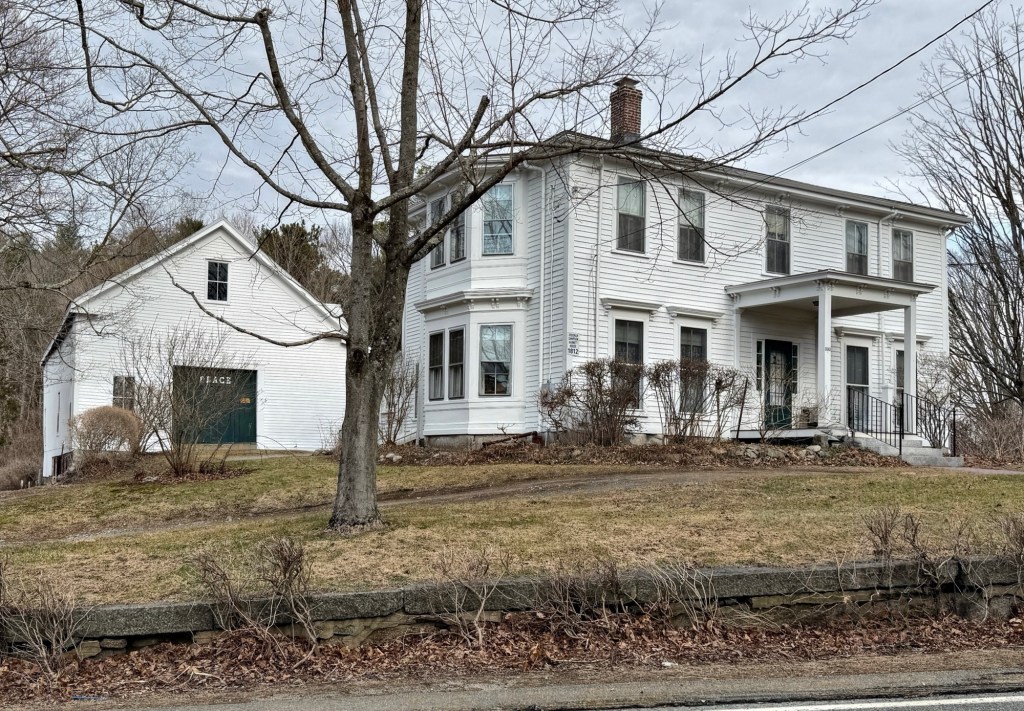
Deborah Sampson (1760-1827) was born in Plympton, Massachusetts, and after a troubled childhood, she worked as an indentured servant until the age of 18. She subsequently worked as a teacher during the summer, though she had little in the way of formal education. In the early 1780s, Deborah tried to disguise herself in men’s clothing and enlist in the military to fight against the British forces. She was rebuffed but tried again under the name Robert Shirtliff (sometimes spelled Shurtleff) and this time was successful. Deborah was described as being exceptionally tall, plain looking, and masculine in appearance and mannerisms. She spent at least 17 months as a combat soldier and participated in several skirmishes and sustained multiple injuries. She was reportedly hit by musket fire in the summer of 1782 but refused medical treatment for a leg injury due to fears that her true identity would be discovered. Sampson is said to have extracted one piece of shrapnel from her leg by herself; another remained in her body for the rest of her life. Sampson’s time as a Revolutionary fighter came to a halt a few months before the end of the war, after she fell ill in Philadelphia and a doctor realized that Shurtleff was, in fact, a woman. Sampson received an honorable discharge and went back to Massachusetts. She married Benjamin Gannett (1757–1837), a farmer, on April 7, 1785, and the couple moved to this farmhouse in Sharon, Massachusetts, where she lived the remainder of her life as a farmer’s wife. After Deborah Sampson died at the age of 66, her husband petitioned Congress to receive a pension as the widower of a Revolutionary veteran. A committee ultimately decided to award him the money, concluding that the war had “furnished no other similar example of female heroism, fidelity and courage.” She was the only woman to earn a full military pension for participation in the Revolutionary army. The Deborah Sampson Gannett Farmhouse is a private residence.
 Buildings of New England