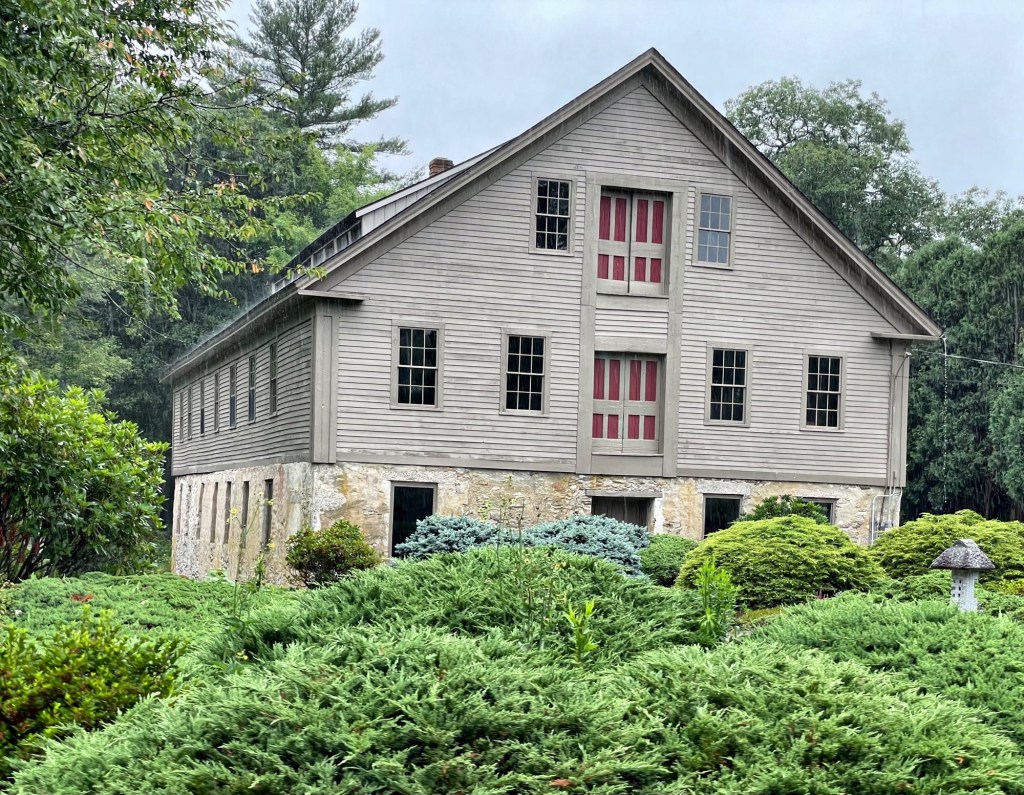
Peep Toad Mill // c.1850

The Peep Toad Mill (also known as the Elliottville Lower Mill) was built in Killingly, Connecticut, around 1850 by the Elliottville Manufacturing Company, whose larger main mill was upstream from this complex. The Elliottville Manufacturing Company was formed in the 1830s and later acquired by Albert Elliott and Nelson Eddy, who expanded operations here. This structure, the lower Mill was used for spinning and preparing the warps for cotton sheetings, the firm’s principal product. In 1870, the two mills employed 18 women, 18 children and 13 men. The business closed in the 1880s, and the building was vacant for some time before being converted to a residence and artist studio. The old mill is a rare surviving example of a wood-frame textile mill, many of which were built but few of which survive, due to fires and/or later expansion of the premises. The present owners have done an amazing job restoring and maintaining this rare treasure!
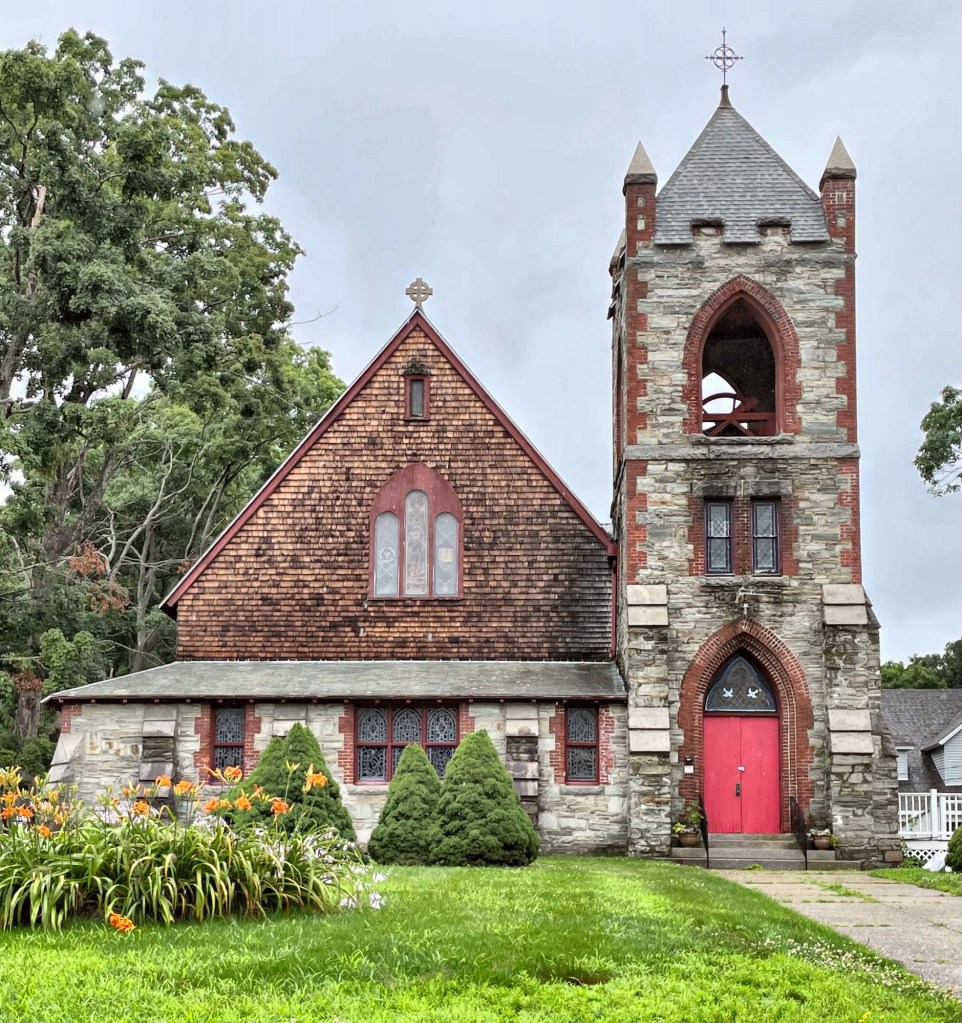
St. Alban’s Episcopal Church // 1891

Tucked away off Broad Street in the Danielson village of Killingly, Connecticut, you will find this charming and eclectic church building, long-occupied by the St. Alban´s Episcopal Church. Episcopalians began congregating in the town in the 1860s, and it would be in 1865, when an old academy building on this site was acquired and converted for use as an Episcopal church. By 1891, the relative prosperity of members of the church made it so a new church building was to be built on the site. Worcester-based architect Stephen C. Earle was hired to furnish plans for the new edifice which is eclectic with Victorian Gothic and Shingle style elements. The congregation appears to have either disbanded or merged with a nearby church as the building does not appear to be occupied. 

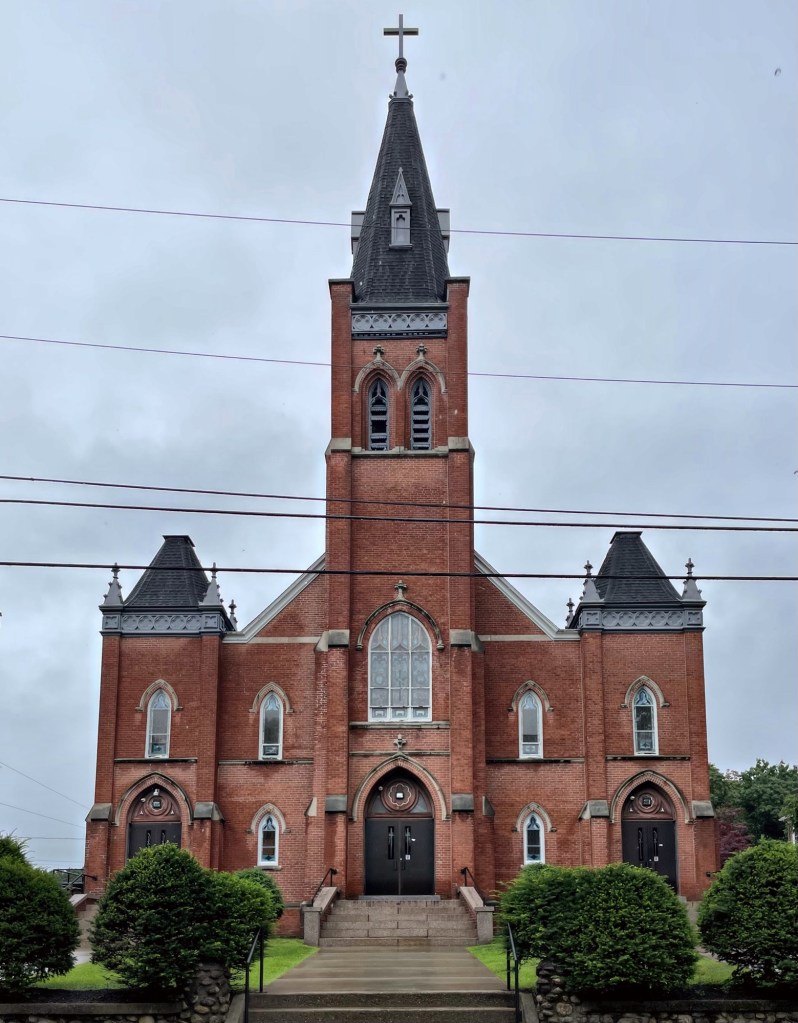
St. James Catholic Church, Danielson // 1870

The St. James Catholic Church in Danielson, Connecticut, is an imposing and architecturally ornate example of a church built in the Victorian Gothic style. Catholics in town had their first Mass conducted by Rev. Michael McCabe, a Franciscan friar from Ireland, and the first service was held in a private home. They met in different halls until 1864 when they purchased the old Second Advent Chapel on Winter street and it became the first St. James Church. The congregation, largely of working-class Irish immigrants, eventually was able to afford a new church, this large brick structure, built in the form of a cross. A parish hall and school were also built next door and the campus serves as an important piece of the town´s immigrant and working-class history.