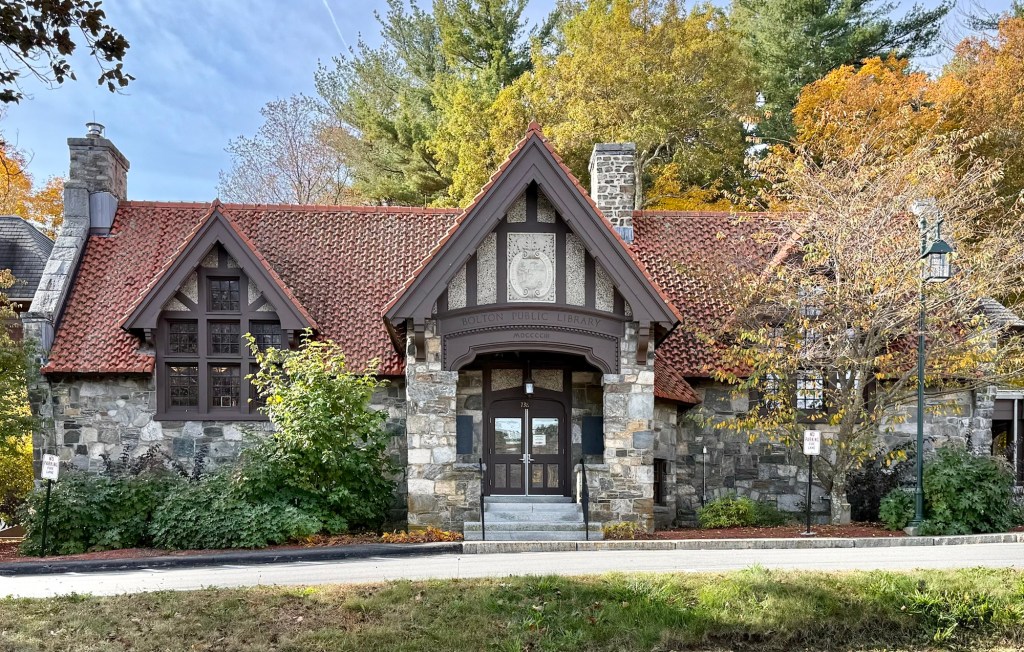
Bolton Public Library // 1903

The Bolton Public Library was established in 1859, when the town’s library collection was housed on a few shelves in the Selectmen’s room at the Town Hall. In the following decades it became clear to the community that a purpose-built library building should be constructed in town to house the growing collections there. At the time when wealthy benefactors donated funds for public libraries in towns and cities across New England, sisters Emma and Anna Whitney gifted their hometown of Bolton, $10,000 to build a dedicated library building in memory of their father, Captain Joseph Whitney in 1901. Completed in 1903, the Bolton Public Library was designed by the architectural firm Stone, Carpenter & Willson and built of local Bolton fieldstone in the Tudor Revival style. Of particular architectural merit is the red tile roof and three gabled bays with carved stucco and woodwork within half-timbered frames. The library was added onto in 2010 from plans by Lerner Ladds & Bartels Architects, who replicated key materials and forms so the new wing feels coherent with the original yet clearly differentiated.
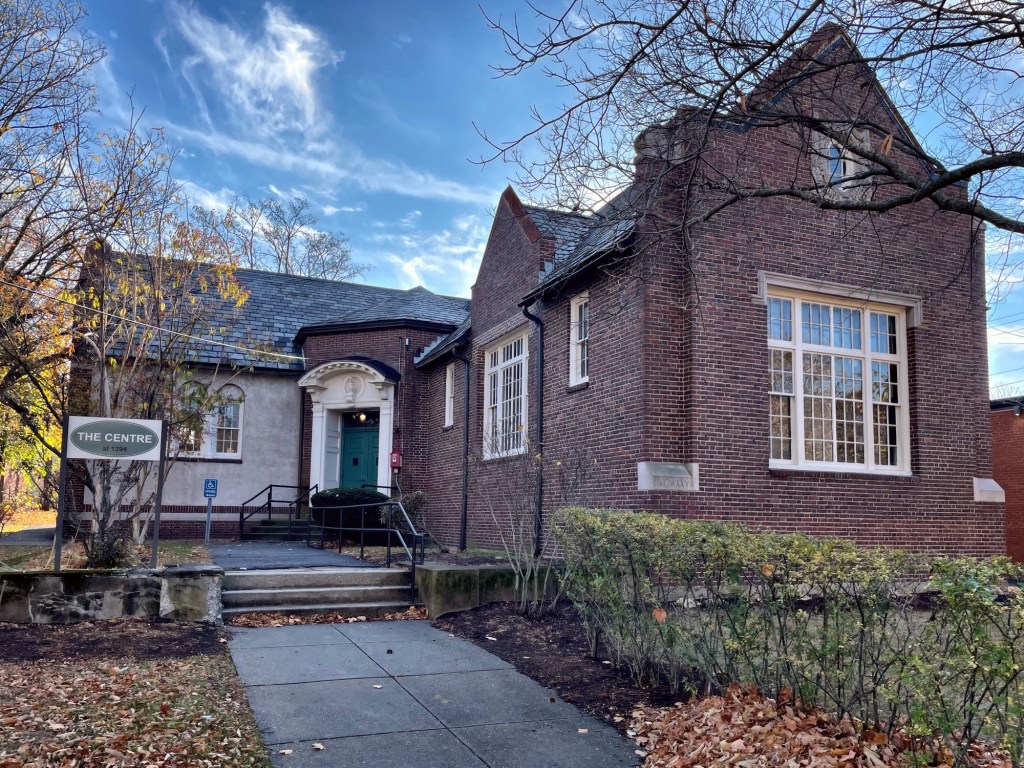
Former Newton Centre Branch Library // 1927

Formerly the Newton Centre Branch Library, this building was one of five branch libraries funded in Newton, Massachusetts by citizen subscription between 1926 and 1939 and turned over to the city. Like most of the others, the building is a small-scale, one story brick library of a Tudor Revival style. The building was designed by the firm of Ritchie, Parsons & Taylor and constructed in 1927. Architect James H. Ritchie was born and educated in Scotland, relocating to Boston and lived in Newton Centre, in two houses he built for his family. The Newton Centre Branch Library was one of the six branch libraries to close in 1991 when the main library opened, consolidating the neighborhood libraries under one roof; the remaining four closed in 2008 due to a budget cut. Today the Newton Centre branch library building serves as the Newton Health Department offices. Thanks to the Community Preservation Act, funds have been allocated to preserve and restore the building for another 100 years.

West Gouldsboro Village Library // 1907

One of the few libraries in Maine built in the Tudor Revival style can be found in the quaint coastal town of Gouldsboro. This library was built in 1907 from plans by Maine architect Frederick L. Savage after members of town sought a community space where they could meet and check out books. The small one-story building sits upon a tall fieldstone foundation and with a stuccoed exterior above. The entrance consists of a single door flanked by sidelight windows topped by an elliptical hood, above which sits within the half-timbered gable front. The small library was in operation until 1956. It reopened briefly in 1990, but closed again. It is owned by the West Gouldsboro Village Improvement Association. Historic library buildings are the best!

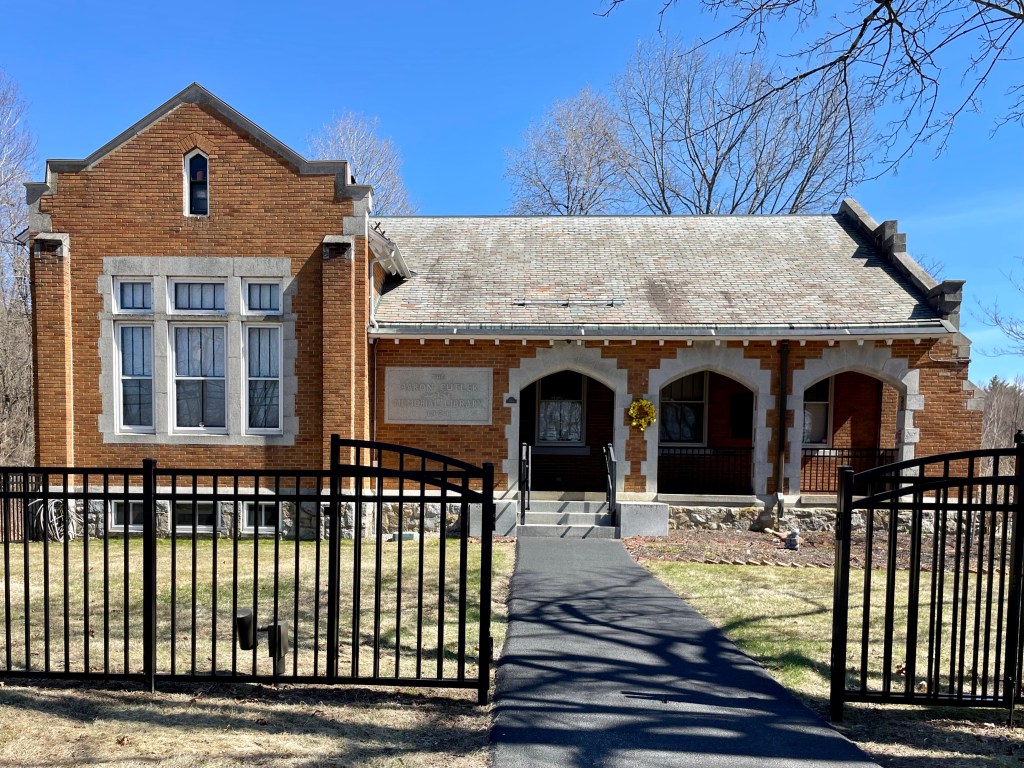
Aaron Cutler Memorial Library // 1924

In his 1917 will, Aaron Cutler of Hudson, N.H. left his estate to family and friends with his remaining estate to be bequeathed “for the purpose of the erection, furnishing and maintenance of a Public Library, upon the express condition that the citizens of said town give land upon which to erect the same. Said land to be located within one-quarter of a mile of the town hall. Said Library to be of brick and slate. And to be known as “The Aaron Cutler Memorial Library.” His town of Hudson recently erected a memorial library, so he sought to fund a library in an adjacent municipality. Land was donated in Litchfield for a new library there and architect William M. Butterfield furnished plans for the building. The library was completed in 1924 and exhibits Tudor/English Revival design, unique for the town.