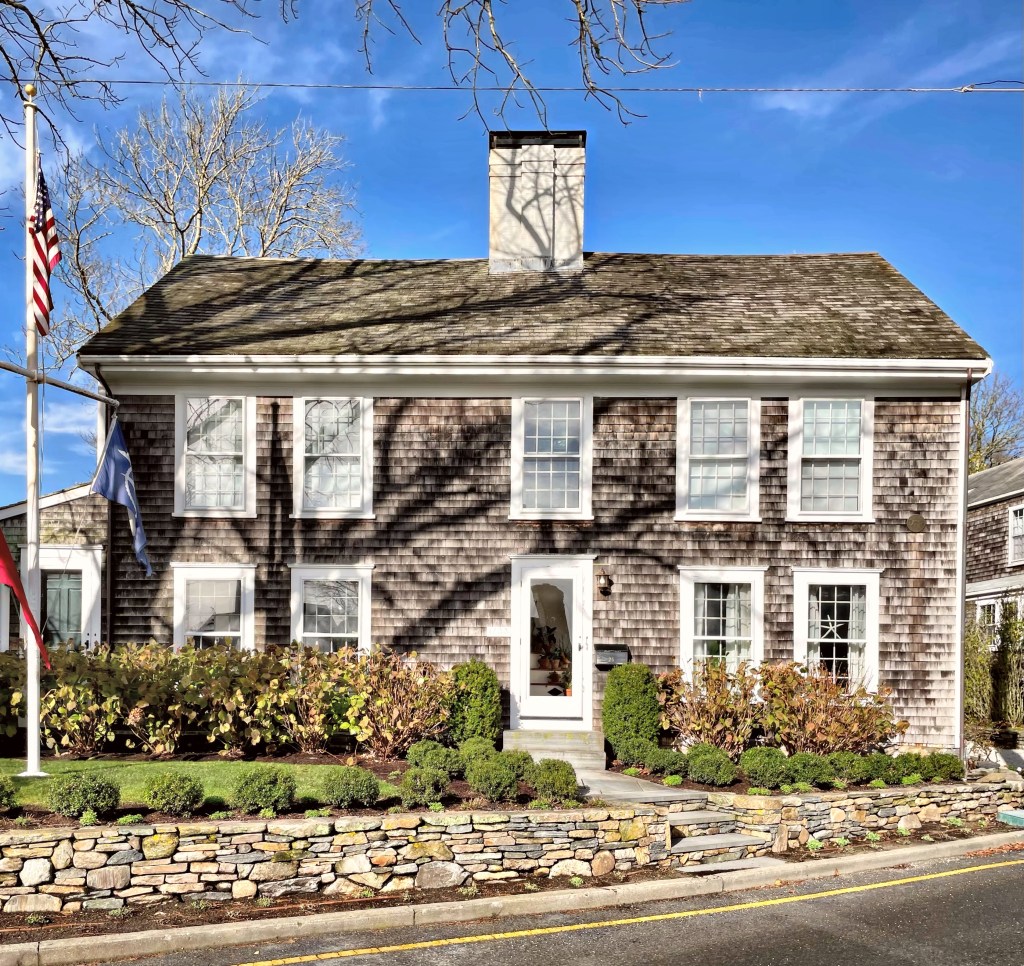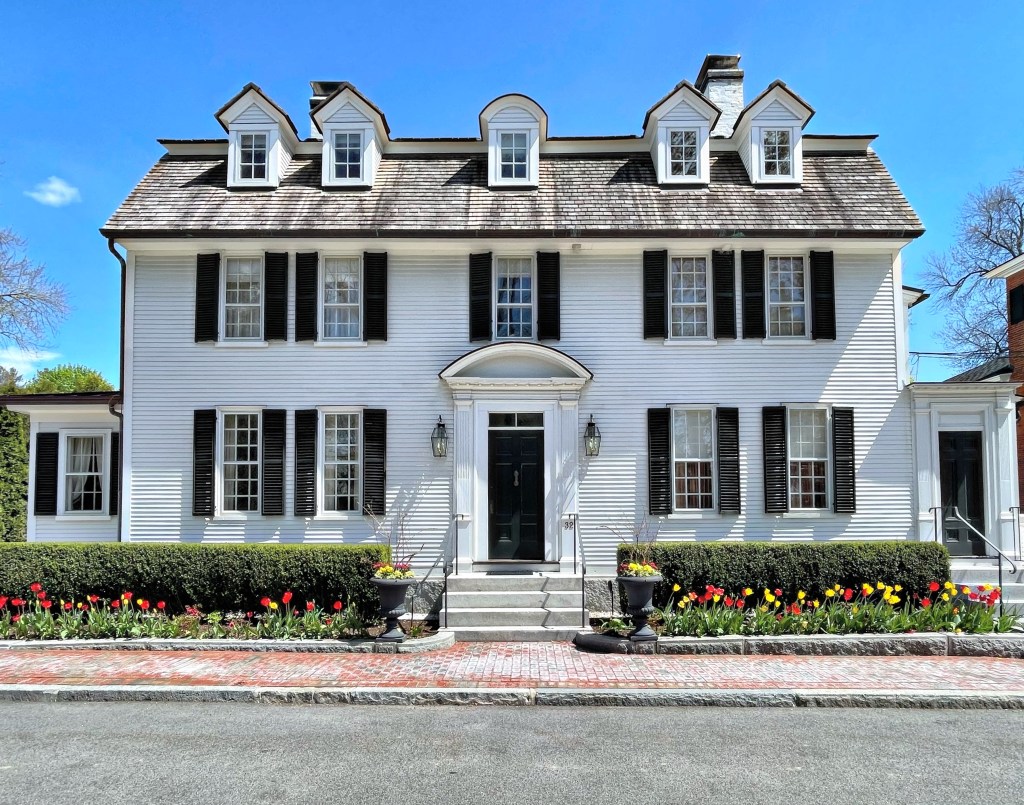
Crocker Tavern // c.1754

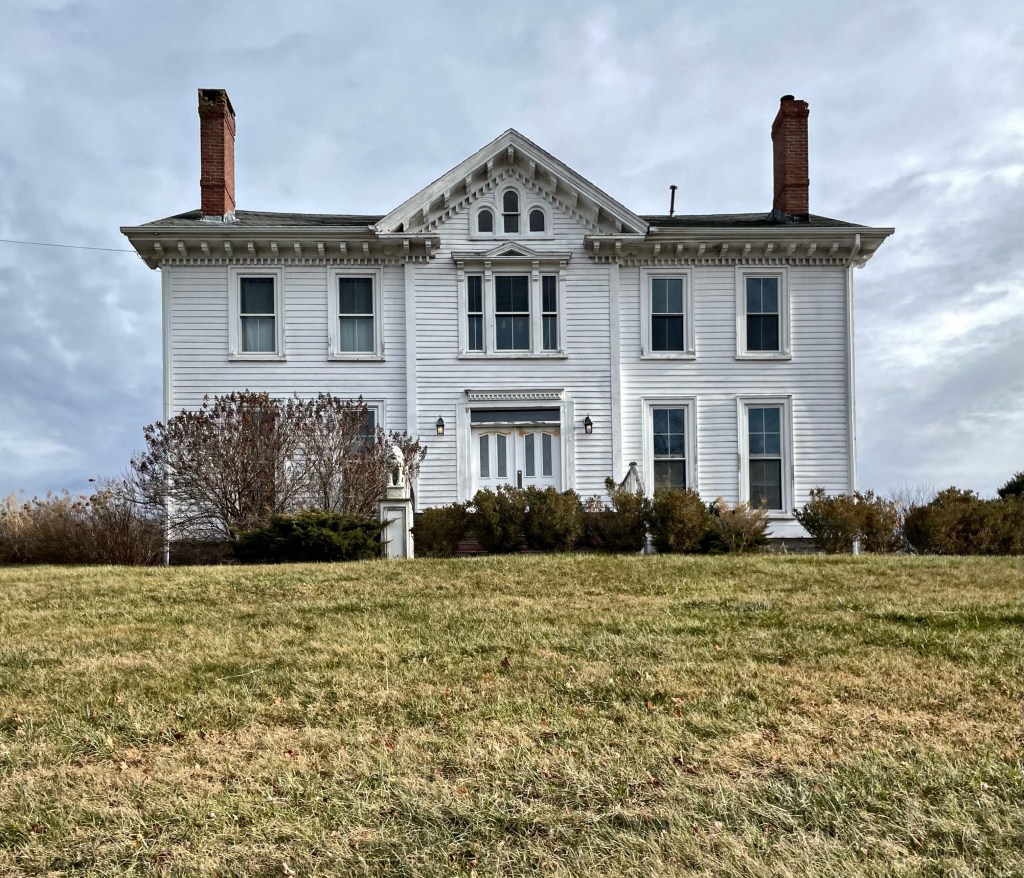
One of the largest pre-Revolution houses in Barnstable is this stunning Georgian manse, known as the Crocker Tavern. The c.1754 home was built along Main Street in Barnstable Village by Cornelius Crocker (1704-1784), who operated it as a tavern along the Old King’s Highway, the main stagecoach route through Cape Cod. Cornelius died in 1784, and he left the eastern half of his house and land to his grandsons Robert, Uriah, and Joseph Crocker; the western half of land and house went to his daughter Lydia, widow of Captain Samuel Sturgis who died at 25, she never remarried. The house was “to be divided through by the middle of the great chimney“, a feature which was likely removed under separate ownership. Lydia eventually acquired the other half of the house, and continued operation of the tavern as her father did before her, though it was known as Aunt Lydia’s Tavern. The property was passed down through the family until 1925, when the property was left to the Society for the Preservation of New England Antiquities (later renamed Historic New England) as a historic house museum. The Georgian house and property were eventually de-accessioned by Historic New England and the tavern can be rented out on AirBnb!

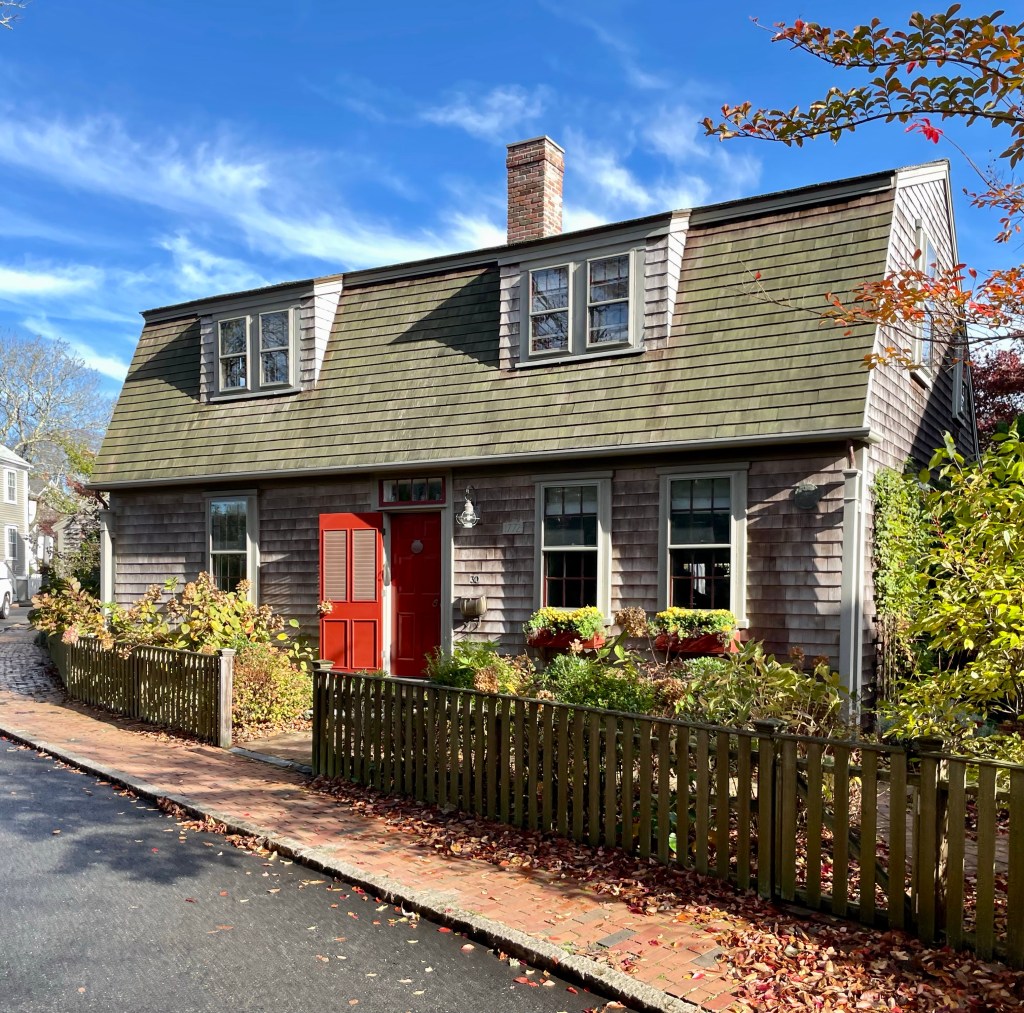
Reverend Joseph Green House // c.1725

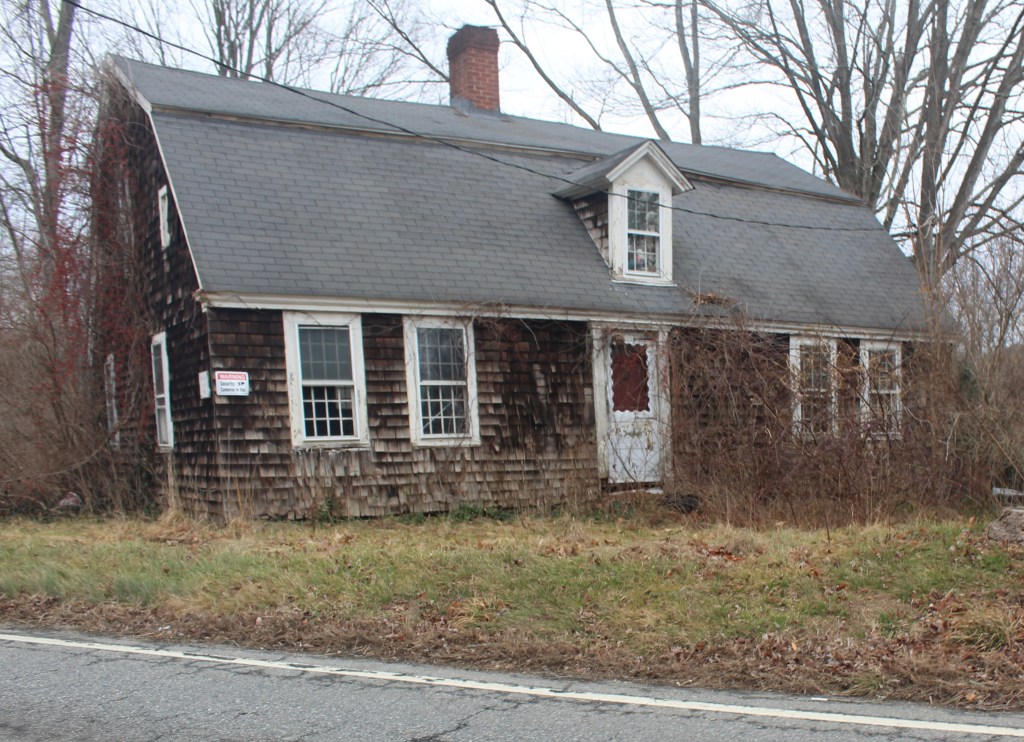
In 1725, the second or eastern parish of Barnstable separated from the first (or west) and the congregation had a 25 year old pastor to lead them in Reverend Joseph Green. Joseph Green(e)(1701-1770) attended Harvard and trained in theology, graduating and accepting the call to lead a new congregation in Barnstable Village on Cape Cod. Green would must have had this house built around the time of his arrival, which was a modest, full-cape Georgian home. Reverend Green remained in his position until his death in 1770.

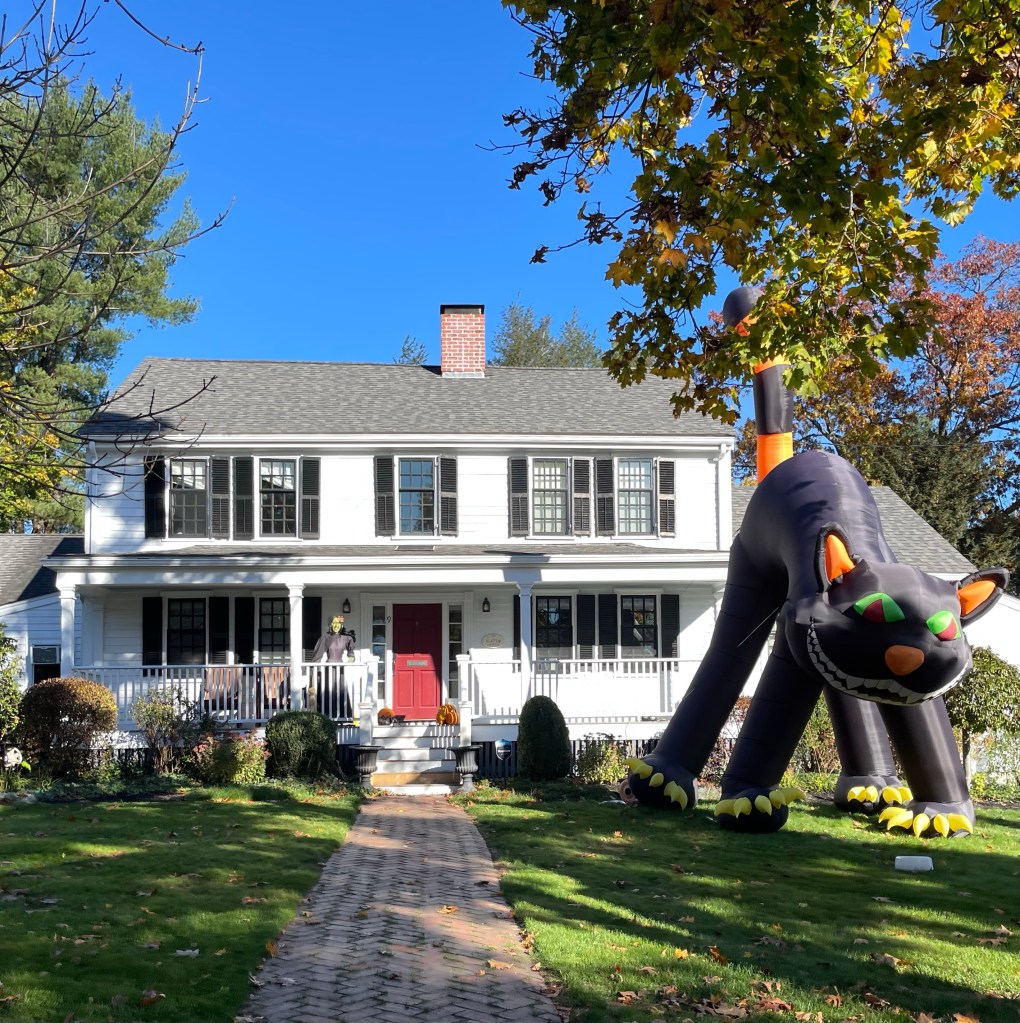
Sturgis Library // 1644

The original section of this building was the second dwelling house of Rev. John Lothrop (1584-1653), one of the first European settlers who settled in present-day Barnstable in 1639. The oldest part of this structure, built in 1644 (yes you read that correctly), is possibly the oldest extant house in the Town of Barnstable. The home was constructed as 21 feet long and 29 feet deep with a chimney on the west side of the house. Perhaps John Lothrop’s principal claim to fame is that he was a strong proponent of the idea of the Separation of Church and State (also called “Freedom of Religion”). This idea was considered heretical in England during his time, but eventually became the mainstream view of people in the United States of America, because of the efforts of Lothrop. His descendants today include six former presidents, Louis Comfort Tiffany (of the stained glass fame), J. P. Morgan, Clint Eastwood, Henry Wadsworth Longfellow, and many more recognizable names! The house was eventually owned by Isaac Chipman in the 19th century, and he modified the house close to its current conditions, adding on numerous times.

Captain William Sturgis, a mariner, businessman and politician, who was born in the house, purchased the property in 1862 from the heirs of Isaac Chipman. Sturgis left $15,000 along with this property in a trust to be gifted to the people of Barnstable for a public library. The library opened in 1867 in his honor, with 1,300 books. As the old Lothrop House is incorporated in the building, it makes the Sturgis Library the oldest building housing a public library in the USA. A great claim to fame for this town!


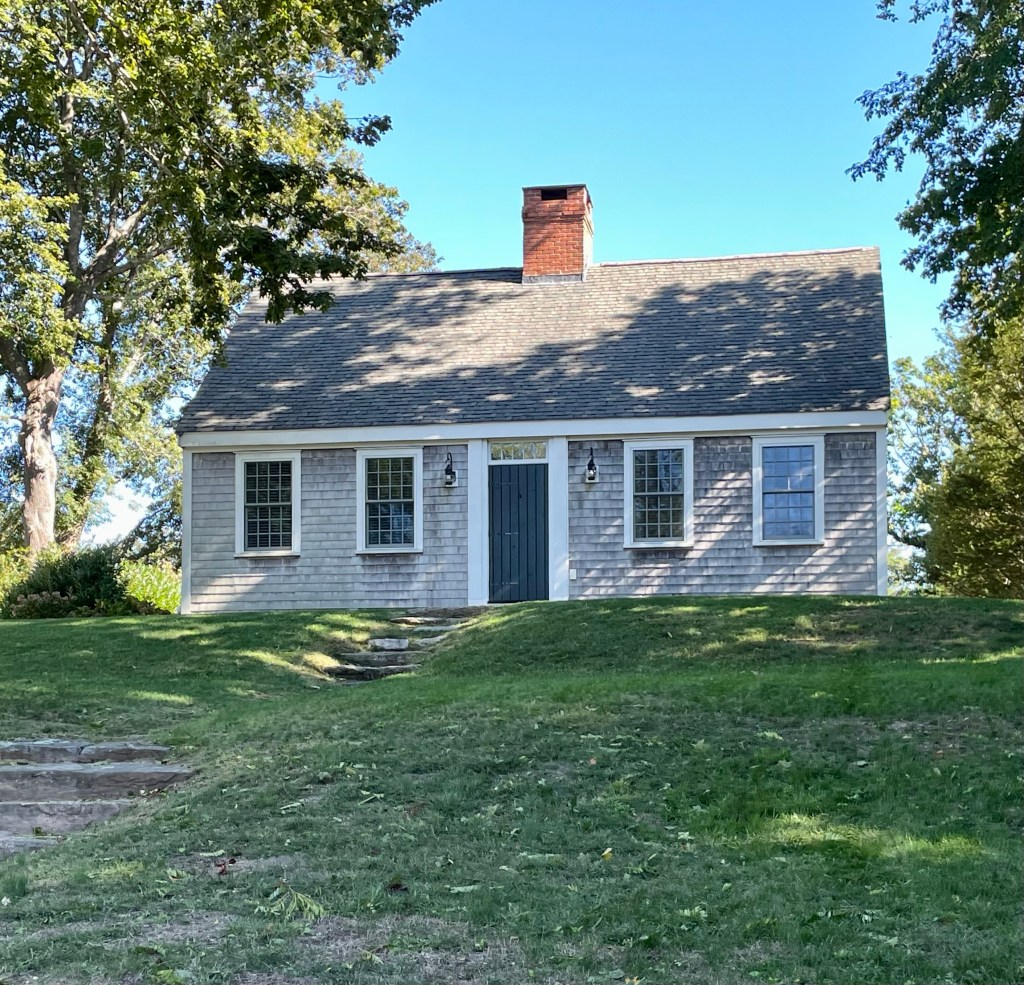
Ebenezer Lothrop House // c.1771

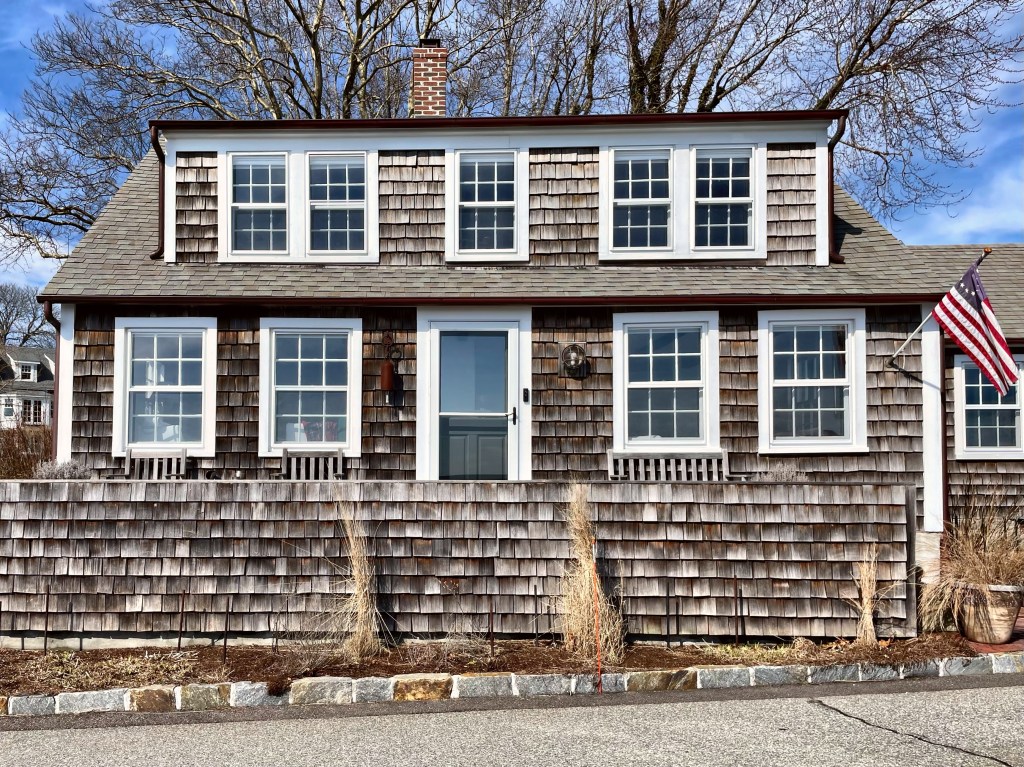
Ebenezer Lothrop (1743-1815) purchased land on the Old Kings Highway in Barnstable for 63 pounds, 6 shillings , 8 pence from Sturgis Gorham in 1771, building a home soon after. The old house was likely built as a one-story half cape with a door on the side with two windows to its left. When the house was moved in the 1820s by Ebenezer’s heirs, it is possible the second floor was added, which was followed later by the rear wings and wrap-around porch. The home is very well preserved and is excellently located on a raised lawn.

Daniel Davis Homestead // 1739

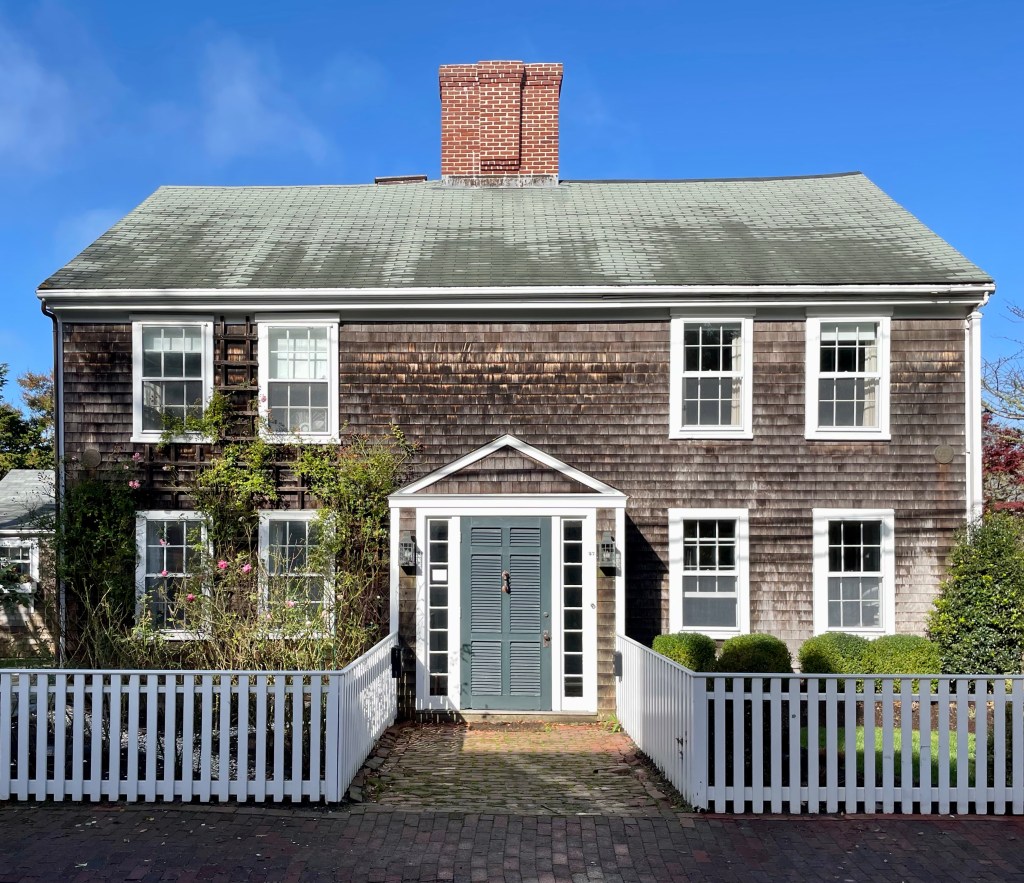
In 1739, recently married Daniel Davis (1713-1799) and Mehitable Lothrop Davis (1717-1764) inherited land in Barnstable Village from Mehitable’s father Thomas as their wedding present. The young couple broke ground on a new family home that year. Daniel Davis fought in the American Revolution and was was a selectman, assessor, town clerk, and treasurer for Barnstable and represented it at the Massachusetts House of Representatives and Council. Davis also held the position of Guardian of the Mashpee Indians, a position begun in 1746 when Massachusetts appointed white guardians to manage each Indian reservation in the province, the Mashpees protested. Daniel Davis died in the home in 1799. The house retains much of its original design from the multi-pane double-hung windows to the large, central chimney.

Barnstable Olde County Courthouse // 1763

This historic building was constructed in 1763 as the Barnstable County Courthouse replacing an even earlier courthouse building that was outgrown in the village. The building served primarily as a courtroom with jury deliberations carried out in one of the nearby taverns. Additionally, large town meetings were sometimes held in this building until it too was outgrown. This courthouse was the site of a mass protest on Sept. 27, 1774, after Britain revoked Massachusetts Bay’s 1691 charter — one of a series of Coercive Acts intended to punish the colonists for the Boston Tea Party the previous year. As a result of the protest, all Barnstable county officials agreed to ignore Parliament’s new rules, effectively freeing Cape Cod of British control. The significance of this building cannot be understated as the building is one of only two remaining Massachusetts colonial-era courthouses where such protests occurred. The county dedicated its new courthouse in the 1830s, consolidating all court functions in a large, granite structure closer to the present center of Barnstable Village (featured previously). This building was acquired by the Third Barnstable Baptist Church, who renovated the building at the time and again in 1905. After the church was disbanded in 1972, the building was purchased by Tales of Cape Cod, a nonprofit volunteer group committed to preserving the Cape’s history. What a building to be based out of!

Roosa-Van Deusen House // 1744

For my last building feature in New York in this series, I feature the Roosa-Van Deusen House on Hurley’s Main Street village of old stone homes. This house dates to 1744 and was built upon land owned by Jan Alderts Roosa, who emigrated to New Netherland (New York) with his family on the Spotted Cow in 1660, when he was 14 years old. The house was likely built by Jan Van Deusen (Jan Roosa’s grandson), a blacksmith who worked in town. The Van Deusen House famously became the capital building of New York when in 1777, the newly formed New York state government moved here for two months while Kingston was being rebuilt after the British Army had burned it in retaliation for the creation of the state. It is thus the second of the state’s three capital cities, the present, Albany, being the third.

Elmendorf House // c.1780

Built circa 1780, this old stone house is fairly new compared to some of its neighbors (it was built after the Revolution). The land upon which the house sits was originally owned by Anthony de Hooges and his wife Eva. It was purchased by Conrad Elmendorf, who likely built the home after the War. and handed down to his great-grandson Col. Jonathan Elmendorf who served in the War of 1812. The property is now home to the Hurley Historical Society, which host an Old Stone House Tour every year.

Van Etten-Dumond “Spy” House // c.1726

One of my favorite houses in Hurley is the Dumond House (also known as the “Spy House”), a pre-Revolutionary stone cottage built in Dutch traditions. The house is one and one-half stories high, and is built of limestone. The limestone walls are of various thickness, from a nearby quarry, with the square ends laid up in mortar made of clay, and pointed with lime mortar outside. The house was built by Jacobus Van Etten (1696-1779) and used as a Guard House during the American Revolution. In 1777, it was famous for housing the convicted British spy, Lt. Daniel Taylor after he was caught carrying a message between British Generals Henry Clinton and John Burgoyne. Lt. Taylor was arrested as a British spy, convicted in court of spying and held in the basement of the Du Mond House as a prisoner. He was hung on October 18, 1777 from a nearby tree. American soldiers encamped in the area were paraded by the body as a warning to any potential British sympathizers. The home was later owned by the Dumond Family. It has been owned by the Kent family since 1933.

Petrus Crispell House // c.1725

Another of Hurley, New York’s beautiful old stone houses is this Georgian-era home, right on Main Street. The house is known as the Petrus Crispell House and dates to about 1725. Petrus Crispell must have purchased or inherited the house and occupied it for some years until it was acquired by the Dutch Reformed Church in the village to be used as a parsonage. It is 1 1/2 stories and is built of coursed and squared stone which continues into the gables. The facade, now 5 bays, was formerly 6, perhaps with two entrances. Nineteenth century alterations by the church include a large cross-gabled dormer and 2/2 sash.