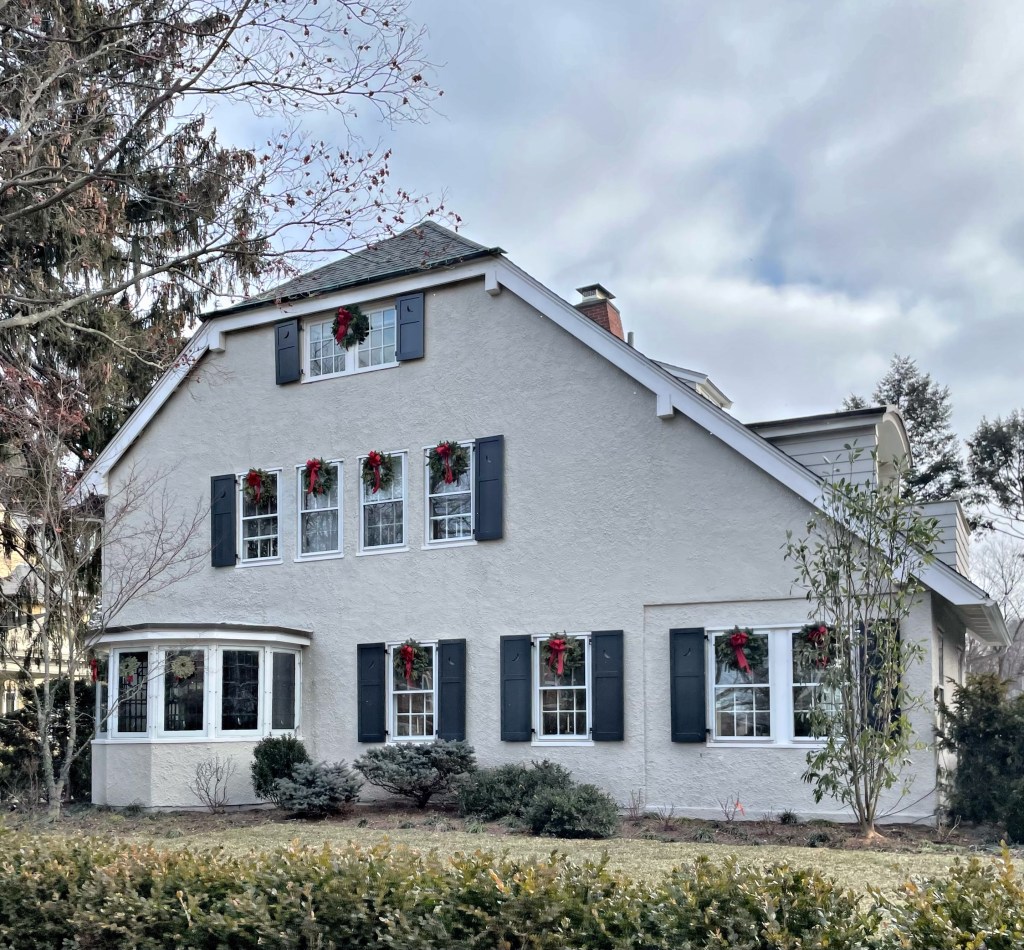
James H. Gardner House // 1923

My favorite part about the Boston suburbs is the sheer number of well-preserved early 20th century residences. The collection of Colonial Revival, Tudor, and Arts and Crafts style houses found in Waban Village, Newton, are among my favorites. This two-story stucco-clad house enclosed by a slate gable roof with exposed rafter ends was built in 1923 from designs by architect Harry Morton Ramsay. Ramsay was hired to design dozens of middle-upper class houses in Newton during its period of rapid development in the early 20th century. The original owner was James H. Gardner, who lived here with his family and a maid for a couple decades.

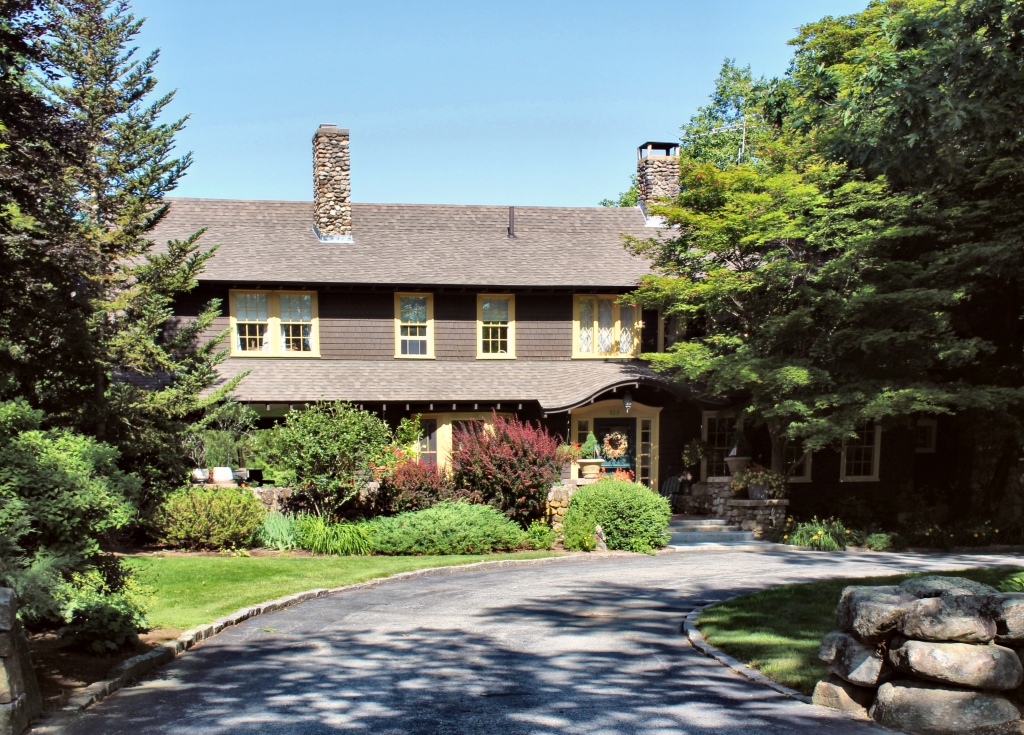
Harry Gregg House // c.1910

Harry A. Gregg, was the son of David Gregg, a lumber dealer and wooden goods manufacturer who built a mansion in Wilton’s East Village. Harry followed in his father’s footsteps, running the day-to-day business out of their Nashua, NH offices. With a lot of spare money, Gregg purchased pastoral land in Wilton Center and built a summer residence which may have also served as a gentleman’s farm. The Arts and Crafts style home showcases the best in the style with rubblestone, shingles, organic forms and exposed rafters. The house is pretty perfect!

William C. Strong House // 1907

In 1875, William C. Strong, a nurseryman from Brighton, MA, purchased the 93-acre Staples-Craft farm in Newton. He established a large nursery on the grounds and promoted construction of the Circuit Railroad, which connected the rural section of Newton to the Boston and Albany rail line in 1886, thus establishing the village of Waban. Due in great measure to the efforts of Strong and other developers, Newton’s youngest village grew rapidly as the once isolated farm area gave way to a vibrant suburban community. He built commercial structures and people began to flock to the village, for the new housing and easy-access into Boston by rail. Strong had a house built by architect Herbert Langford Warren in 1896 and lived there for years before having this house built in 1907, when William was 83 years old. The house was occupied by Strong for just a couple years until he moved away to Manhattan. The Arts and Crafts style home was purchased by Esther Saville Davis.