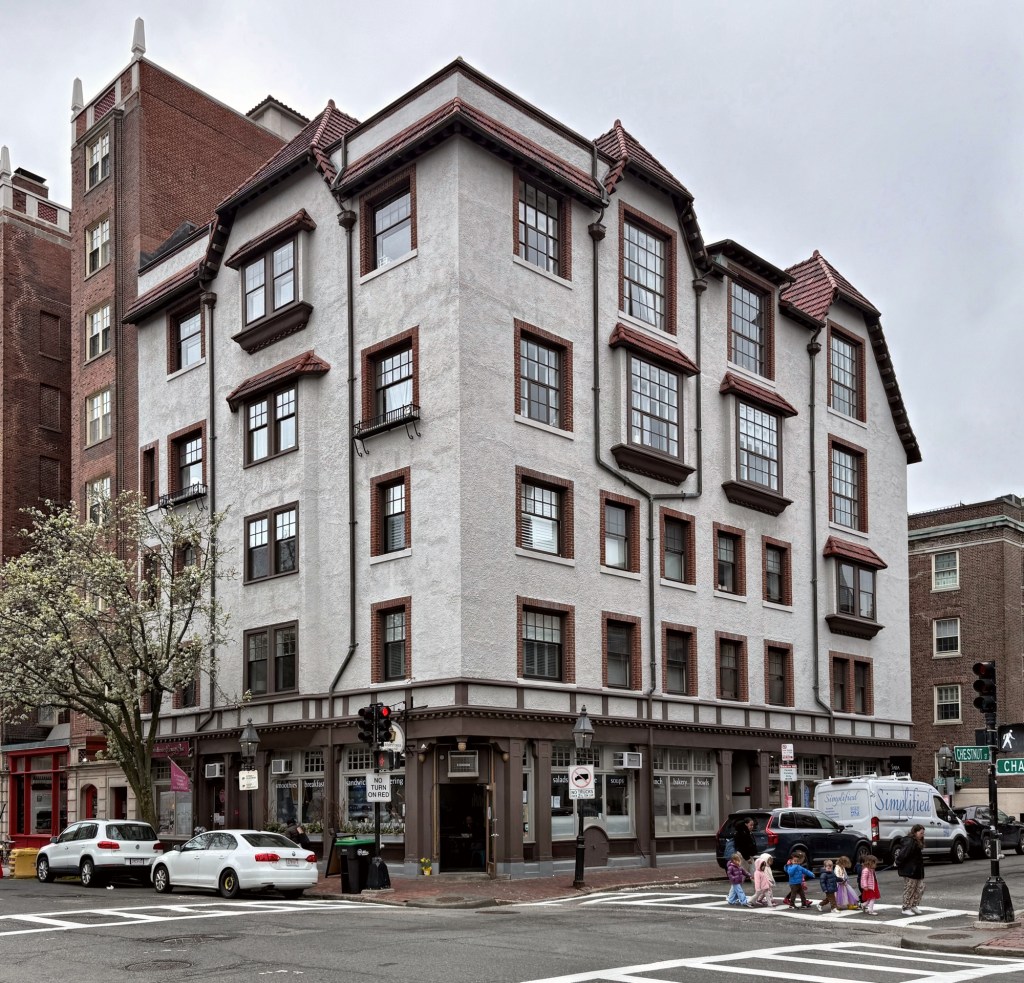
Studio Building, Beacon Hill // 1914

The Studio Building on Charles Street in Boston’s historic Beacon Hill, is a unique, Arts and Crafts style building constructed of brick with stucco walls and a red tile roof. Built in 1914 by William Coombs Codman, a real estate developer and member of the Beacon Hill Associates, a group of preservationists who bought and resold properties in the neighborhood with the aim to limit unsympathetic development. The group helped the Beacon Hill Flat area, which was a higher concentration of former stables west of Charles Street, a gentrified artist and residential enclave. Codman hired the young architectural firm of Loring & Leland, to design the Studio Building, which in its original configuration, contained three stores at the ground-level, two dwellings, offices and artist studios with oversized windows. Just years after the building was completed, Charles Street was widened in 1920, chopping ten feet off the facades of all buildings on the west side of Charles Street, including this building. Charles G. Loring was retained by Codman to oversee the renovations to the new facade and storefront, likely replicating what was once there. After 1920, the building was largely occupied by apartments for single women of means and remains one of the neighborhood’s most iconic and enchanting buildings.

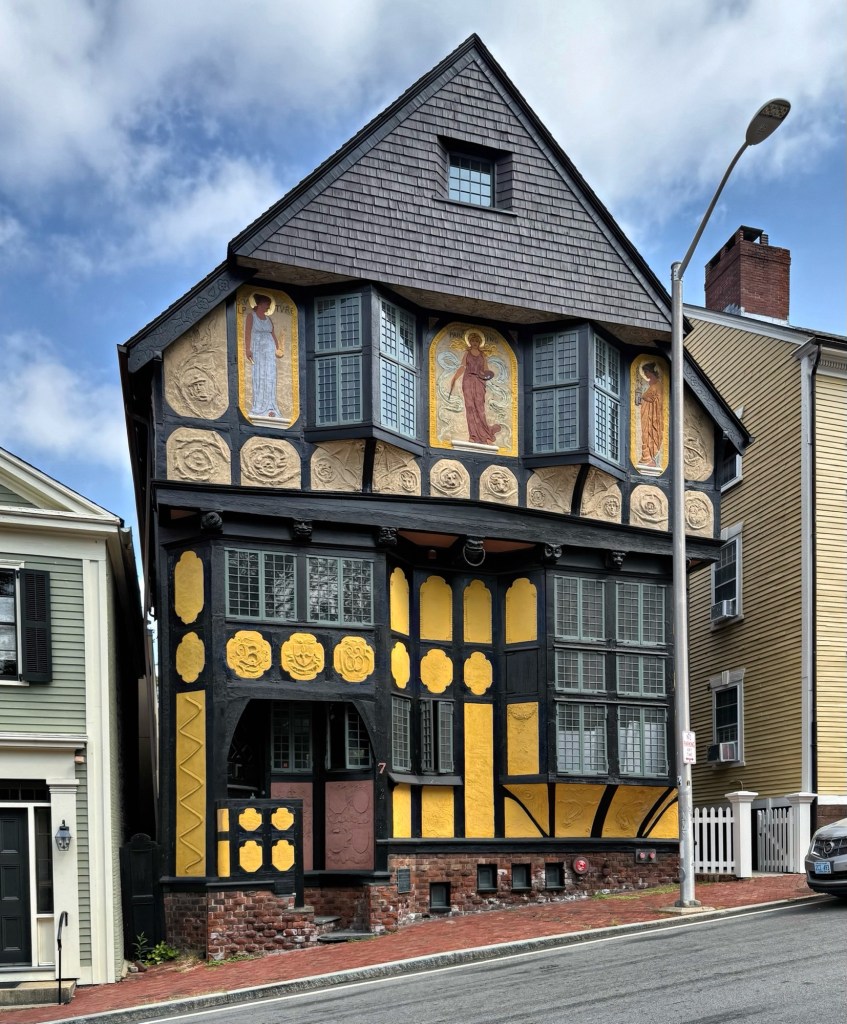
Fleur-De-Lys Studios // 1885

The Fleur-de-Lys Studios is of the most architecturally significant and unique buildings in New England and can be found on Thomas Street in the College Hill section of Providence. Built in 1885 and a vivid expression of the Queen Anne style and showing the emergence of the Arts and Crafts movement movement in America, the handsome building blending is the result of a partnership between artist, Sydney Richmond Burleigh and architect, Edmund R. Willson as a dedicated creative hub for working artists, a purpose it still serves today under the stewardship of the Providence Art Club, who received the deed of the property in 1939 by Burleigh’s widow. Its design draws heavily on medieval English and Tudor Revival influences, with a striking half-timbered façade, stucco panels, carved heads as hanging pendants, and projecting casement windows that break dramatically from the surrounding colonial streetscape. What truly sets the structure apart, however, is its richly symbolic ornamentation—allegorical figures representing painting, sculpture, and architecture adorn the exterior. More than a century later, the Fleur-de-Lys Studios remains both a National Historic Landmark and a living workspace, preserving its original spirit as a place where art and architecture are inseparably intertwined.

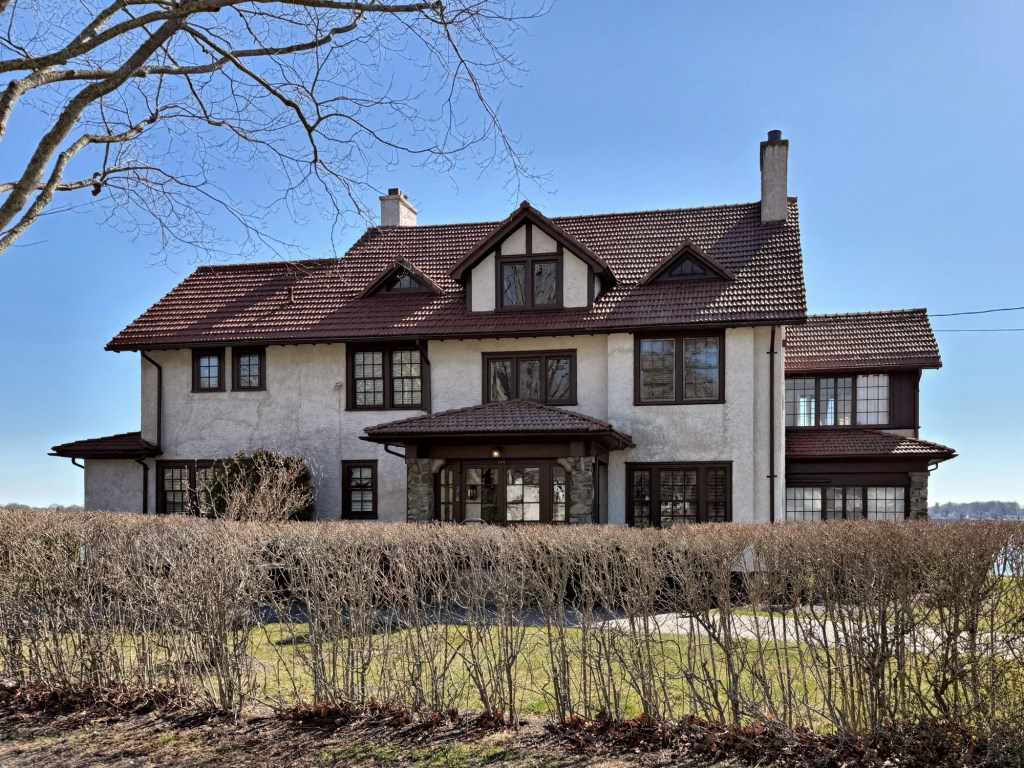
Charles Smith House // 1914

The neighborhood of Touisset in Swansea, Massachusetts overlooks Mount Hope Bay and was largely developed in the early 1900s by Fall River real estate dealer Jacob Fash who worked with local architect, Edward I. Marvell to lay out house lots and likely design houses for middle-class residents. One of the more fashionable houses on the waterfront is this residence, built in 1914 for Charles Smith, an inventor who patented rollers and machinery to lay gold-leaf. Soon after moving into this house, he filed for bankruptcy and the house was sold at auction to William R. Randall of Providence. The house can be categorized as an example of the Arts and Crafts style with elements of Tudor Revival and Spanish Colonial Revival styles, all reaching their height of popularity in the early 20th century. The use of stucco walls, stone porches and red terracotta roofing tiles enhances its curb appeal.

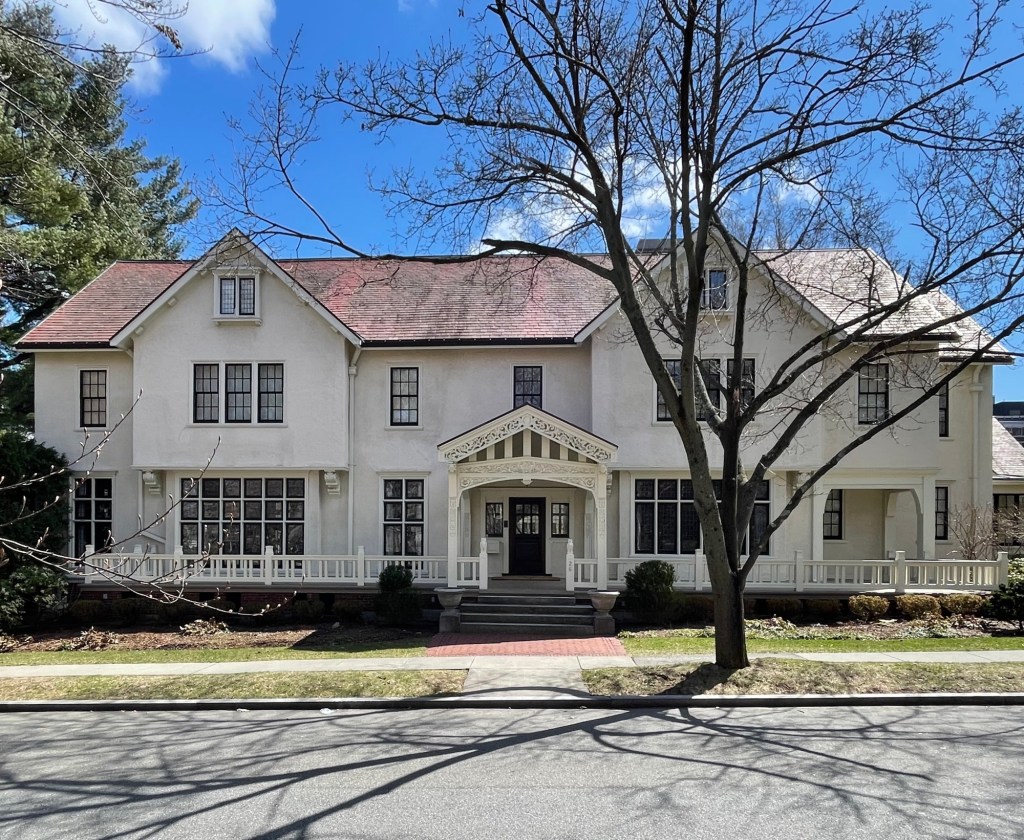
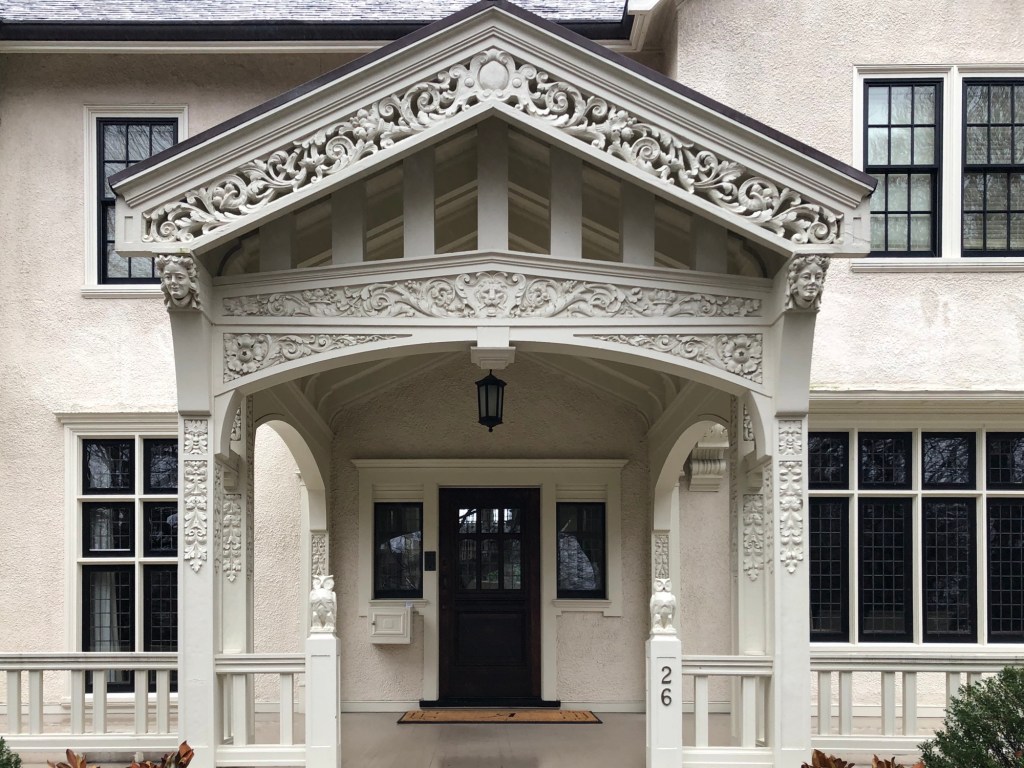
Gahm House // 1907

Located in the Longwood neighborhood of Brookline, Massachusetts, the Gahm House stands out not only for its size, but stunning details and architectural design. This house was designed in 1907 by the architectural firm of Hartwell, Richardson & Driver, one of the premier firms of the region at the time, who blended Arts and Crafts with Tudor Revival styles with a notable front entry. Joseph and Mary Gahm hired the firm to design their new home the same year the firm designed a bottling plant (no longer extant) in South Boston for Mr. Gahm’s business. Joseph Gahm was a native of Wurtemberg, Germany, who emigrated to Boston in 1854 and initially worked as a tailor. In the early 1860s, Gahm opened a restaurant in Charlestown, by the late 1860s he added a small bottling operation to this business. The bottling business soon expanded to such an extent that he was able to give up the restaurant business and open a large bottling plant in 1888. He eventually moved operations to South Boston where there was more room for transportation and shipping capabilities. Their stuccoed house in Brookline is especially notable for the well preserved carvings at the entrance, which include: faces, floral details, lions, and owls perched atop the newel posts. What do you think of this beauty?

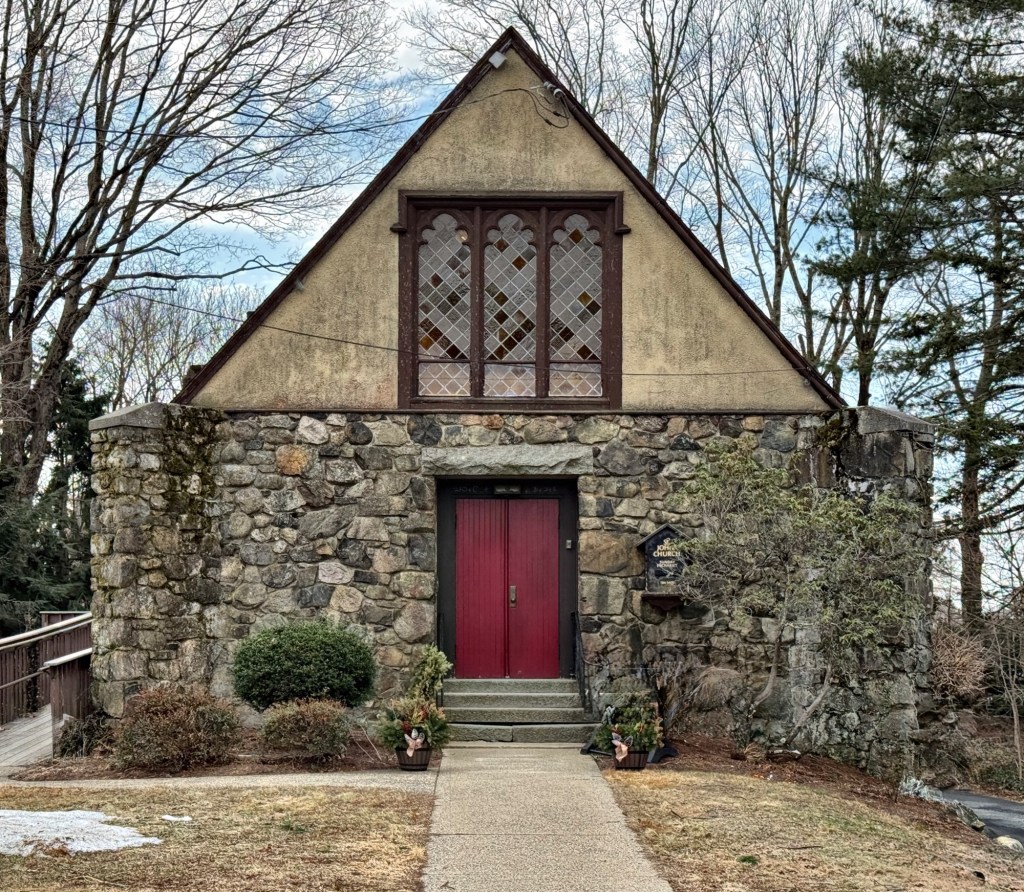
St. John’s Episcopal Church of Sharon // 1902

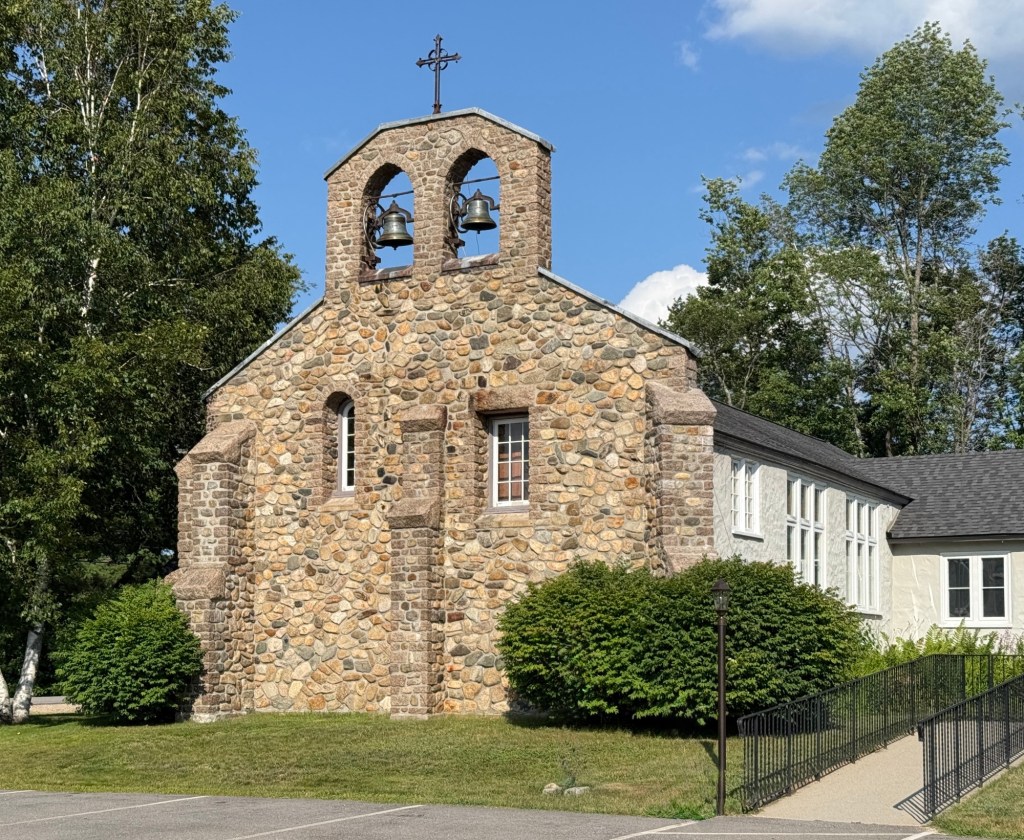
The small yet architecturally significant St. John’s Episcopal Church in Sharon, Massachusetts, was built in 1902 from plans by one of the premier ecclesiastical architects of the early 20th century. Episcopalians in Sharon began demanding their own house of worship in the late 19th century, and by the turn of the century, had funding to erect their own chapel. Boston-based architect, Ralph Adams Cram, of the firm Cram, Goodhue & Ferguson, designed the building, which fits within the scale of the residential neighborhood it is located within. St. John’s is an example of Neo-Gothic Revival architecture, a style which Cram became known for, with a fieldstone base, three feet thick, and stucco gabled facade above with tripartite windows with diamond-cut colored glass. The chapel was expanded at the rear, but maintains its rustic charm at the street.

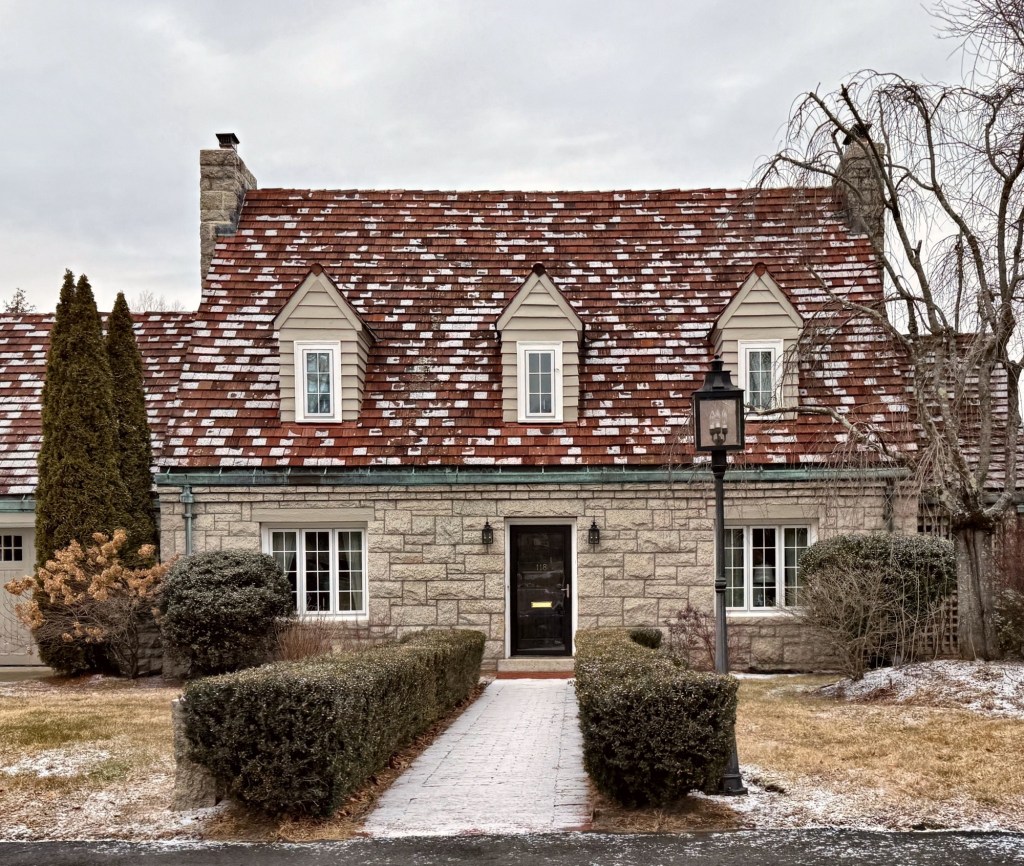
Dr. Byron Brown House // c.1930

Dr. Byron Freeman Brown (1902-1962) was born in Maine and was educated at Bowdoin College before moving to Boston for medical school. After he graduated, he married and accepted a position as a doctor at Milford Hospital, not far from Hopedale, Massachusetts. Dr. Brown and his wife, Veronica, had this cottage on Adin Street built around 1930. Distinguished by its stone veneer walls and steeply pitched red clay tile roof punctuated by dormers and symmetrical facade, the Dr. Brown House is a great example of a Colonial Revival style house with Arts and Crafts flair built in the inter-war period.

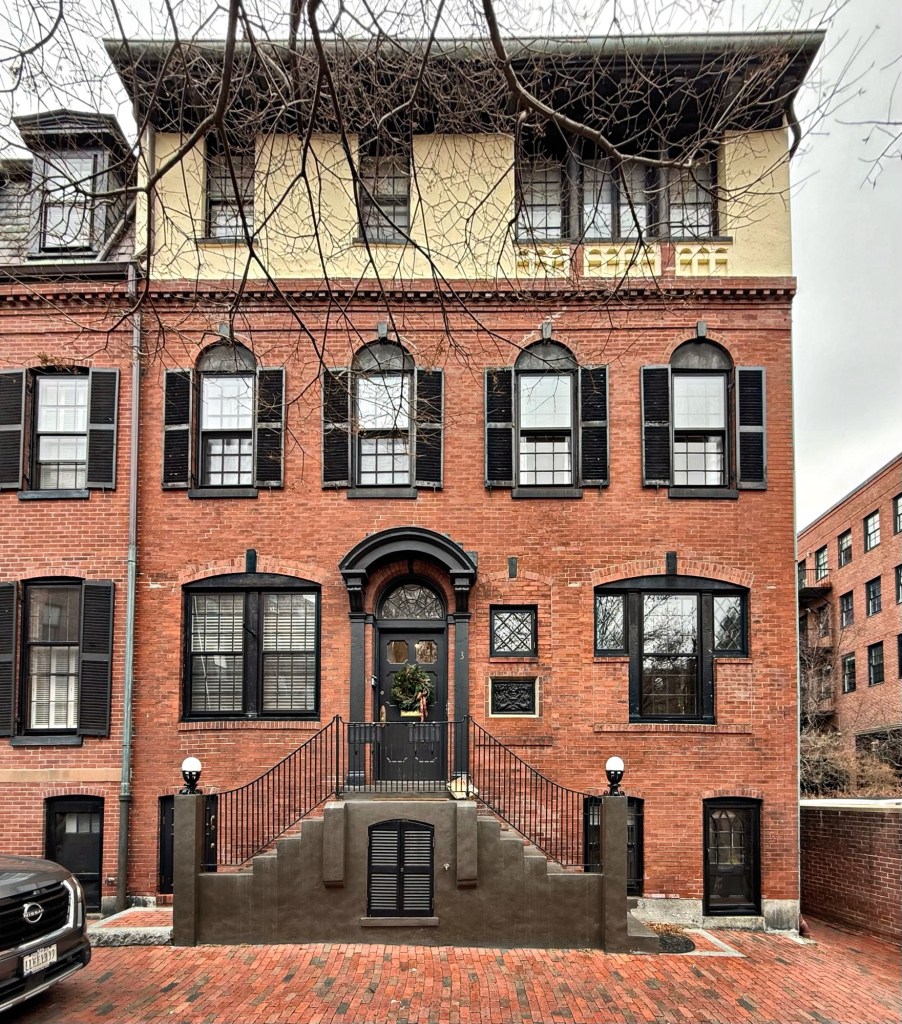
Braman-Cabot House // 1869

This charming residence is one of a few hidden houses tucked away on Mt. Vernon Square in Boston’s Beacon Hill. The small enclave of four houses with a stable was developed in 1869 by the partnership of builder Daniel Davies and Grenville T. W. Braman, a businessman turned real estate developer in the mid-late 19th century. The residence pictured is today known as 3 Mt. Vernon Square, but was once a double-house that was rented to families by Braman before they were sold off to separate owners. In 1903, Philip Cabot (1872-1941), a member of the wealthy Cabot Family of Boston, purchased both 3 and 4 Mt. Vernon Square and had the homes combined to a single-family home for his family. It is unclear who was hired as architect, but the property was renovated with a new central entrance, full third floor faced with stucco replacing the former mansard roof, diamond-pane and blind arched windows, and a decorative metal or cast-stone panel inlaid in the facade. Philip was married to Lucy Fuller but filed for divorce in 1910 after she deserted him according to local papers, and in 1911, she married Winthrop Ames, of the wealthy Ames Family of North Easton, Massachusetts. Philip Cabot also remarried, and sold the house on Mount Vernon Square to Frank Washburn Grinnell, a successful attorney.

Onteora Park Library // 1906

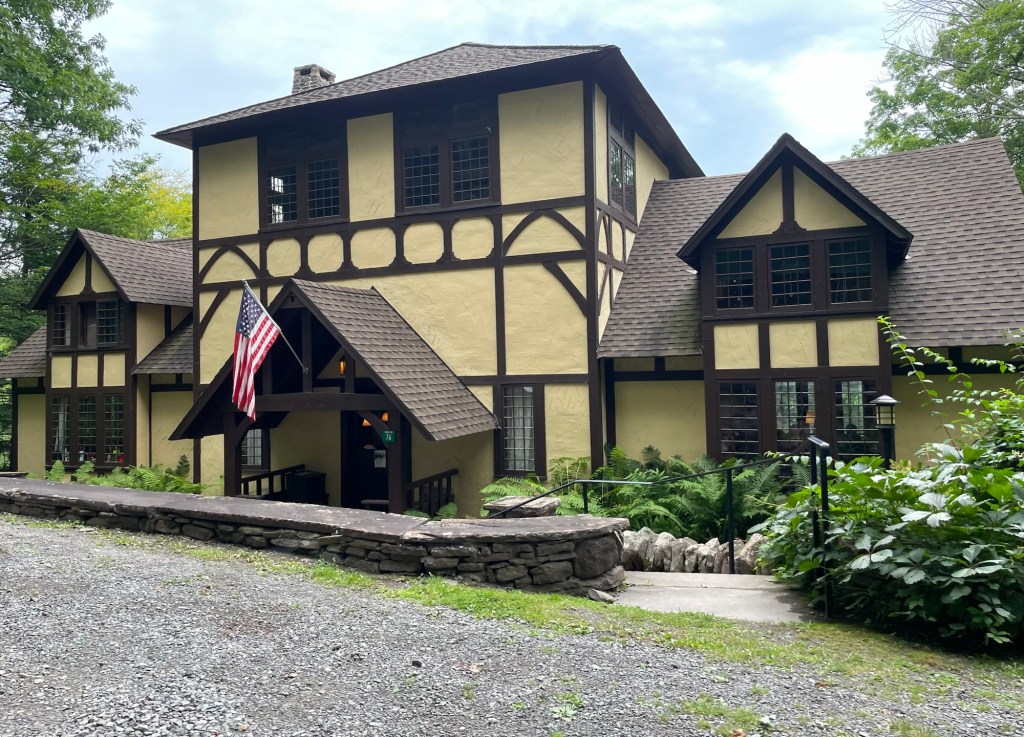
Built in 1906, the Library at the Onteora Park summer colony in Hunter, New York, is one of the many architectural treasures in the development. Designed by George A. Reid, the Canadian artist, architect, and summer resident of Onteora Park, the Tudor-style Arts and Crafts building was constructed in 1906 and opened to a collection of over 1,500 books and a full-time librarian during the summer season. Built of wood-frame construction with stucco exterior finish and adorned by half-timbering, the building has been lovingly maintained and preserved by members of the community for over 120 years.

Renton Whidden House // 1912

One of the finest Arts and Crafts style “cottages” in the Cottage Farm neighborhood of Brookline, Massachusetts, can be found on Ivy Street as the Whidden House. The property here was developed by Renton Whidden (1859-1942), a real estate developer and politician elected into the Massachusetts House of Representatives, who purchased a house lot from Thomas B. Hall, who owned a house next door. Renton Whidden hired architect, Arthur Hunnewell Bowditch, to furnish plans for the large home, which was completed in 1912. The stucco house features a brick entrance with projecting roof off the front, a unique twin gabled facade, segmental arched dormers, and a Palladianesque window and balconette above the front door.

Harry W. Cotton House // 1905

In 1905, George H. Cotton and his wife, Cora S. Cotton, purchased a house lot on Amory Street in Brookline and hired famed architect, William Gibbons Rantoul, to design this home for their son and daughter-in-law. George Cotton was a manufacturer of brass tubing and also the founder of the Belmont Springs Water Company and maintained homes in the Back Bay of Boston and in Belmont. His son, Harry W. Cotton, also worked for the American Tube Works and lived in this home with his family. The Cotton House is an architectural blending of Dutch Renaissance Revival and Arts & Crafts styles. The stucco siding and entry portico are in the Craftsman style, while the prominent Flemish gable on the central pavilion and round arched pediments for the dormers are in the Flemish mode.