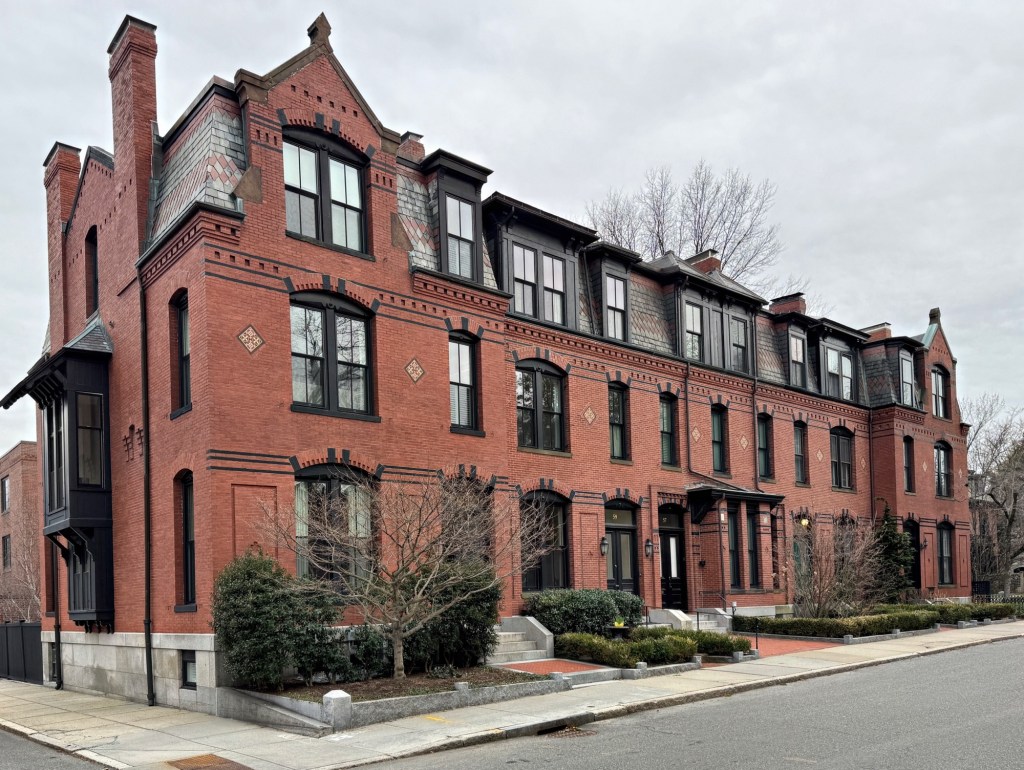
Amos Lawrence Rowhouses // c.1877

53-61 Monmouth Street

Amos A. Lawrence (1814-1886), a wealthy Boston merchant, owned land holdings in the present-day Longwood neighborhood of Brookline, just over the Muddy River from Boston, and developed the area into a wealthy and high-quality suburb. Lots were laid and Lawrence hired civil engineer, Ernest Bowditch, to plat for multiple sets of distinctive rowhouses surrounding a small green mall, which was later named Monmouth Court. Once the property was laid out, Amos Lawrence hired the Boston architects, J. Pickering Putnam and George T. Tilden, to design rowhouses for rental income. George Tilden was previously employed at the firm of Ware & Van Brunt, a firm that mastered and popularized the panel brick style in the Boston area in the 1870s and 1880s, and he clearly built upon this expertise for the rows for Amos Lawrence in Brookline. All four rows of houses are distinctive, yet compliment eachother stylistically with projecting bays. intricate brickwork, complex rooflines with dormers, and applied ornament. These two rows on the western side of Monmouth Court at 53-61 Monmouth Street and 19-27 Monmouth Court, were also likely the work of Putnam and Tilden, who practiced jointly for a couple years but published their work separately. Stylistically, the two Monmouth Street rows appear to be of the same architect, George Tilden with identical tilework and elements, and the two Monmouth Court rows as the work of Putnam with polychromatic segmental arches over the windows.
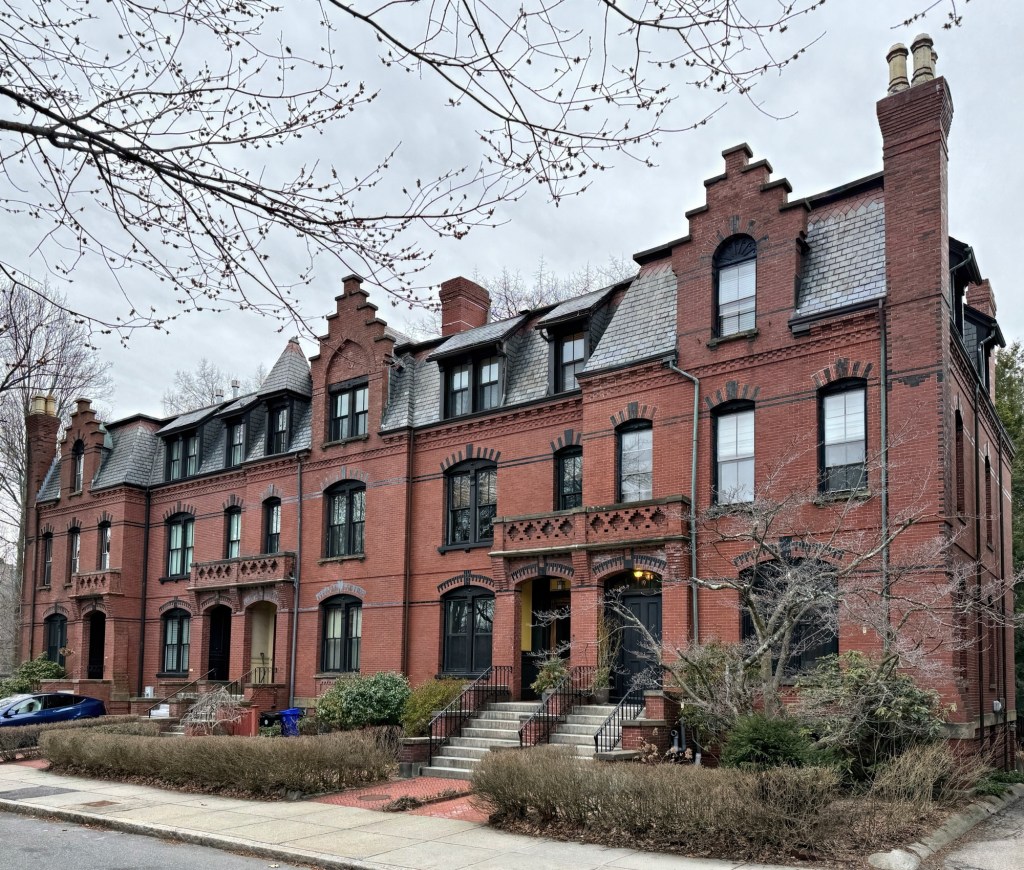
19-27 Monmouth Court

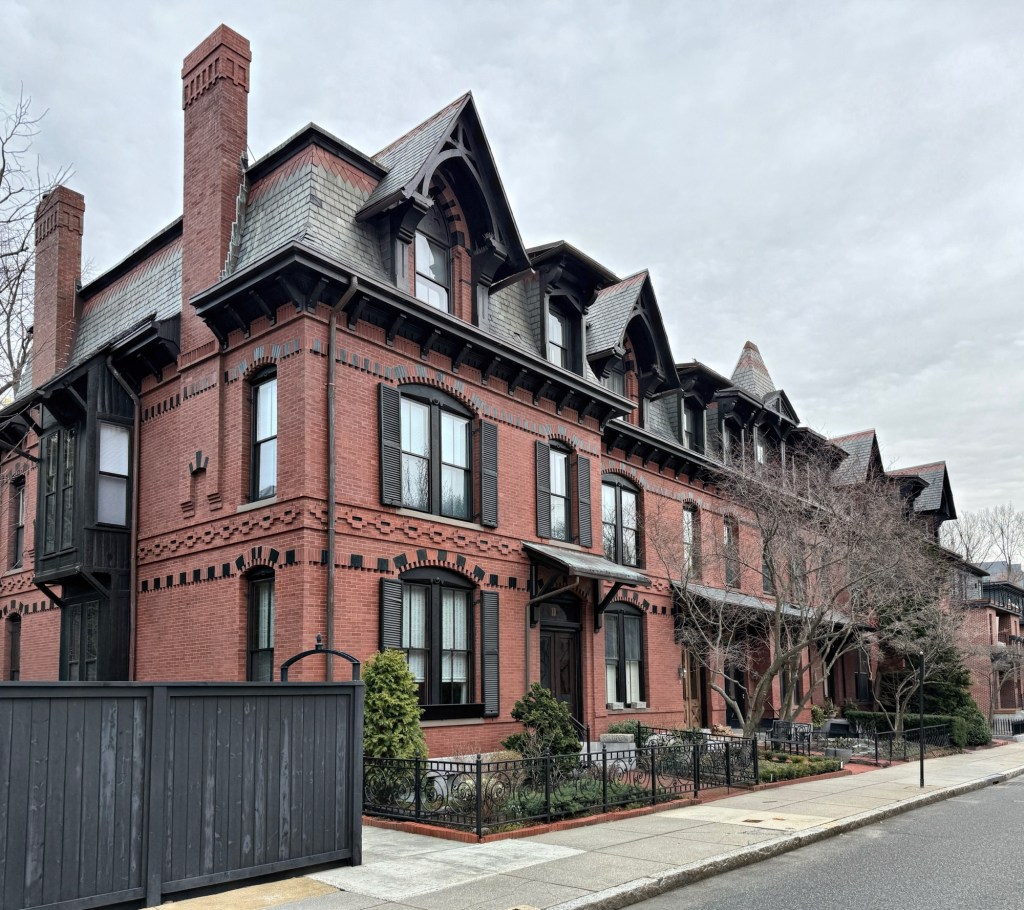
Amos Lawrence Rowhouses // 1876

Amos A. Lawrence (1814-1886), a wealthy Boston merchant, owned land holdings in the present-day Longwood neighborhood of Brookline, just over the Muddy River from Boston, and developed the area into a wealthy and high-quality suburb. Lots were laid and Lawrence hired civil engineer, Ernest Bowditch, to plat for multiple sets of distinctive rowhouses surrounding a small green mall, which was later named Monmouth Court. Once the property was laid out, Amos Lawrence hired the Boston architects, J. Pickering Putnam and George T. Tilden, to design rowhouses for rental income. George Tilden was previously employed at the firm of Ware & Van Brunt, a firm that mastered and popularized the panel brick style in the Boston area in the 1870s and 1880s, and he clearly built upon this expertise for the rows for Amos Lawrence in Brookline. All four rows of houses are distinctive, yet compliment each other stylistically with projecting bays. intricate brickwork, complex rooflines with dormers, and applied ornament. This row at 10-18 Monmouth Court was from the designs of partner, J. Pickering Putnam and was highlighted in an architectural publication soon after completion. The row exhibits a slate mansard roof disrupted by dormers with trusses, lancet arch and trefoil motifs, polychromatic brick and pent roof entrances all stepping out to the private courtyard.

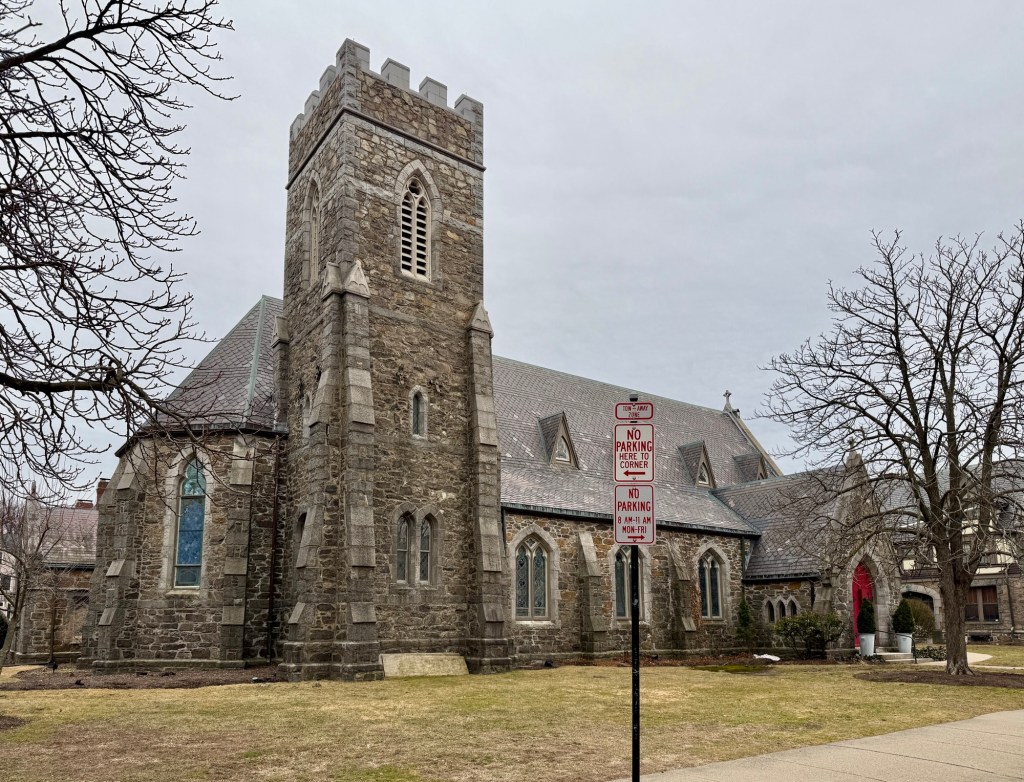
Church of Our Saviour, Brookline // 1868

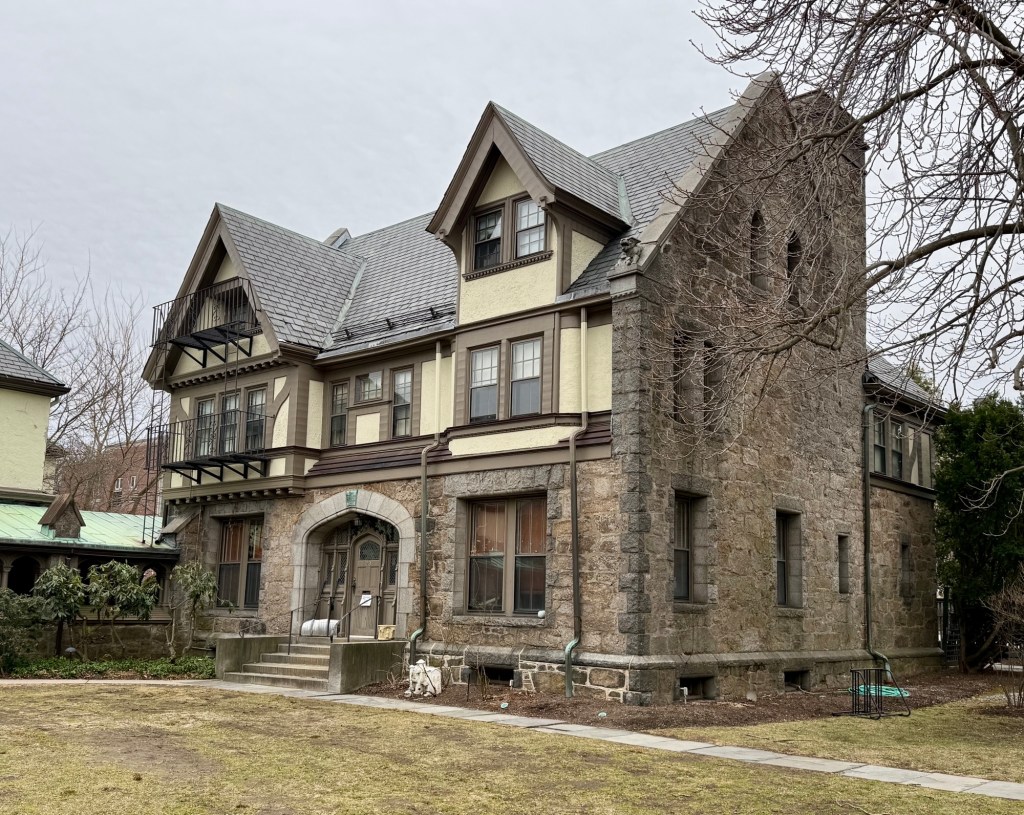
The Church of Our Saviour of Brookline, Massachusetts, is an architecturally and historically significant church complex in the Longwood neighborhood that has ties to those who established this neighborhood into what it is today. The church was built in 1868 by the brothers Amos and William Lawrence, in honour of their father, Amos Lawrence. The church was established by twelve established Boston-area families who wanted to grow the Episcopal diocese in the area. They hired architect, Alexander Rice Esty, who designed the building in the Gothic style, and it was completed in February 1868. The church was expanded numerous times with a transept chapel designed by the firm Sturgis and Cabot (1893) to the memory of Sarah Appleton Lawrence (wife of Amos A. Lawrence); a parish hall designed by the firm of Cabot and Chandler (1880); and a rectory, designed by architect Arthur Rotch (1886). The church remains an active congregation and is lovingly preserved by the congregants.

Rectory

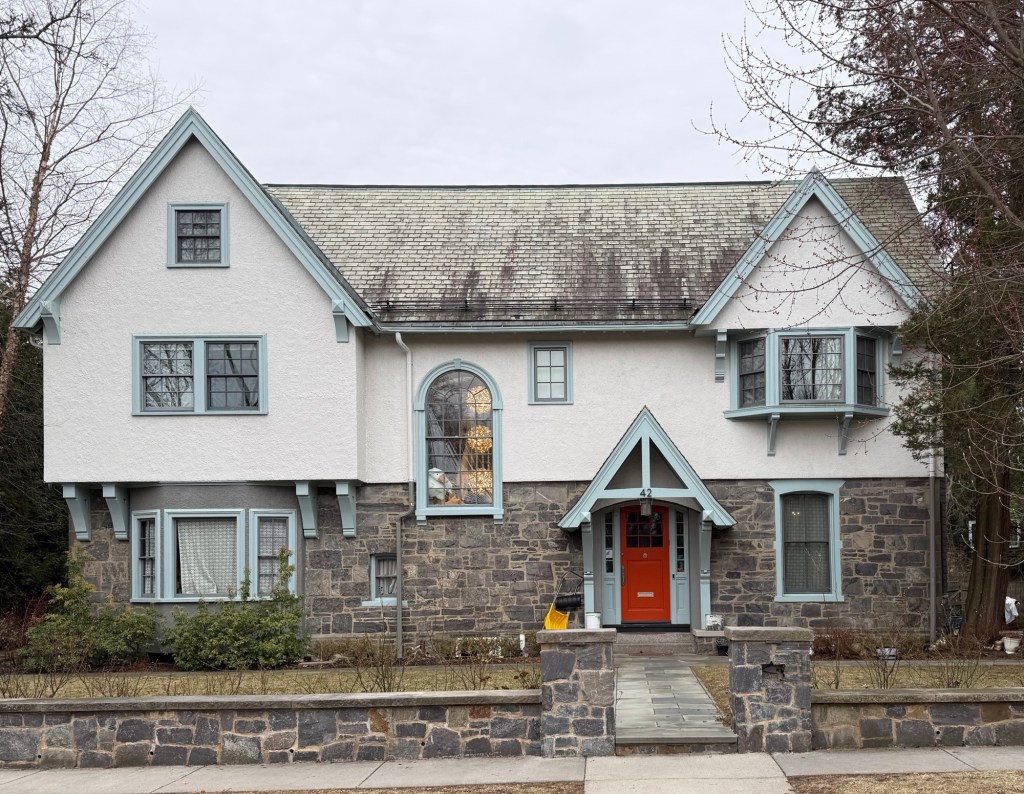
Adolph and Marion Ehrlich House // 1906

The Adolph and Marion Ehrlich House on Beech Road in Brookline’s Longwood neighborhood is a stunning blend of Arts and Crafts and Tudor Revival styles, popular in early 20th century Boston suburbs. The house was designed by the firm of Andrews, Jaques and Rantoul, for Adolph Ehrlich (1868-1952) and Marion Ratchesky Ehrlich (1877-1966). Adolph was born in Boston and at the age of 11, began work in the textile business. He climbed the ranks and became a partner in a clothing company before becoming a director of the Jordan Marsh Department Store Company from 1925 until his death in 1952. His wife Marion was heavily involved in social causes until her death, including the Louisa May Alcott Club, a settlement house in Boston for young, predominantly immigrant girls.

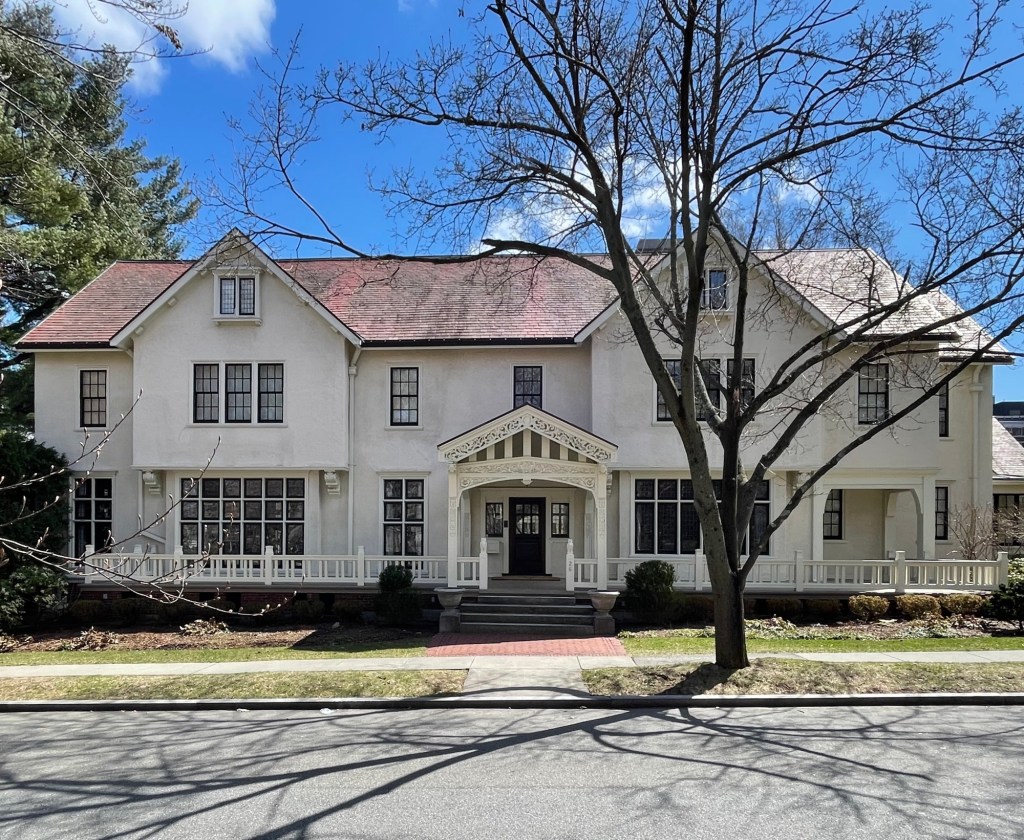
Gahm House // 1907

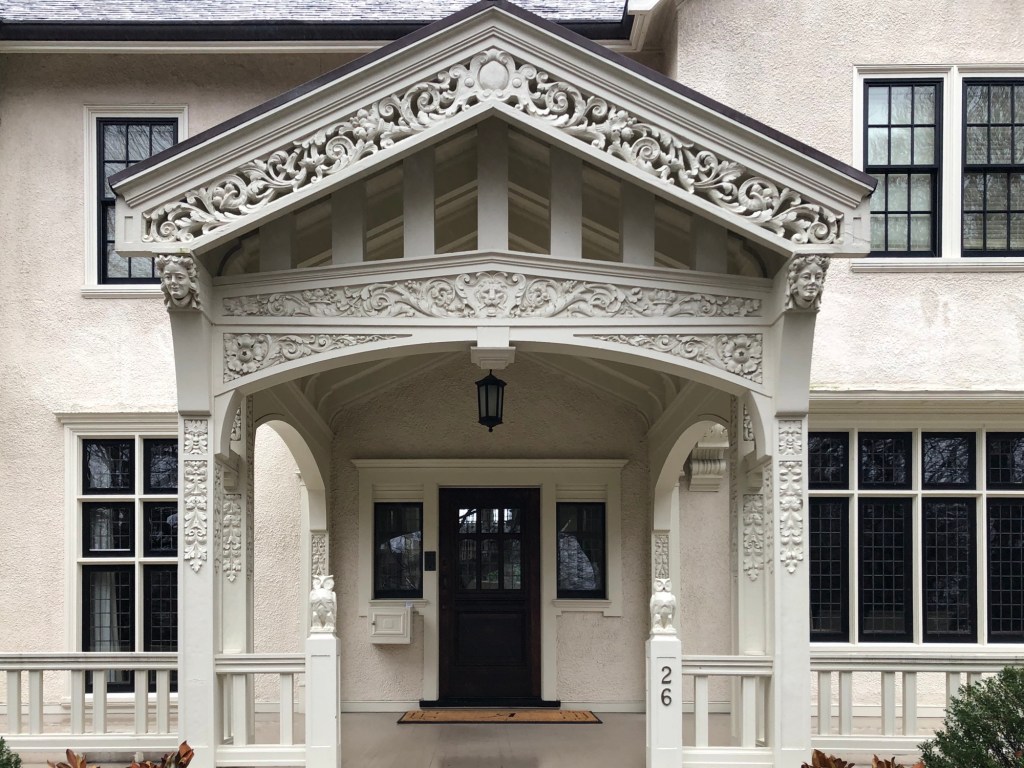
Located in the Longwood neighborhood of Brookline, Massachusetts, the Gahm House stands out not only for its size, but stunning details and architectural design. This house was designed in 1907 by the architectural firm of Hartwell, Richardson & Driver, one of the premier firms of the region at the time, who blended Arts and Crafts with Tudor Revival styles with a notable front entry. Joseph and Mary Gahm hired the firm to design their new home the same year the firm designed a bottling plant (no longer extant) in South Boston for Mr. Gahm’s business. Joseph Gahm was a native of Wurtemberg, Germany, who emigrated to Boston in 1854 and initially worked as a tailor. In the early 1860s, Gahm opened a restaurant in Charlestown, by the late 1860s he added a small bottling operation to this business. The bottling business soon expanded to such an extent that he was able to give up the restaurant business and open a large bottling plant in 1888. He eventually moved operations to South Boston where there was more room for transportation and shipping capabilities. Their stuccoed house in Brookline is especially notable for the well preserved carvings at the entrance, which include: faces, floral details, lions, and owls perched atop the newel posts. What do you think of this beauty?

Eisemann Mansion // 1905

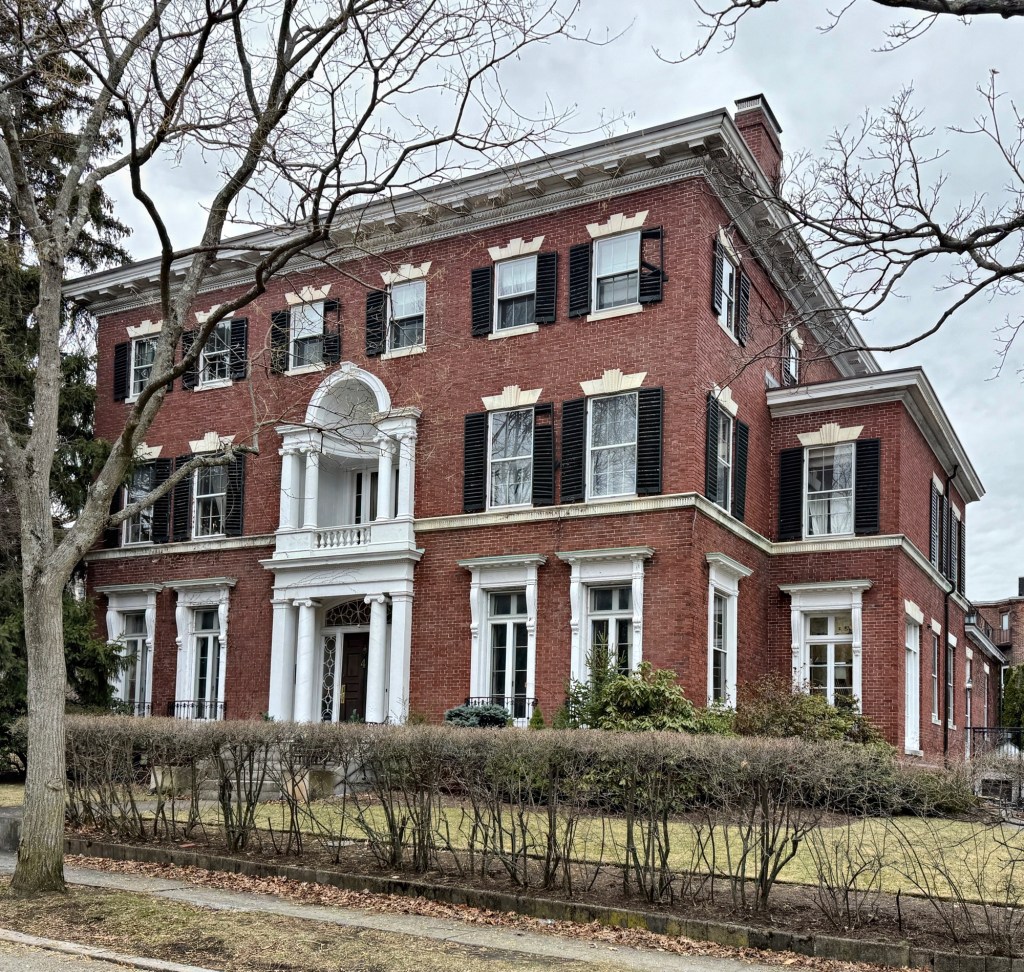
Among the area’s best examples of a high-style Colonial Revival residence of the early 20th century, the Eisemann Mansion on Monmouth Street in Brookline’s Longwood neighborhood stands out not only for its scale and massing, but unique architectural details. The dwelling was built in 1905 for Selly and Albert Eisemann, both German-born Jews who immigrated to the United States and originally lived in New Mexico before moving to Brookline in their retirement. Albert was a retired wool merchant, and clearly made a name for himself out west, hiring local architect, James Templeton Kelley, to furnish plans for his large mansion in Longwood. With a boxy form and five bay facade (with six smaller windows at the third floor), the center-hall mansion is notable for its elaborate first-floor windows with individual cornices, recessed entry set between Ionic columns, and recessed niche balcony over the entry as a unique interpretation of a Palladian motif. 

Harrison Gardner House // c.1873

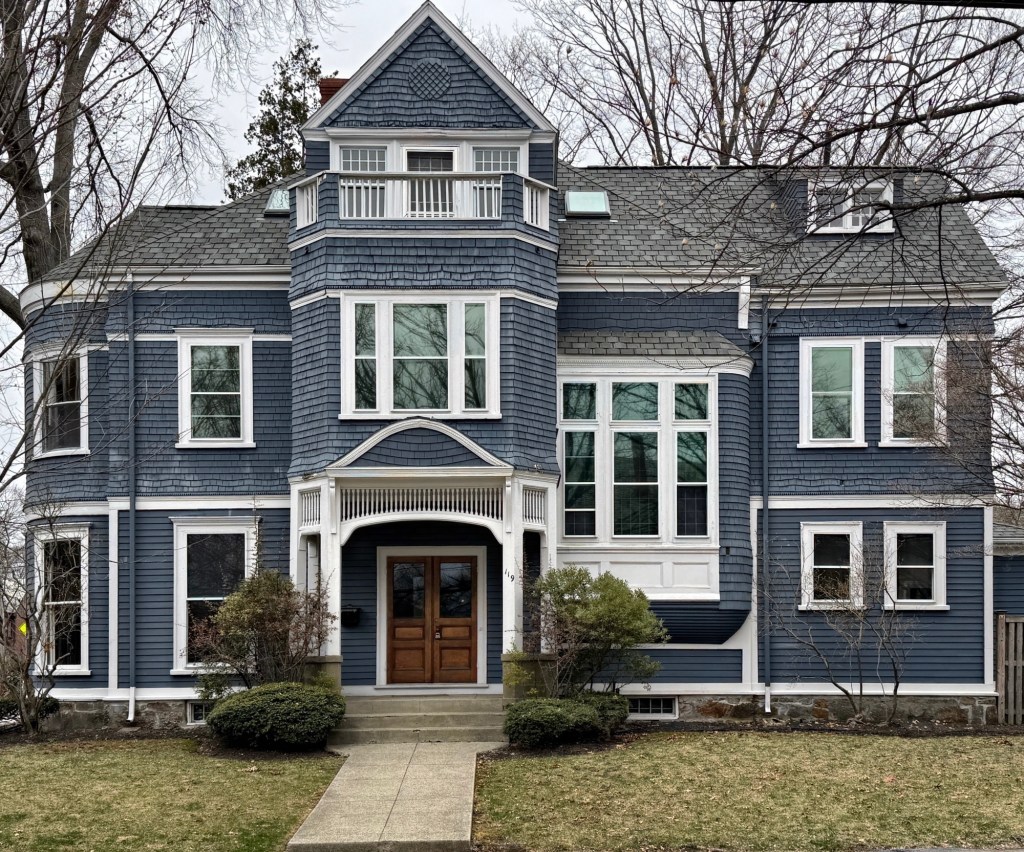
The Harrison Gardner House on Colchester Street in the Longwood section of Brookline is a stunning late Victorian residence that was “modernized” in 1887 to its current configuration. Harrison Gardner (1841-1899) was a Civil War veteran who arrived back in Boston becoming a wealthy dry goods wholesaler, later investing in Massachusetts mills. On January 20, 1871, Harrison was a founder and treasurer of the Boston Red Stockings of the new National Association of Professional Base Ball Players (NABBP). The team’s name  changed multiple times, eventually landing on the Boston Braves, which would later move to Atlanta to become the Atlanta Braves in the MLB. With increased wealth and status, Harrison Gardner in 1887, hired the prestigious architectural firm of Hartwell and Richardson, to update his Brookline residence with additions and renovations in the Queen Anne and Shingle styles. Years after his death in 1899, Harrison’s widow, Laura Perkins Harrison, moved out of the large Longwood home and into a new, Arts and Crafts style stucco residence on Amory Street, designed by William Gibbons Rantoul.

George Wightman Mansion // 1902

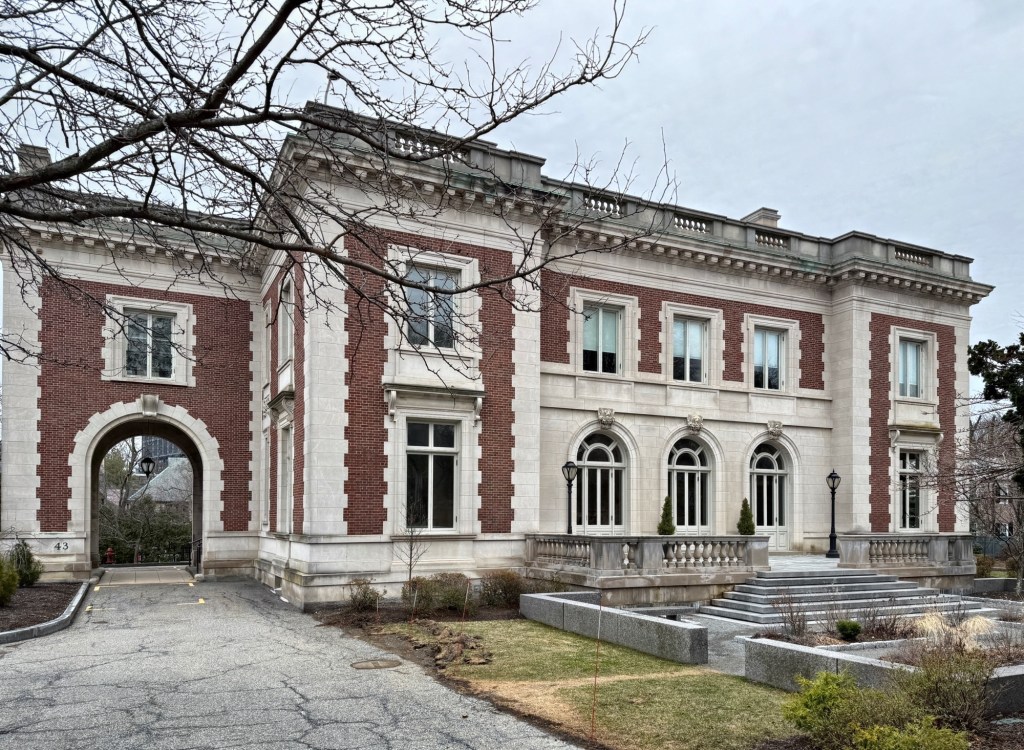
Tucked within the historic Longwood neighborhood of Brookline, the George Wightman Mansion stands as a striking reminder of turn-of-the-century wealth and architectural ambition. The mansion was built in 1902 for industrialist George Henry Wightman (1855-1937), a steel magnate associated with Andrew Carnegie and was known as one of the “Carnegie Boys“, a close-knit and influential group of partners and executives who managed Carnegie Steel. Wightman retired around the time of building his Brookline house, which coincided with the formation of U.S. Steel, a merger which benefitted the Carnegie Corporation and its partners handsomely. With his expansive wealth and eyes set on retirement, George Wightman hired the prominent firm Shepley, Rutan & Coolidge, to design his new mansion to live out the remainder of his life in solitude. The brick and stone Renaissance Revival/Beaux Arts style mansion sits atop large, elegantly landscaped grounds and is of a scale unlike anything else in the neighborhood. George H. Wightman was also known as the “Father of American Lawn Tennis” and his only son, George W. Wightman also played tennis at a high level. It was George W. Wightman’s wife however, who became a champion. She was Hazel Hotchkiss Wightman, who won 45 U.S. titles during her life and founded the Wightman Cup, an annual team competition for British and American women from 1923 to 1989. Over time, the mansion’s role evolved alongside the community. After Wightman’s death in 1937, it transitioned from private home to institutional use, notably housing the Boston Hebrew College beginning in 1952, adding onto the building to the rear, and later becoming part of Boston University, serving as event space for the University. 

McInnes-Morse House // 1901

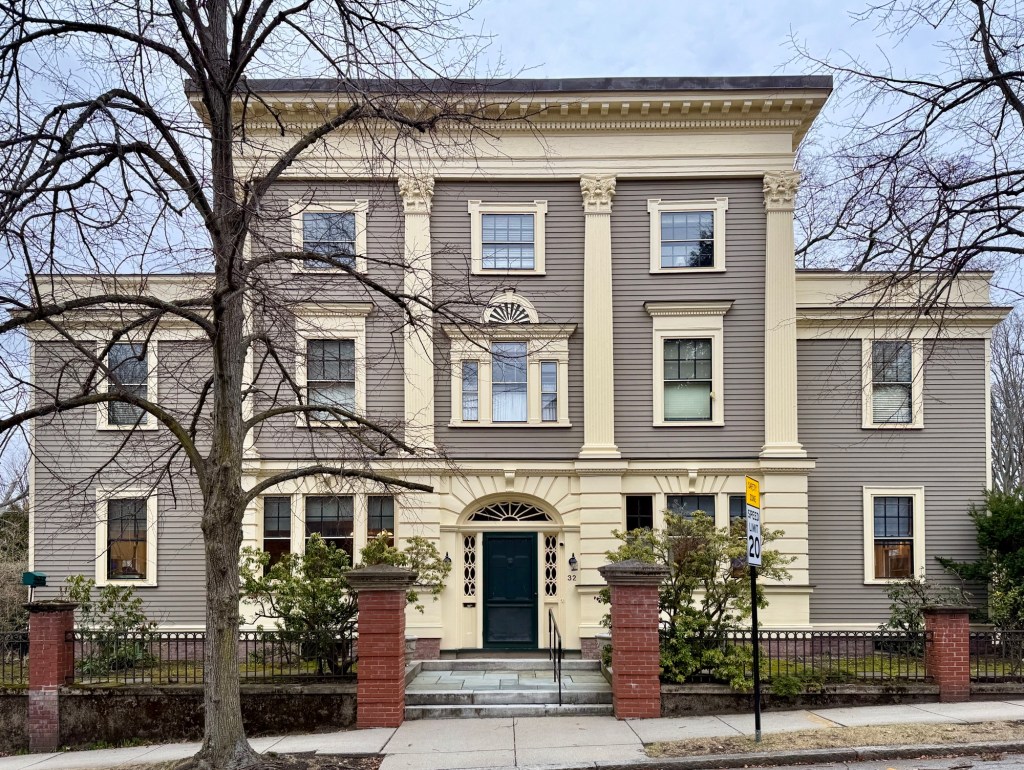
Located at the corner of Borland and Chatham streets in Brookline’s historic Longwood neighborhood, the McInnes-Morse House stands as one of the area’s finest and stately Colonial Revival style homes. The three-story residence contains a three-bay main block with two-story side wings and central entrance. A rusticated first floor is surmounted by clapboarded walls above with two-story fluted pilasters dividing the bays and a central Palladian window. The facade is further embellished with dentilled cornice and egg-and-dart mouldings. The residence was completed in 1901 for Edwin G. McInnes, a lawyer, and his wife, Mabel, who split their time between this home and a residence in Manchester-by-the-Sea. The second owners were Theresa J. Morse and her husband, Alan. Theresa worked full-time at the regional office of the War Labor Board in wage control, processing cases involving the metal trades and wartime industries. After the war, she became active in the League of Women Voters and was appointed to the Brookline Housing Authority, where she advocated for smaller-scale public housing integrated with social services. The residence remains well-preserved and commands this prominent corner across from the Longwood Mall. I could not locate the architect for the home, but would love to find out!

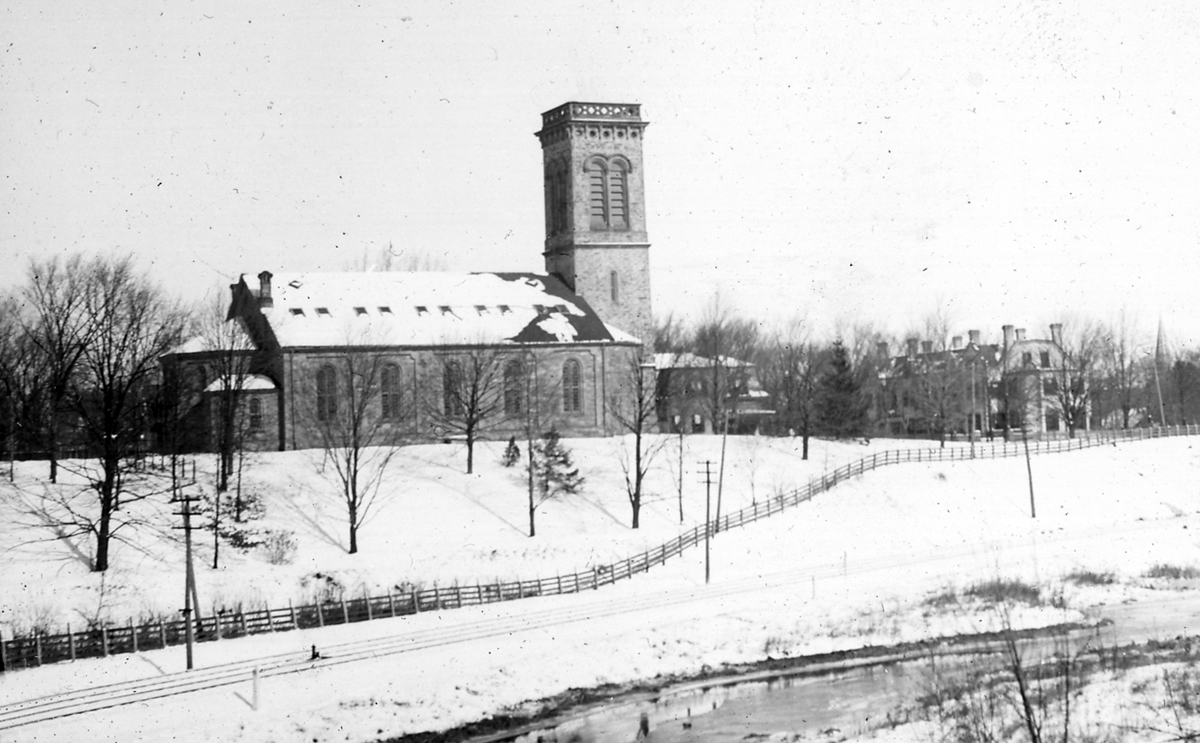
Sears Chapel, Longwood // 1860

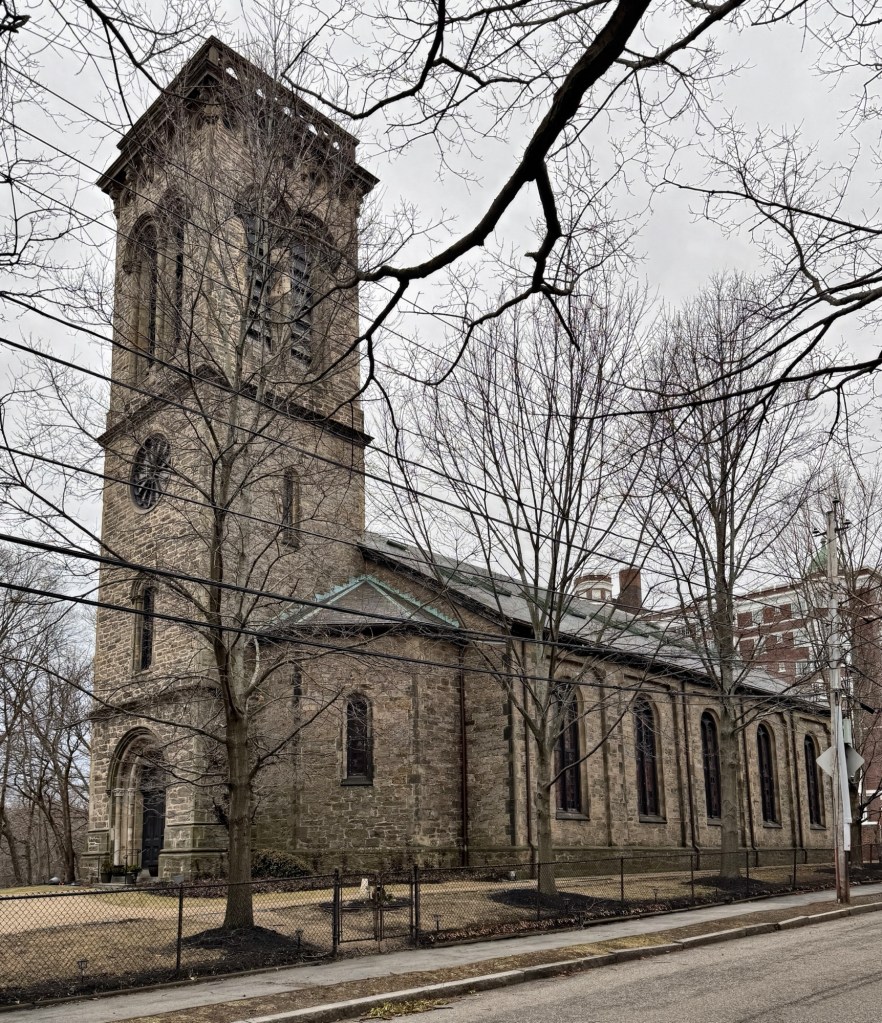
Christ’s Church in Longwood, better known as Sears Chapel, is among the finest ecclesiastical buildings in Brookline and commands its site on a rise overlooking the Muddy River, now the Riverway in the Emerald Necklace park system. The area presently known as Longwood was originally marshland with a few farms until the building of the Mill Dam road out of Boston in 1821 that improved access to Brookline, which opened up its connectivity and development potential. Wealthy Boston businessman, David Sears (1787-1871) recognized this, and began buying the low-lying pasturelands in Brookline near the Boston border. By 1830, some squares were laid out and development began in the Cottage Farm and Longwood sections. He, with associates, began building country estates for friends and family to escape the crowded conditions of Boston. He is said to have named his neighborhood “Longwood”, after Napoleon’s estate on St. Helena where he spent his days in exile. An avid amateur horticulturist, Sears planted some 14,000 trees, many of them imported from Europe, in the course of developing his land. In keeping with his faith, Sears built this house of worship, Christ’s Church, which is said to have been modeled after St. Peter’s in Colchester England, likely giving Colchester Street, where Sears Chapel is located, its name. The Romanesque style church was designed by Boston architect, Arthur Gilman, who designed the building suitable for the Sears Family crypt which is underneath the structure and the burial site of many of the family. The congregation remains active to this day who maintain the significant structure and its many historic stained glass windows.

Amory-Richards House // 1865

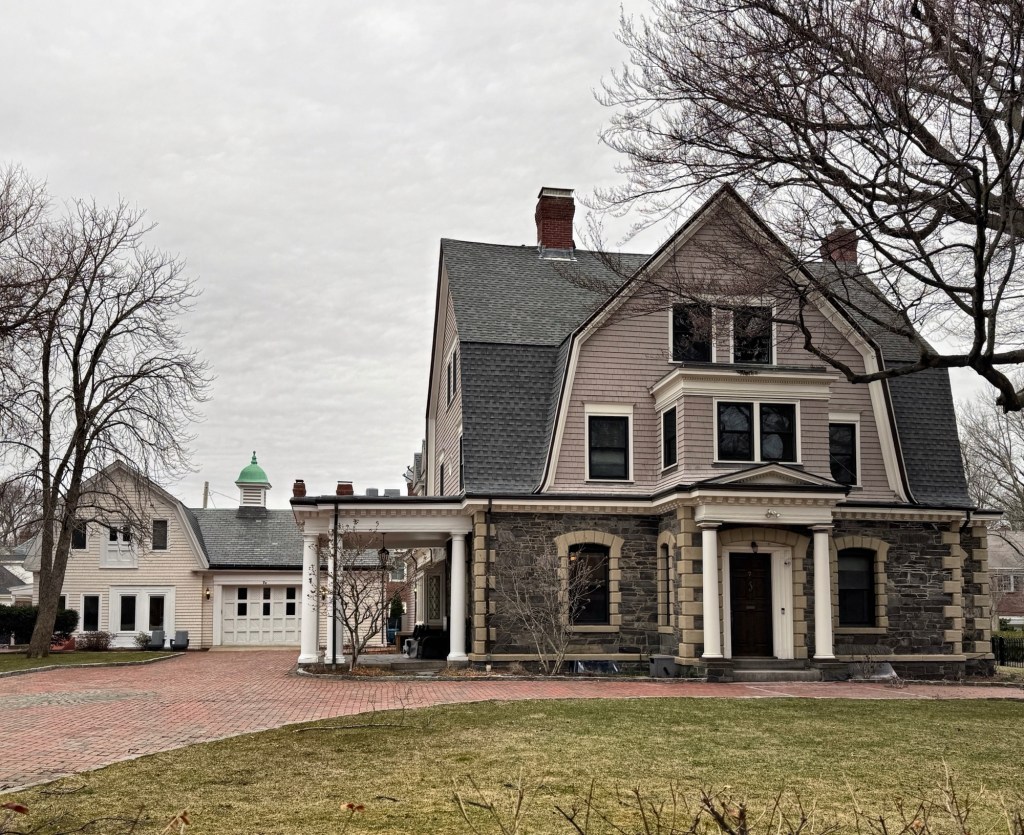
Built in 1865 along with its neighbor and later renovated in the Colonial Revival style, the Amory-Buckingham House on Colchester Street stands as an altered, yet historically significant residence in Brookline’s important Longwood neighborhood. A large lot on Colchester Street was purchased by Dr. Robert Amory (1842-1910), who in 1864, married Marianne Appleton Lawrence (1843–1882), daughter of Amos Adams Lawrence, a major developer of the nearby Cottage Farm neighborhood of Brookline. This stone cottage, one of two neighboring homes built at the same time for Dr. Amory was likely his main residence when not residing at his Boston townhouse or summer residence in Bar Harbor, Maine. The property was sold by the end of the 19th century to Edwin Buckingham and in 1902 to George L. Richards, who had the home expanded with an additional floor added with gambrel roof. A detached stable was also constructed around this time.

Amory-Boit House // 1865

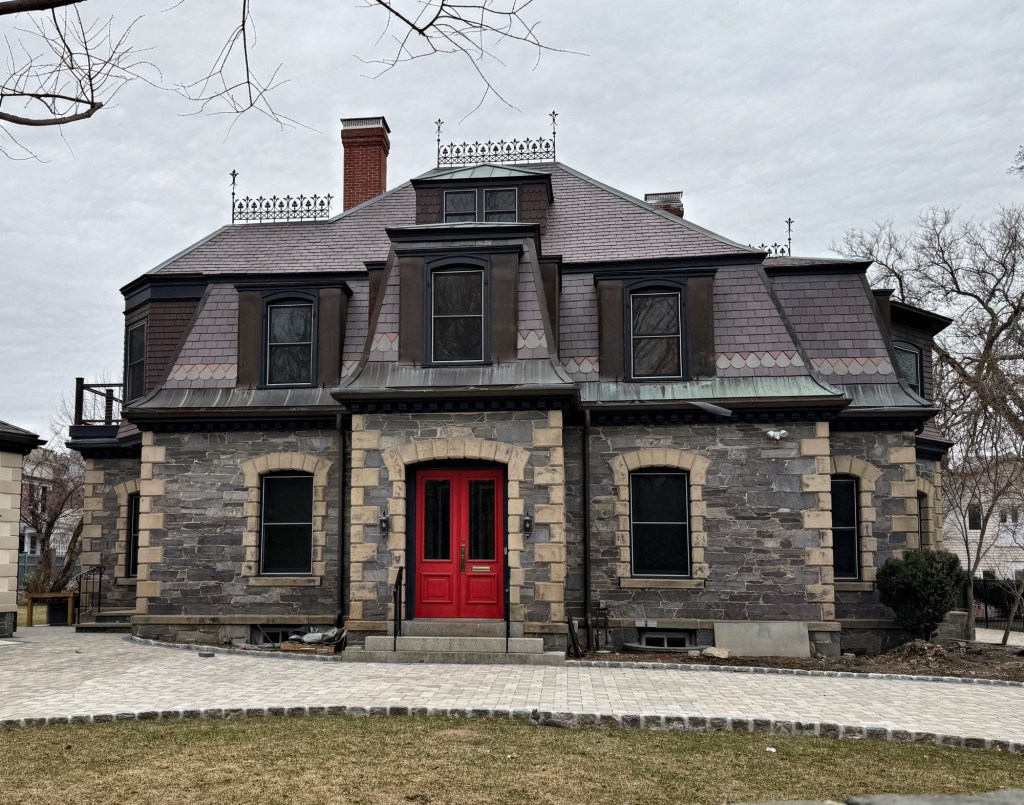
Built in 1865, the Amory-Boit House on Colchester Street in Brookline‘s exclusive Longwood neighborhood, is a stunning Second Empire style home with connections to prominent local families. The residence has a one-story stone base which meets the slate mansard roof providing two-and-a-half stories above which are crowned by iron cresting at the peak of the roof. The property was one of the early homes built in the area, developed by David Sears, one of the wealthiest property owners in Boston, who recognized the potential for development of this marshy area of Brookline due to its close proximity to the city. A large lot on Colchester Street was purchased by Dr. Robert Amory (1842-1910), who in 1864, married Marianne Appleton Lawrence (1843–1882), daughter of Amos Adams Lawrence, a major developer of the nearby Cottage Farm neighborhood of Brookline. This stone cottage, one of two neighboring homes built at the same time for Dr. Amory, was likely rented to friends and family with the other as his primary country house. This home was later sold to real estate and insurance businessman and author Robert Apthorp Boit (1846-1919). Robert Boit published the novel, Eustis in 1884 and his family history, Chronicles of the Boit Family and Their Descendants, in 1915. The home and its neighbor had been undergoing renovations for a while and are located within a local historic district.

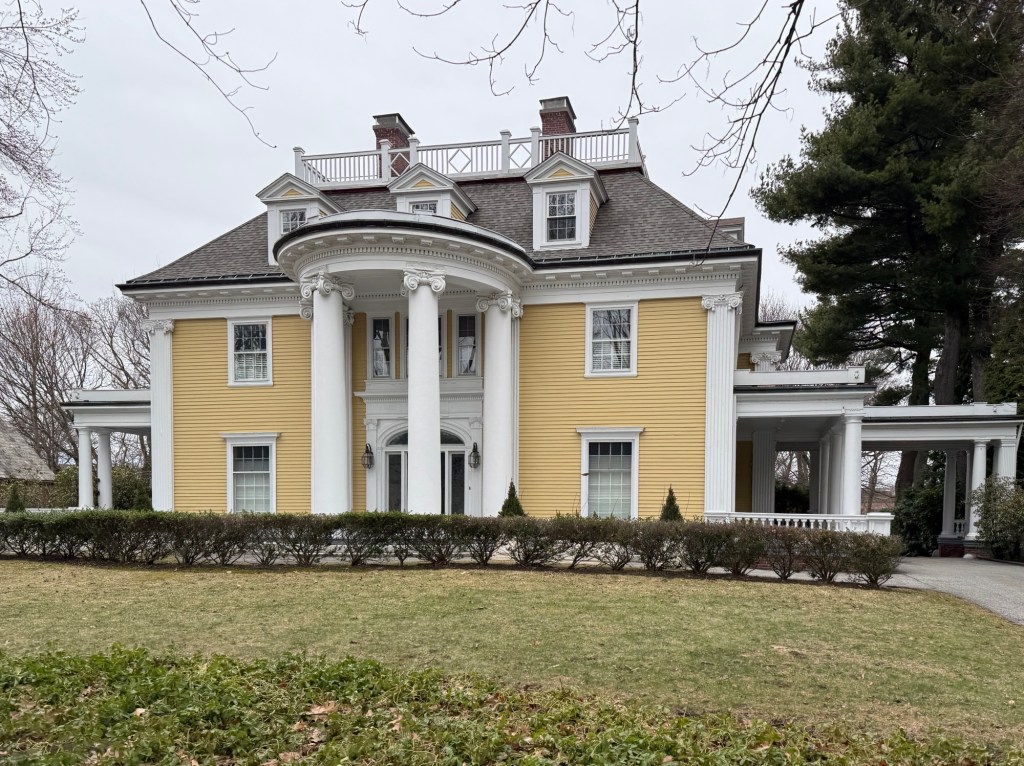
Silas Peavy House // 1905

Silas Peavy (1858-1939) was born in Waterville, Maine, and with his brothers, Gustavus and Leopold, worked at his father’s clothing and merchandise store. The family moved to the Boston area and established J. Peavy and Brothers, continuing the family business in Boston with locations in New York. In 1904, Silas Peavy purchased a house lot on Kent Street and hired the architectural firm of Hartwell & Richardson to design a house there for his family. Peavy likely moved to this neighborhood as it became a Jewish enclave around the turn of the 20th century. The Silas Peavy House is an excellent example of the Neo-Classical style with symmetrical facade, porte cochere on the side, and monumental elliptical portico supported by two-story Ionic columns.

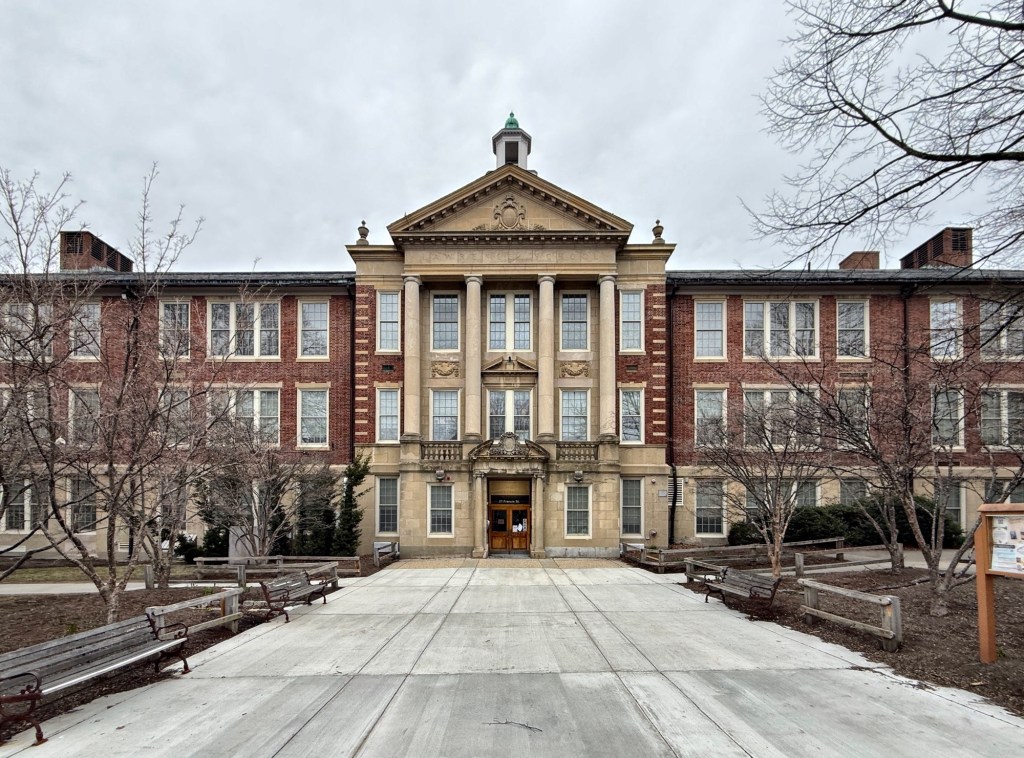
Lawrence School // 1929

The Lawrence School in Brookline, Massachusetts, is a stunning example of a public school building built in the interwar period in the Colonial Revival architectural style. Constructed in 1929, the building replaced an earlier, Stick/Queen Anne style school designed by the firm of Peabody & Stearns. The school is named after Amos A. Lawrence (1814-1886) a prominent local landowner in Brookline. When the earlier school building was outgrown and deemed obsolete, planning began for a new, modern school building for the community. The new Lawrence School was designed by R. Clipston Sturgis a notable local architect who specialized in the Colonial Revival style, and opened in September 1930. The handsome brick building is in the form of a long rectangular block with two perpendicular wings at each end. At the center of the main block is the principal entrance with its columned portico on a projecting pavilion all in cast stone, a cheaper alternative that resembles limestone.

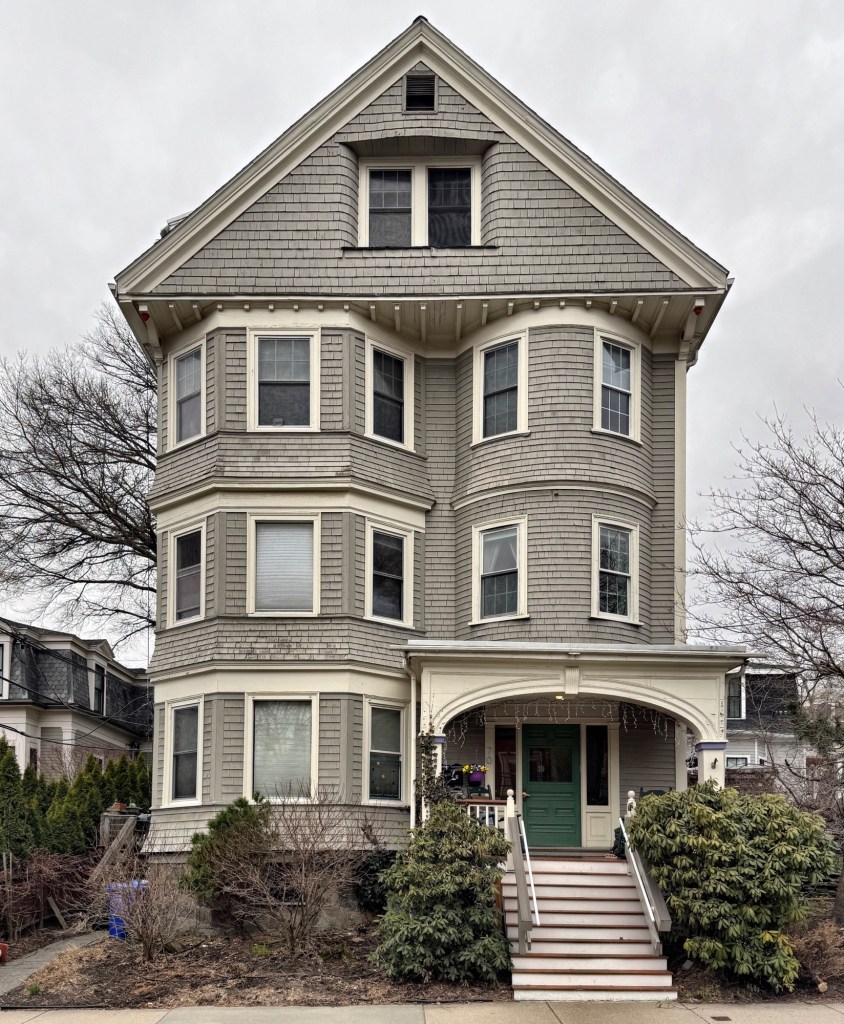
Mary E. Paul Triple Decker // 1898

The Triple Decker is a popular housing form that between 1880 and 1930, saw an estimated 15,000 examples built in Boston and surrounding cities. The unique construction of three flats stacked on top of eachother provided density and lowered housing costs for three families and supplying the housing needs of huge numbers of new immigrants and working class families, providing an important path to homeownership. Often, a family could purchase a property, building a triple decker and could live in one unit while renting the others to pay for the mortgage and taxes, providing upward mobility for those who so long were priced out of owning their own home. By the late 19th century however, strong and organized pushback against the housing type occurred, led by groups like the Immigration Restriction League, who were “convinced that Anglo-Saxon traditions, peoples, and culture were being drowned in a flood of racially inferior foreigners from Southern and Eastern Europe,” sound familiar? Led by Prescott Farnsworth Hall, a Brookline resident, the group advocated to limit immigration from areas they deemed “lesser” and locally, fought to ban the construction of triple deckers in Massachusetts, ultimately succeeding in part when in 1912, Massachusetts passed a law allowing cities and towns to ban triple deckers by preventing construction of any ‘wooden tenement’ in which ‘cooking shall be done above the second floor. While major catastrophic fires like the Great Chelsea Fire of 1908 were fresh in people’s minds, a leading cause for the legislation was likely to limit upward mobility of groups of people from owning real estate. The Mary E. Paul Triple Decker, pictured here, was built in 1898 in the Shingle style, contributing to the rich architectural and social character of the surrounding neighborhood.