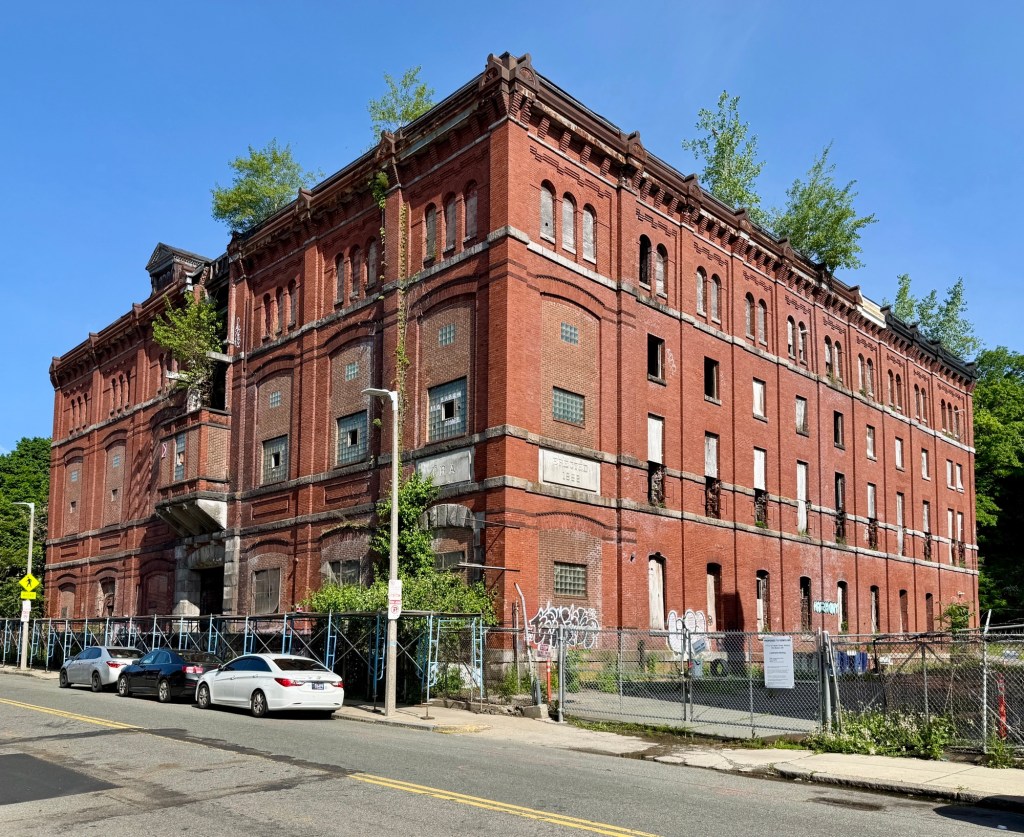
This iconic Boston building is threatened with demolition!
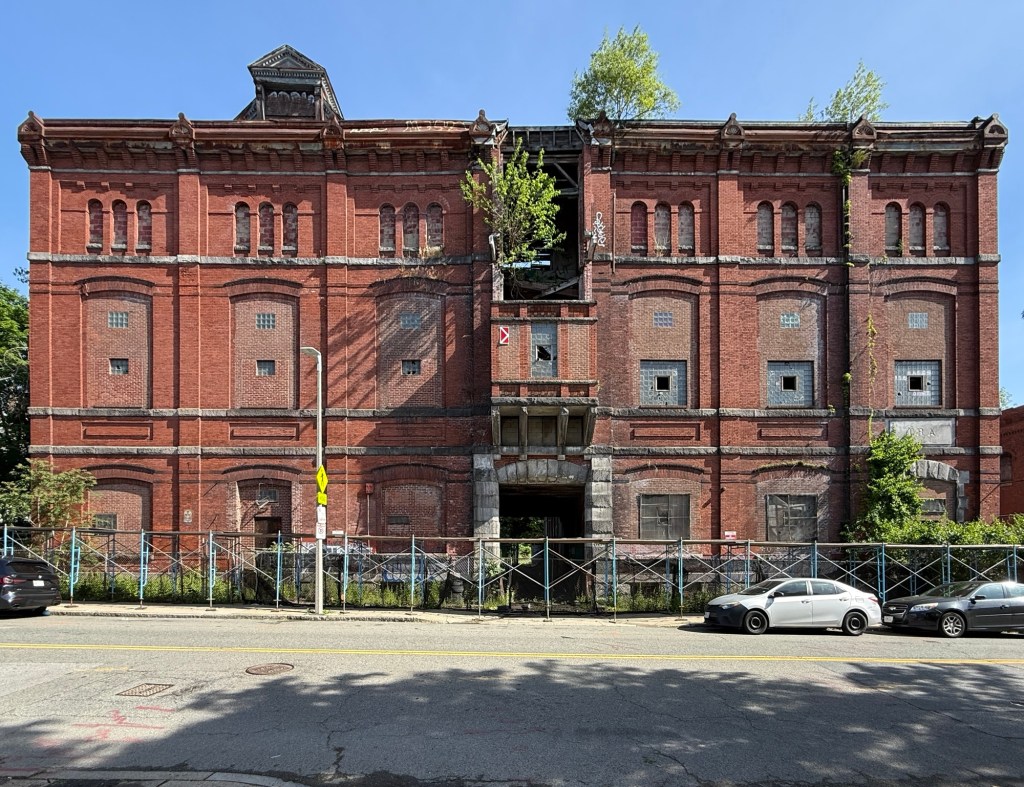
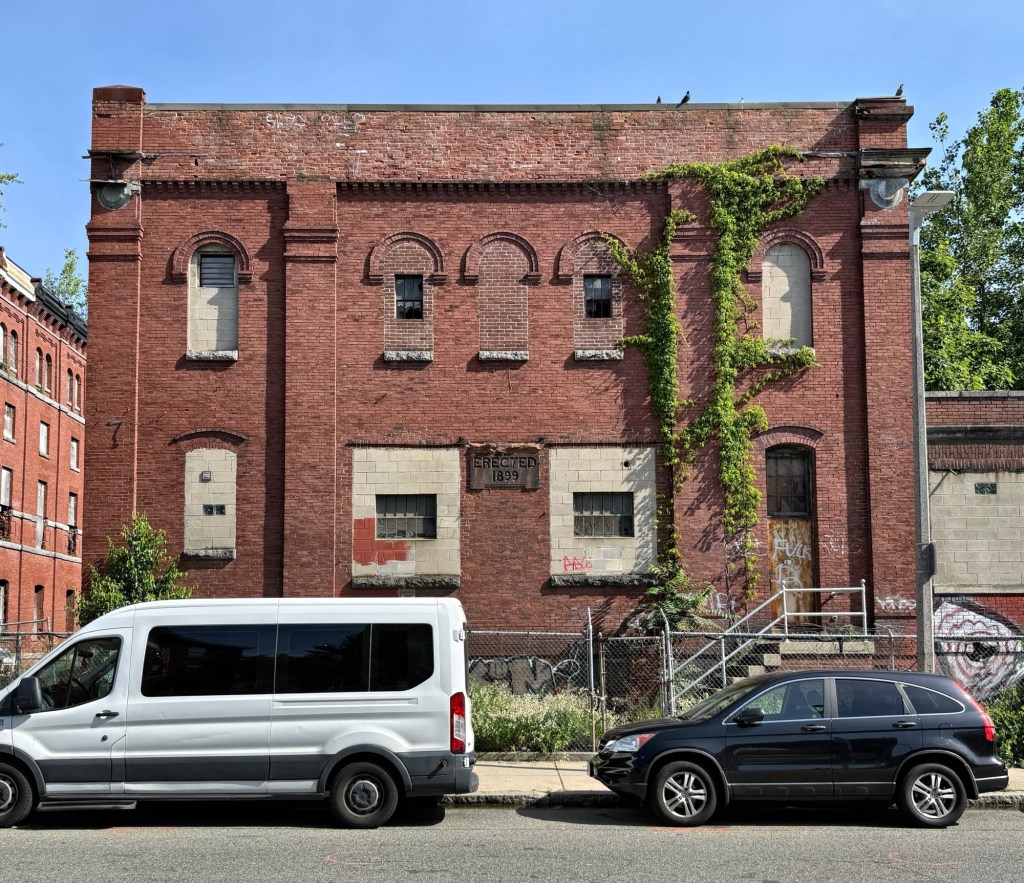
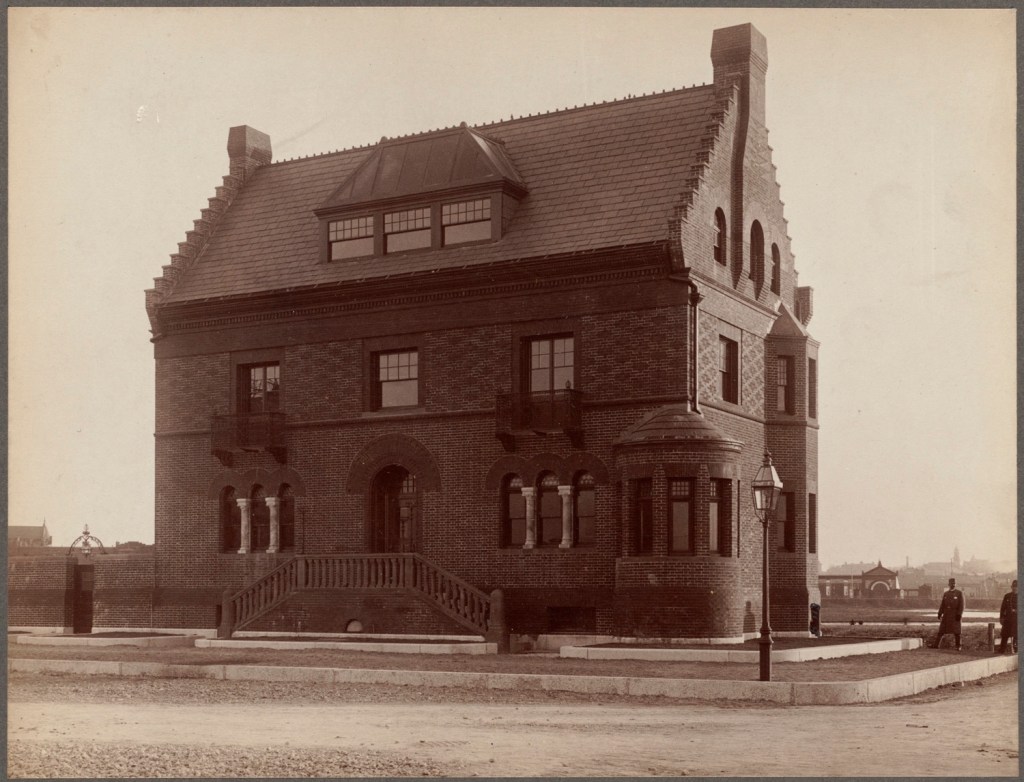
The clock is ticking for the Alley/Eblana Brewery, a historically and architecturally significant building in Boston’s Mission Hill neighborhood. Located on Heath Street, the historic Alley Brewery, also known as the Eblana Brewery, stands as a striking reminder of the city’s once-thriving brewing industry. Founded by Irish immigrant John R. Alley (1822-1888) in the mid-1880s, the brewery produced the popular Eblana Irish Ale, a name derived from the ancient term for Dublin, reflecting Alley’s heritage and the strong Irish influence in the area. John Alley previously co-owned the Highland Spring Brewery nearby, but founded a brewery in his own name in 1885. For his brewery, Alley hired Philadelphia architect Otto C. Wolf, who was the nation’s premier brewery architect and engineer in the late 19th and early 20th centuries. The four-story complex was built in 1886 and showcased some of the most advanced brewing technology of its era while displaying an impressive blend of brick and granite craftsmanship. Its distinctive façade features a dramatic central bay, granite-trimmed arches, rough-faced stone braces, wrought-iron gates, and carved stone plaques bearing Alley’s initials and the date of construction. After John’s death in 1888, the business continued under the ownership of his two sons, Frederick and George. The brothers in 1899, added the adjacent bottling and refrigeration building, which employs similar architectural features and materials to the main brewery. Brewing here ceased with Prohibition and the structure later served a variety of manufacturing uses, when during the 1960s, many windows were filled with brick. The Alley-Eblana Brewery remains one of Boston’s most architecturally significant surviving brewery buildings, embodying Boston’s rich industrial and ethnic heritage, but it is threatened. Developers have owned the building since 2013 and have done nothing to preserve or even maintain the structure, making it a case of demolition by neglect. They are requesting to demolish both structures, but the demolition has been delayed 90-days through the Boston Landmarks Commission Demolition Delay review process. If you want to see the building repurposed and saved, reach out to the Boston Landmarks Commission and advocate for its adaptive reuse, which would provide housing and maintain a significant architectural landmark for the community.