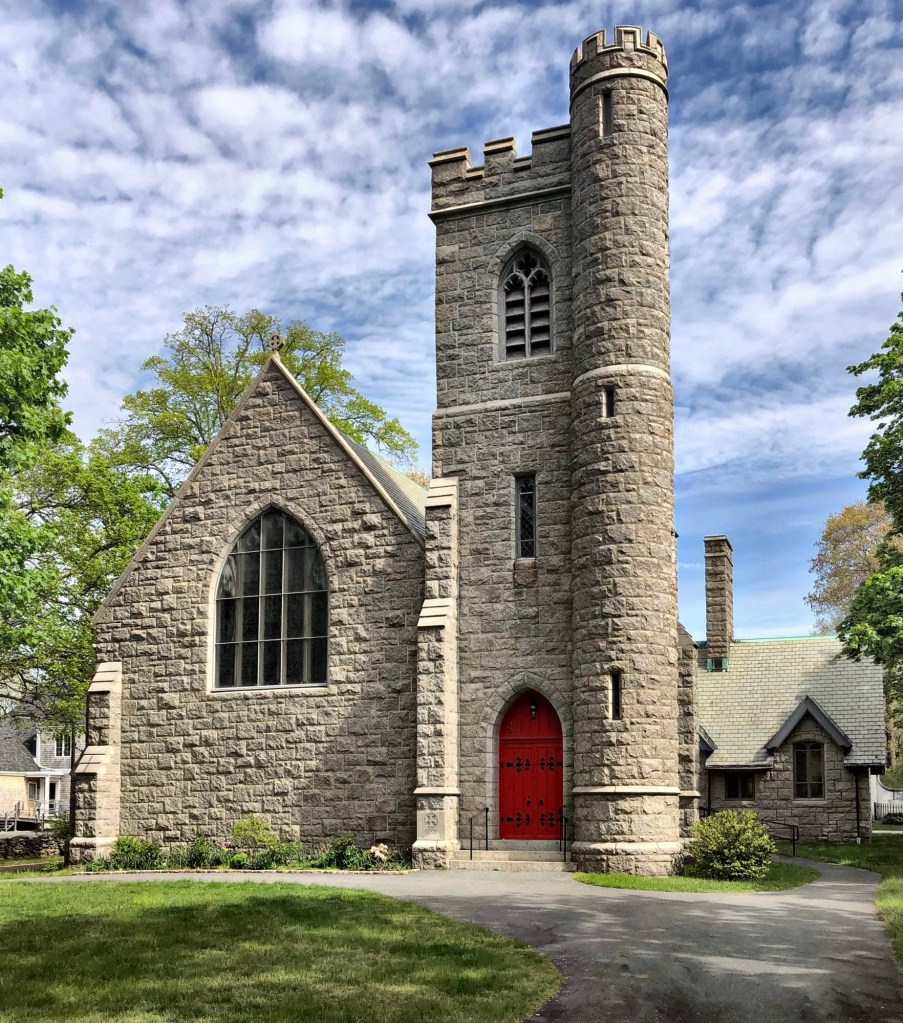
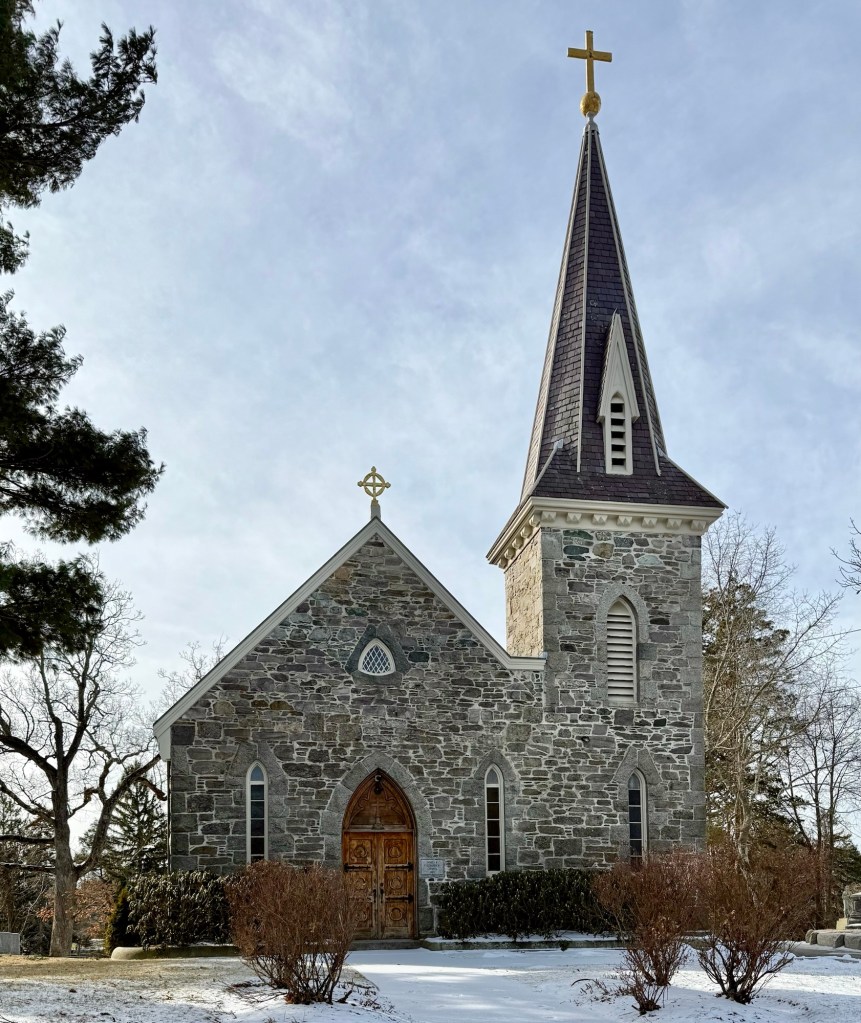
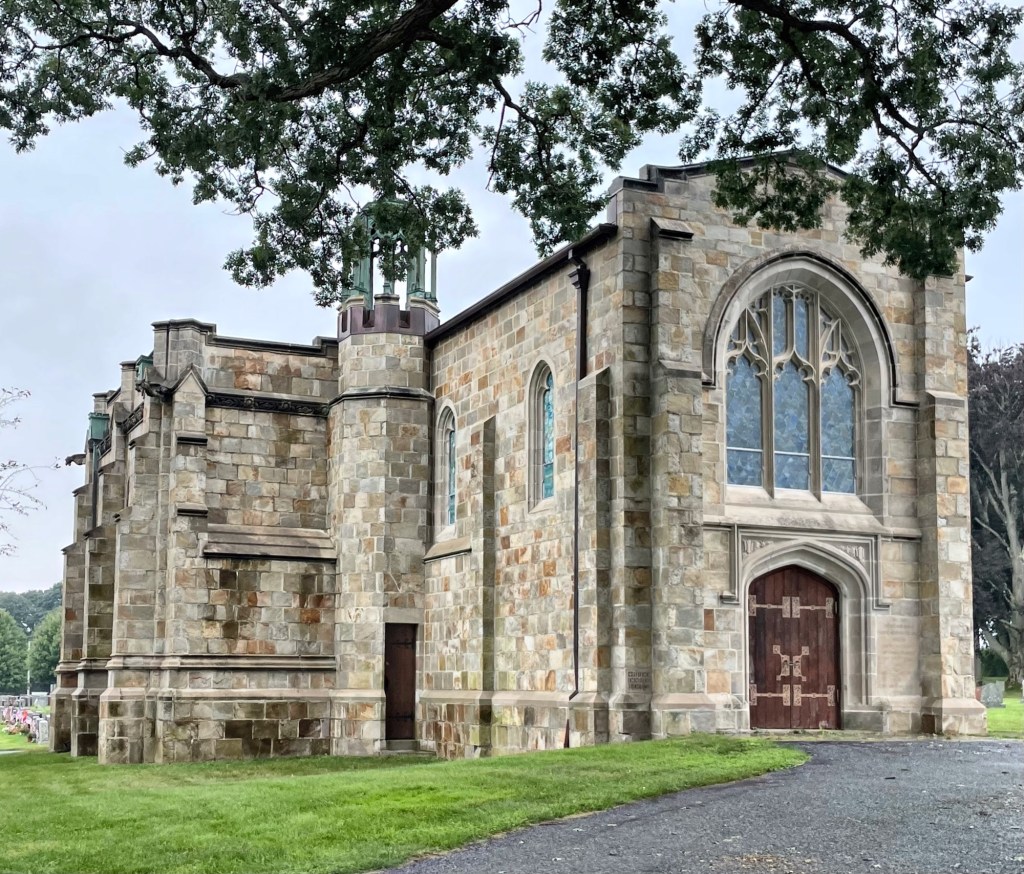
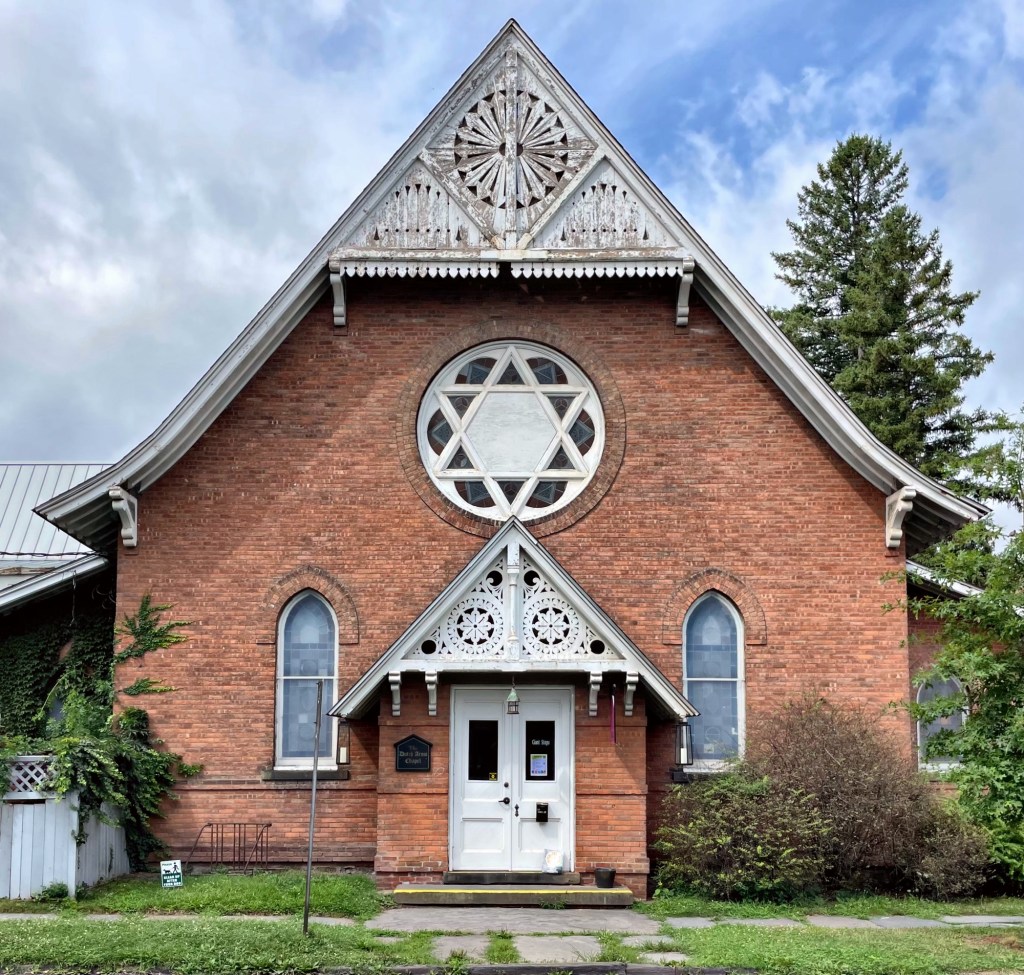
Christ Church, Swansea // 1900

Designed in the mode of a traditional English country church, the Christ Church of Swansea is among the finest Neo-Gothic Revival edifices in New England and evokes a sense of history and tradition despite only being built in 1900. The church was funded by benefactors, Frank Shaw Stevens and Elizabeth Case Stevens, who lived down the street in the town’s largest mansion. After the death of her husband Frank, Elizabeth began a large gifting campaign to the Town of Swansea, and funded the construction of the town’s library, school, and this church (they had already funded the 1891 Town Hall). For the village church, Elizabeth hired their friend, and renowned English-born architect, Henry Vaughan, who designed the building with heavy granite walls, lancet windows and a facade dominated by an entry tower with rounded corner all capped by battlements. The Christ Church of Swansea resembles an old Medieval English church but in a New England village, amazing work as always Mr. Vaughan!

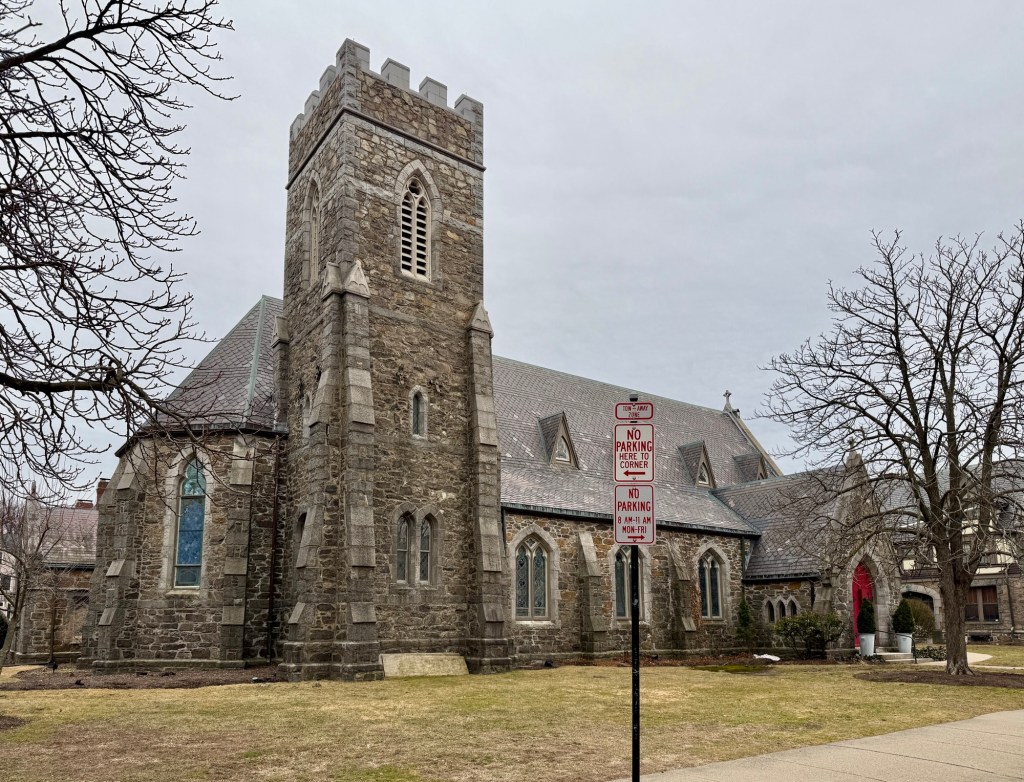
Church of Our Saviour, Brookline // 1868

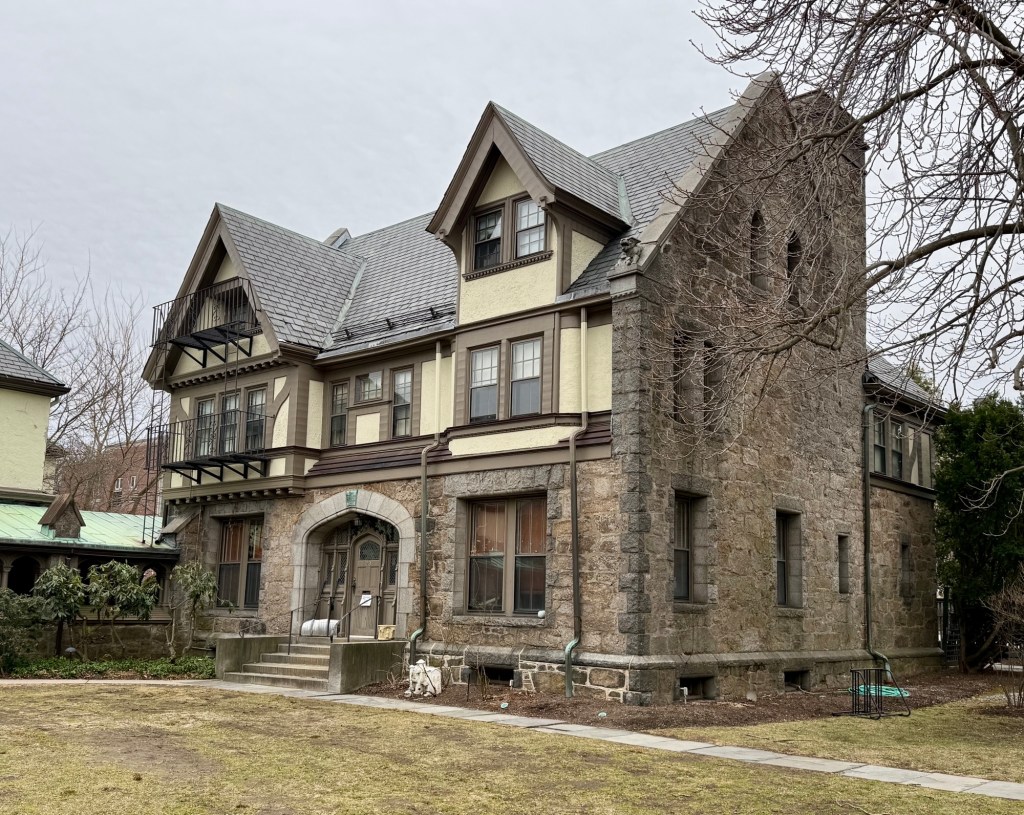
The Church of Our Saviour of Brookline, Massachusetts, is an architecturally and historically significant church complex in the Longwood neighborhood that has ties to those who established this neighborhood into what it is today. The church was built in 1868 by the brothers Amos and William Lawrence, in honour of their father, Amos Lawrence. The church was established by twelve established Boston-area families who wanted to grow the Episcopal diocese in the area. They hired architect, Alexander Rice Esty, who designed the building in the Gothic style, and it was completed in February 1868. The church was expanded numerous times with a transept chapel designed by the firm Sturgis and Cabot (1893) to the memory of Sarah Appleton Lawrence (wife of Amos A. Lawrence); a parish hall designed by the firm of Cabot and Chandler (1880); and a rectory, designed by architect Arthur Rotch (1886). The church remains an active congregation and is lovingly preserved by the congregants.

Rectory

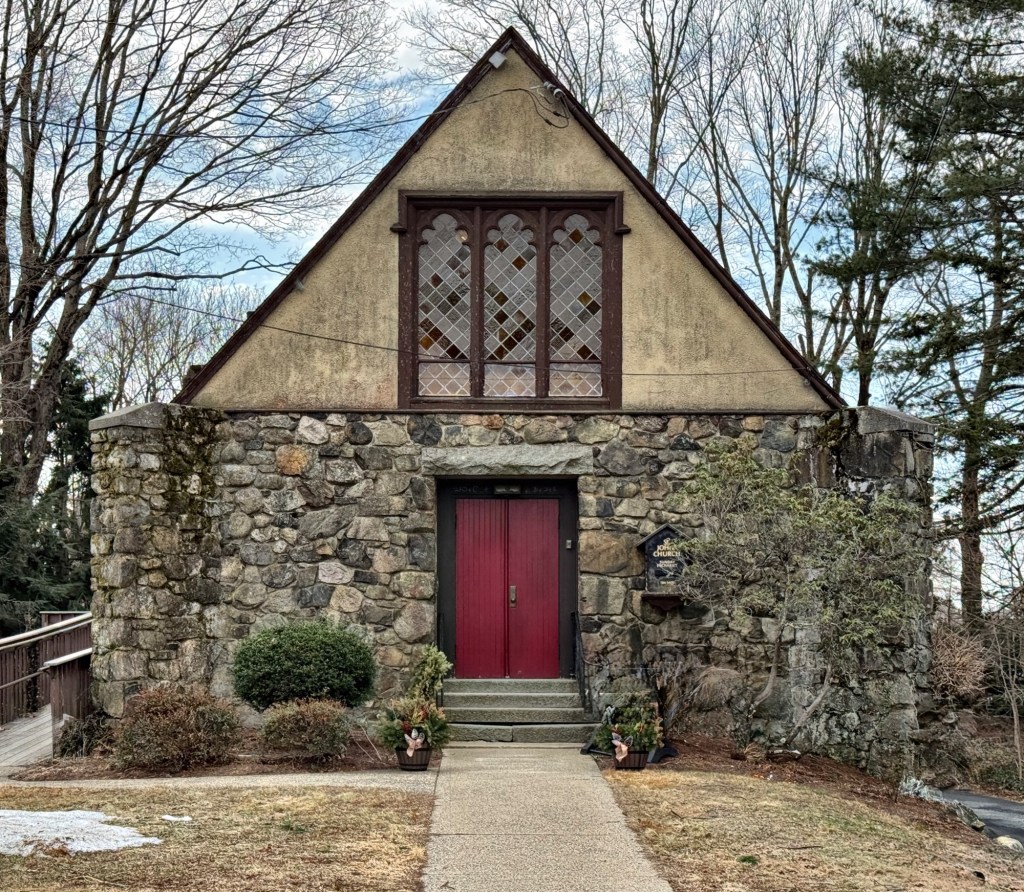
St. John’s Episcopal Church of Sharon // 1902

The small yet architecturally significant St. John’s Episcopal Church in Sharon, Massachusetts, was built in 1902 from plans by one of the premier ecclesiastical architects of the early 20th century. Episcopalians in Sharon began demanding their own house of worship in the late 19th century, and by the turn of the century, had funding to erect their own chapel. Boston-based architect, Ralph Adams Cram, of the firm Cram, Goodhue & Ferguson, designed the building, which fits within the scale of the residential neighborhood it is located within. St. John’s is an example of Neo-Gothic Revival architecture, a style which Cram became known for, with a fieldstone base, three feet thick, and stucco gabled facade above with tripartite windows with diamond-cut colored glass. The chapel was expanded at the rear, but maintains its rustic charm at the street.

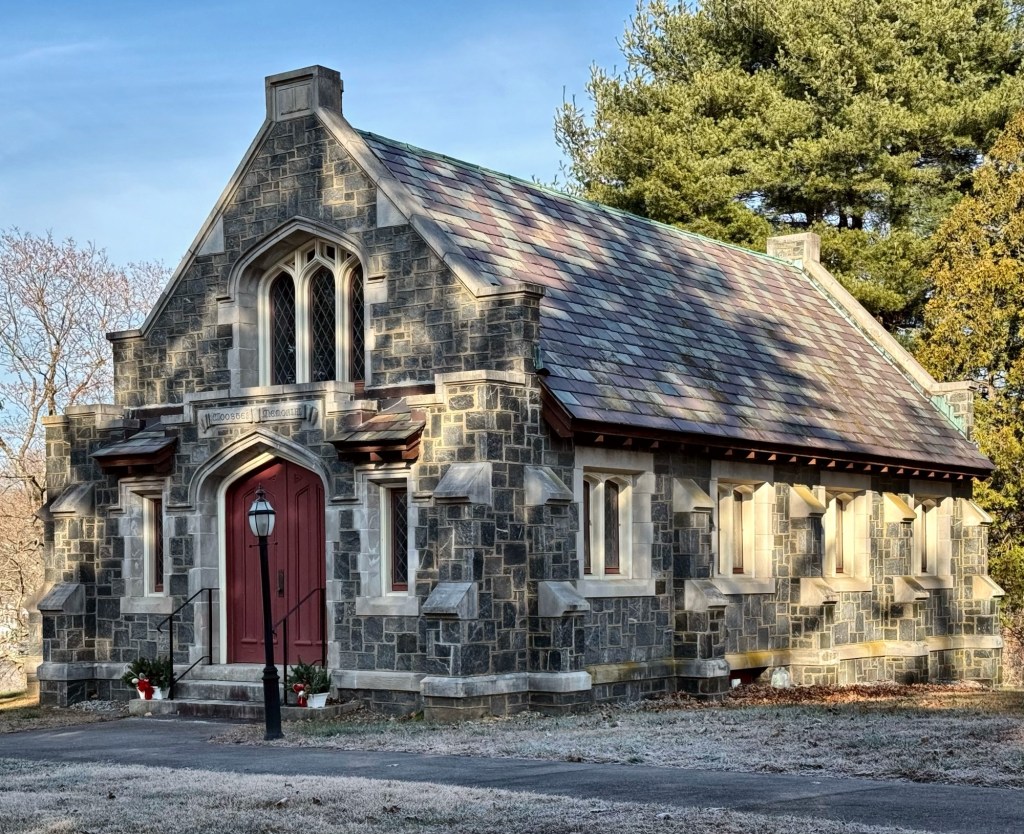
Wooster Memorial Chapel, Fountain Hill Cemetery // 1915

Located in Fountain Hill Cemetery, which has become a sort of Rural Cemetery in the small town of Deep River, Connecticut, this handsome gothic chapel graces the entrance and has provided a place of solemn memorials and celebrations of life for over 100 years. The Fountain Hill Cemetery was originally established in 1851, but after a half-century of use, Miss Mary McCellan Wooster (1839-1911), sought a non-denominational chapel for the grounds to not only beautify the local cemetery, but provide a place to honor the dead. In her will, Miss Wooster left $10,000 for a new chapel. The cemetery board of directors hired architect, Isaac Allen, Jr. of Hartford, Connecticut, to design the structure. The Neo-Gothic chapel was built of local stone and opened to the public in April 1915.

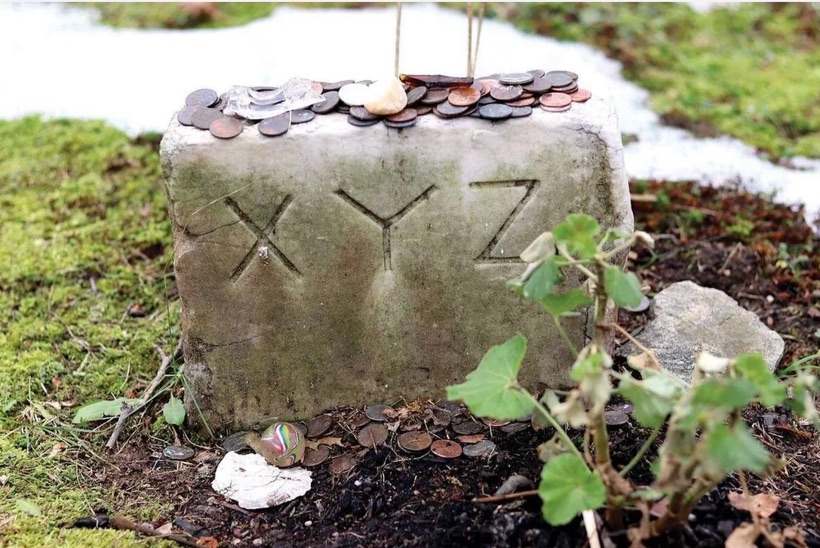
Another interesting story in the cemetery is the mysterious ‘XYZ’ gravestone. Legend says that in the evening of December 13, 1899, an unnamed man arrived in Deep River, Connecticut (along with three other male accomplices), to rob the local bank. This unnamed individual was confronted by the night security guard with a sawed-off shotgun, firing at the robber, blowing away part of his face. The other three robbers fled, leaving their accomplice in Deep River. In the hope that someone could identify him, his body was laid out for viewing at the local funeral parlor. During this time, an anonymous letter arrived, requesting that the man be buried with the headstone only marked as XYZ. The odd request was accorded, but was never fully explained. To this day, many locals leave stones and coins at the marker in Fountain Hill Cemetery.

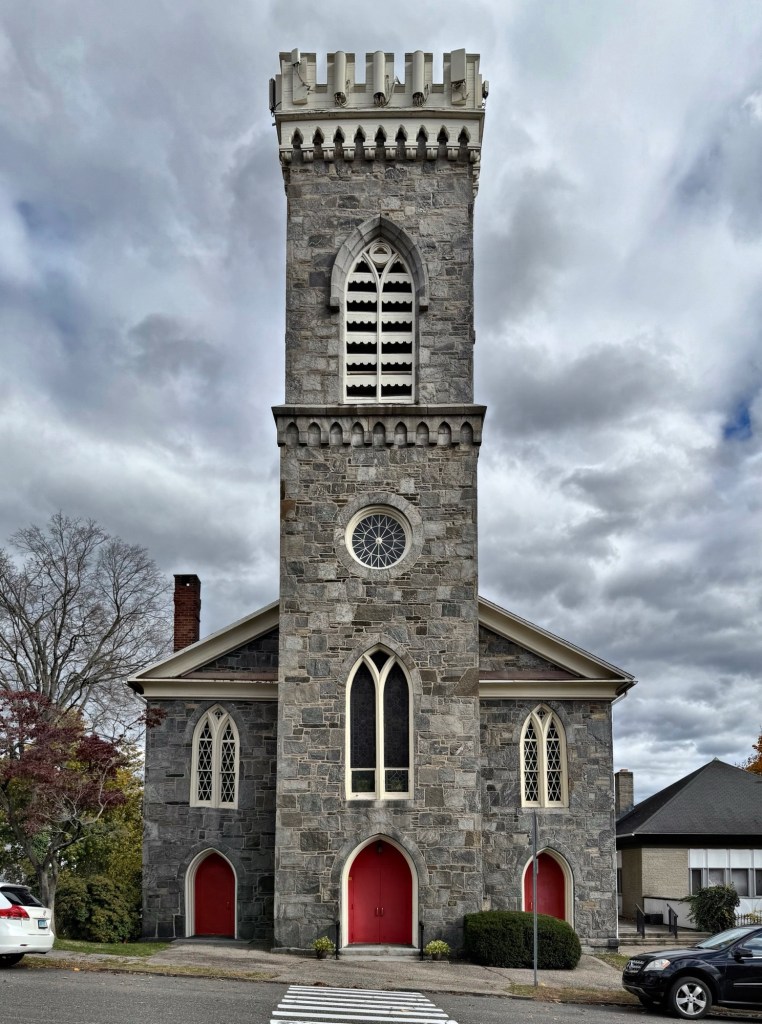
Immanuel St. James Episcopal Church // 1843

The Gothic Revival style Immanuel St. James Episcopal Church of Derby is a landmark example of the style in this part of Connecticut and serves as the eastern anchor to the Birmingham Green in town. The church dates to 1843 and was built by The stone church was was built by stonemason, Harvey Johnson and Nelson Hinman, a carpenter. The land for the church was donated by Sheldon Smith and Anson G. Phelps, wealthy industrialists in town. The building originally had a wooden steeple, which was replaced by the present stone belfry in 1853. The church merged with another area congregation, which together, have preserved this significant structure, though the communications antennae on the battlements on the belfry is unfortunate.

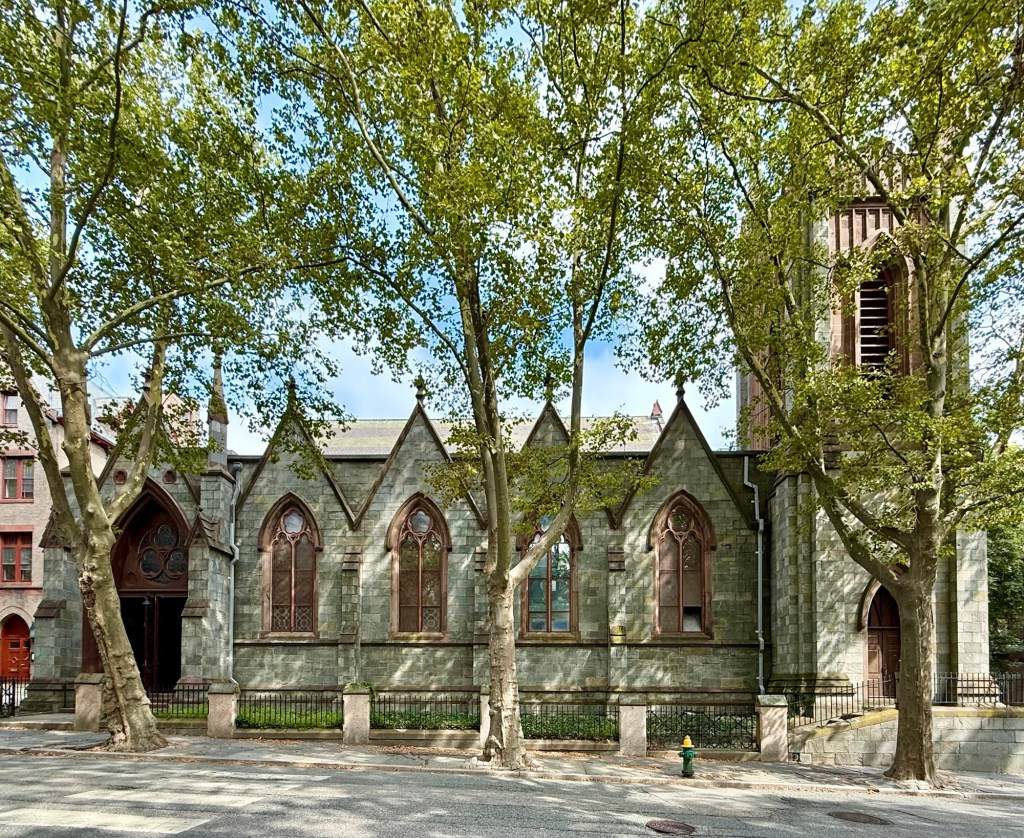
St. Stephen’s Episcopal Church // 1860

St. Stephen’s Episcopal Church is a landmark Gothic Revival church in Providence, Rhode Island, built in 1860 from plans by famed architect, Richard Upjohn. Constructed of gray stone with brownstone trim, the church is unique for its siting with the nave/long-side parallel to the street. The church was built for the local congregation, who two decades earlier, constructed the original St. Stephen’s Church on Benefit Street (now home to the Barker Playhouse), but sought to relocate to a more central location and in a more substantial building. With its entrance at one end and tower at the other, the nave is lined with a row of four gabled bays with lancet windows connecting the two. The church was modified over time, with Upjohn’s original intention for a 180-foot stone tower never undertaken, it would be capped by a copper-clad conical spire in 1900 from architects, Hoppin and Ely. The chancel was remodeled in 1882 by Henry Vaughan, and the Tudor Revival style Guild House immediately west of the church was built in the late 1890s Martin & Hall, architects. The congregation continues to this day, and preserves this significant building fitting of an English estate.

Union Chapel, Twilight Park // 1897

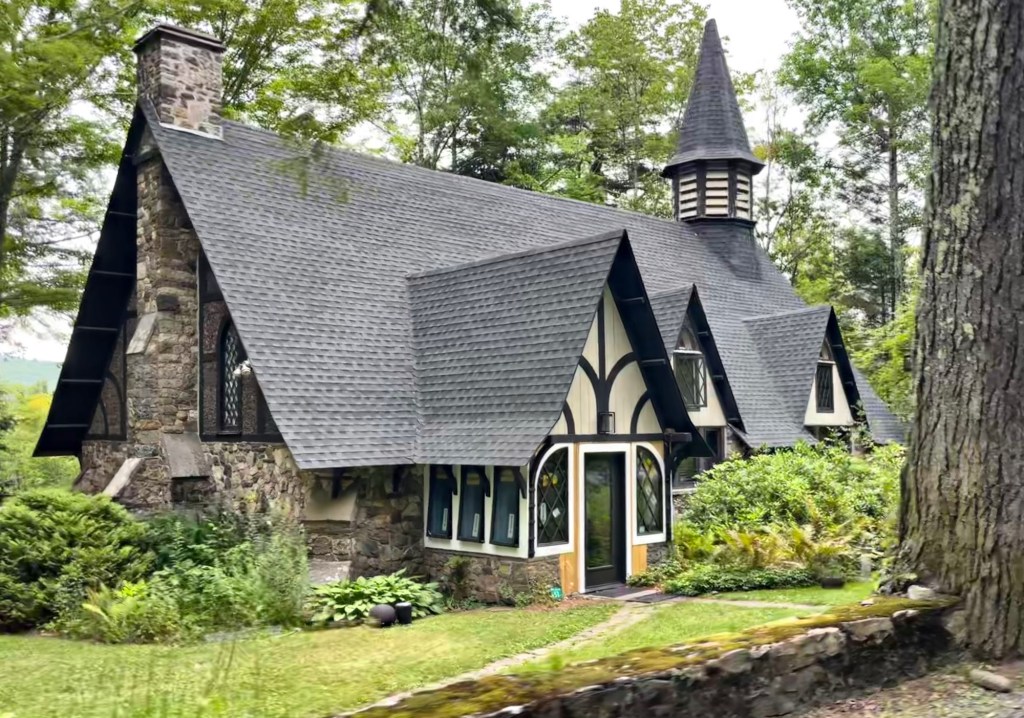
The Union Chapel in the summer colony of Twilight Park in the Catskill Mountains of New York, is one of the finest late Victorian chapels in the region. The edifice was built in 1897, a year following the erection of the All Angels Episcopal Church, in Twilight Park, and was designed to complement the rustic character of the surrounding cottages. The chapel was built as a non-denominational, or Union church, for summer residents of the colony who preferred an alternative to Episcopal sermons down the dirt road. The church was designed by Alice Hands, of the New York firm Gannon & Hands, the first all-female architectural firm in the United States. The chapel was eventually closed in 1970 and converted to a private residence, with some stained glass windows donated to the Episcopal Church in Twilight Park.

Pine Grove Cemetery Mausoleum & Chapel // c.1875 & 1904

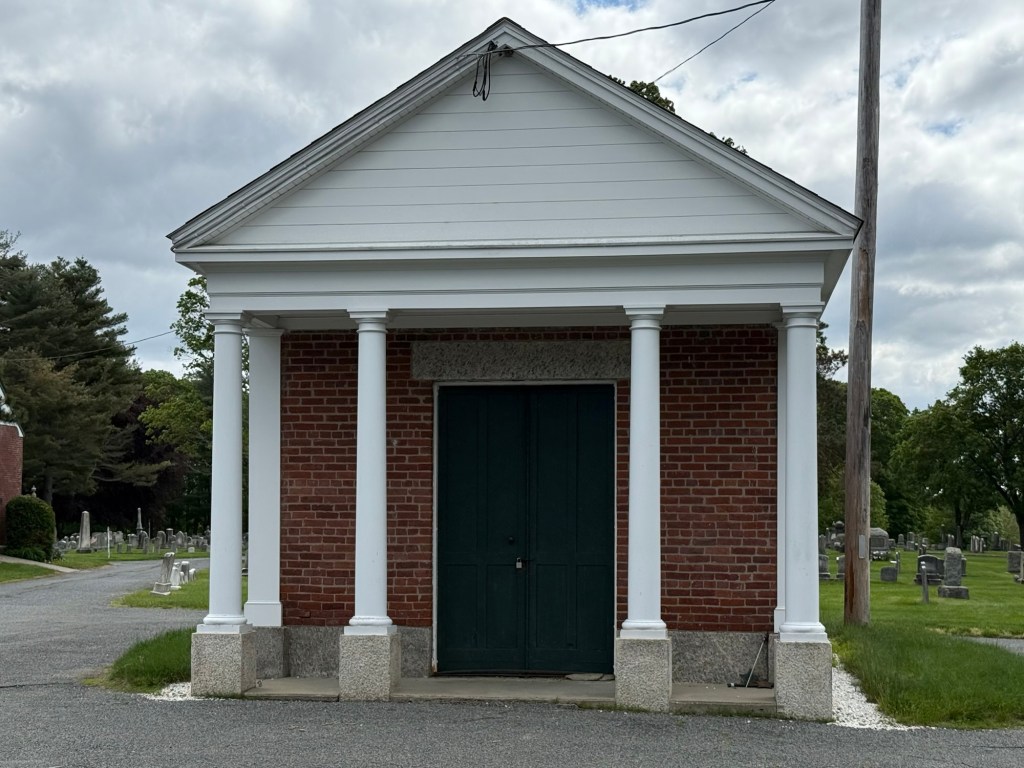
Mausoleum

The mausoleum and the Jonas A. Stone Memorial Chapel are two historic structures located in the Pine Grove Cemetery of Westborough, Massachusetts. Land here was acquired in 1746 by the Reverend Ebenezer Parkman, and it comprised of a pine lot of sixteen acres on the road to Mendon (now South Street). Nearly 100 years later, in 1844, the lot was deeded to the town as a new cemetery, as the older cemeteries were quickly becoming crowded. It was named Pine Grove after the historic use of the grounds. Due to the rural cemetery movement, which sought to reimagine cemeteries as a beautiful park-like setting, not a simple burial ground, many Westborough families purchased plots here and some even moved their loved ones to the new family plot, in the “new” Pine Grove Cemetery.

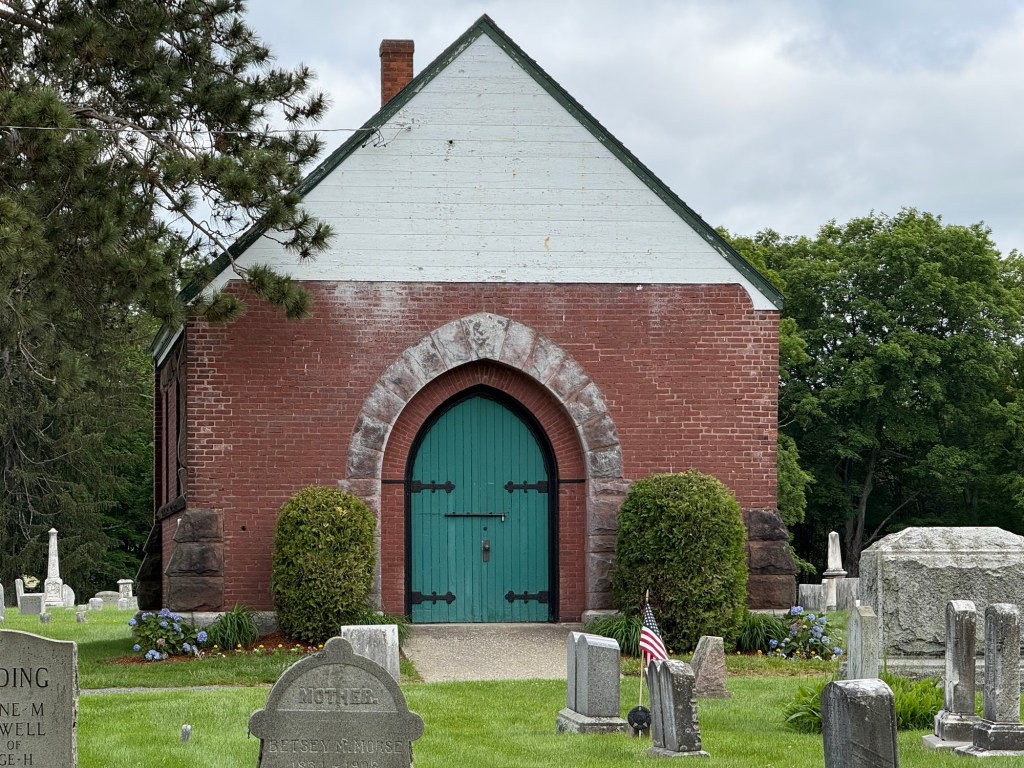
Chapel

The Mausoleum was built sometime in the mid-19th century and is a modest, Greek Revival style structure of granite and brick construction. Four Doric columns support the portico and wooden roof which serves as a pediment above. The Jonas A. Stone Memorial Chapel was built in 1904 following a bequest to the town from the will of Jonas Adams Stone (1821-1900), and additional donation by his brother, Nymphas Stone. The Victorian Gothic chapel is built of brick and brownstone with a wooden gable and roof. The structure was damaged during the destructive 1938 New England Hurricane, but restored and is an important local landmark today.

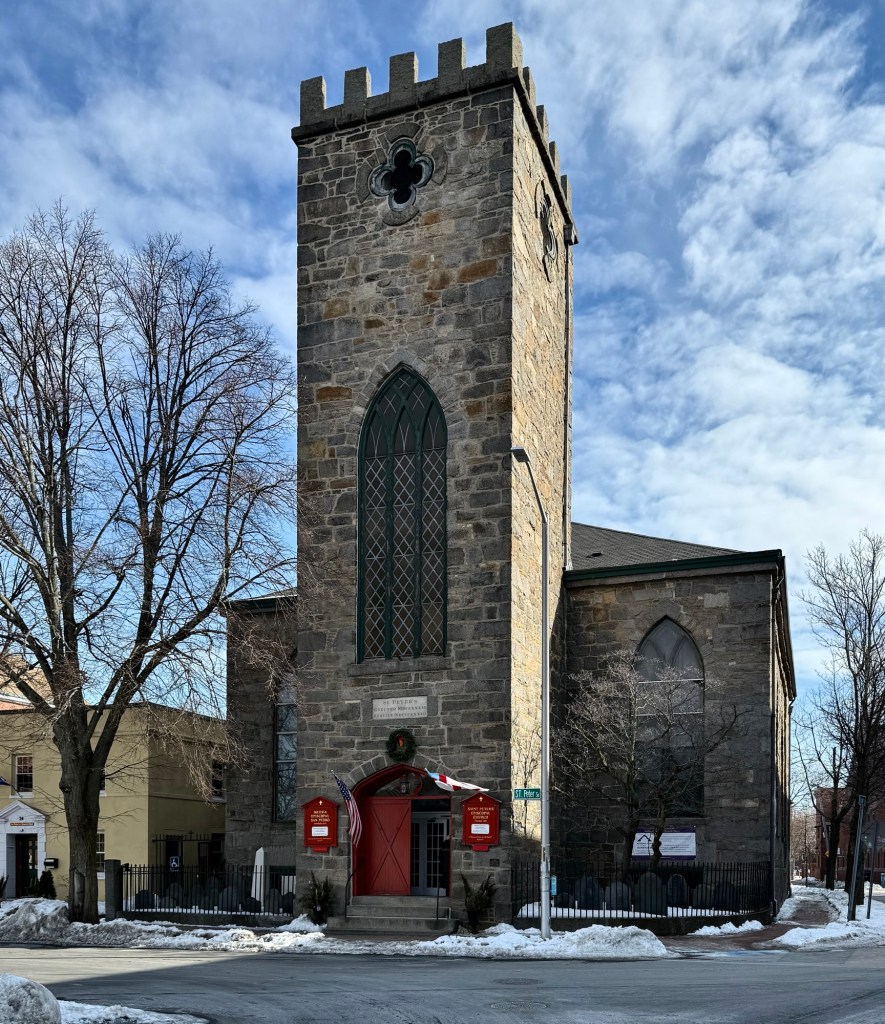
St. Peter’s Episcopal Church // 1833

The St. Peter’s Episcopal Church of Salem, is a landmark example of a granite, Gothic Revival church of the 19th century. The present church, which is constructed of Cape Ann granite, was the second church on the site built for local Episcopalians, replacing a wood-frame building constructed there 100 years prior. Designed by architect Isaiah Rogers, the Gothic church features a prominent entry tower with a quatrefoil window in each elevation, large lancet-arched windows in the tower and lining the sanctuary, and a crenelated parapet. When completed, St. Peter’s had Salem’s first church bell, an 1740 English bell that supposedly still graces the tower today and is said to be the oldest church bell in the United States! In 1871, the rear chapel was added to the building, from plans by George E. Harney. The chapel was built directly over the old parish cemetery, requiring some of the tombstones to be placed inside the chapel walls, while others were moved to the front of the church, creating a really unique “garden cemetery” in front of the church.

Holyhood Cemetery Chapel // 1857

Holyhood Cemetery in Brookline, Massachusetts, was laid out in 1857 under the direction of Father Joseph M. Finotti, pastor of Assumption Parish , which included Brookline and Brighton. The cemetery reflects the mid-19th century influence of the Rural Cemetery movement and the romantic landscape cemetery planning begun at Cambridge’s Mount Auburn Cemetery in the 1830’s. A plan of the cemetery was drawn up by Shedd & Edson and published in August 1857. It shows curvilinear avenues and paths named after former bishops of Boston and Biblical figures. All were welcome to be buried except those who “died in a state of Drunkenness, Duel, or by self-destruction, unbaptized, non-Catholic, or otherwise opposed to the Catholic Church.” In the 1857 Shedd & Edson plan for Holyhood Catholic Cemetery, a chapel was located at the center on the hill shown in a small drawing on the edge of the plan. Known as St. Joseph’s Chapel, the stone building was designed by Patrick Keely, the successful and influential New York architect of many mid-19th century Catholic churches. The chapel would be dedicated in 1862. Decades later, a cemetery office was planned and built across Heath Street from the cemetery gates, but was demolished sometime in the 20th century. The cemetery grew and it along with the mid-19th century chapel, has been lovingly maintained to this day.