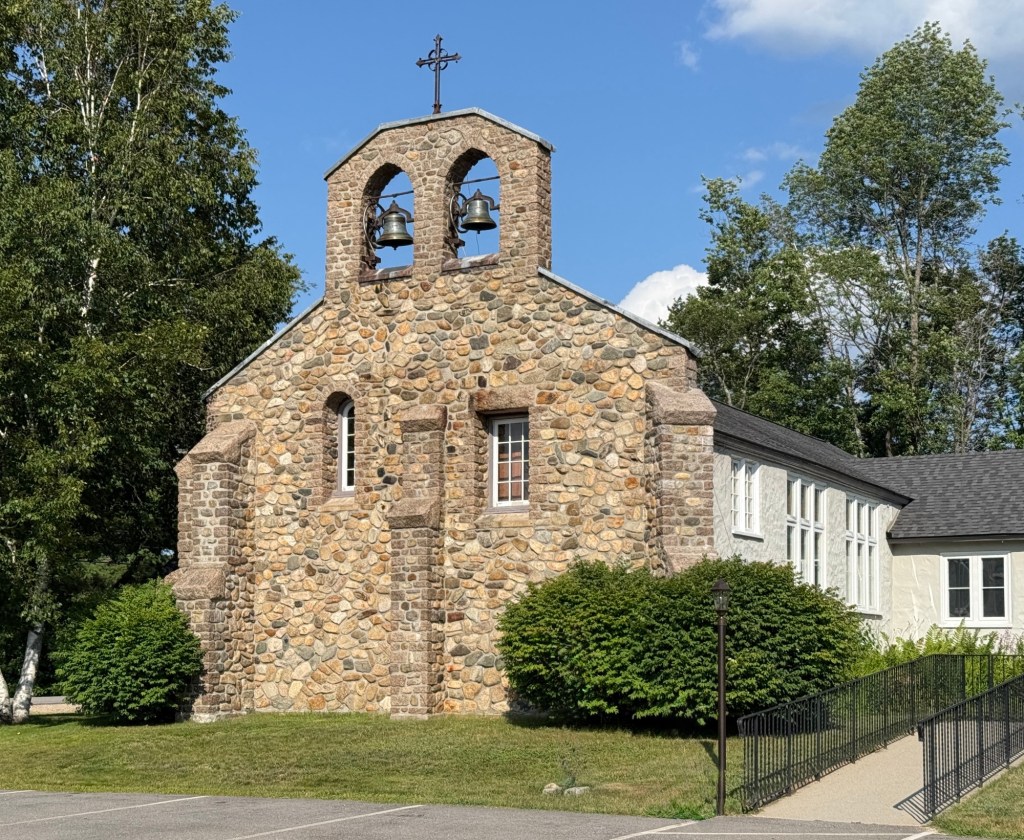
St. Andrew’s in the Valley Church // 1927

The St. Andrew’s in the Valley Episcopal Church in Tamworth, New Hampshire, is an architecturally significant early 20th century rustic chapel that has been lovingly preserved and expanded by its congregation. The church was envisioned by Reverend Frederick C. Cowper (1851-1929), who was called to gather congregants in the summer colonies in the White Mountains to fund and build a new chapel. Rev. Cowper was granted land in the Whittier area of Tamworth and worked with Boston architect, Walter H. Kilham, who had a summer home in Tamworth, to draw up plans for the new church. Kilham is said to have based his designs off of the 11th-century Church of Saint Helena in Austerfield, England, just in the local vernacular with rubblestone acquired from the land in New Hampshire and not cut stone blocks like that of St. Helena. The church exhibits elements of the Arts and Crafts style with the stucco wing and thoughtful stone bell tower.
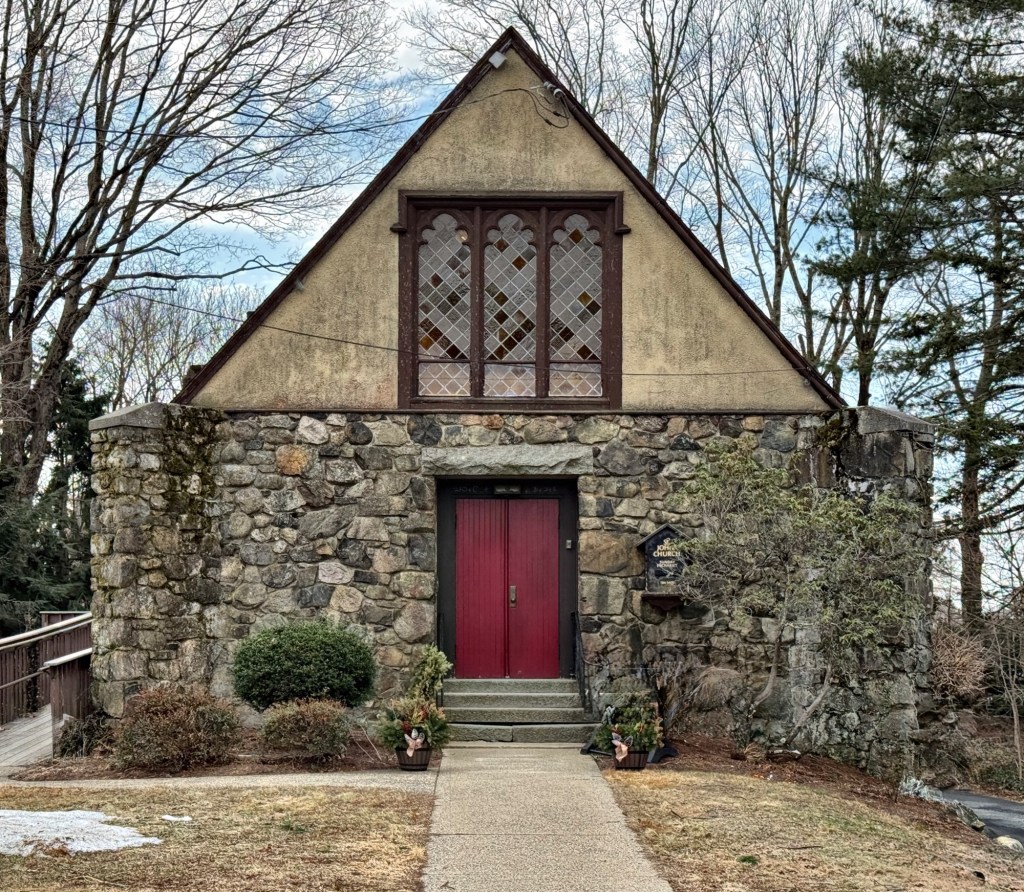
St. John’s Episcopal Church of Sharon // 1902

The small yet architecturally significant St. John’s Episcopal Church in Sharon, Massachusetts, was built in 1902 from plans by one of the premier ecclesiastical architects of the early 20th century. Episcopalians in Sharon began demanding their own house of worship in the late 19th century, and by the turn of the century, had funding to erect their own chapel. Boston-based architect, Ralph Adams Cram, of the firm Cram, Goodhue & Ferguson, designed the building, which fits within the scale of the residential neighborhood it is located within. St. John’s is an example of Neo-Gothic Revival architecture, a style which Cram became known for, with a fieldstone base, three feet thick, and stucco gabled facade above with tripartite windows with diamond-cut colored glass. The chapel was expanded at the rear, but maintains its rustic charm at the street.

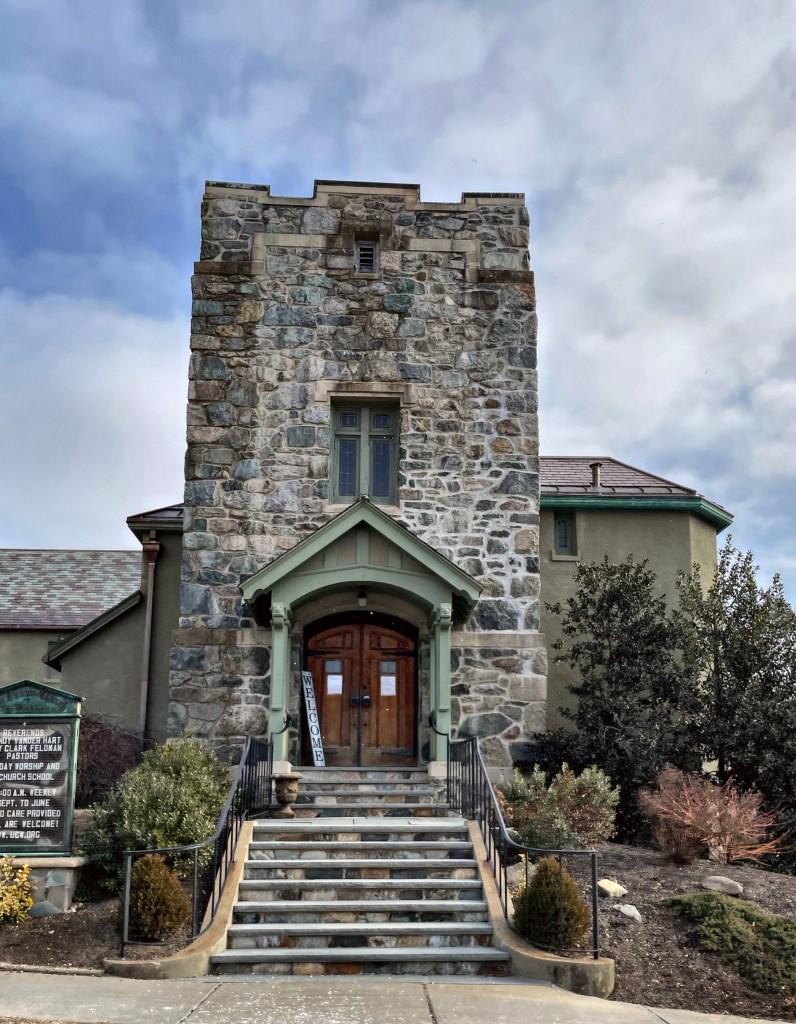
Union Church of Waban // 1912

In 1904, residents of the newly established village of Waban in Newton, Mass., began meeting with the hope to establish a non-denominational church there. As the population of the village grew rapidly in the first decade of the 20th century, funding surged and it was determined that a place of worship was necessary. William C. Strong, a Waban resident and well-known horticulturist, donated the land from his large holdings, many of which was already being developed for house lots. The church building, designed by Boston architect James H. Ritchie, had its cornerstone laid in November 1911. Construction followed rapidly and the building was formally dedicated in September, 1912. The building follows the Arts and Crafts movement, especially Ralph Adams Cram’s revival of the English parish church.