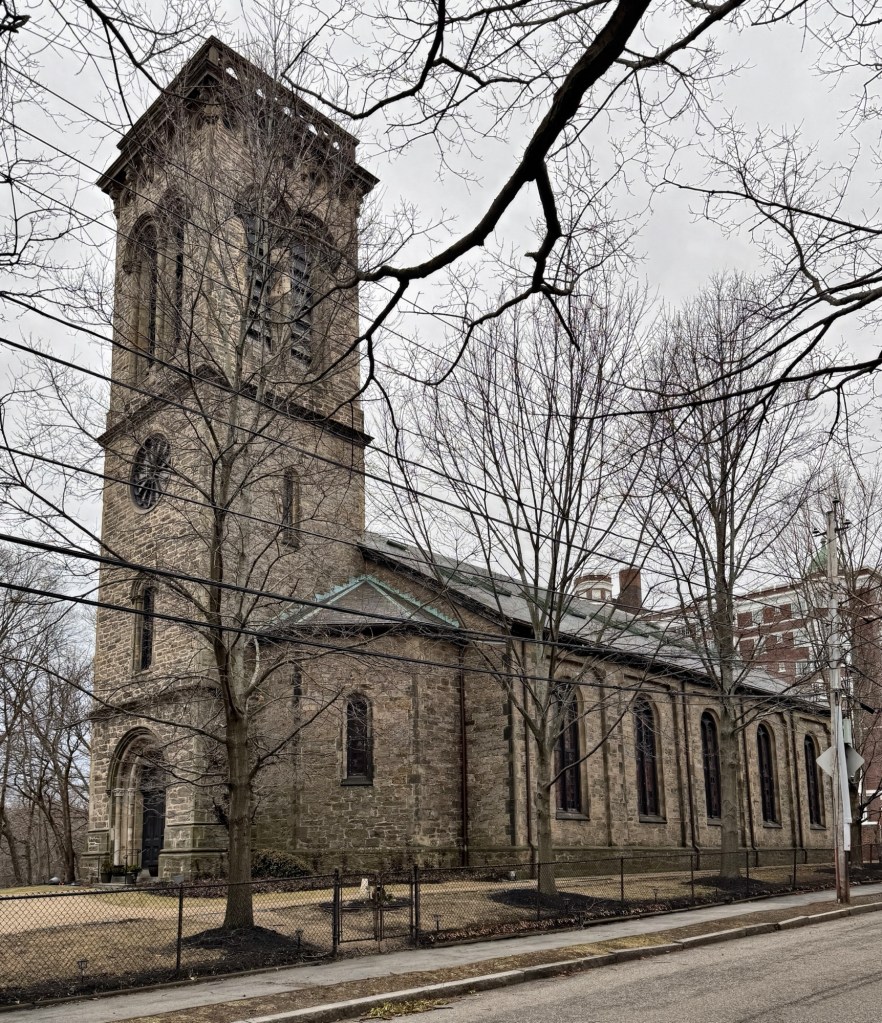
Christ Church, Swansea // 1900

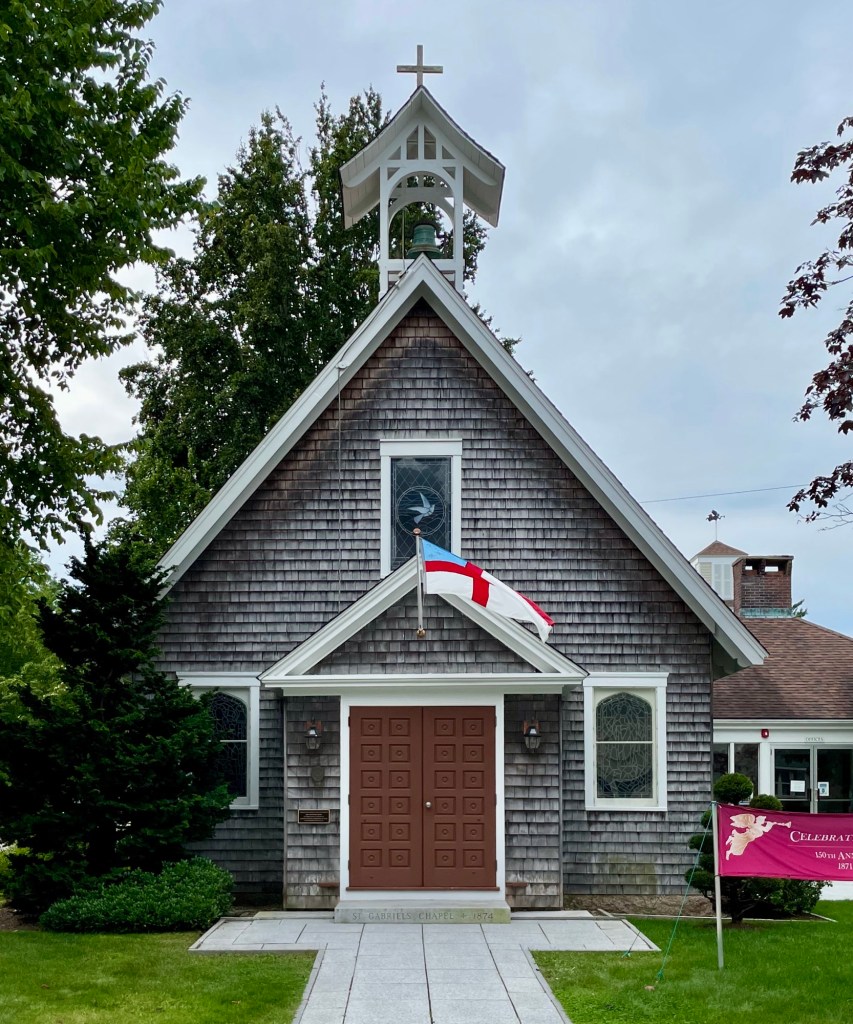
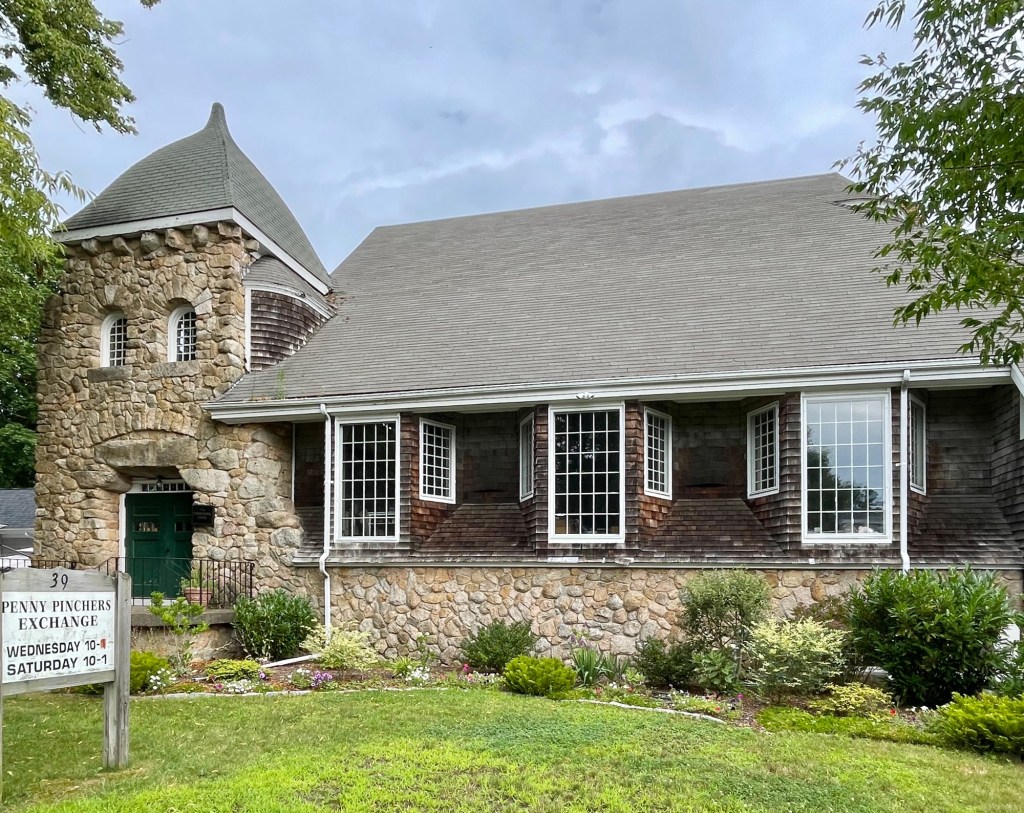
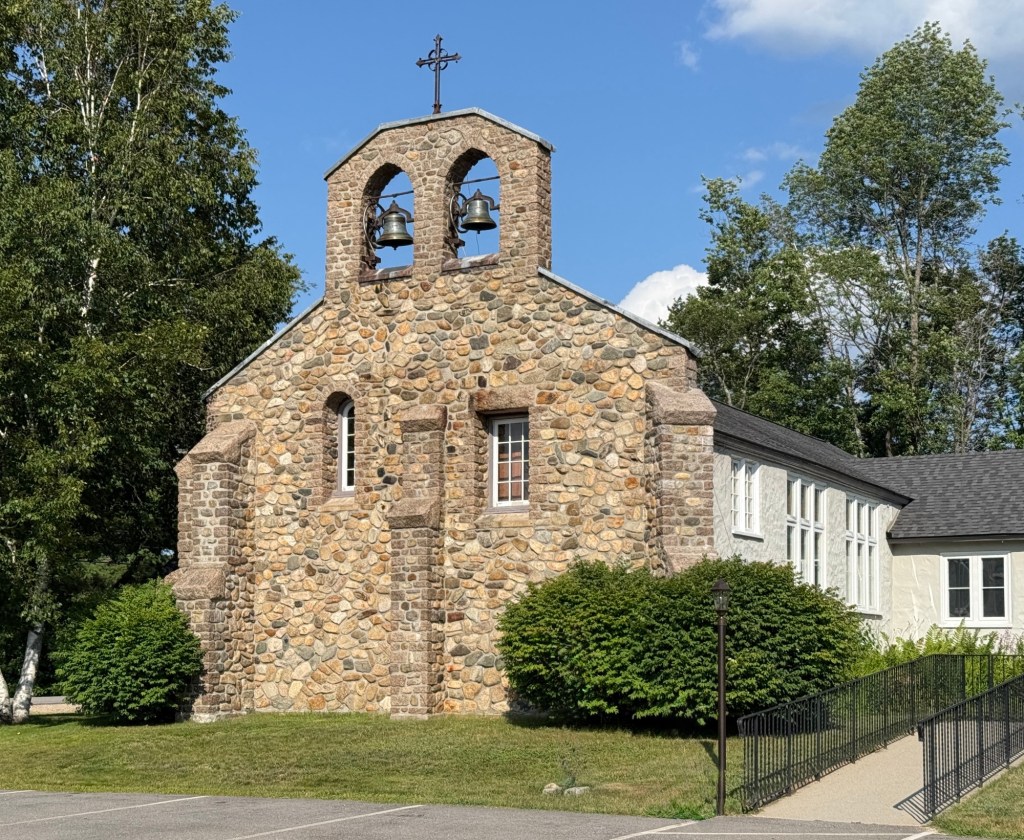
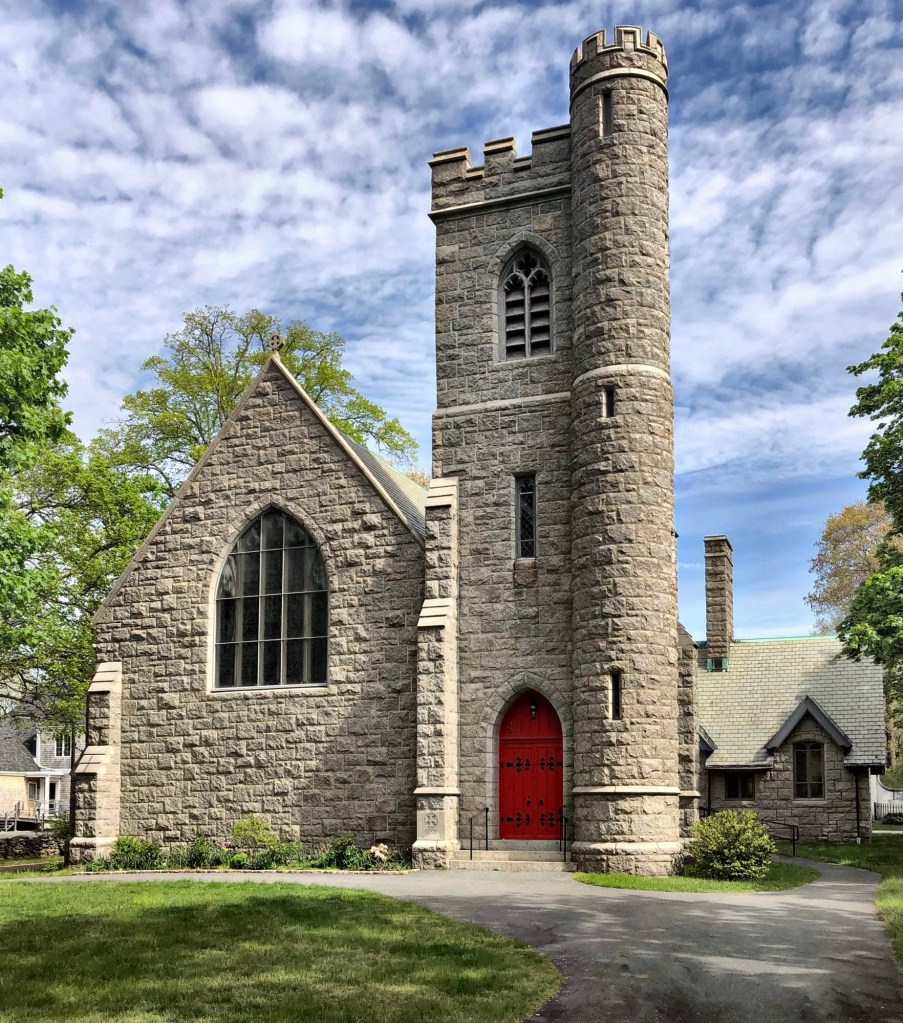
Designed in the mode of a traditional English country church, the Christ Church of Swansea is among the finest Neo-Gothic Revival edifices in New England and evokes a sense of history and tradition despite only being built in 1900. The church was funded by benefactors, Frank Shaw Stevens and Elizabeth Case Stevens, who lived down the street in the town’s largest mansion. After the death of her husband Frank, Elizabeth began a large gifting campaign to the Town of Swansea, and funded the construction of the town’s library, school, and this church (they had already funded the 1891 Town Hall). For the village church, Elizabeth hired their friend, and renowned English-born architect, Henry Vaughan, who designed the building with heavy granite walls, lancet windows and a facade dominated by an entry tower with rounded corner all capped by battlements. The Christ Church of Swansea resembles an old Medieval English church but in a New England village, amazing work as always Mr. Vaughan!

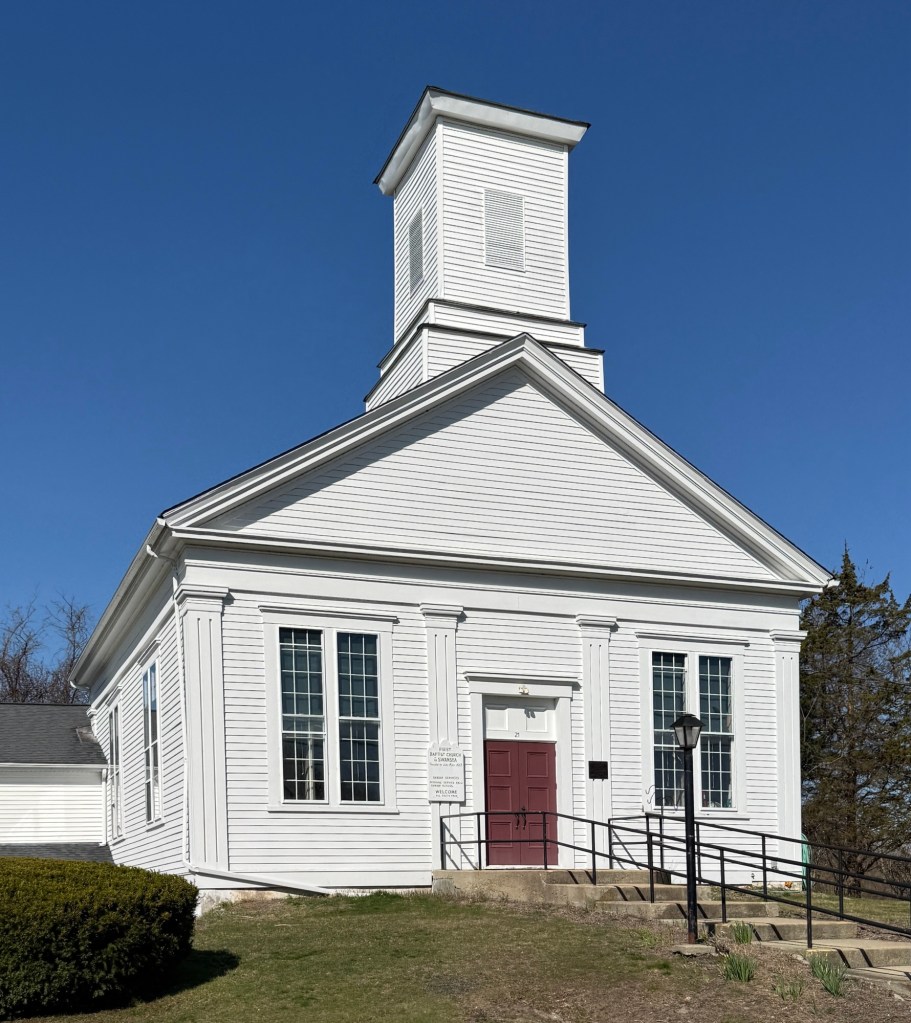
First Baptist Church of Swansea // 1848

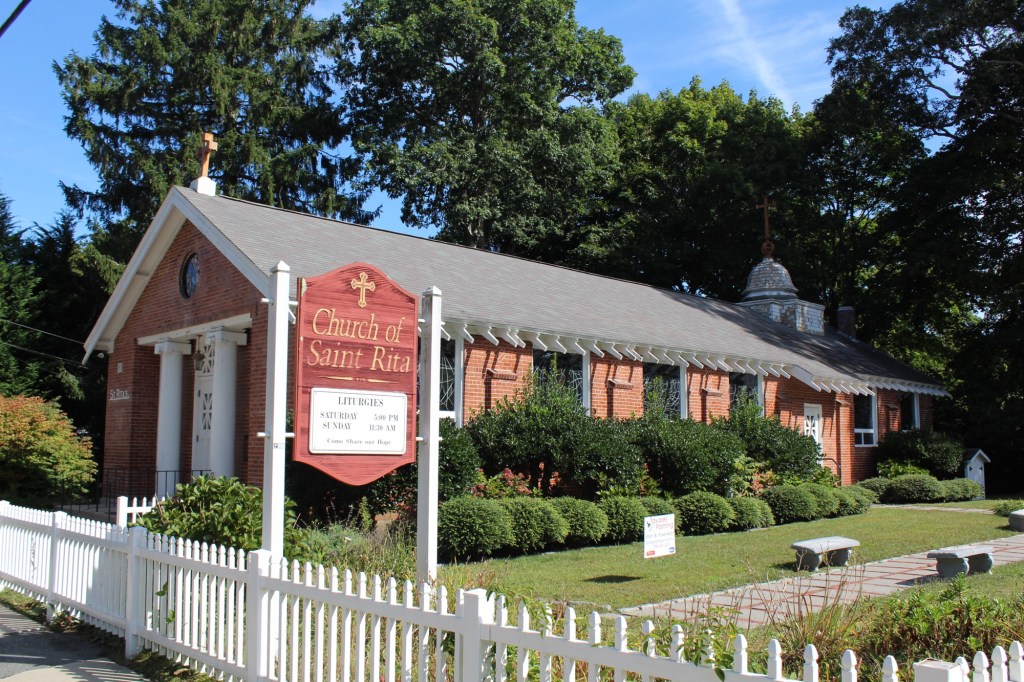
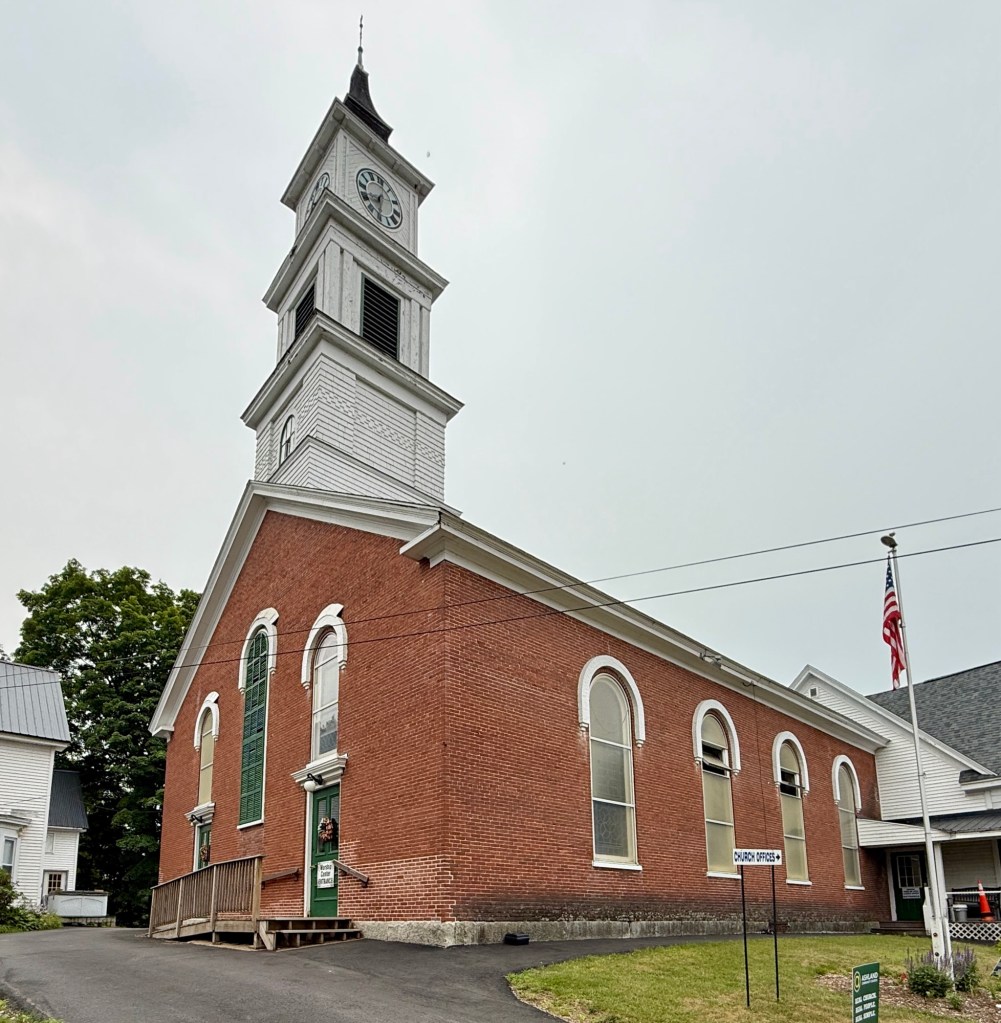
The First Baptist Church of Swansea may look like a traditional, Greek Revival style church from the 1840s, a common form and style found in nearly every community in New England, but the church is home to the oldest Baptist congregation in the Commonwealth of Massachusetts and is the fourth oldest in the United States! The church (and town’s name) was founded by Reverend John Myles (c. 1621–1683), a Baptist minister who immigrated to present-day Swansea from Swansea in Wales, who was a founder of the earliest recorded Baptist churches in Wales. During the King Philip’s War, Reverend Myles fled from the fighting to Boston and pastored the new First Baptist Church in Boston. The present Greek Revival structure, the fifth of the congregation, was built under the direction of the English-born Reverend J. J. Thatcher, pastor of the church from 1846 to 1854. The vernacular Greek Revival church features a pedimented facade with pilasters dividing the bays, and a square belfry.

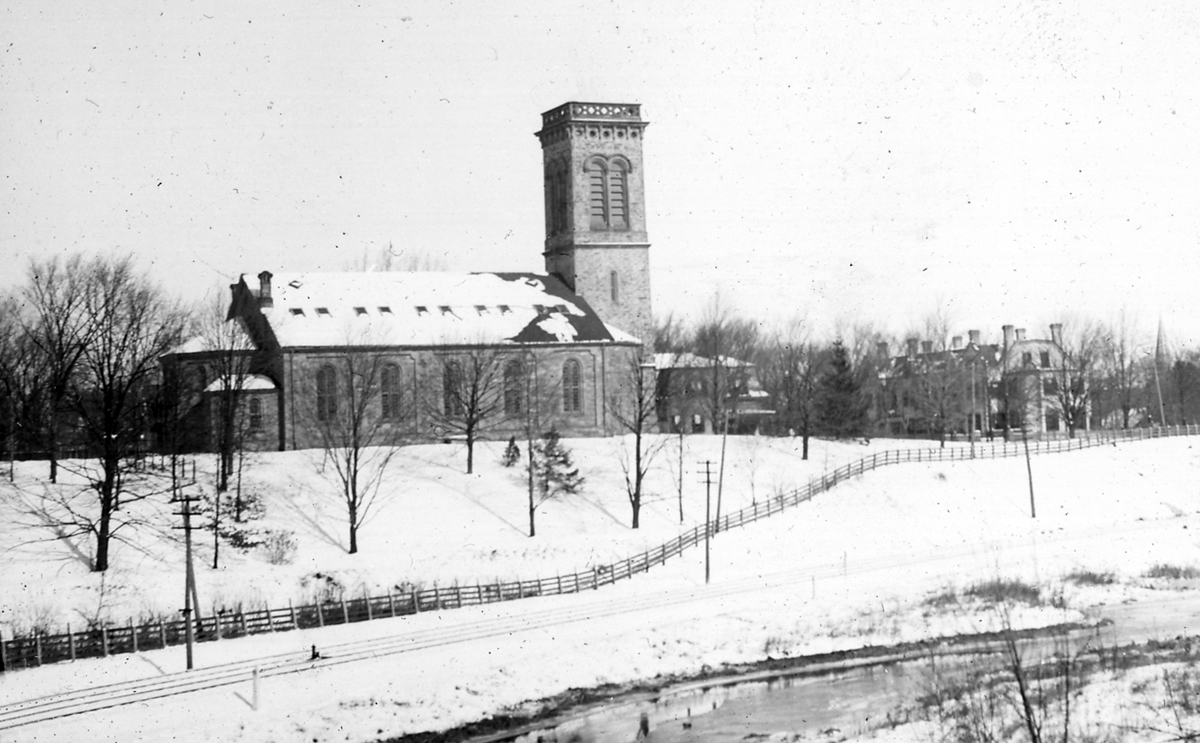
Sears Chapel, Longwood // 1860

Christ’s Church in Longwood, better known as Sears Chapel, is among the finest ecclesiastical buildings in Brookline and commands its site on a rise overlooking the Muddy River, now the Riverway in the Emerald Necklace park system. The area presently known as Longwood was originally marshland with a few farms until the building of the Mill Dam road out of Boston in 1821 that improved access to Brookline, which opened up its connectivity and development potential. Wealthy Boston businessman, David Sears (1787-1871) recognized this, and began buying the low-lying pasturelands in Brookline near the Boston border. By 1830, some squares were laid out and development began in the Cottage Farm and Longwood sections. He, with associates, began building country estates for friends and family to escape the crowded conditions of Boston. He is said to have named his neighborhood “Longwood”, after Napoleon’s estate on St. Helena where he spent his days in exile. An avid amateur horticulturist, Sears planted some 14,000 trees, many of them imported from Europe, in the course of developing his land. In keeping with his faith, Sears built this house of worship, Christ’s Church, which is said to have been modeled after St. Peter’s in Colchester England, likely giving Colchester Street, where Sears Chapel is located, its name. The Romanesque style church was designed by Boston architect, Arthur Gilman, who designed the building suitable for the Sears Family crypt which is underneath the structure and the burial site of many of the family. The congregation remains active to this day who maintain the significant structure and its many historic stained glass windows.

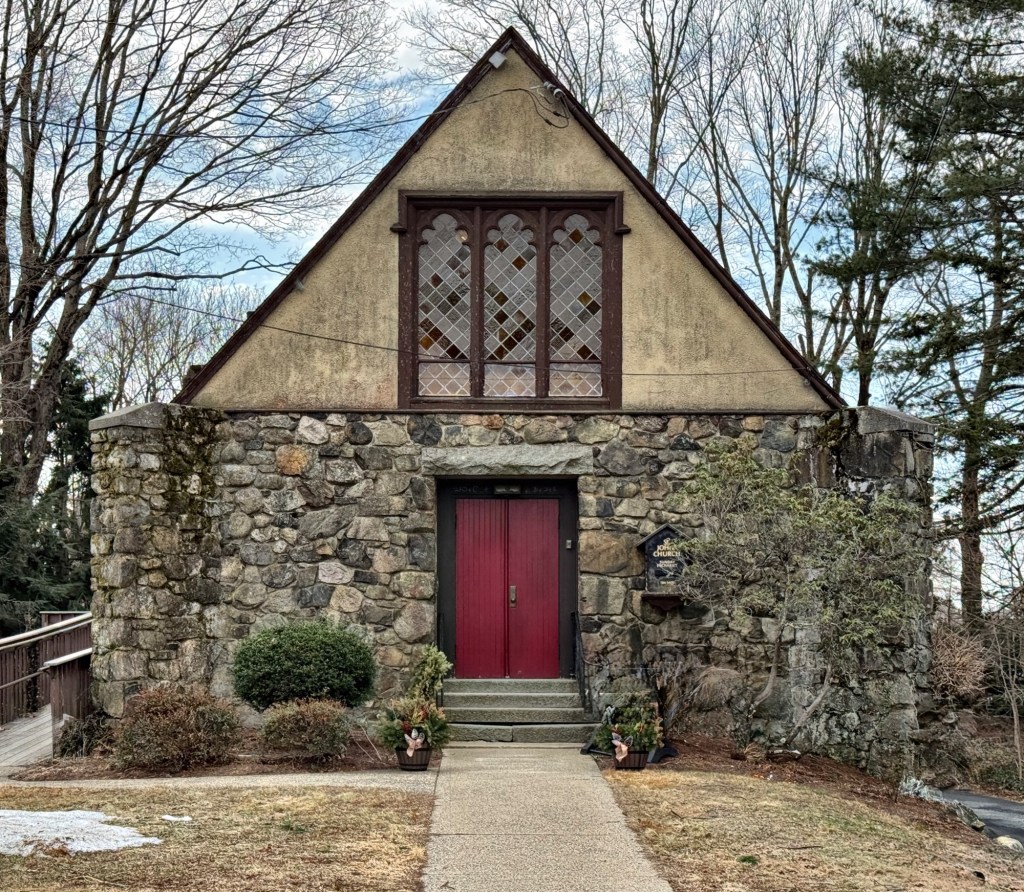
St. John’s Episcopal Church of Sharon // 1902

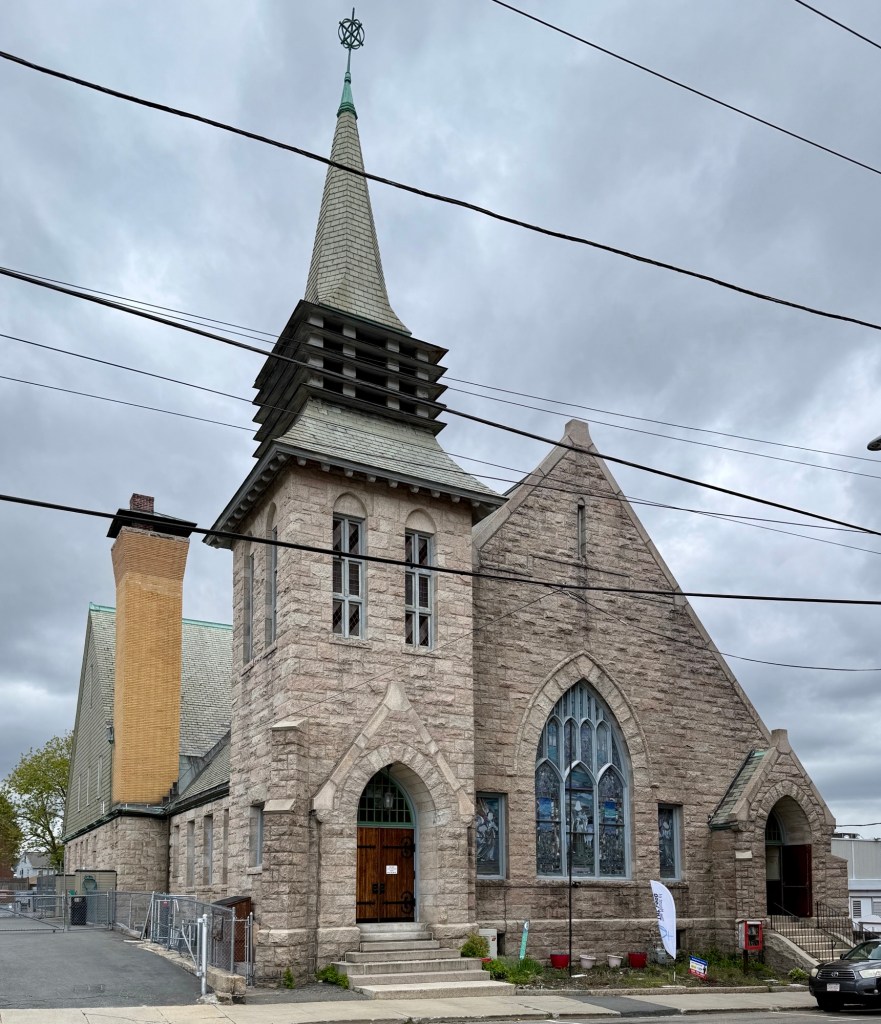
The small yet architecturally significant St. John’s Episcopal Church in Sharon, Massachusetts, was built in 1902 from plans by one of the premier ecclesiastical architects of the early 20th century. Episcopalians in Sharon began demanding their own house of worship in the late 19th century, and by the turn of the century, had funding to erect their own chapel. Boston-based architect, Ralph Adams Cram, of the firm Cram, Goodhue & Ferguson, designed the building, which fits within the scale of the residential neighborhood it is located within. St. John’s is an example of Neo-Gothic Revival architecture, a style which Cram became known for, with a fieldstone base, three feet thick, and stucco gabled facade above with tripartite windows with diamond-cut colored glass. The chapel was expanded at the rear, but maintains its rustic charm at the street.

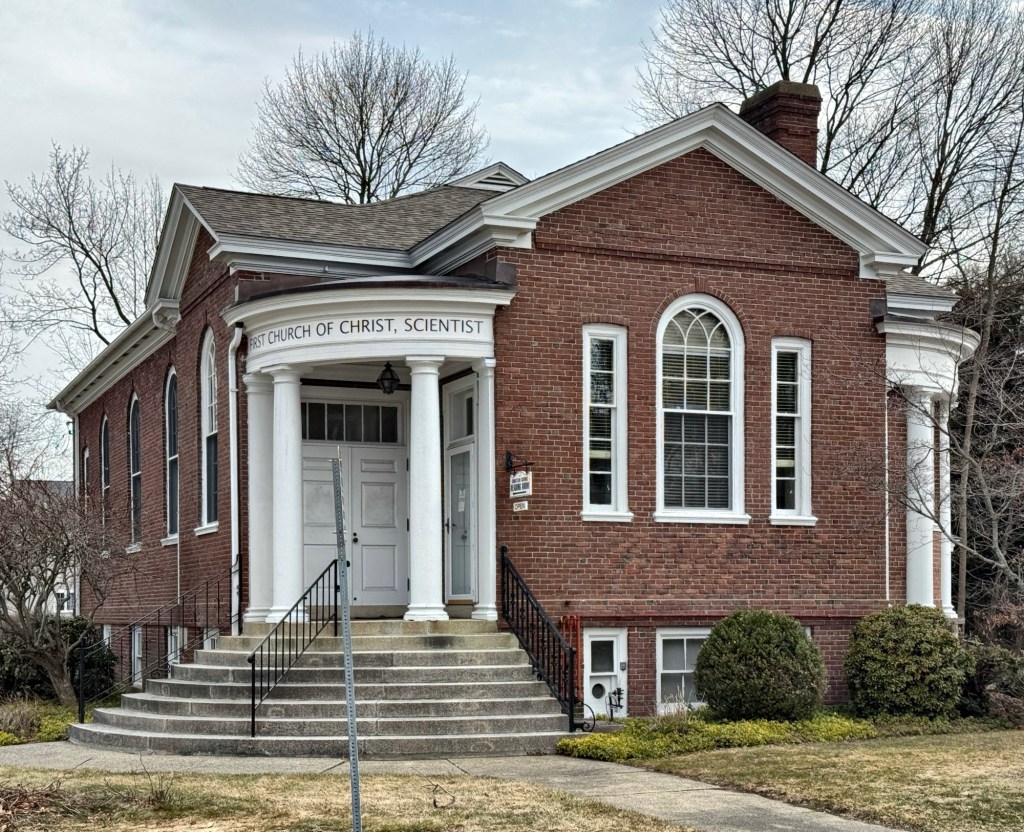
First Church of Christ Scientist, Sharon // 1928

Located on North Main Street in Sharon, Massachusetts, the community’s Christian Science Church was built in 1928 and is a great example of a diminutive chapel designed in the Colonial Revival style. Before it was completed, the Sharon Christian Science Society had been meeting and holding Sunday services in rooms at the Town Hall and other churches until funding was secured for their own house of worship. Customary of all Christian Science churches, the Christian Scientist in Sharon needed to have the building completely free of debt before being dedicated. The church was designed by architect Prescott A. Hopkins, who was likely the first person to receive a master’s degree in architecture at MIT before moving to Atlanta to became the first head of the Architecture Department at Georgia Tech. The building features a large Palladianesque window at the facade and twin curved entry porches at the facade.

Trinity Episcopal Church of Wrentham // 1872

Overlooking the Town Green in Wrentham, Massachusetts, the Trinity Episcopal Church of Wrentham stands as the town’s finest example of Victorian Gothic architecture and the community’s oldest Episcopal church. Episcopalians in Wrentham first began worshipping in 1863 and in less than ten years, quickly grew in numbers from just two members to so many that a church building was needed to house the congregation. The site on East Street was purchased and architect, Shepard S. Woodcock, was hired to furnish plans for the new building. Completed in 1872, the Victorian Gothic design features all of the hallmarks of the style, including the steeply pitched roof, pointed arch windows and entry doors, buttresses, and towering steeple.

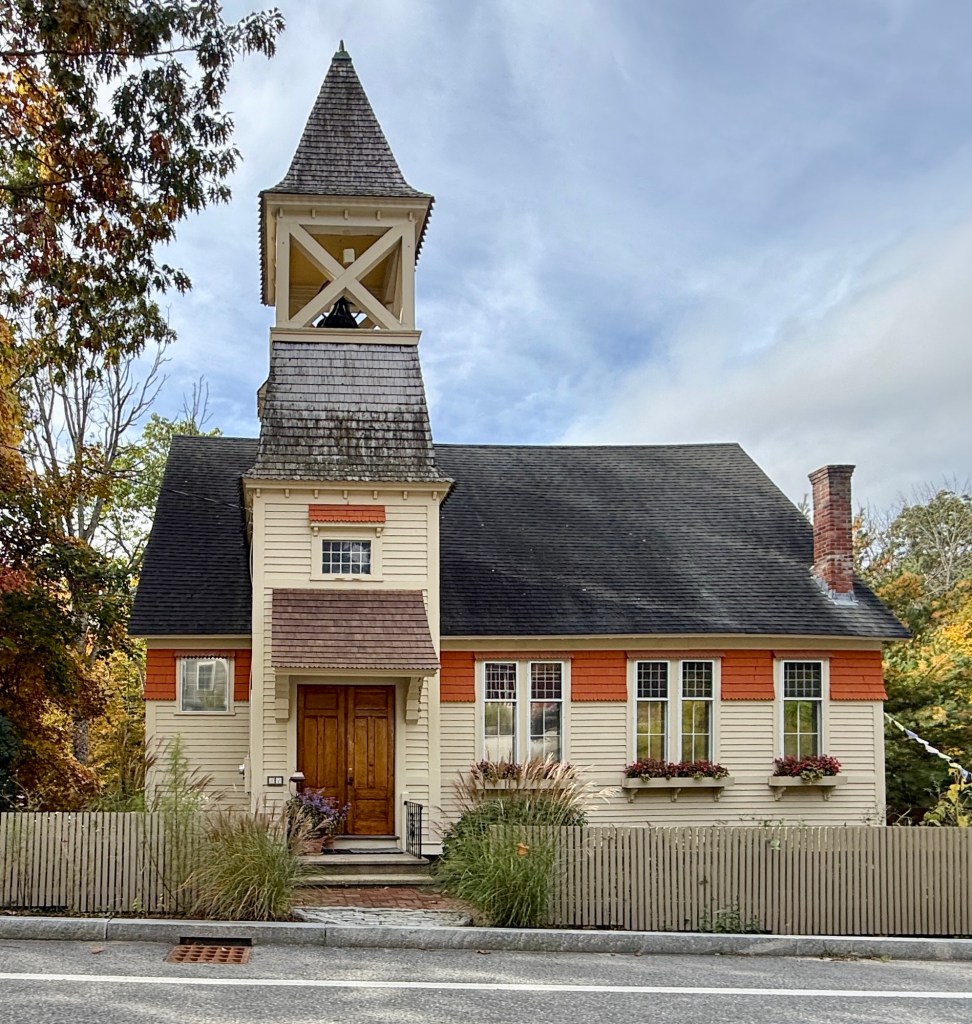
St. Mark’s Chapel, Warren // c.1853

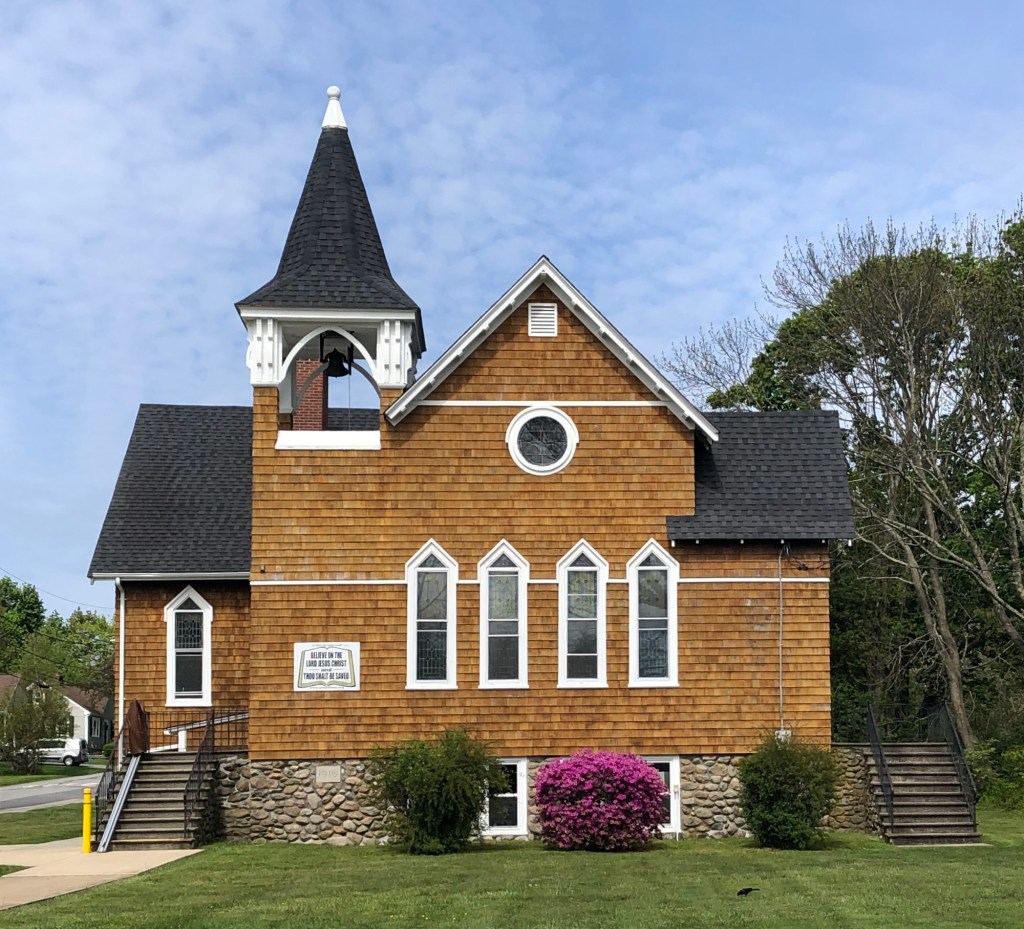
This charming shingled building on School Street in Warren, Rhode Island, was built around 1853 as a chapel for the accompanying St. Mark’s Episcopal Church a stone’s throw away on Lyndon Street. The chapel was originally constructed on the same lot as the church, but in 1863, was moved to its present location and rotated to face the street. The formerly plain chapel would be expanded in 1900, where a rear addition perpendicular to the main building was added, a new octagonal entry on the facade, and the entire building clad with cedar shingles. The chapel remained in use as a sunday school and for smaller services and later as a parish house. In 2012, the building was sold by the congregation and has since been a residence, which preserves the important architecture of the chapel while supplying much needed housing for the community. Oh how I love adaptive reuse!

Wooster Memorial Chapel, Fountain Hill Cemetery // 1915

Located in Fountain Hill Cemetery, which has become a sort of Rural Cemetery in the small town of Deep River, Connecticut, this handsome gothic chapel graces the entrance and has provided a place of solemn memorials and celebrations of life for over 100 years. The Fountain Hill Cemetery was originally established in 1851, but after a half-century of use, Miss Mary McCellan Wooster (1839-1911), sought a non-denominational chapel for the grounds to not only beautify the local cemetery, but provide a place to honor the dead. In her will, Miss Wooster left $10,000 for a new chapel. The cemetery board of directors hired architect, Isaac Allen, Jr. of Hartford, Connecticut, to design the structure. The Neo-Gothic chapel was built of local stone and opened to the public in April 1915.

Another interesting story in the cemetery is the mysterious ‘XYZ’ gravestone. Legend says that in the evening of December 13, 1899, an unnamed man arrived in Deep River, Connecticut (along with three other male accomplices), to rob the local bank. This unnamed individual was confronted by the night security guard with a sawed-off shotgun, firing at the robber, blowing away part of his face. The other three robbers fled, leaving their accomplice in Deep River. In the hope that someone could identify him, his body was laid out for viewing at the local funeral parlor. During this time, an anonymous letter arrived, requesting that the man be buried with the headstone only marked as XYZ. The odd request was accorded, but was never fully explained. To this day, many locals leave stones and coins at the marker in Fountain Hill Cemetery.

St. John’s Church, Portsmouth // 1807

St. John’s Episcopal Church is located on Chapel Street, atop Church Hill near the historic commercial center of Portsmouth, New Hampshire. A church has been located on this site since 1732, when British Anglicans built Queen’s Chapel here. It was named “Queen’s Chapel” after King George II’s wife, Queen Caroline, who donated many fine gifts to help the new parish. The congregation increased in growth alongside the community until a tragic fire on Christmas Eve in 1806, which destroyed over 300 buildings in Portsmouth including the original wooden structure of St. John’s and most of its contents. The parishioners immediately began to raise funds to erect the present brick church, with its cornerstone laid in June 1807. The Federal style church was one of the first known buildings by architect-engineer, Alexander Parris, in the time before he moved to Boston, designing many iconic buildings there. St. John’s Church of Portsmouth stands as the oldest Episcopal Parish in New Hampshire and was individually listed on the National Register of Historic Places in 1978.

St. Mark’s Orthodox Church // 1882

Built in 1882 as a Catholic mission church, the St. Mark’s Orthodox Church on Main Street in Kingston, Massachusetts, stands as a lovely example of a Victorian Gothic ecclesiastical building in a great state of preservation. In the waning decades of the 19th century, the Irish and Catholic population of Kingston grew, which led members to petition the Diocese to erect a mission church closer to their homes, rather than attend St. Peter’s in Plymouth. Originally called St. Joseph’s Church, the building served the local Catholic population until after the new, brick St. Joseph’s. Church was built further down Main Street in the 1930s. The local St. Mark Of Ephesus Orthodox Church congregation purchased the chapel in 1995 and restored the building, removing faux-brick shingling and reshingled the exterior.