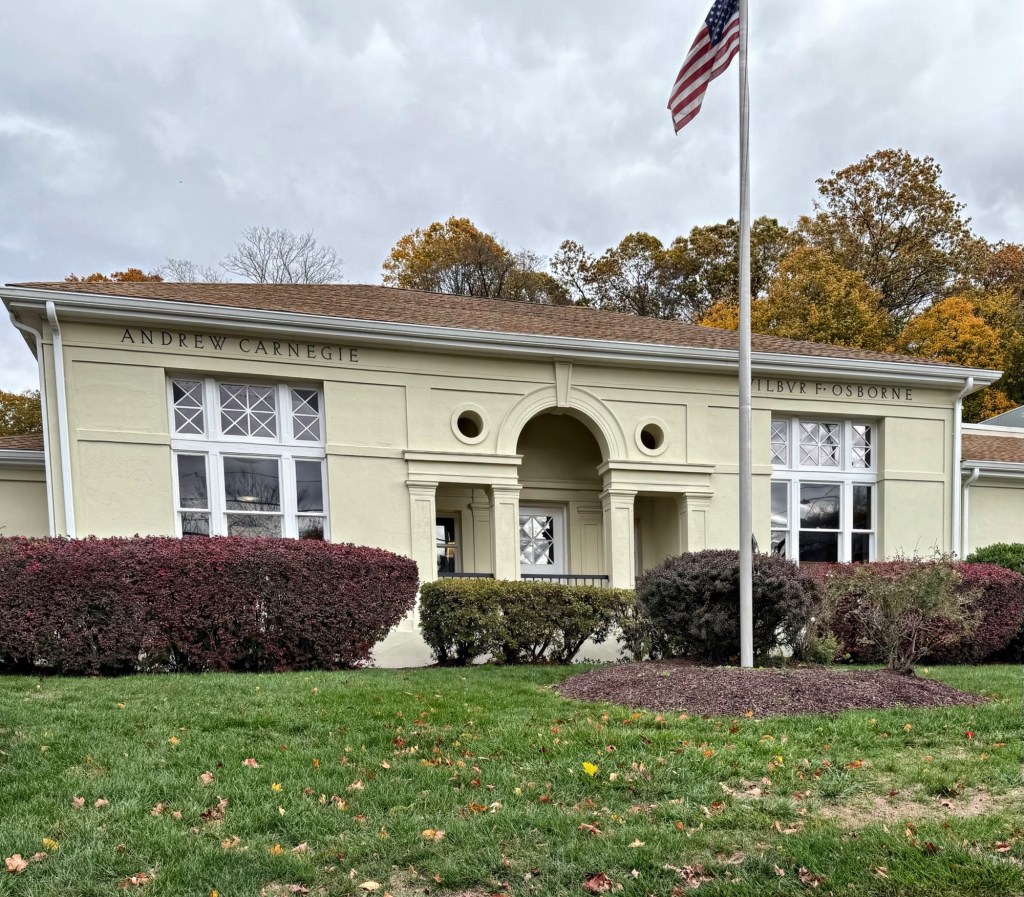
Derby Neck Library // 1907

The Derby Neck Library in Derby, Connecticut, is a beautiful example of an early 20th century library and one of a few Carnegie libraries in the state. The beginnings of the library began in 1897, when Wilbur F. Osborne and his wife, Ellen Davis Osborne, who lived at the nearby Osborne Farm, donated $50 to the nearby school to begin a small library in the building. After years of growth, Wilbur Fisk Osborne, requested funds from Andrew Carnegie, who was donating money to communities all across the country for such purposes, to build a new library for Derby Neck. In 1906, Carnegie donated $3,400 to the community, and planning began on the building. Sadly, Osborne died around the time the library opened in 1907. The building was designed in the Classical Revival style by architect, Henry Killam Murphy of Connecticut. Osborne’s daughter, Frances Osborne Kellogg, who inherited her father’s farmhouse nearby, directed the library until her death in 1956. The building was expanded in 1972 and again in 1999.

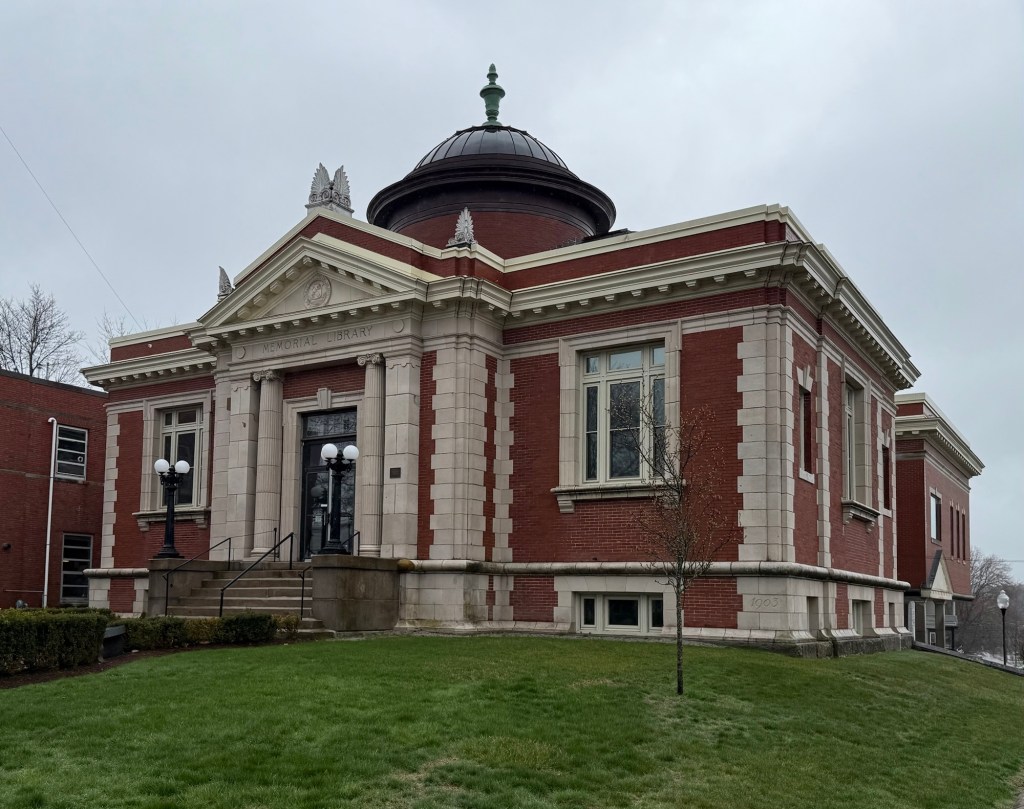
Rockland Memorial Library // 1903

The Rockland Memorial Library in Rockland, Massachusetts is one of the most architecturally and historically significant buildings in the town. The Classical Revival style library was built in 1903 and is the Town of Rockland’s first purpose-built library structure. When Rockland separated from adjacent Abington in 1874, much of the collection became housed in a commercial building, which was consumed by fire in 1890, taking much of the collections with it. Although funds were raised soon after the fire for a permanent home for the library, its construction was made possible by a grant of $12,500 from Andrew Carnegie in 1902, as part of his nationwide gift to cities and towns for libraries. The handsome structure is constructed of brick, granite, and terra cotta, and was designed by the Boston-based architectural firm of McLean & Wright. The most interesting features of the building include the rooftop dome containing skylights and capped by a finial and the projecting entrance with pediment, quoins, and engaged Ionic columns.

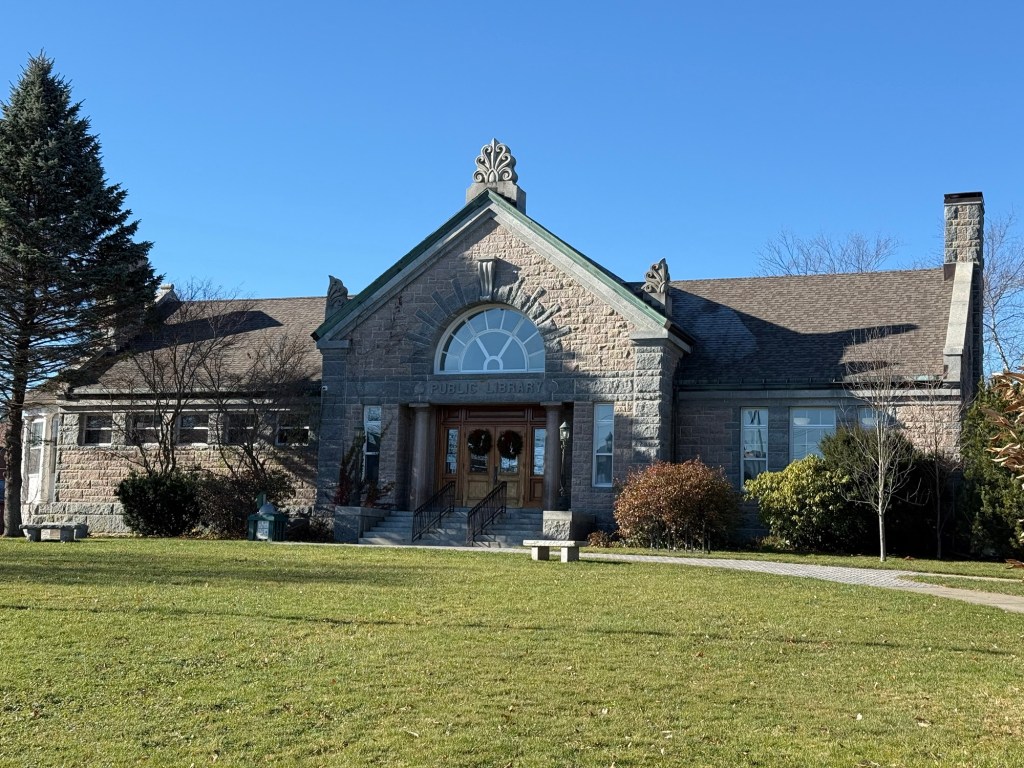
Rockland Public Library // 1903

The Rockland Public Library in Rockland, Maine, is an architecturally significant civic building that showcases the coastal town’s prosperity at the turn of the 20th century. The library was built in 1903–04, and was funded in part by a $20,000 grant from Andrew Carnegie. It is the city’s only major example of Beaux Arts architecture, a style that is also uncommon in the state. The library was designed by Maine native George Clough, who used granite quarried from nearby Vinalhaven in its construction. The building was later expanded by an addition at the rear, but from the street, the handsome Beaux Arts library looks near-identical as to when it was built over 120 years ago!

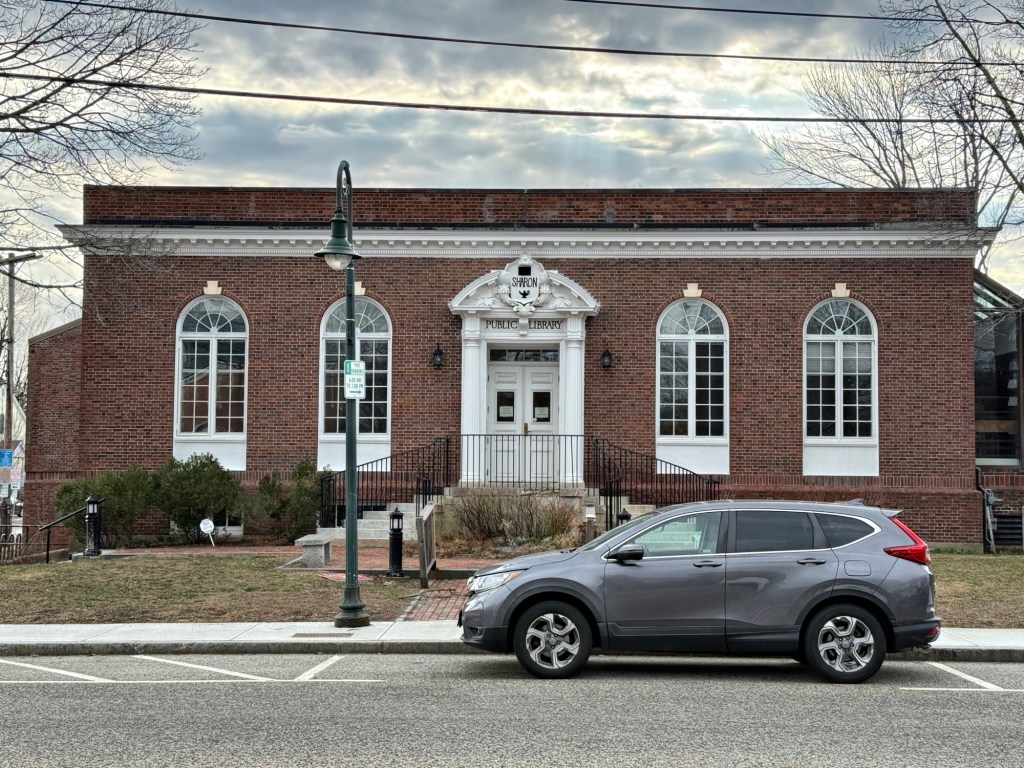
Rockport Carnegie Library // 1907

Rockport’s Town Hall opened in 1869. In the year that followed, a series of concerts and lectures—including one by Mark Twain—raised $250 to establish a town library. The town members accepted the donation and approved matching funds for the project in 1871, and a space was allocated in the town hall for the library. This space was quickly outgrown as the town continued to grow, and the townspeople clamored for more books. In the early 1900s, members of the town began negotiating with Andrew Carnegie, who was giving libraries to towns that could not afford them. In 1903, a town meeting accepted Carnegie’s offer to provide $10,000 to build a free public library building for Rockport and the town acquired a lot for the new building. Rockport’s Carnegie Library was built in 1907. The structure is built of locally quarried granite with Classical Revival detailing. The building functioned as a library until the fall of 1993, when additional space was needed and the town converted an old school to serve as the new building. The old Carnegie Library in Rockport was converted to a private home.