Dudley W. Davis House // c.1900

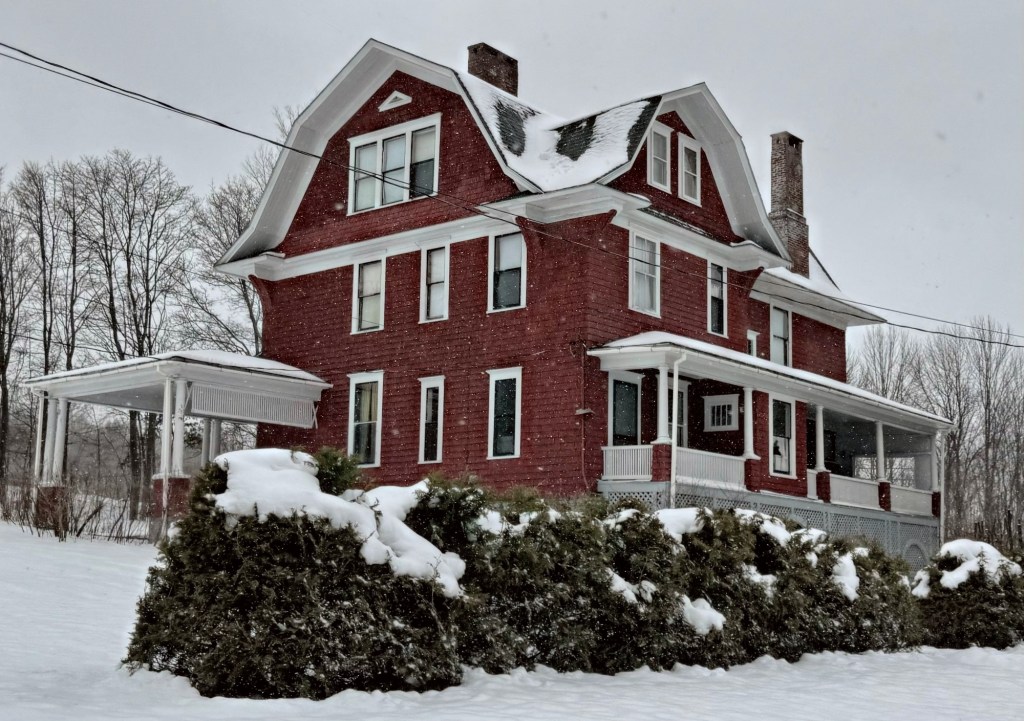
Dudley William Davis (1857-1942) was born in Quebec, Canada and eventually moved to the United States, graduating from Bates College and settling in the border town of Derby, Vermont. Here, he engaged in business and became the cashier, and eventual President of the Derby Line National Bank (featured previously). His success in banking afforded him the ability to purchase a house lot on high ground in town, and he had this large home built. Clad with wood shingle siding and a prominent cross-gambrel roof, the house retains much of its original architectural integrity.

Derby Line National Bank // 1874

Another of the more stately institutional buildings in the small village of Derby Line, Vermont, the Derby Line National Bank stands out as an uncommon brick structure on the town’s Main Street. The bank was founded in 1851, as the People’s Bank in Derby Line and in 1865, it converted to a national charter and became National Bank of Derby Line. The bank provided citizens access to credit and as a result several small-scale manufacturing businesses were started in town. This brick banking structure was built in 1874 in the Italianate style with round arched windows, bracketed eaves, and granite block quoins at the corners. The bank was absorbed into the Community National Bank, who occupy the building to this day.

Cobb-Foster House // 1861

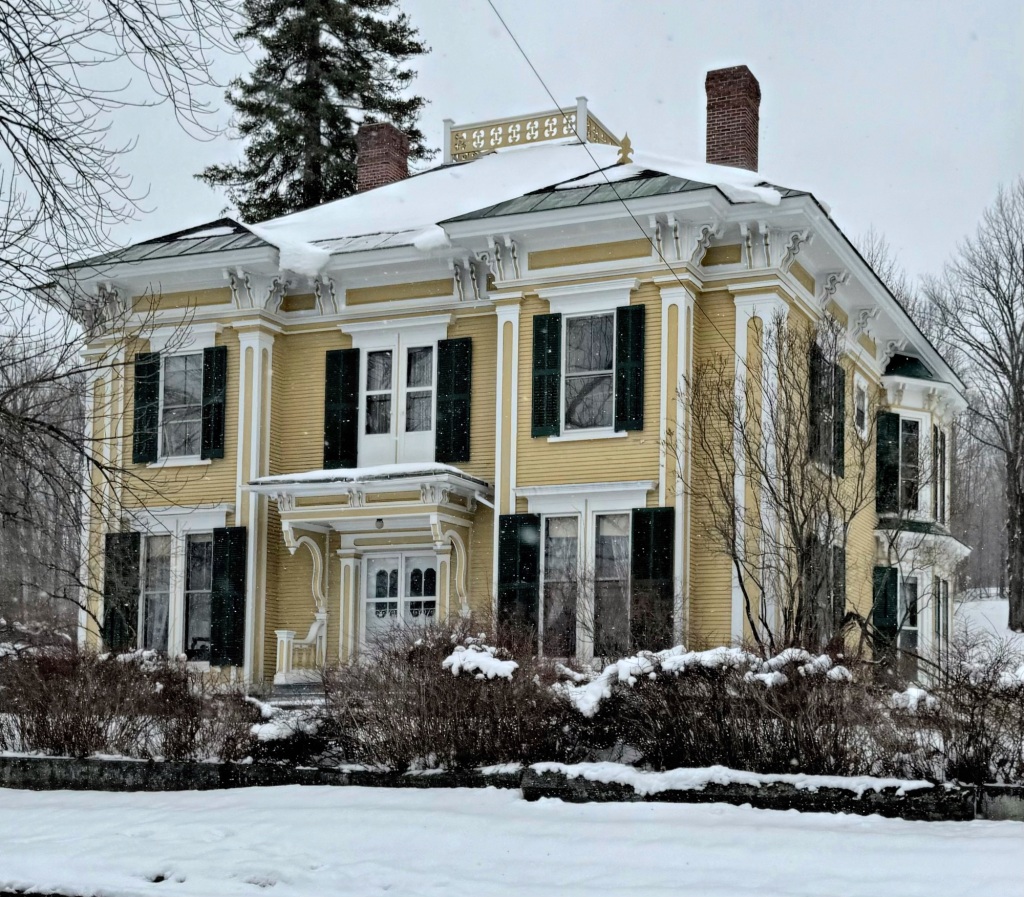
The Northeast Kingdom of Vermont is not necessarily known for stately houses, but no matter where you go in New England, you can always find interesting old buildings. This is the Cobb-Foster House of Derby Line, Vermont. The house was built in 1861 for Walter B. Cobb, a director of the People’s Bank of Derby Line. After later owners bought and sold the property in quick succession, the house was purchased by Stephen A. Foster, a lawyer and judge who would eventually move out of town, selling the property to Austin Theophilius Foster, a nephew. As architectural styles were later to arrive to rural parts of the country, this house expresses the Italianate style, but with holdover features from the Greek Revival style, which was already a decade out of style in 1861 around Boston and other well-connected areas.

Martha S. Haskell House // c.1870

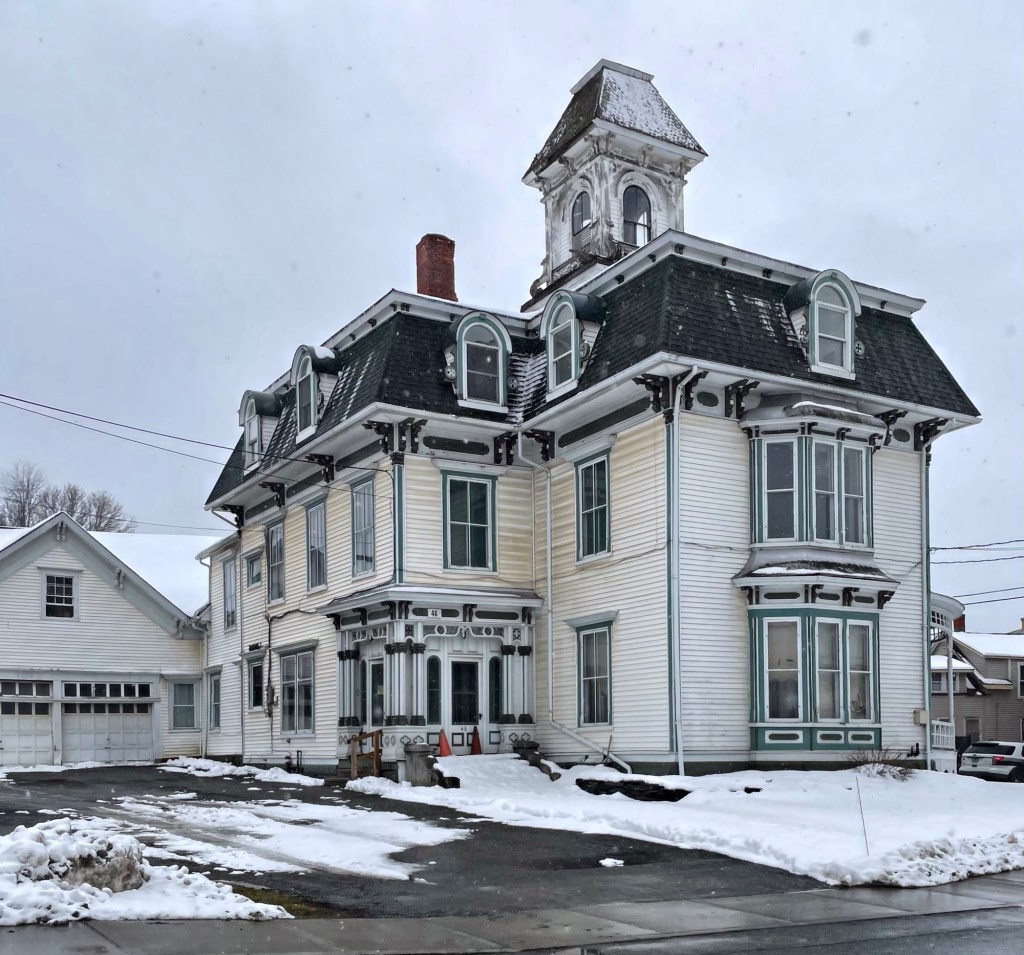
Martha Martin Stewart Haskell (1831-1906) was born in Derby, Vermont and was among the town’s most distinguished residents. Through her parents, Horace Stewart and Catherine Hinman, and her husband, businessman Carlos Haskell, who died in a tragic accident at the age of 41, Martha Haskell inherited a considerable fortune. She would build this stately Second Empire style mansion in the village after her husband’s untimely death and devoted much of her time to local affairs. Decades later, her idea to establish a public library and opera house for the benefit of the border communities came to fruition when she and her son funded and oversaw planning of the Haskell Free Library and Opera House, which was built a stone’s throw from her home.