Maine State Building // 1893

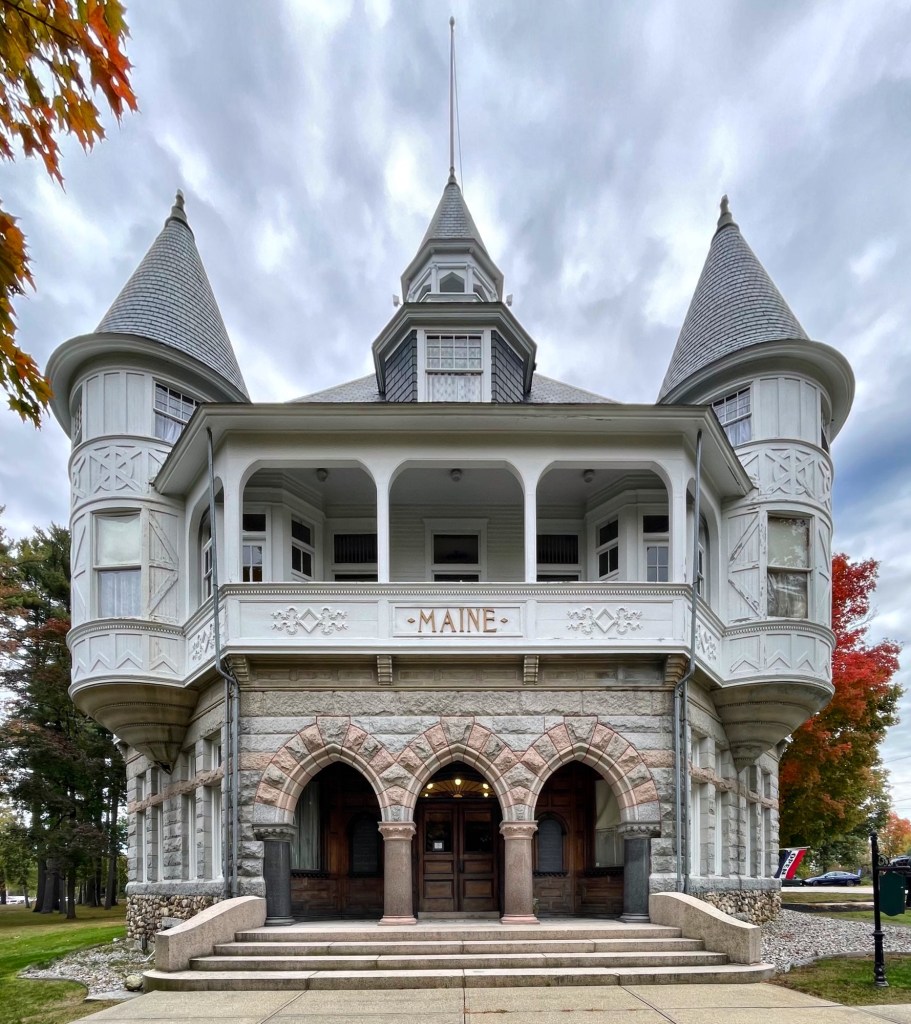
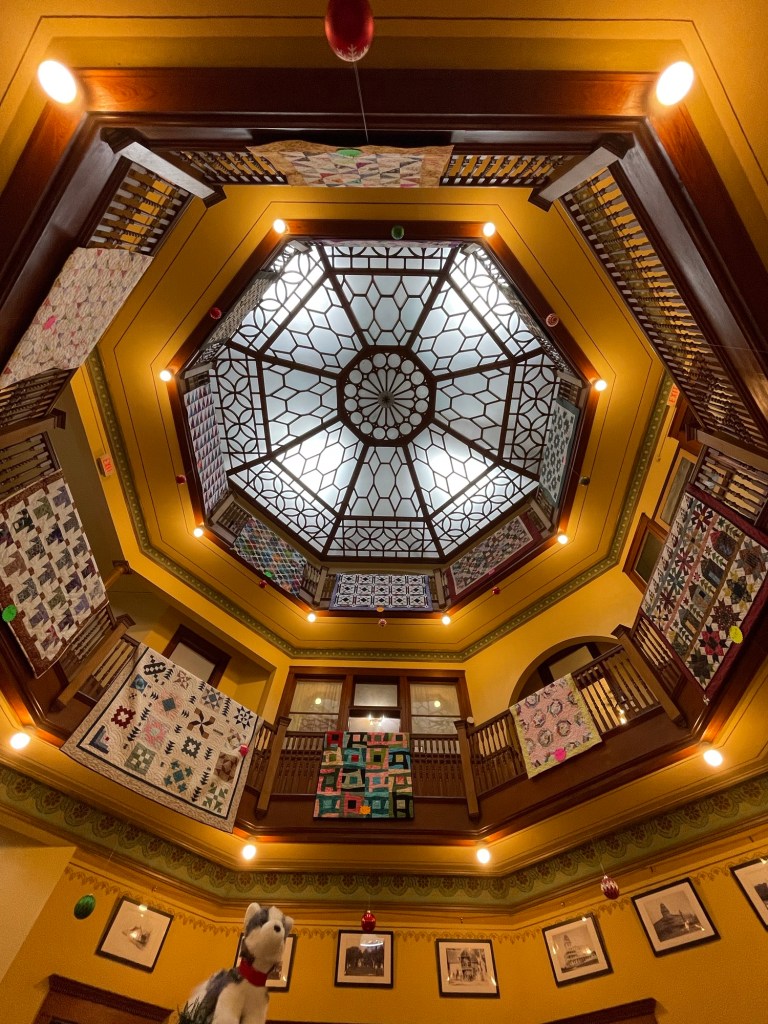
The Maine State Building is a one-of-a-kind landmark located in the Poland Springs Historic District of Poland, Maine, though it was not originally built in this location! The Victorian structure was built in 1893 at the Columbian Exposition in Chicago (aka the Chicago World’s Fair) as one of the State Buildings constructed by each U.S. state to highlight their history. Designed by Chicago architect Charles Sumner Frost, a Lewiston, Maine native and MIT graduate, the building was constructed of granite with a slate roof. After the close of the fair, the Ricker family of Poland Spring, purchased the building from the state. They had it dismantled, moved to Maine, and rebuilt on their resort, which brought even more visitors to their property. In Maine, it reopened in 1895 as a library and art gallery for their hotel guests. Along with the Norway Building in Norway, The Dutch House in Brookline (a personal favorite), the Palace of Fine Arts (now the Museum of Science and Industry) and World Congress Auxiliary Building (now the Art Institute of Chicago) in Chicago, the Maine State Building is one of the few remaining buildings from the 1893 World’s Fair, and the only State Building remaining. It has been lovingly preserved and operated by the Poland Spring Historical Society, who operate the building as a museum.
Head Tide Church // 1838

In the early 19th century, Head Tide was a bustling village within the Town of Alna, Maine, supported by mills at the dam, agriculture and apple orchards, boat building, fishing and forestry. As Head Tide grew in population, village leaders determined to build their own Congregational church so they would not have to travel the three miles to the 1789 Meeting House in Alna Center. The Head Tide Church in Alna, Maine was dedicated in November 1838 and sits on a hill overlooking the village. The Head Tide Church is a handsome rural Maine house of worship which exhibits a combination of Federal style, Greek Revival, and Gothic Revival elements in its design. The facade displays the outline of a Grecian temple front with its six pilasters and strongly accented triangular pediment. The Federal fan motif appears above the two facade windows as well as in the center of the pediment and the Gothic Revival influence is felt in the two pointed arch windows on either side of the church and in the simple pinnacle at the top of each corner of the belfry. The church is a high-style building for the rural Maine village and is kept very well by the community. The congregation disbanded, but the church remains an important part of the town and is rented for memorial services, events, weddings.

Riverside Hall // c.1860

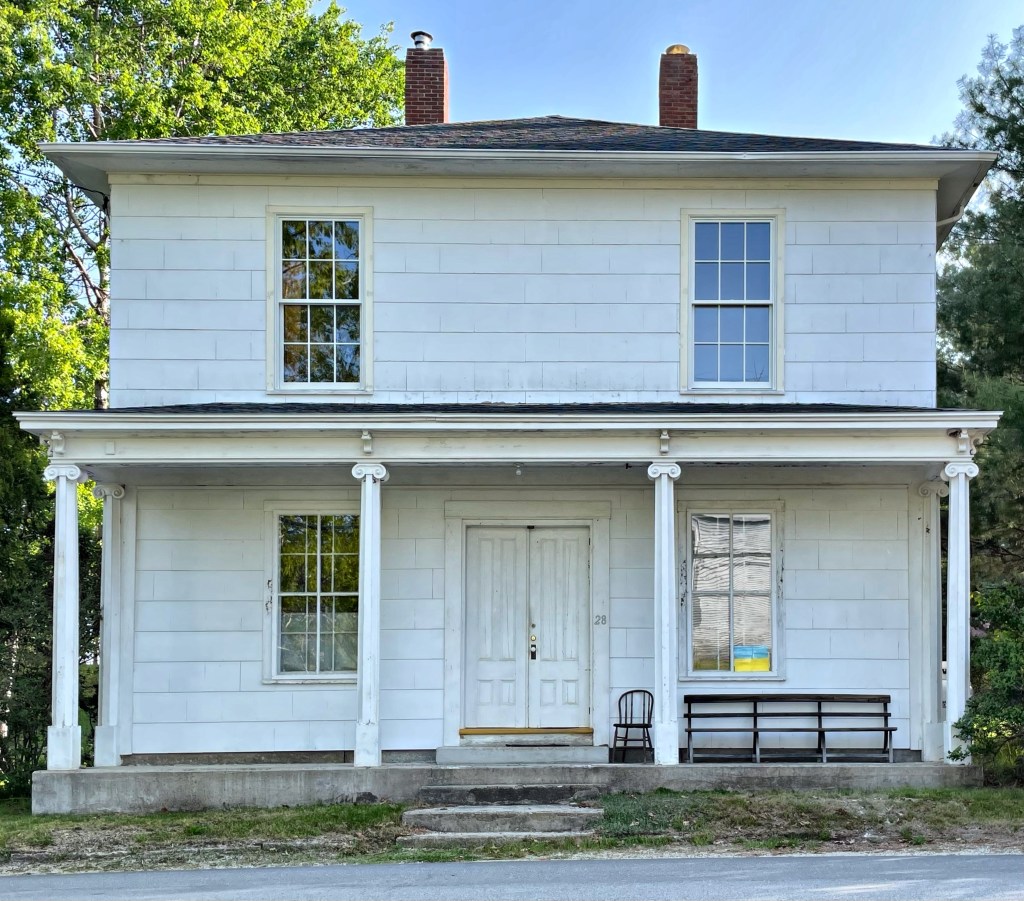
Located across the street from the Sedgwick Baptist Church at 28 High Street, this modified Greek Revival style building in Sedgwick, Maine stopped me in my tracks. Sadly, I could find little on the building besides the fact that the building is absent from an 1860 map of Hancock County, but it appears in an 1881 map listed as “Hall”. The building exhibits flush siding which is scored to resemble ashlar/stone construction, overhanging eaves with a hipped roof which was common in the Italianate style, and a full-length one-story portico supported by square posts with applied Ionic detailing. That’s something I’ve never seen before! Upon a little more digging, I found a historic image of the building titled, “Riverside Hall”. The photograph shows a Second Empire style building with a mansard roof and cupola. The unique portico is shown as well. The local library lists the Riverside Hall as a community hall where events and gatherings were held. A fire destroyed the roof and much of the interior, but it was renovated and converted into a single-family home.