Salem Christian Science Church – Witch Dungeon Museum // 1897

This Shingle-style church building on Lynde Street in Salem, Massachusetts, was built in 1897 as a satellite chapel for the First Congregational Society in Salem. The chapel was constructed from designs by the Boston-based architect Edward B. Stratton. From 1908 to 1979, the building was owned by the Christian Science Church and was eventually sold to private ownership in 1979, where it has since been home to the Witch Dungeon Museum. The building has retained much of its original design, including the large Gothic sanctuary window, tower, and decorative trusses at the gable. Sadly, the original shingles have been replaced by later siding.  
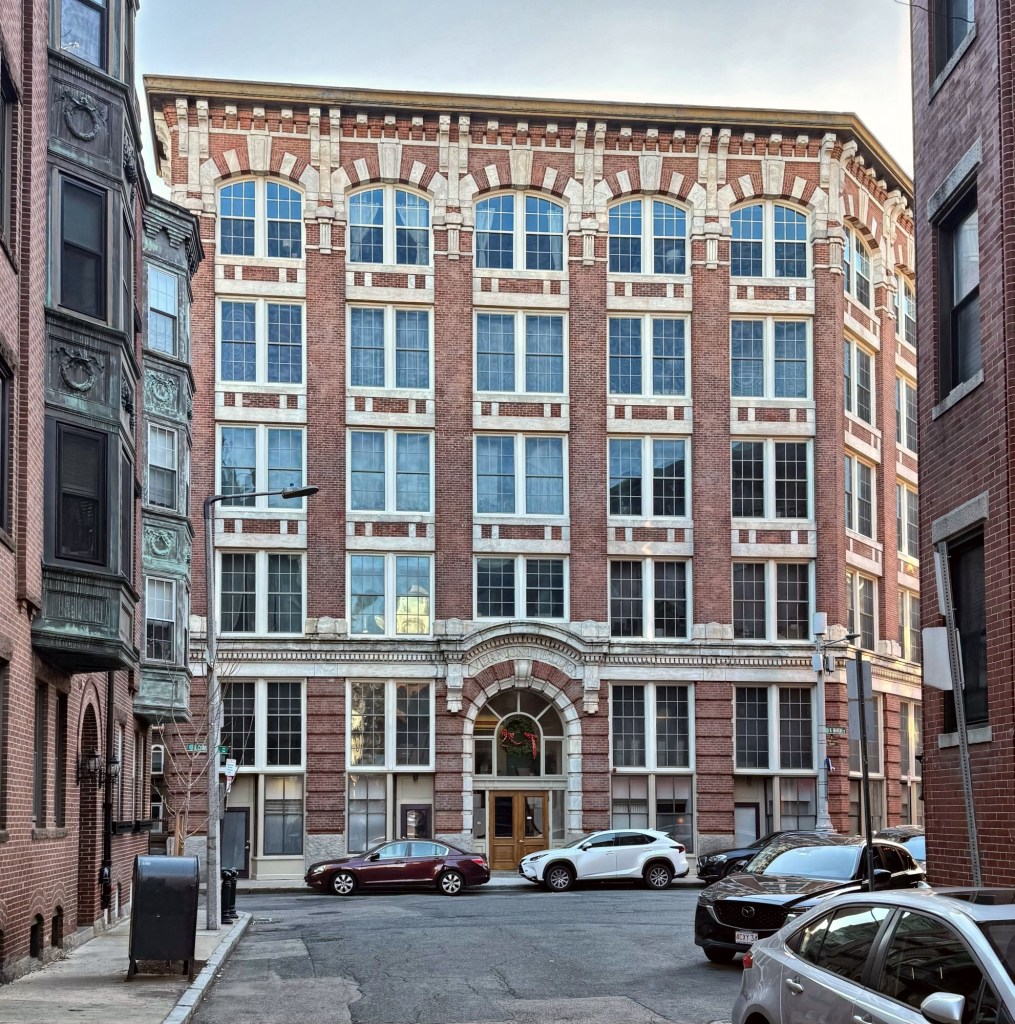
Vermont Marble Building // 1904

Located across the street from Regina Pizza in Boston’s North End, the Vermont Building stands as one of the most ornate and decorated buildings in the neighborhood. Designed by Boston architects Arthur H. Bowditch and Edward B. Stratton and constructed in 1904, the Vermont Building is a six-story brick commercial building with marble detailing. The building was erected as a personal investment by Redfield Proctor, U. S. Senator from Vermont and partner in his family’s marble company based in Proctor, VT, with the building used for light manufacturing, a warehouse, and storefronts. The building has since been converted to housing as lofts.

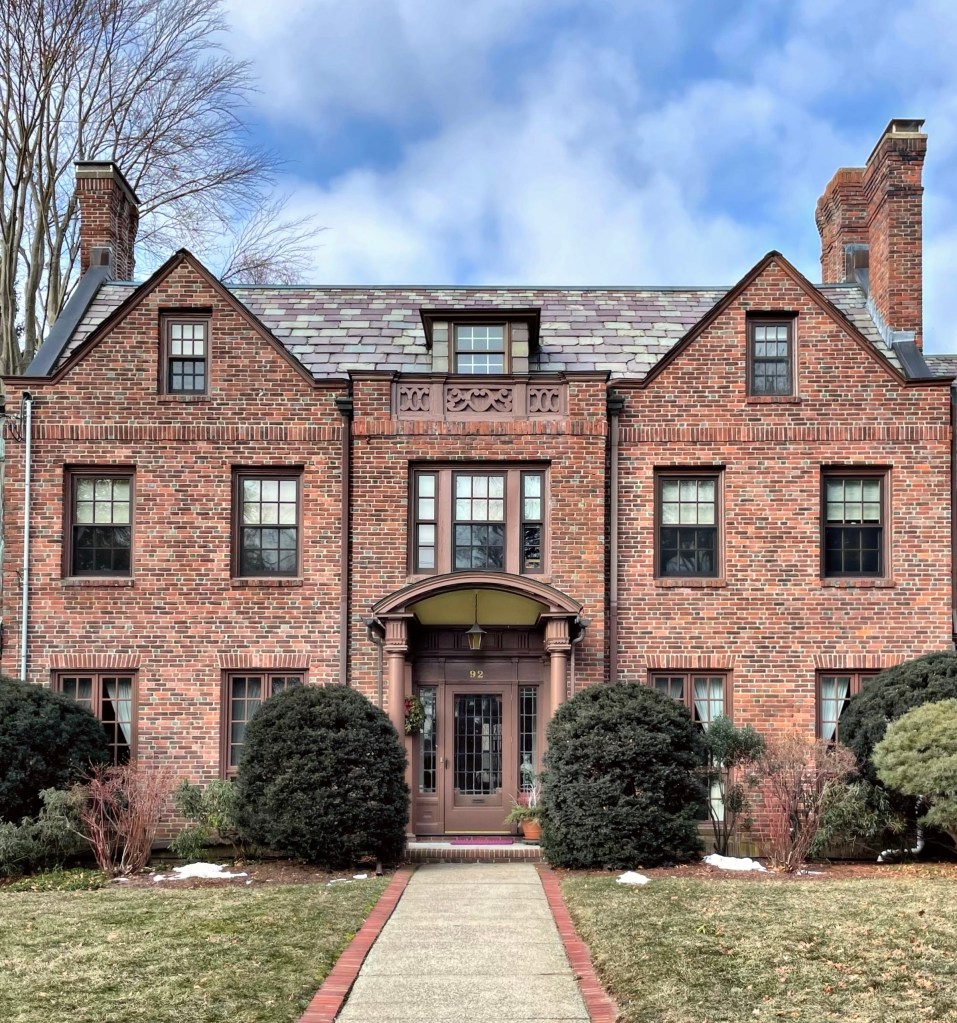
Emmett House // 1917

This refined brick Tudor Revival house in the Waban Village of Newton was built in 1917 for Lila and James Emmett. The couple hired Boston architect Edward B. Stratton to furnish plans for the home, which fits in to the early 20th century neighborhood. The symmetrical home has two gables at the facade which frame the central bay with a segmental pediment at the entrance.

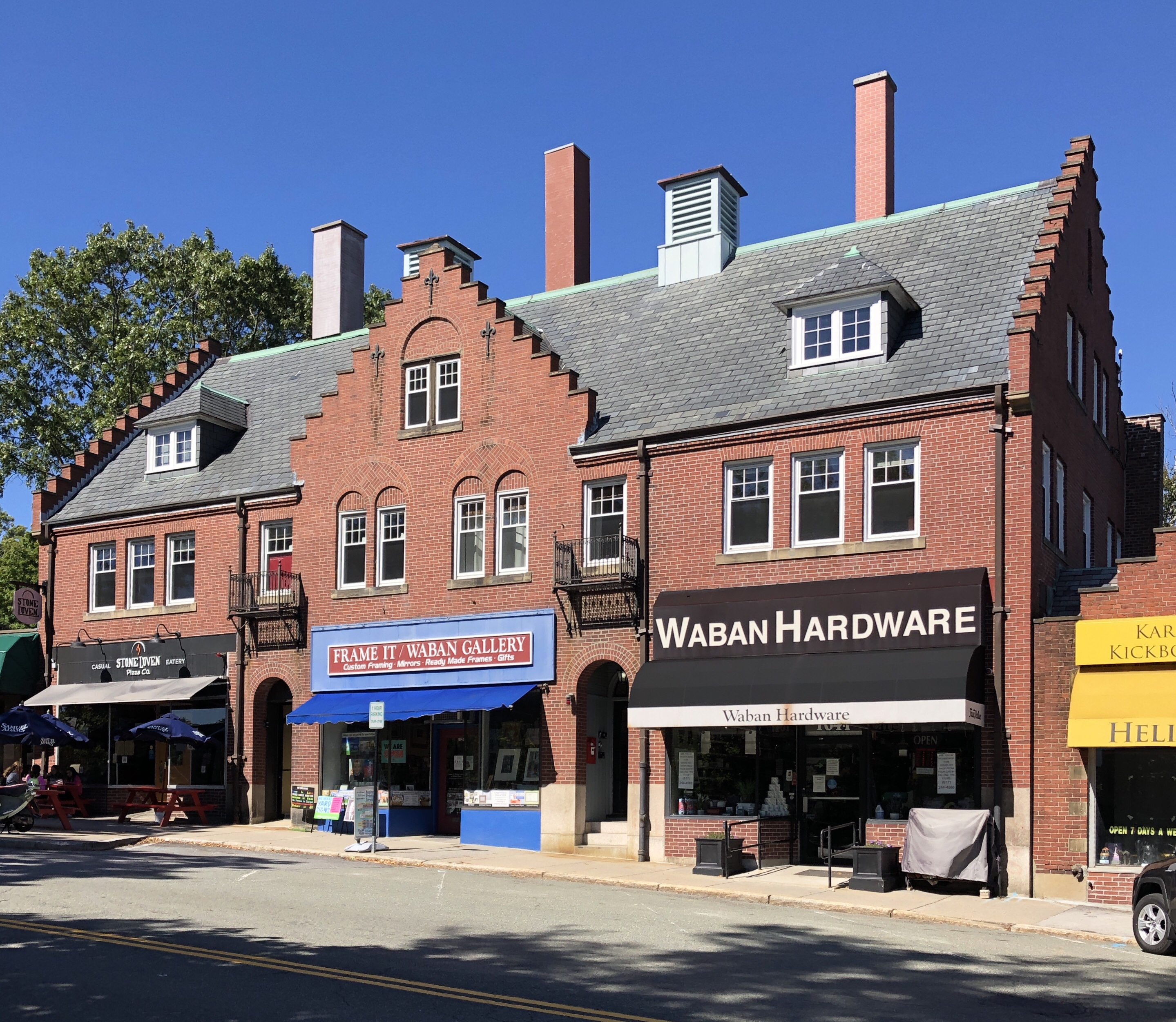
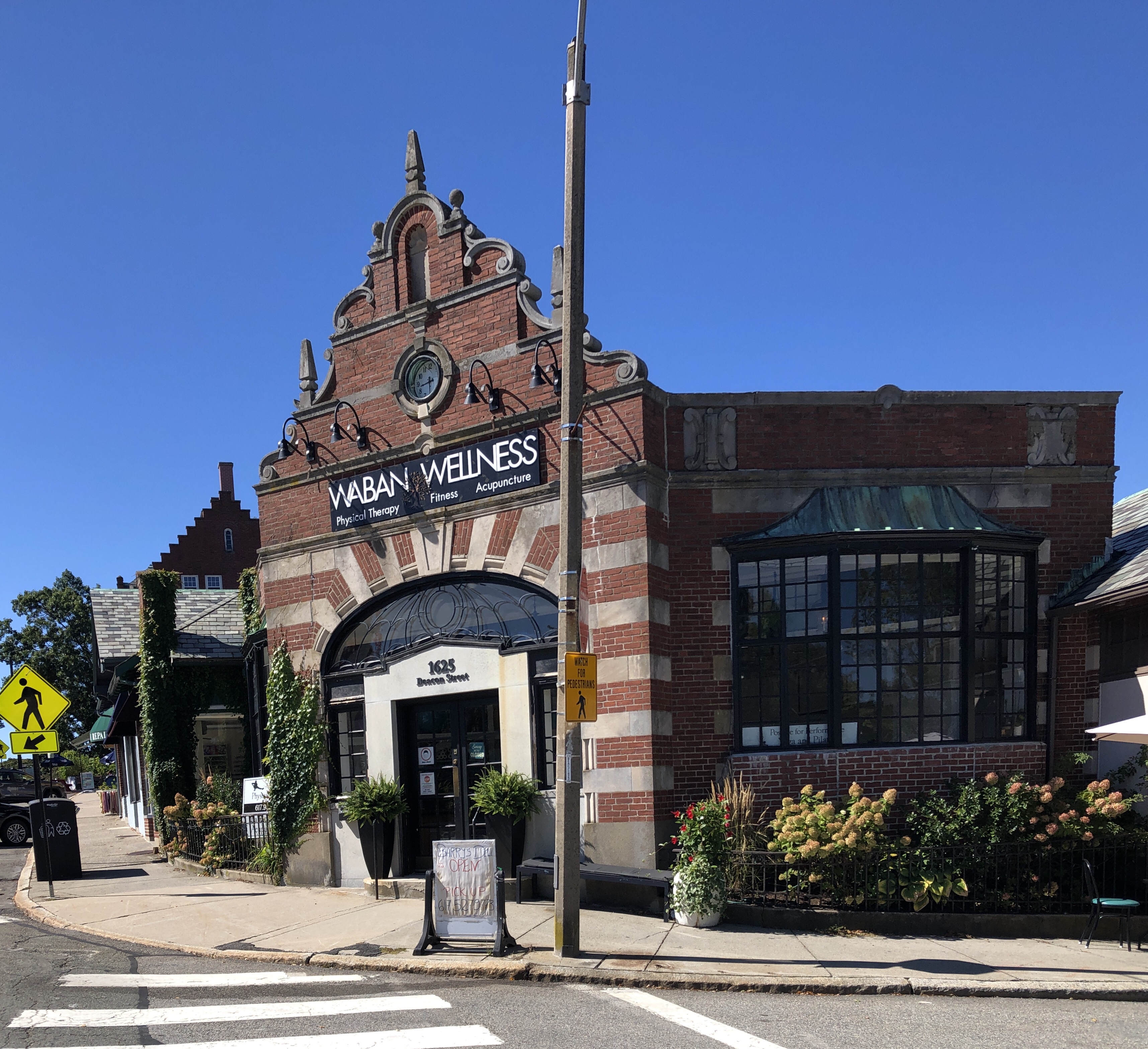
Strong’s Block // 1896

William C. Strong, a prominent local citizen who resided nearby, had this stylish commercial block built to serve the expanding population of the village which eventually became known as Waban. After the completion of the Waban Train Station, the demand for neighborhood retail became apparent and William Strong was an early developer to realize this. He hired Lewis Bacon, an architect who resided nearby, to design the commercial block. The result is a stunning Dutch Revival building with gables showcasing stepped parapets. The upper stories were apparently used as apartments when completed. Notwithstanding Strong’s efforts, the Waban commercial district developed rather slowly. It was not until 1924 that the row of one-story shops was added to its right. The addition was designed by Edward B. Stratton, who followed suit with Tudor and Jacobean motifs, to compliment the Dutch Revival block.