First Church Congregational of Fairfield // 1892

The First Church Congregational in Fairfield, Connecticut is the sixth church to occupy this site! The first structure was built in 1640, and the current building was constructed in 1892. The third version of the church was burned by the British in 1779, while the fourth “meeting house” took nearly 42 years to finish and was partially funded by the sales of properties which formerly belonged to Tory sympathizers. The Romanesque Revival church was designed by architect J. Cleaveland Cady, who is best known for his design of the south entrance of the American Museum of Natural History on the Upper West Side of Manhattan.
Captain John Maltbie House // 1766

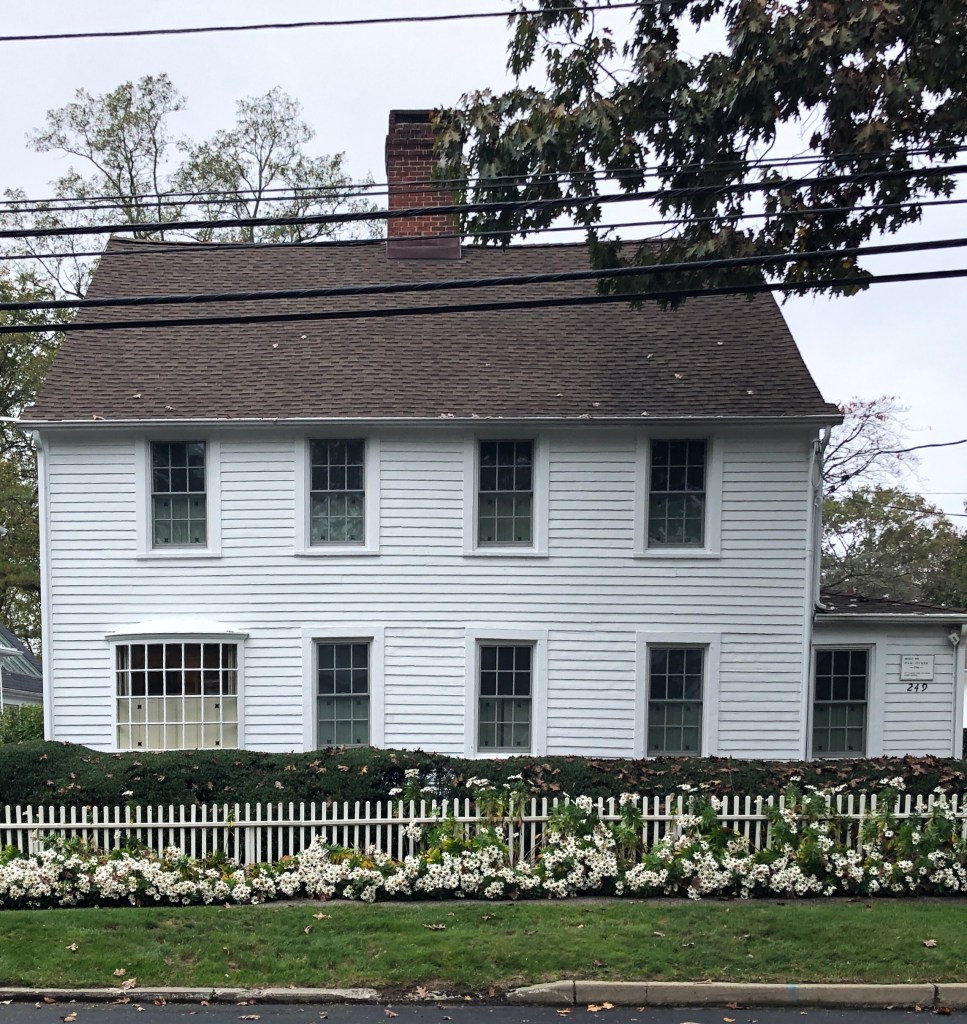
On July 7-8, 1779, the Red Coats marched through Fairfield torching houses to punish the locals for seeking independence. They killed locals, destroying anything they could find on their way out, setting fires to homes and civic buildings around the Green. This home was built by Isaac Tucker, later sold to Jonathan Maltbie, sea captain involved with East Indies trade. He later would fight against the British during the Revolution, and after the war, was hired as captain on one of the first cutter ships built, the Argus. During the British invasion of Fairfield, they attempted to set fire to this home three times, but it seemed to never go up in flames when they returned. The tradition holds that an elderly servant, hiding upstairs, put out the flames and saved the house from destruction, after the British Troops torched it. Burn marks apparently remain inside to this day. Since the home was built, the front door facing the street was relocated to the side, and a large multi-pane bay window was installed in its place.

Old Fairfield County Courthouse // 1794

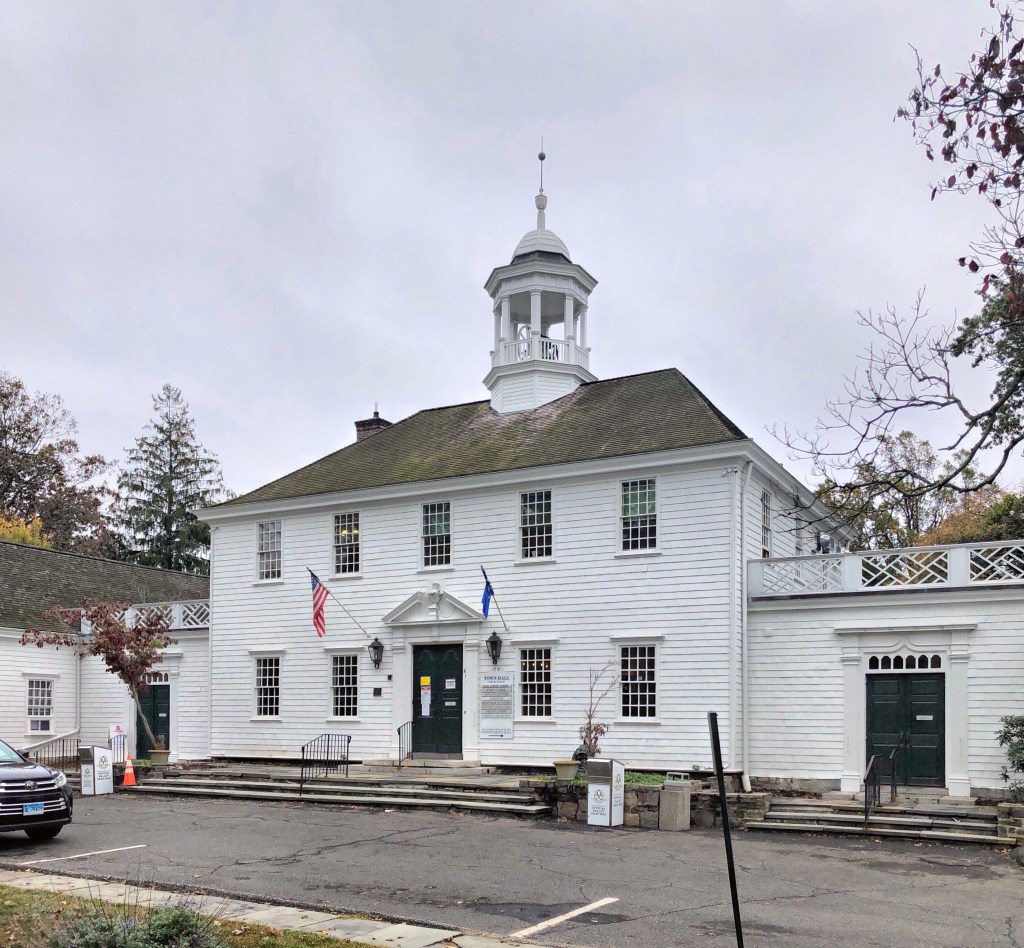
Located at the Fairfield Town Green, the Georgian-style Fairfield County Courthouse stands as a reminder on the town of Fairfield’s Colonial-era history. The first courthouse at the site was built in 1720. After a fire destroyed the first (which housed the jail as well), a second structure was built in 1767. That second courthouse was the center of a thriving, wealthy village with a port just blocks away. In July 1779, the British landed in Fairfield and destroyed much of the town, harming its prosperity for decades to come (though it has clearly recovered since). In 1794, a new courthouse was built, also housing town offices. In 1870, it became solely a town hall (the County Court moved to Bridgeport years before) modified and altered in the Second Empire style to ‘modernize’ the building. As Colonial Revival resurged in popularity in the late 19th and early 20th- centuries, the town sought to bring back the Georgian style Town Hall building, in 1936 hiring architect Cameron Clark, to restore the building.