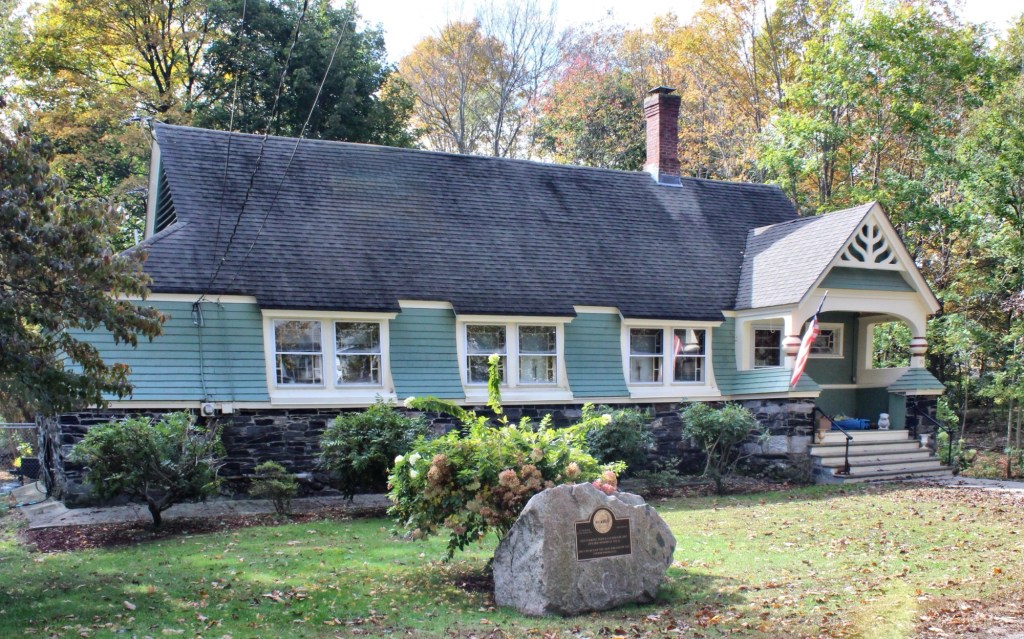
Swedenborgian Church of Lancaster // 1881

Built in 1881, the Swedenborgian Church of the New Jerusalem in Lancaster, Massachusetts, is a handsome Victorian-era chapel that has been well-preserved for nearly 150 years. The Queen Anne/Shingle style church was designed by architect Francis Ward Chandler of the firm, Cabot & Chandler, for the local Swedenborgians in Lancaster, some of which likely spent summers in Lancaster from Boston. The membership of the church dwindled in the early 20th century, and the congregation sold the church to a local women’s social group, the Current Topics Club in 1923. The women’s club met in the old church and maintained the building for nearly a century until the building sold to private owners in about 2007, who converted it to a residence, preserving the unique architecture we still see today.
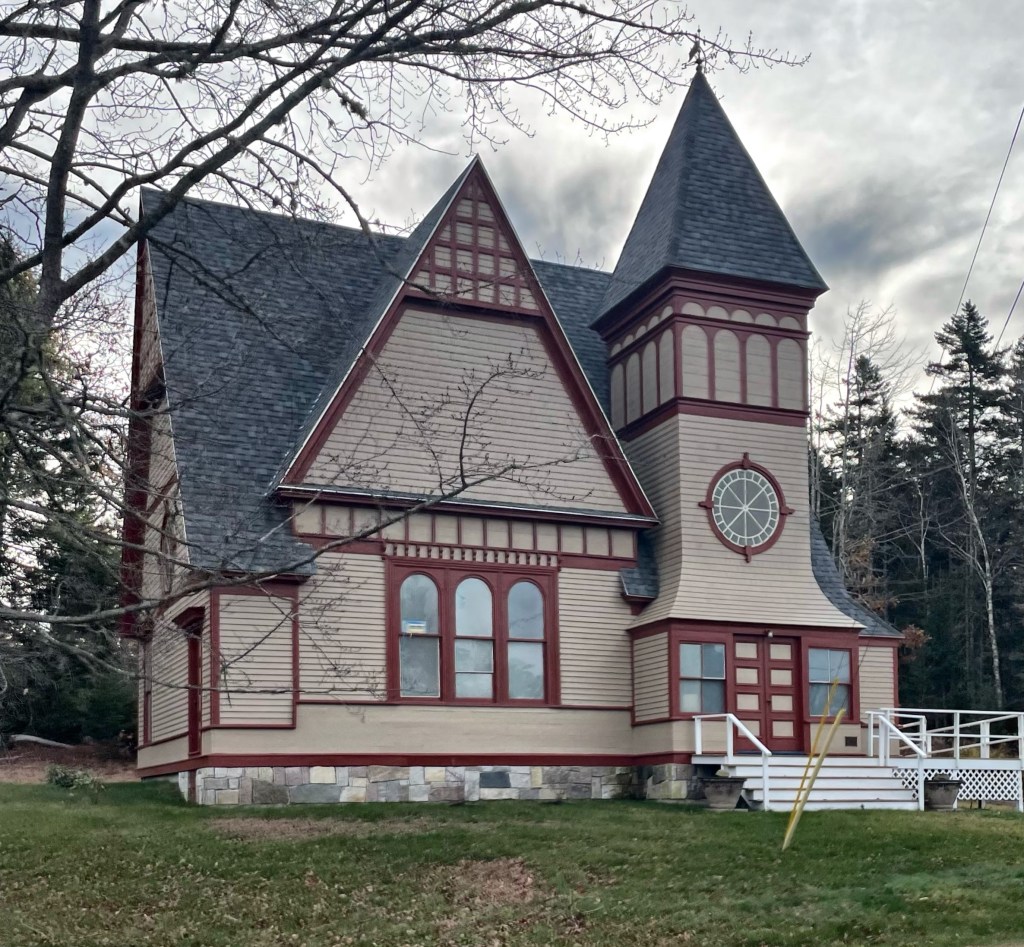
West Gouldsboro Union Church // 1888

In 1888, the West Gouldsboro Union Church Society had enough funds to build this Queen Anne style church, built completely from member donations. By November 1888, the exterior was completed, but so much money was spent on the detailing on the exterior, no funds were available for the exterior painting and interior spaces. In 1891, the new church was finally dedicated. The West Gouldsboro Union Church is a stunning example of a church in the Queen Anne style with varied siding forms, asymmetrical plan, and square tower capped by a pyramidal roof. My favorite part about this building is its historically appropriate paint colors. For a long time, the church was fully painted a bright white, but now its details really shine!

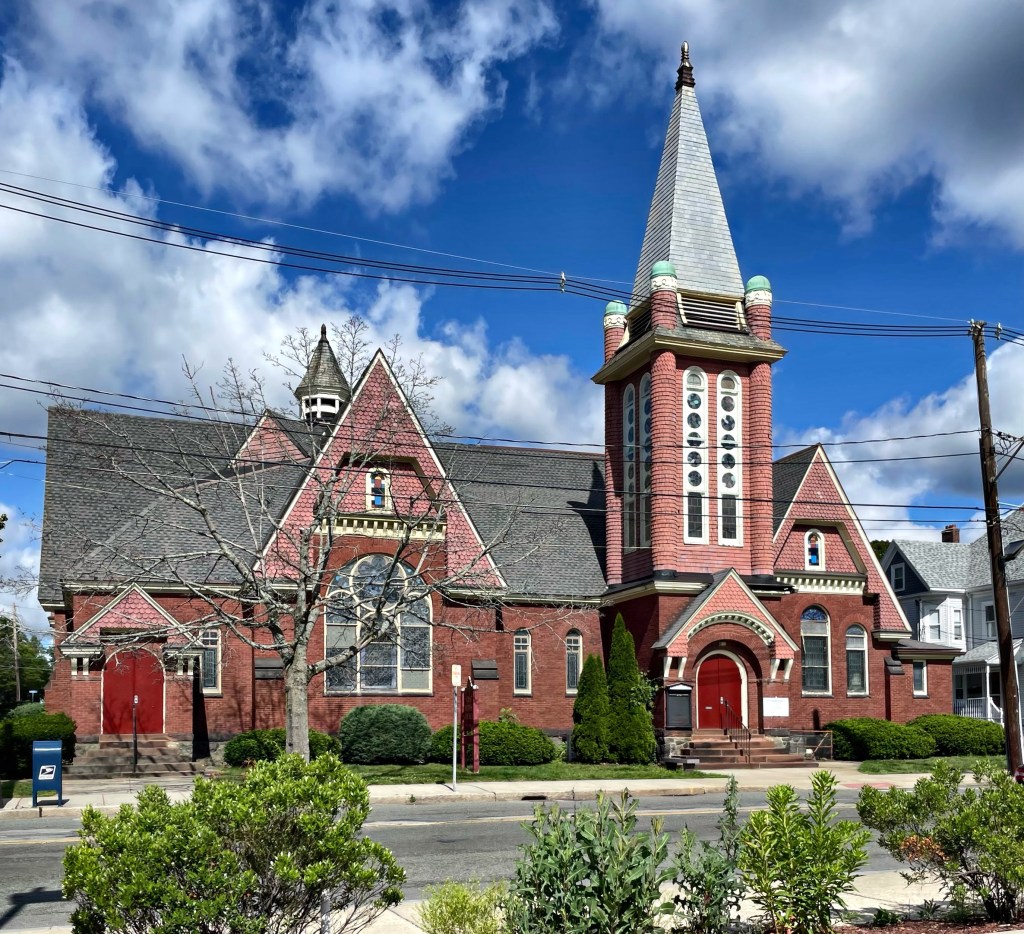
First Baptist Church of Stoneham // 1892

In 1891, the Baptist Society of Stoneham, Massachusetts unveiled that it had acquired funding and approved the plans for its first purpose-built church building in town. The organization met in a shared chapel in town since its founding in 1870. The new church would be unique in the Boston suburb as the only in town to be of the Queen Anne/Shingle style. A prominent site on South Main Street was acquired and work began in 1892 to erect the new house of worship. The design of the church is credited to the firm of L.B. Volk & Sons, a firm who specialized in church buildings with commissions all over the country. The church is complex in plan and combines brick and shingle siding in its construction with a prominent two-story tower with rounded corners and stained glass rondels (round windows).