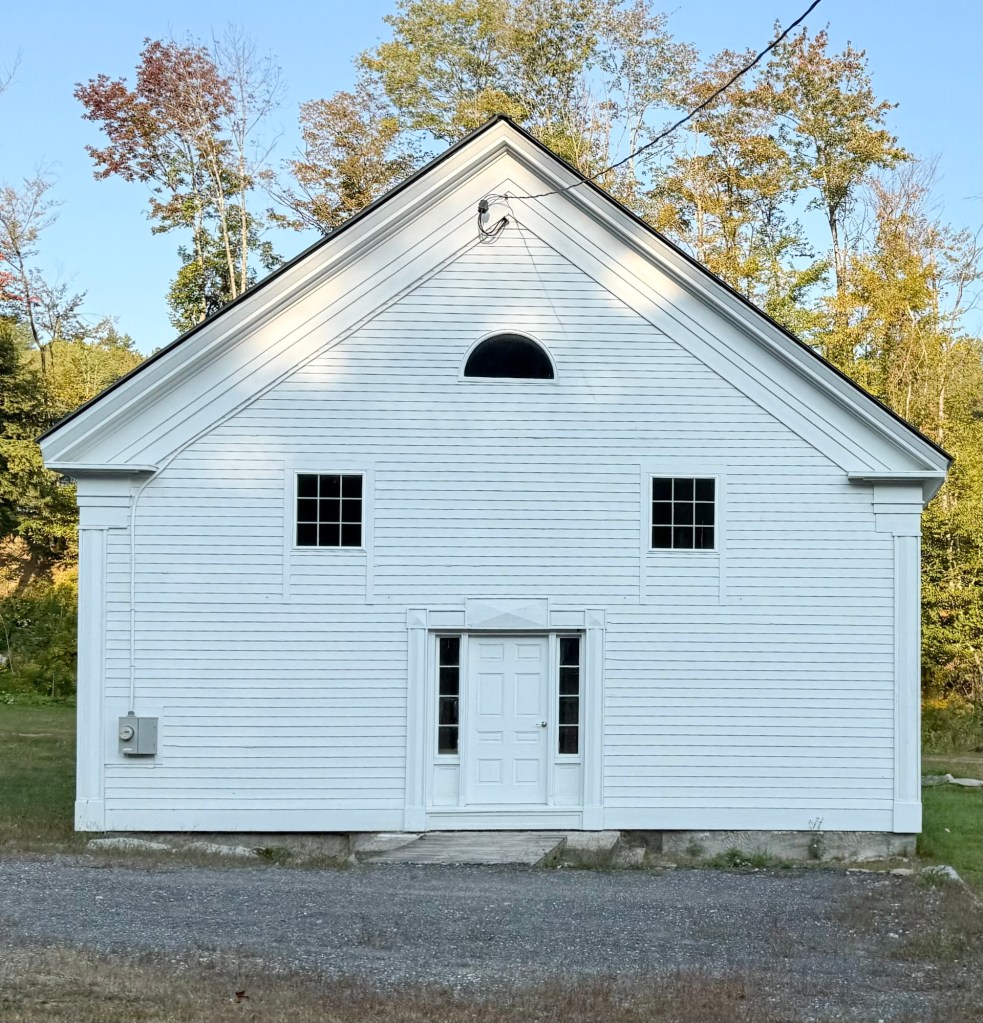
Simonsville Union Meetinghouse // 1848

A once excellent example of a Gothicized, vernacular Greek Revival church in Vermont, the former Simonsville Meetinghouse in Andover, Vermont, has since been renovated into a private residence, removing almost all of the original fabric. Long ago in the Simonsville area of Andover, the residents desired to have a meeting house. There was a Baptist church in the village of Peaseville, but not all the Simonsville residents were Baptists, in fact, there were several religious denominations being followed. None of the religious groups had enough followers in Simonsville to be able to afford a minister and a church building, so they got together and combined their efforts and finances to erect a union meetinghouse that they would share. In April of 1847, the Simonsville Union Meetinghouse Society was formed and later that year, construction began, with the building completed in the spring of 1848. By the late 20th century, membership and use of the building dwindled, causing deferred maintenance and threatening the future of the church. The trustees of the church sold the building, and the church has since been renovated for private home. Sadly, the gothic belfry and historic window fenestration were altered in the renovation, but the entry and basic form remain.
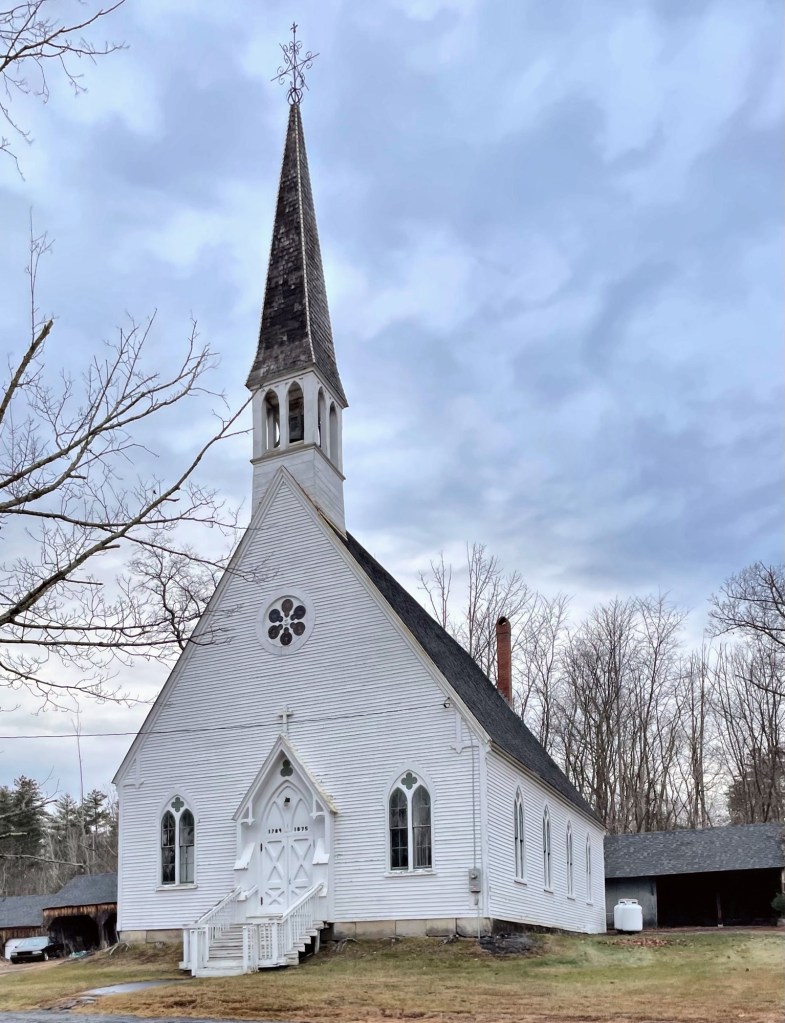
South Weare Union Church // 1875

In 1874, the Congregationalist citizens at South Weare, New Hampshire, decided to tear down their old church as it was in very poor condition and build a new one. The issue was that the Universalists owned a share of the old church, so, they decided to build a Union Church together. They broke ground in 1875 and it was completed months later in January 1876. The construction and furnishings were a group effort. The interior was furnished with circular ash pews, trimmed with black walnut. Osgood Fifield of Boston, a native of Weare, gave the beautiful pulpit; the Ladies Sewing Circle gave the carpet, assisted by the Universalists. The Victorian Gothic church building is impressive for such a small, rural congregation at the time. It has lancet windows, a circular rosette window in the gable end, and a steep gable roof capped by a towering belfry. The church even retains its historic horse sheds at the rear!

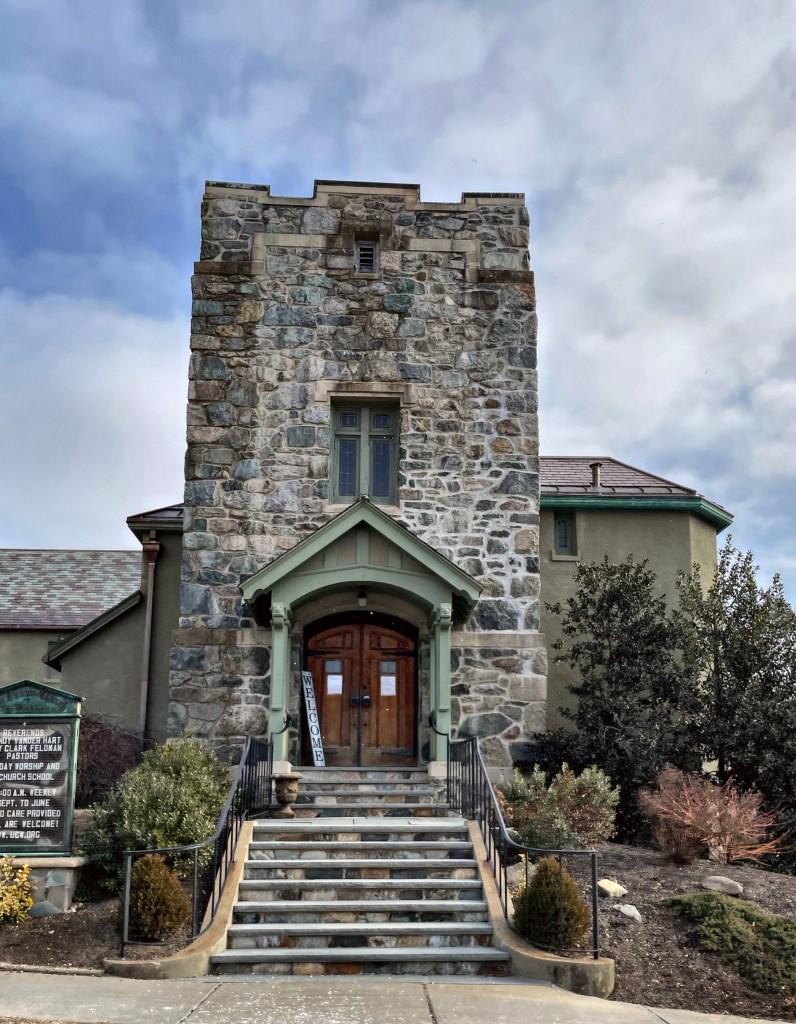
Union Church of Waban // 1912

In 1904, residents of the newly established village of Waban in Newton, Mass., began meeting with the hope to establish a non-denominational church there. As the population of the village grew rapidly in the first decade of the 20th century, funding surged and it was determined that a place of worship was necessary. William C. Strong, a Waban resident and well-known horticulturist, donated the land from his large holdings, many of which was already being developed for house lots. The church building, designed by Boston architect James H. Ritchie, had its cornerstone laid in November 1911. Construction followed rapidly and the building was formally dedicated in September, 1912. The building follows the Arts and Crafts movement, especially Ralph Adams Cram’s revival of the English parish church.