Emery-Scudder Barn // c.1845

There is something so enchanting about vernacular buildings with a backdrop of New England nature. This mid-19th century barn is located in the Chocorua Basin area of Tamworth, New Hampshire, and it tells the story of the area from its agricultural past to become a prominent summer colony in the White Mountains. The barn was once part of the Emery Farm that was purchased by Boston couple, Rebecca and Marshall Sears Scudder, the son of hardware dealer Charles Scudder of Brookline, who had the house moved and used the property as their summer retreat. The Emery Farmhouse was renovated and renamed, ‘Birchentower’ and purchased by Scudder’s half-brother, Horace Elisha Scudder (1838-1901) in 1889 from Rebecca following the death of her husband. Horace was a writer of numerous novels, children’s books, histories and biographies and introduced Hans Christian Anderson to the English-speaking world. A year after buying Birchentower, he became editor of the Atlantic Monthly, a post he held for eight years. The Scudders preserved the old Emery Barn across from the summer cottage which now sets the bucolic scene from the new scenic vista overlooking Chocorua Lake and Mountain beyond.

Wonalancet Union Chapel // c.1880

The Wonalancet Union Chapel in Tamworth, New Hampshire, is one of the most charming and photographed churches in the state, not only for its architecture, but its location with backdrop of the Sandwich Range of the White Mountains. The church was originally built around 1880 as a union chapel of multiple denominations in the Wonalancet village of town and was more vernacular in style when originally constructed. In 1896, an open tower and bell were added and the chapel saw its biggest change in 1937, when Arthur Treadwell Walden, an area resident and Klondike Gold Rush adventurer, dog breeder and participant in the first Byrd Antarctic Expedition, helped fund updates to the chapel. The present Colonial Revival appearance is following the designs of Hanover architect, Stanley Orcutt. The Wonalancet Union Chapel remains a vital institution in the village and operates sermons in the summer months. 

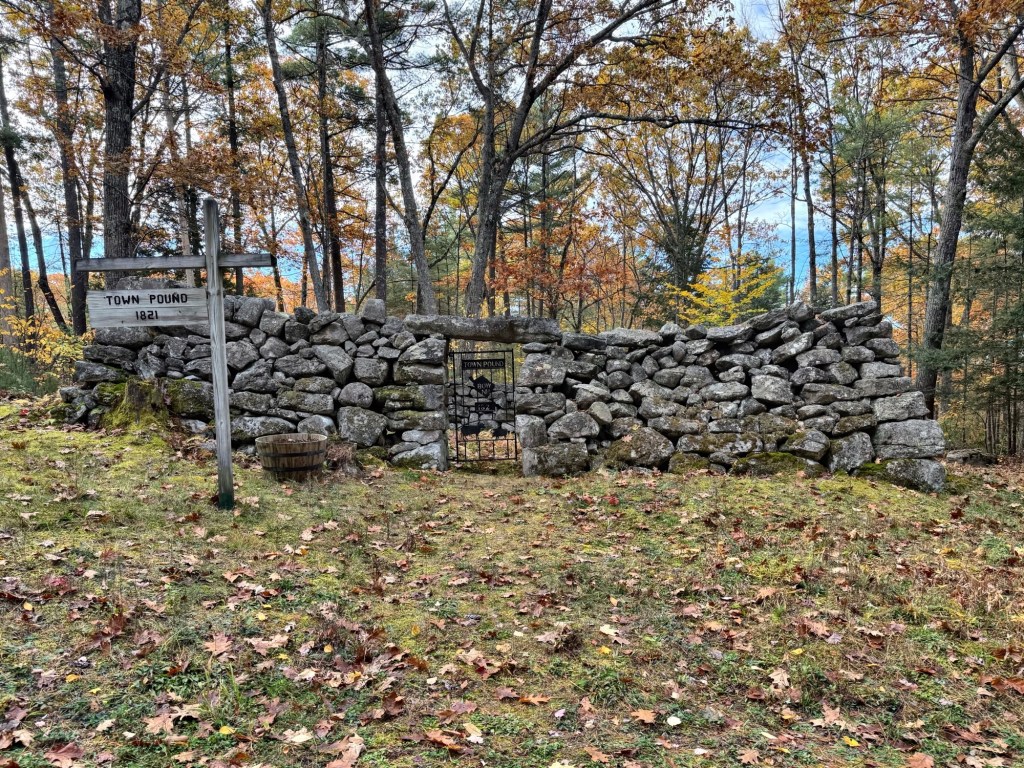
Bow Town Pound // 1821

In farming communities all across New England, disputes inevitably arose when one person’s livestock left their land and damaged another person’s crops. New England laws required farmers to fence their fields and keep farm animals from straying, but some inevitably got out. The solution was to build pounds where stray cattle, horses, sheep and swine were rounded up and kept by a town-appointed pound keeper who would round up the roaming animals and keep them there, charging by the day until an owner releases the animal and pays the fee of any damage done. The old town pound in Bow, New Hampshire, dates to 1821 and features tall stone walls, high enough to prevent taller livestock from jumping out. As towns like Bow shifted away from agrarian culture, these structures crumbled back into the earth. Luckily for us, some sommunities preserved their pounds and in Bow, the local community restored the town pound in 2011.

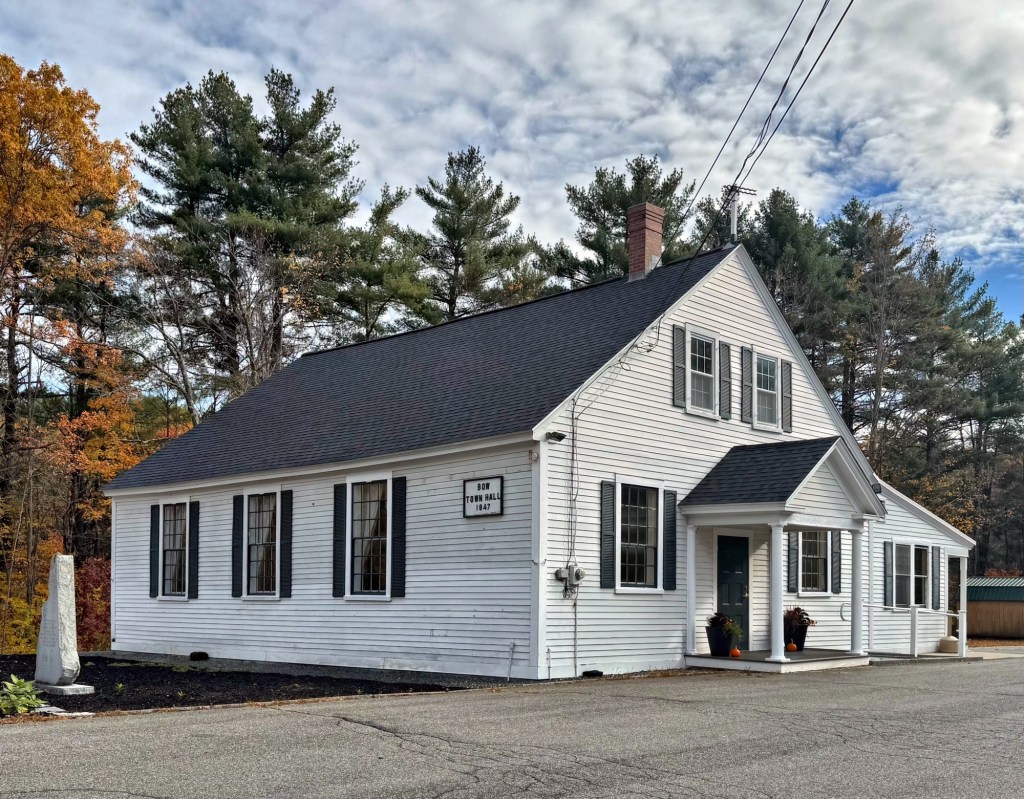
Bow Old Town Hall // 1847

The town of Bow, New Hampshire, was incorporated in 1727 and named after its location along a bend, or “bow” in the Merrimack River at its easternmost boundary. Early town meetings were held in the town meetinghouse of 1770, and the second meetinghouse of 1801, until the separation of church and state became official in New Hampshire in 1819, with the passage of the Toleration Act. Until 1819, residents in New Hampshire conducted town business and religious services in the same building, the town meetinghouse. However, as towns diversified and religious freedom prospered, citizens grew less comfortable supporting one particular religious denomination with taxpayer money. Bow eventually secured funding to erect its first purpose-built town hall in 1847, this vernacular, two-story building on Bow Center Road. The small building served as the town hall for over 100 years, when in 1957, a growing suburban population required a larger, more modern town hall. The old Town Hall of Bow now serves as a meeting place for Town organizations and is rented out to Town residents for events.

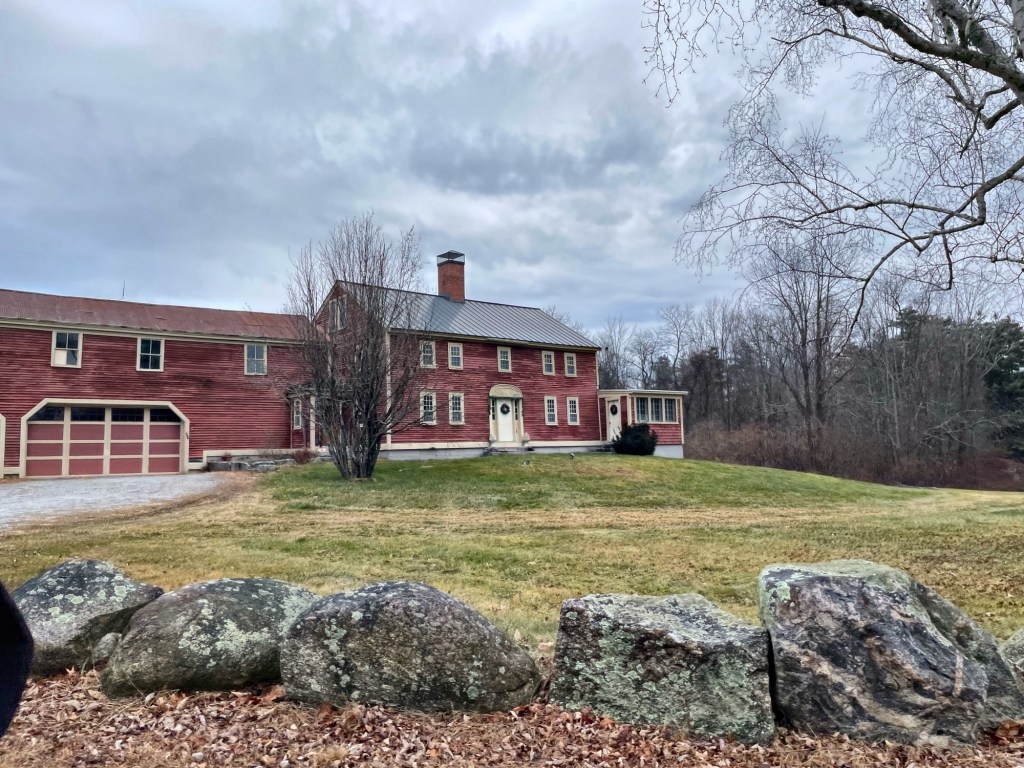
Elijah Purington Homestead // 1768

One of the earlier settlers to Weare, New Hampshire was Elijah Purington, who purchased a lot in the center of town in 1768 and built this large farmhouse for his family. Elijah was one of the first Quakers to move to Weare, and the next year, he was elected a selectman in town. The farm remained in the ownership of his descendants through the end of the 19th century. A trotting park was built on a piece of the property covering an earlier pond, which seems to have since been restored back to a pond. After Elijah Purington III died in 1890, the property was purchased by Oliver Dennett Sawyer, who operated it as the Apple Tree Inn until his death in 1921. It has remained a private home ever since.

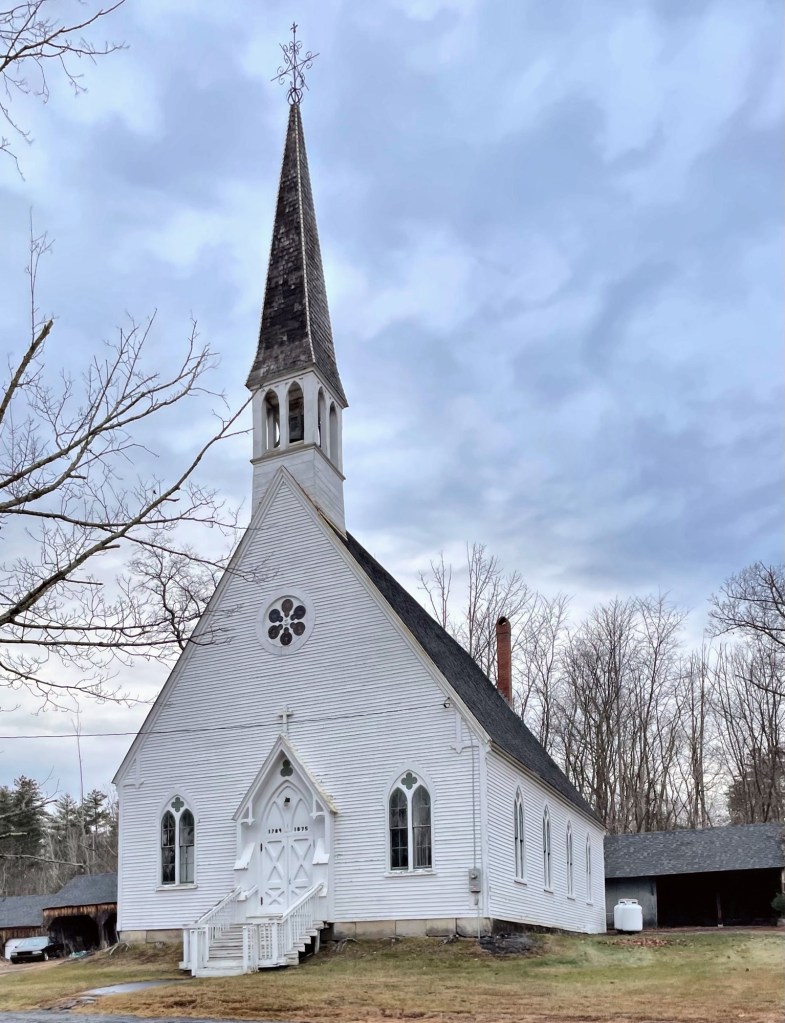
South Weare Union Church // 1875

In 1874, the Congregationalist citizens at South Weare, New Hampshire, decided to tear down their old church as it was in very poor condition and build a new one. The issue was that the Universalists owned a share of the old church, so, they decided to build a Union Church together. They broke ground in 1875 and it was completed months later in January 1876. The construction and furnishings were a group effort. The interior was furnished with circular ash pews, trimmed with black walnut. Osgood Fifield of Boston, a native of Weare, gave the beautiful pulpit; the Ladies Sewing Circle gave the carpet, assisted by the Universalists. The Victorian Gothic church building is impressive for such a small, rural congregation at the time. It has lancet windows, a circular rosette window in the gable end, and a steep gable roof capped by a towering belfry. The church even retains its historic horse sheds at the rear!

Osborne Memorial Hall // 1920

Weare is the largest town in Hillsborough County, New Hampshire by land area. As a result, the town’s villages historically were fairly isolated (especially before the arrival of the automobile). Social halls were important gathering places for some of these rural communities, allowing for events and celebrations to be held in a designated location. Before 1920, South Weare only had a Union Church which could meet this demand. In her will, Nellie Osborne donated funds in the memory of her husband Wellman Osborne, who grew up in Weare, to erect a social hall there. South Weare residents established the South Weare Improvement Society to make use of the money and oversee construction of the Memorial Hall. The Arts and Crafts style community building with its pyramidally roof opened in 1921. After numerous decades of deferred maintenance and dwindling use of the facilities, Osborne Hall was in decline and danger of demolition. Luckily, new members banded together and funded a restoration and modernization of the building. Here’s to another 100 years!