Sawyer Mansion // 1863 & 1914

Originally built in the Carpenter Gothic style in 1863, the Sawyer-Gillett Mansion in Whitingham, Vermont, is the highest-style house in town today. Indistinguishable from its Civil War-era original construction, the house was greatly expanded and altered into an elaborate take on Queen Anne / Shingle styles in 1914. The house was originally constructed by John W. Sawyer, but it was his son, Lincoln H. Sawyer who renovated the house and etched his name “L.H. Sawyer” on the glass of the new front door. The updated house style reflects a nostalgic Victorian preference by the owner, who sawed all the trim and materials on site at the family sawmill. It was recently sold and is now a B&B!
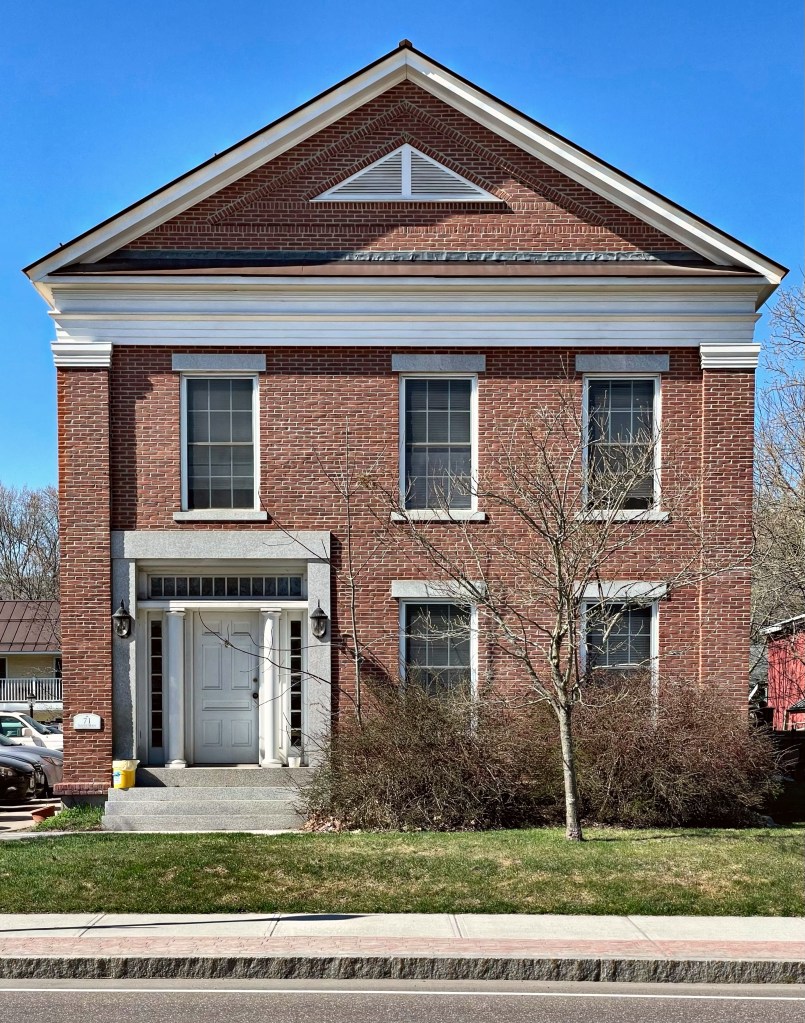
William W. Wells House // c.1845

One of the most stately and classic homes in central Vermont is this Greek Revival beauty constructed of brick, right on Main Street in Waterbury. The home was built for William Wellington Wells, who was born in Waterbury, Vermont in 1837. He soon became one of Waterbury’s most prosperous merchants of the mid-nineteenth century, starting as a lawyer with business interests including a tannery and grist mill in nearby “Mill Village” and a mop and chair stock business. He served in the Civil War and contributed much to the town’s growth. After successive ownership, the town’s appeal during the winter months shifted the demand towards short-term stays tied to the ski industry. The Wells House was added onto at the rear and converted to a motor hotel called the “Gateway Motel” in the mid-20th century. The use remained for decades until a fire destroyed much of the motel, leaving the 1840s Greek Revival home’s future in limbo. Thankfully, new owners restored the home and built much-needed residential housing at the rear, largely in the same form as the old motel. Love to see preservation at work!

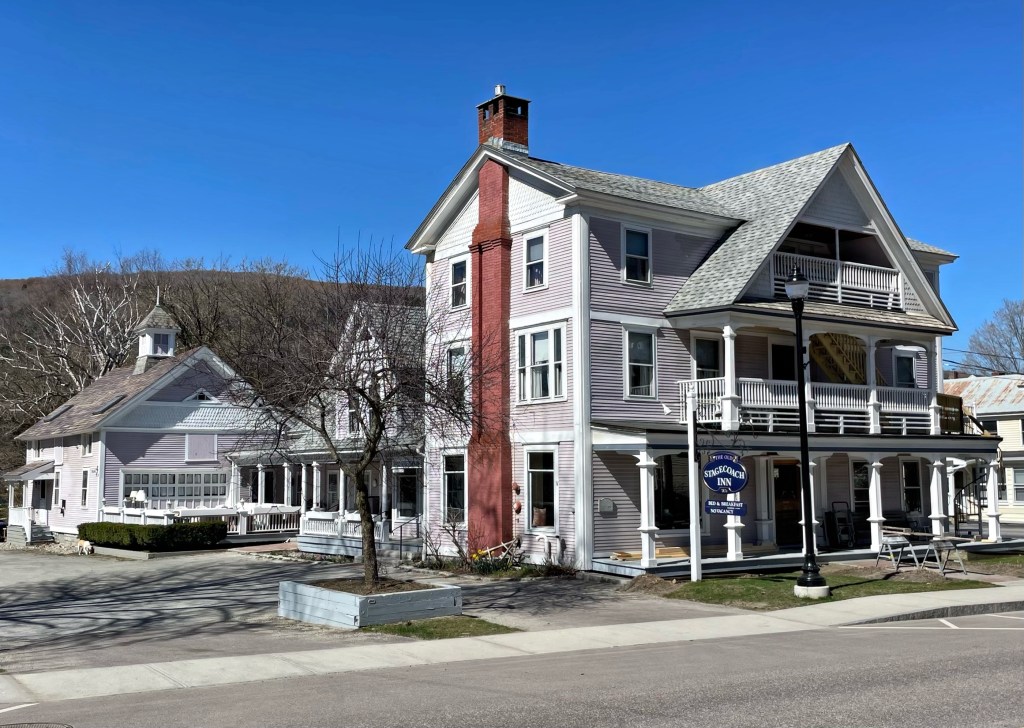
Stagecoach Inn // 1826

Built by the Carpenter brothers in Waterbury, who also designed and built the neighboring Congregational Church (last post), this large structure was a stagecoach stop on the road to Stowe for much of the nineteenth century. Briefly, the Inn served as a private residence for Albert and Annette “Nettie” Spencer. Nettie grew up in Waterbury and married Albert who owned rubber factories in Ohio and invested in real estate in Burlington. At one time, the Spencers’ residences included their Waterbury house, a suite at the Waldorf Astoria in New York City, a house in Newport, an apartment in Paris, as well as one in London. Albert died in London, and Nettie continued living in Waterbury until her death in 1947, approaching 100 years of age. Within a year, the property was sold and the owners reopened the main house as a sort of boarding house. The property was restored and operates today as the Old Stagecoach Inn.

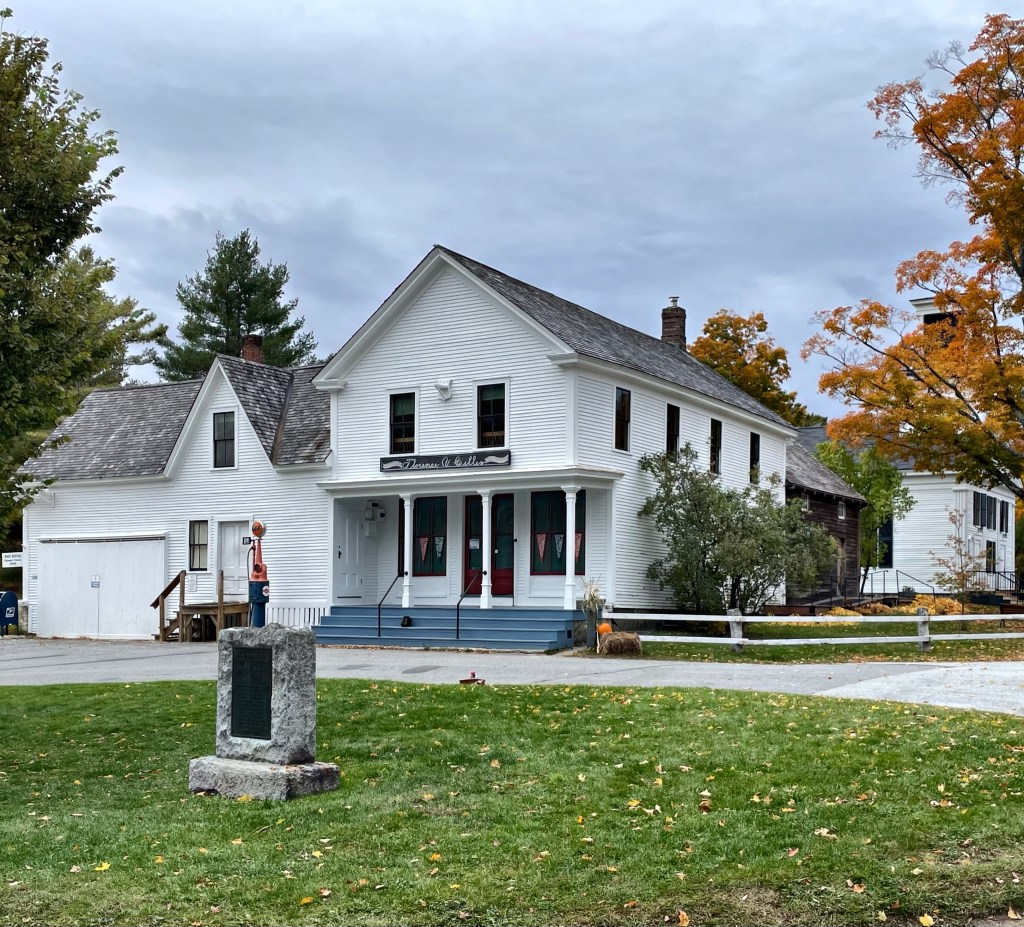
Coolidge Family Store // c.1830

Built before 1835, this typical country store in Plymouth, Vermont, consists of a two-story main block with a one-story storage ell on the southern (left) side, each of frame and clapboard with gabled roof. The building was the village’s country store and was owned by the Coolidge Family, made famous by Calvin Coolidge, the 30th President of the United States. This store was built years before a home for the Coolidge Family was built attached at the rear. The attached house was the birthplace of President Calvin Coolidge in 1872, and the building was where after the death of President Warren Harding, Col. John Coolidge, Calvin’s father, a notary public, administered the presidential oath of office to his son in the family dining room at 2:47 a.m. on August 3, 1923. The old house and store are preserved by the State of Vermont as a living museum to President Coolidge and his family.

Manley-Lefevre House // c.1820

The last (but certainly not least) building in Dorset, Vermont I’ll be featuring is the Manley-Lefevre House aka. Marble House! This stunning Federal period home was built around 1820 by Martin Manley (1783-1856) on land originally owned by his father George. The house is constructed of ashlar marble that was quarried with hand tools from the lower quarry located approximately 200′ behind the site of the house with dressed marble finished in town and brought back for installation at the lintels, sills, and door surround. In 1907, Edwin Lefevre, Sr. (1871-1943) traveled by train from Bronxville, New York to Dorset at the suggestion of the artist Lorenzo Hatch, with the intention of locating a summer residence for his family. They purchased this home, which became known as “The Old Stone House” and hired Eugene J. Lang, a New York architect, to remodel the house, design a kitchen wing and remodel the barn into a garage (1909). While in Italy, Lefevre fell in love with the formal gardens there, and wanted something like this for his country estate. Upon his return, he retained garden designer Charles Downing Lay to design the gardens that surround the house. The country estate is now home to The Marble House Project, a multi-disciplinary artist residency program.

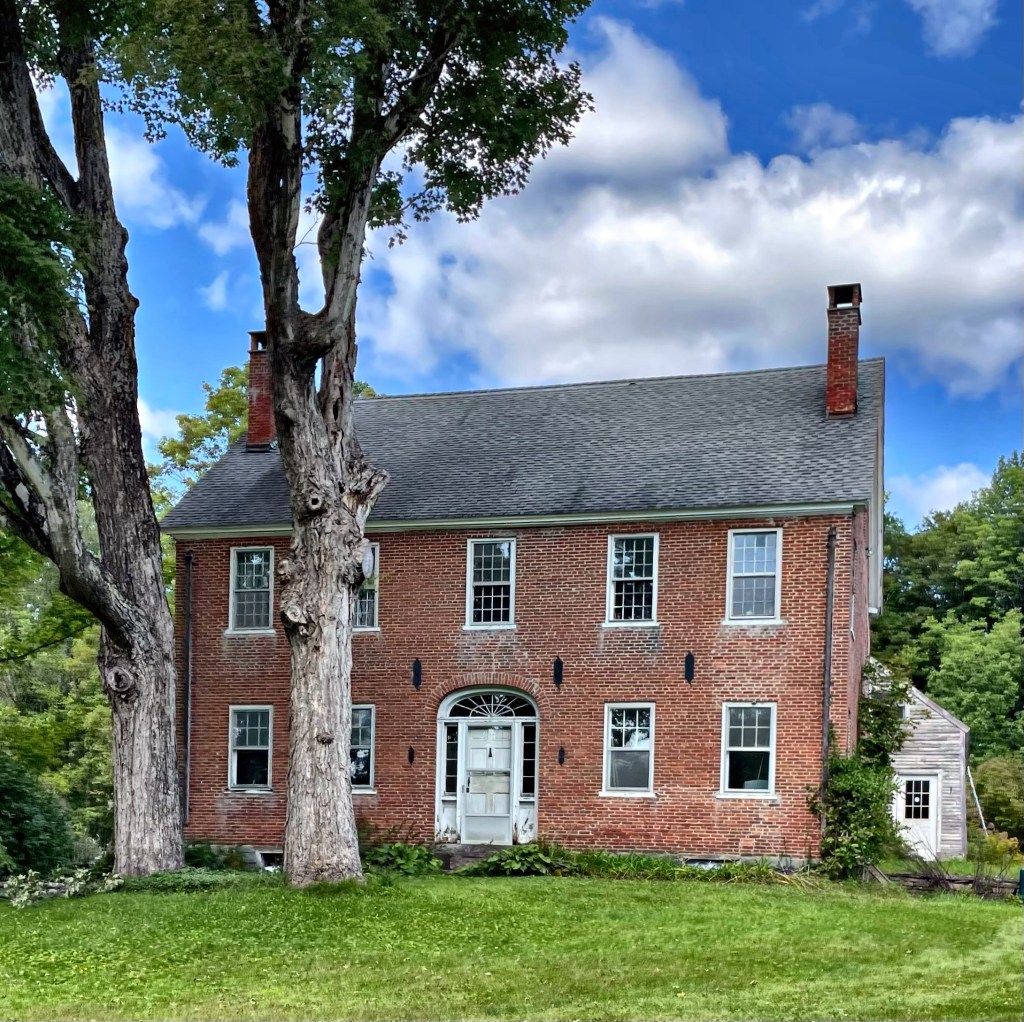
Oliver Tarbell House // c.1830

Oliver Tarbell and his wife Sandy erected this stunning brick Federal farmhouse in Cavendish around 1830 for their ever-growing family. The couple had thirteen children who survived infancy, so even this large home was likely stuffed to the gills and hectic! Oliver appears to have built the home, incorporating his ancestral home onto the rear of this brick house, as a rear ell. The house recently sold in 2022, so of course I had to gawk at the amazing interior photos