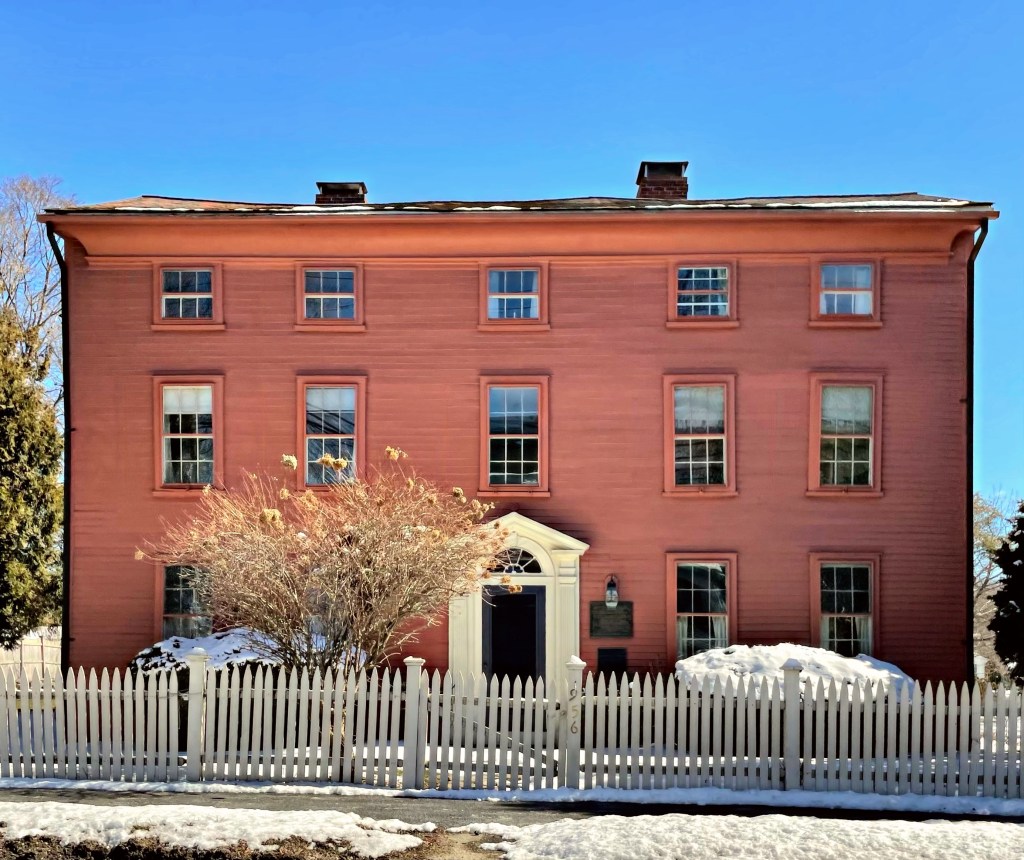
Samuel Burnham bought an older house on this site, and added to it, creating a larger residence for his family (a common occurrence in early Colonial times). One thing he did keep was a 30-foot well within the building to supply the family drinking water. Interior wells were not common, but very useful on the New England “frontier” where attacks from Native American tribes were more frequent. In the event of an attack in town, a family could close their interior shutters, and wait them out with drinking water from their internal well.
God, I love old New England homes! Could you live in one that is older than the United States?
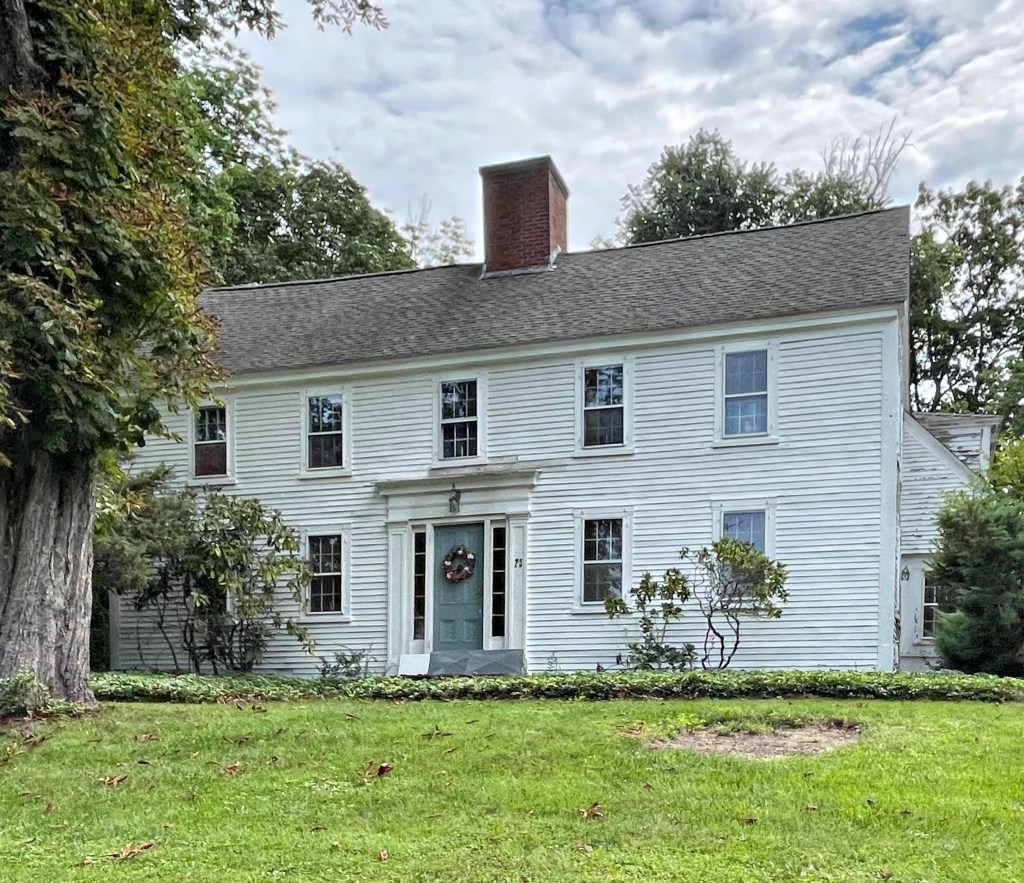
Valentine Hill emigrated to Boston in 1636 from England with his brother and began a successful career as a merchant and trader. In 1638 Valentine was made a member of the Artillery Company, In 1640 he took the Freeman’s Oath, and in that same year ordained as a Deacon in the Boston Church. In 1641 he was elected a Selectman serving until 1647. In 1643 Valentine received a grant of land at the falls of the Oyster River in what is now Durham, N.H. In 1649, Valentine and an associate got permission to build a saw mill on the river. Additional grants of land included 500 acres for farming. Due to issues with his businesses in Boston, he moved up to present-day Durham to manage his mills and property there. On the property, he employed “seven Scots”, who were indentured servants captured by British forces in the Battle of Dunbar, and among other industries, lumber was milled for use in the shipbuilding industry in surrounding towns. In 1649 Valentine Hill built the original homestead, a single-story house with a basement. In 1699, Nathaniel Hill, son and heir of Valentine, made a two-story addition to the house, giving the home the appearance we see today. After successive owners, the next major period of the property was early in the 1900’s, when James Frost took over the estate, completing the transformation of the grounds and turned into a Colonial Revival summer estate with extensive formal gardens, arbors and an elaborate stone wall. The property remained in the family until the 1980s, but suffered from some neglect. The house was purchased in 1997 and restored to her former glory and is now known as the Three Chimneys Inn. Interestingly, if this home can be dated with dendrochronology (aging the home based on the age of the cut timber), this home would be at least a decade older than the present oldest home in New Hampshire!
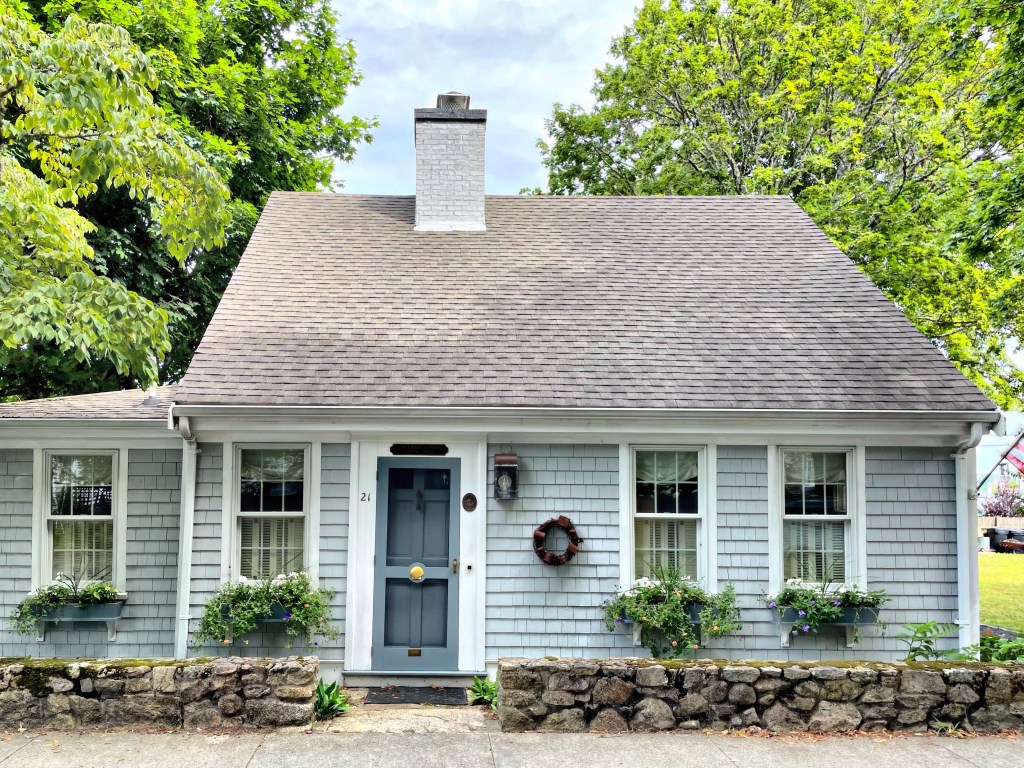
The oldest home in Marion, this c.1675 Cape house apparently has interior structural elements dating the home to the earliest colonized days of Sippican Village. The tiny home was built for a member of the Ryder family around 1675, according to the Sippican Historical Society. It was recorded and noted as standing by the 1690s. The home is an example of a three-quarter cape, meaning there are two bays on one side of the front door and one on the other side. During colonial times, for economic reasons, a newly married couple could build a half-cape house with a door, two windows to one side of the door and a single fireplace heating multiple rooms. It was expected that they would expand the house to either a three-quarter house by adding a single window on the other side of the door or doubling the size of the home adding two other bays, all rooms heated by the central chimney.
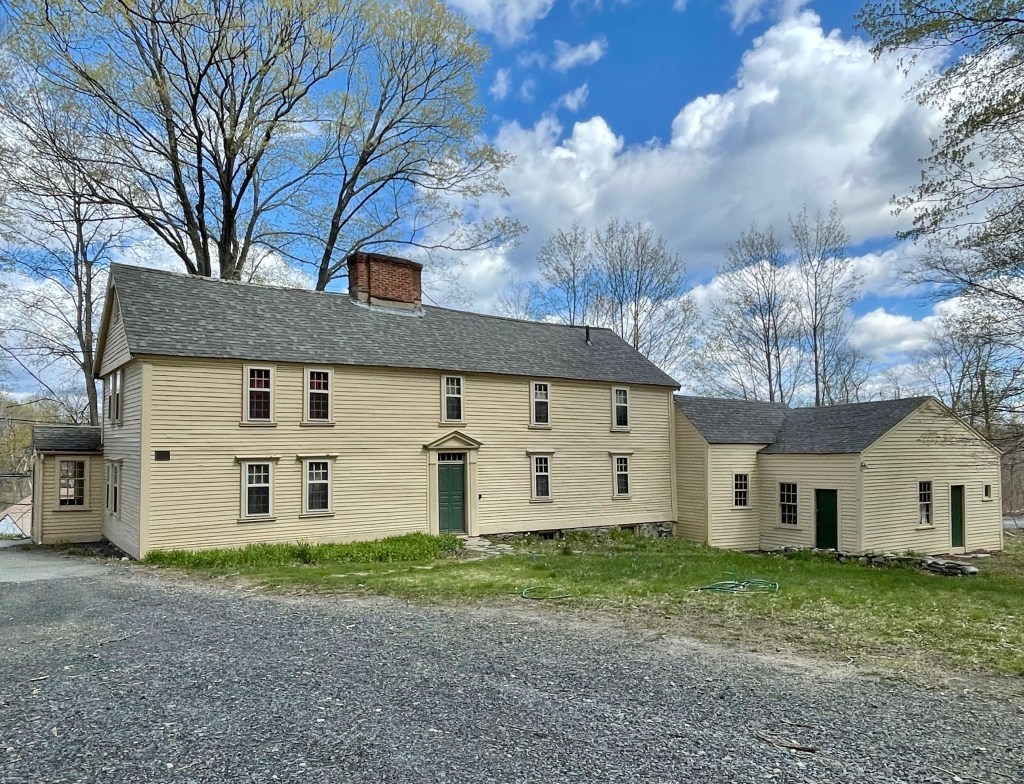
One of three pre-1725 houses in South Acton, the Faulkner Homestead is the best preserved First Period house in the area and displays elements from its First Period construction date of 1707 and from the later Georgian period. The home was built for Ephraim Jones, who was one of the first millers starting what was to become the Faulkner mills located near the old homestead. The home was known as a Garrison House, built as a refuge for the settlers in times of Indian raids, but there is no record that it was ever used for that purpose. In the 1730s, the home was rented by Ammi R. Faulkner (1692-1756), who purchased it years after he moved in. The Faulkner Homestead remained in the Faulkner Family for over 300 years, when it sold our of the family in the 1940s.
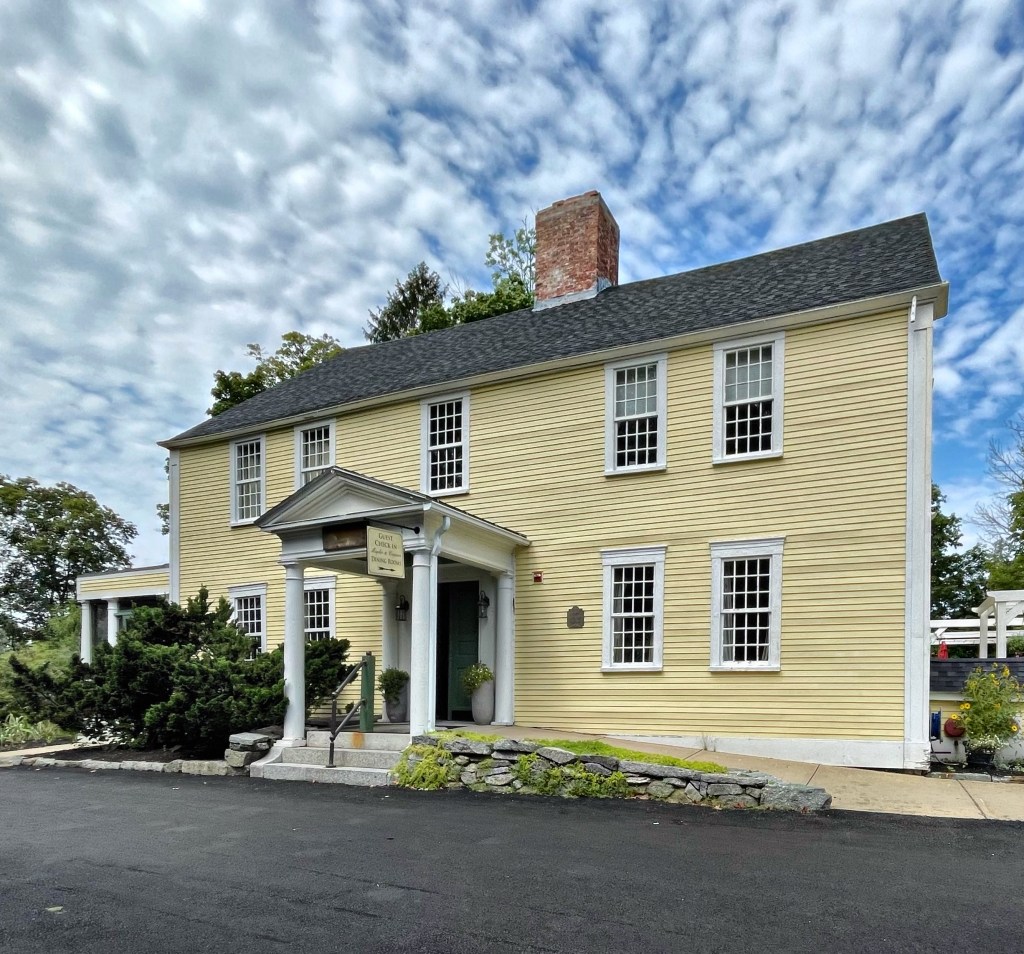
This three-story wood-frame house is one of the oldest buildings in Bristol and the oldest known three-story building in Rhode Island. The home was built by Joseph Reynolds (1679-1759), a patriarch in the Reynolds Family, who later built the Reynolds-DeWolf House I featured previously. The house is five bays wide and three deep with the roof extending lower to the rear, giving the house a classic New England saltbox appearance. Joseph built this house, and also operated a tannery and gristmill on his land. The home is nationally significant as during the ownership of the house by his son Joseph II, Marquis de Lafayette occupied the north parlor chamber. Lafayette was a general in the Continental Army and was responsible for the defense of Bristol and Warren from September 7 to 23, 1778 during failed military operations to drive the British from occupied Newport. The home was added onto and altered in 1790 to give it the current design, with Federal detailing. The home remained in the Reynolds Family until 1930.
 Buildings of New England