Wakeman Memorial Building // 1913

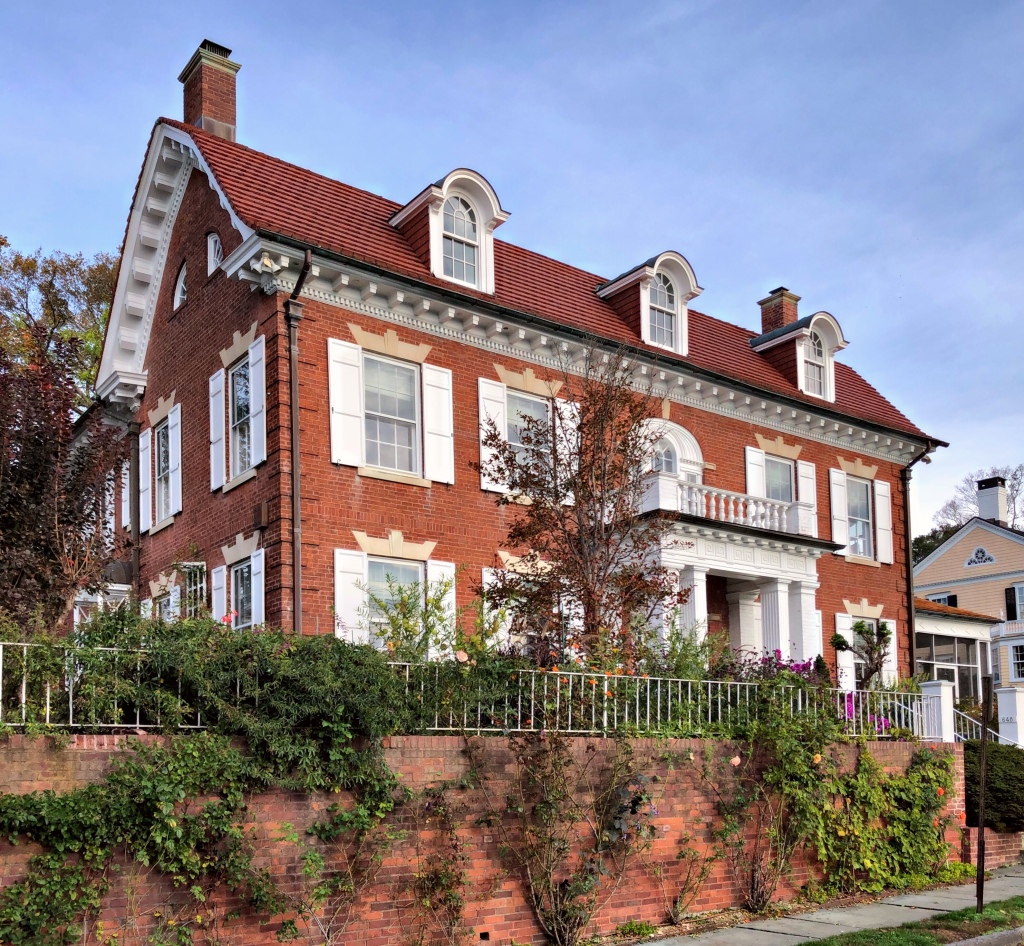
The Wakeman Memorial Building in Fairfield, CT, is one of a few buildings erected in the Southport area during the early twentieth century. The boldly proportioned central portico is supported by square Tuscan columns with an Ionic fretwork entablature and denticulated cornice, and topped by a spindled parapet and an elliptical shaped Palladian window on the second story. The red tiled gambrel roof, splaying beyond the exterior walls, is bracketed by decorative modillions. The building was constructed in 1913 through funds by Miss Frances Wakeman in memory of her grandfather, Jesup Wakeman, at a cost of fifty thousand dollars. The building was used by the Boys and Girls Club of Southport as a club house, offering sewing classes, a reading room, and offices. The building was converted to a home after the Boys and Girls Club moved to a larger facility.

Pequot School // 1917

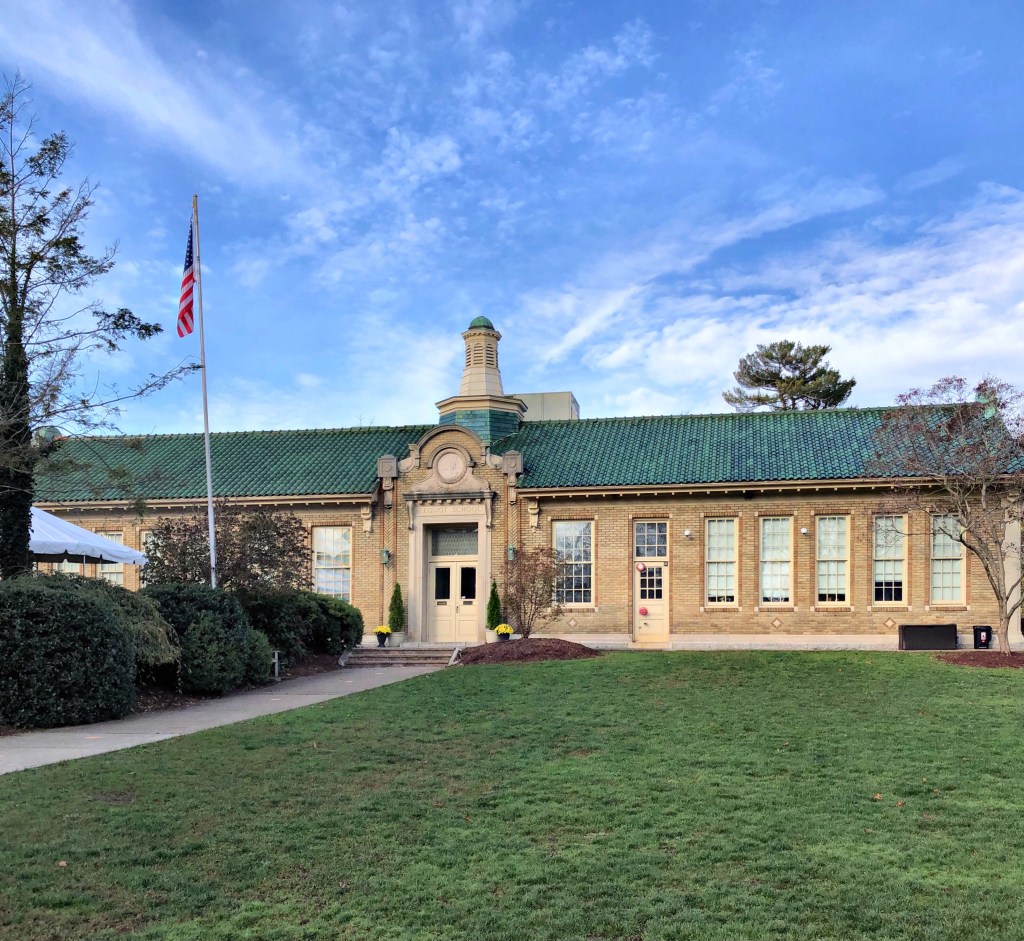
The Pequot School in Fairfield was built in 1917-18 and is one of only a few institutional buildings erected in the Southport area during the early twentieth century. The school, designed by architect William H. McLean, replaced an earlier school on the site which was built in 1854. The 1854 wood-frame school building was outgrown in the early 20th century and the school board voted to demolish the old building and replace with a larger, modern school. The school is a unique design in the Classical Revival realm, but capped with a cupola and stunning green tile roof. The school closed in 1972, and the historic Pequot School building was acquired by the Southport Conservancy as a treasured landmark. It was occupied by the town until 1985 when it was occupied by the Southport School.

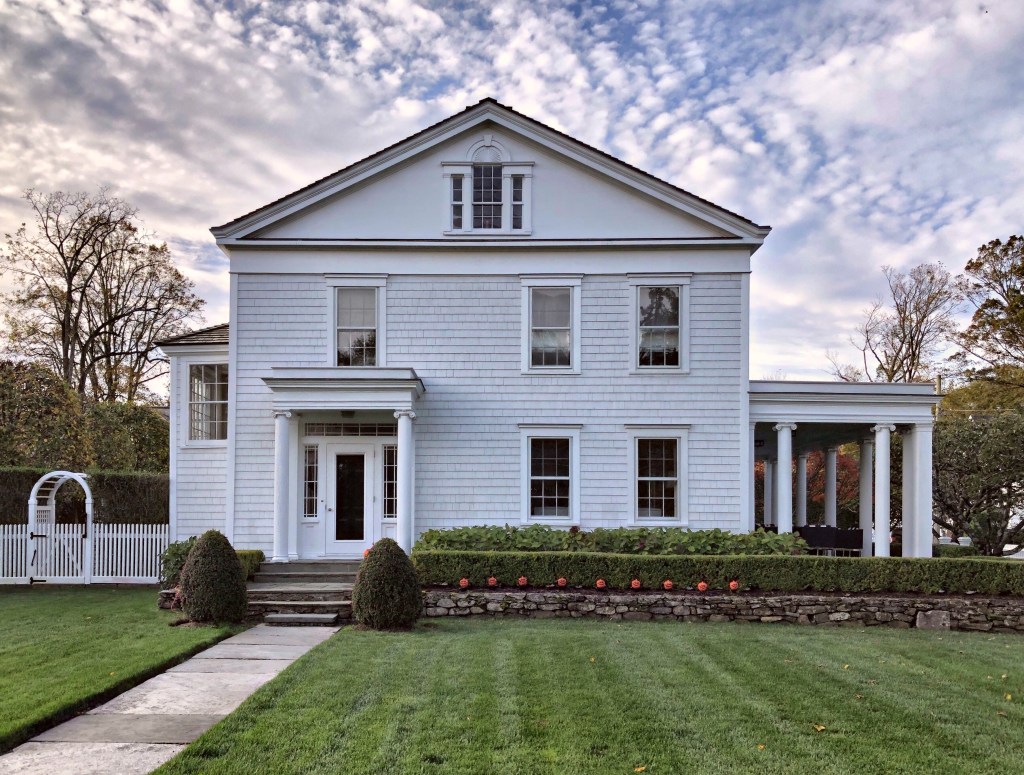
Edwin Sherwood House // 1837

Located next to his son’s house, the Edwin Sherwood House in Southport, Connecticut is an excellent example of Greek Revival residential architecture in New England. The home was built in 1837 for Edwin Sherwood, a sea captain who traded between New York and Savannah with his two ships “America” and “Georgia”. From this wealth, he became President of the Southport Savings Bank and Director of the Danbury-Norwalk Railroad. The home was renovated in 2017 with a modern interior by Ken Gemes, an interior designer.

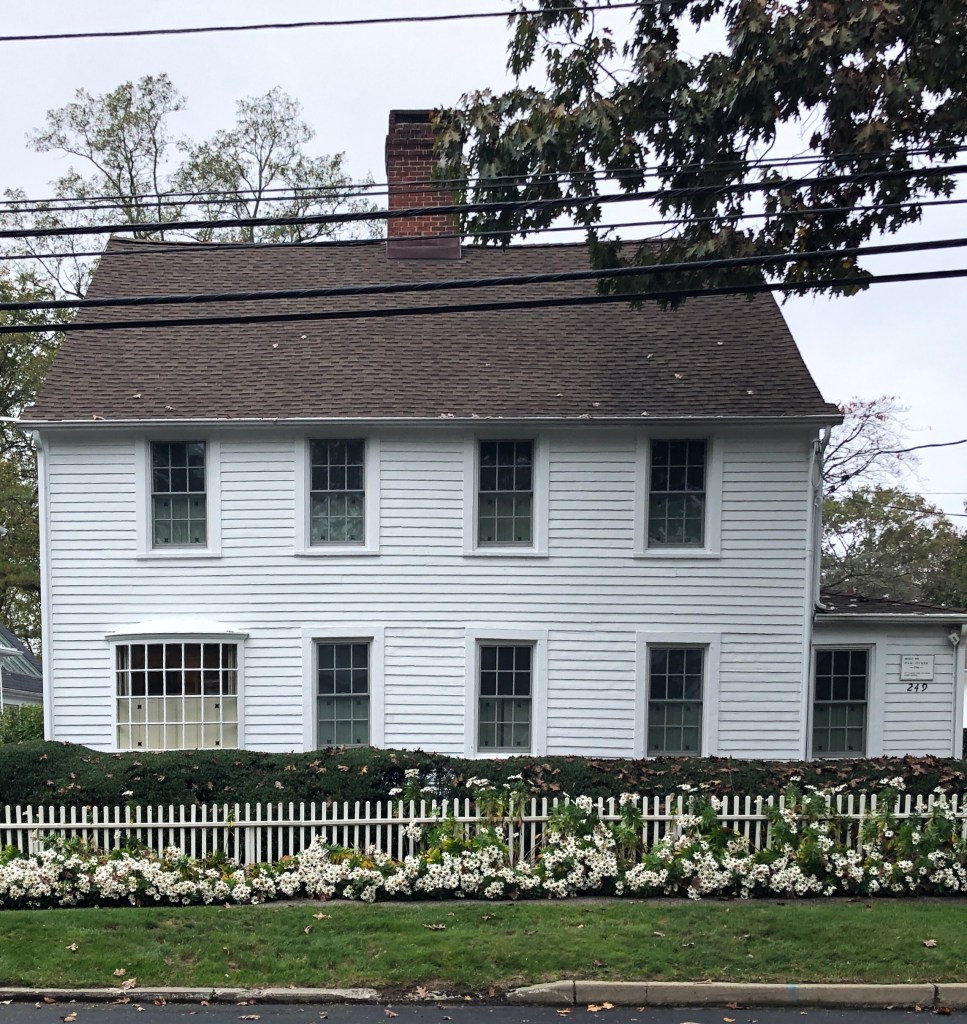
Captain John Maltbie House // 1766

On July 7-8, 1779, the Red Coats marched through Fairfield torching houses to punish the locals for seeking independence. They killed locals, destroying anything they could find on their way out, setting fires to homes and civic buildings around the Green. This home was built by Isaac Tucker, later sold to Jonathan Maltbie, sea captain involved with East Indies trade. He later would fight against the British during the Revolution, and after the war, was hired as captain on one of the first cutter ships built, the Argus. During the British invasion of Fairfield, they attempted to set fire to this home three times, but it seemed to never go up in flames when they returned. The tradition holds that an elderly servant, hiding upstairs, put out the flames and saved the house from destruction, after the British Troops torched it. Burn marks apparently remain inside to this day. Since the home was built, the front door facing the street was relocated to the side, and a large multi-pane bay window was installed in its place.

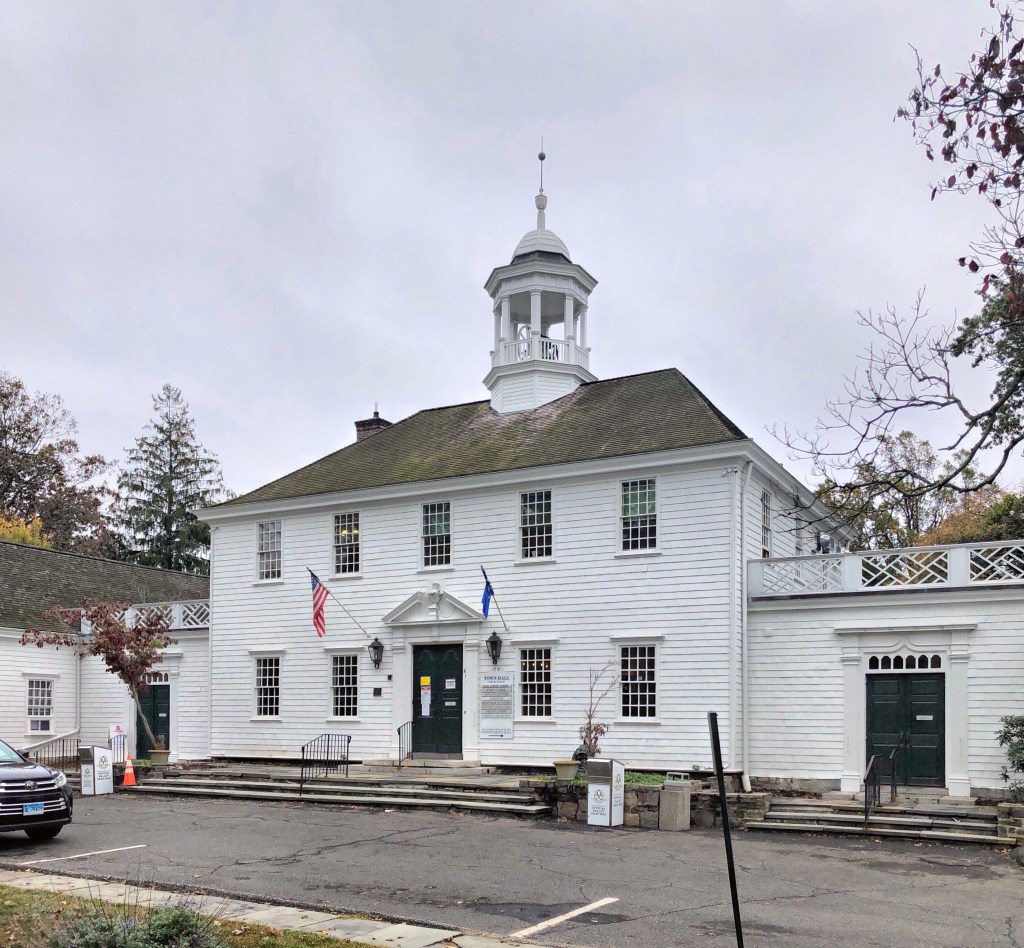
Old Fairfield County Courthouse // 1794

Located at the Fairfield Town Green, the Georgian-style Fairfield County Courthouse stands as a reminder on the town of Fairfield’s Colonial-era history. The first courthouse at the site was built in 1720. After a fire destroyed the first (which housed the jail as well), a second structure was built in 1767. That second courthouse was the center of a thriving, wealthy village with a port just blocks away. In July 1779, the British landed in Fairfield and destroyed much of the town, harming its prosperity for decades to come (though it has clearly recovered since). In 1794, a new courthouse was built, also housing town offices. In 1870, it became solely a town hall (the County Court moved to Bridgeport years before) modified and altered in the Second Empire style to ‘modernize’ the building. As Colonial Revival resurged in popularity in the late 19th and early 20th- centuries, the town sought to bring back the Georgian style Town Hall building, in 1936 hiring architect Cameron Clark, to restore the building.