Jones & Wetherbee Houses // 1873

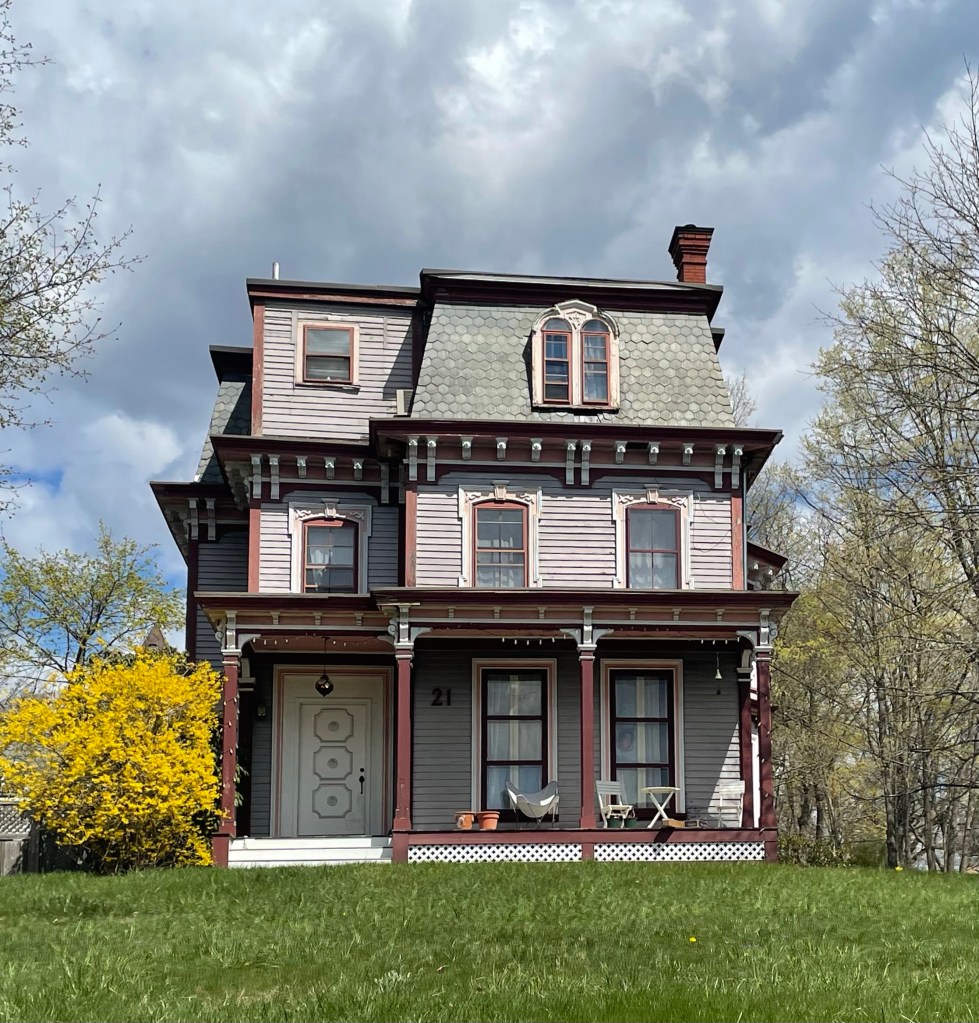
In 1873 Elnathan Jones, Jr.(1829-1904) purchased house plans from a friend in Groton, adapted the plans, and built these two houses, in Acton. One home for himself, and one for his business partner Jonathan Wetherbee (1832 1926). Also near these two houses is the Tuttle House (featured last), in a different style. All three of these men were family by marriage, and ran businesses in the village of South Acton. The Jones and Wetherbee houses were built as sister houses, identical; but over the years, the Jones House has seen some unsympathetic alterations which diminish its architectural significance. The Wetherbee House (yellow) retains its original detailing and corner, towered mansard roof.
Mary Pomeroy House // 1868

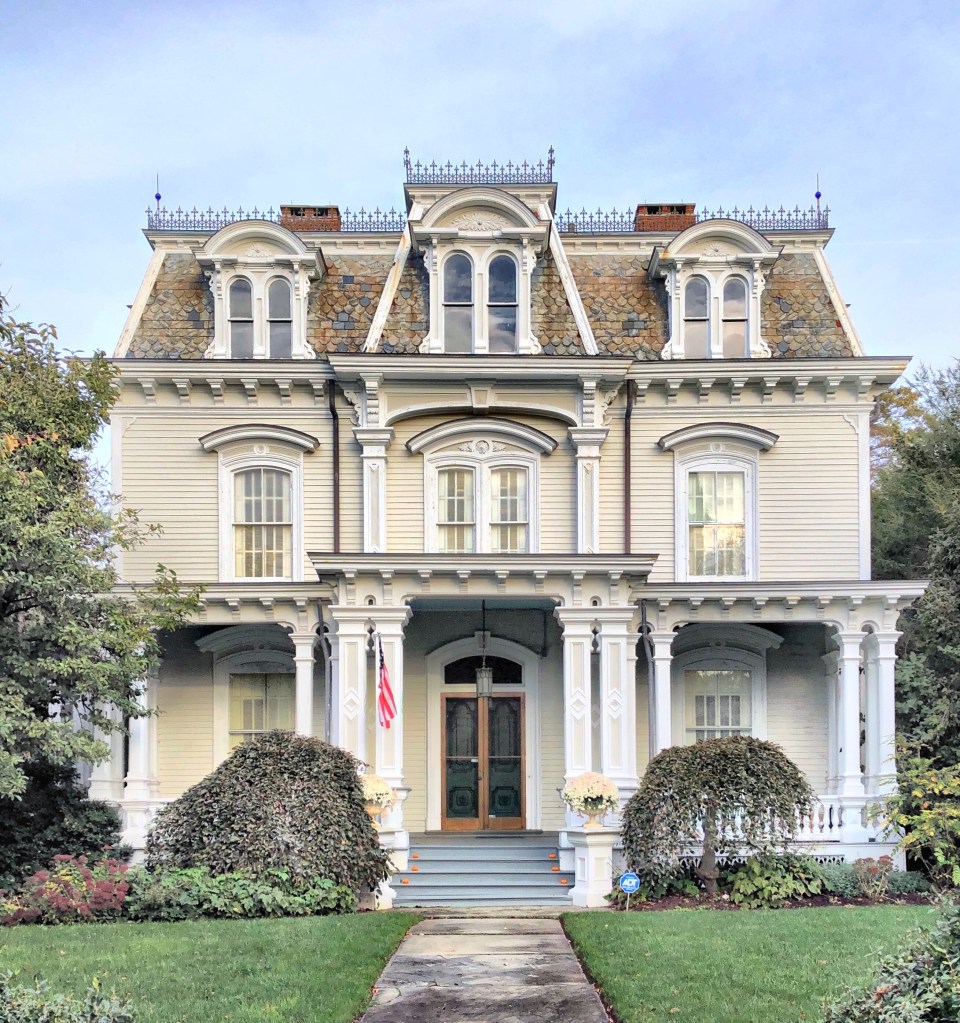
Mrs. Mary Pomeroy, the widow of one of Southport’s industrious and wealthy shipping merchants, Benjamin Pomeroy, built this large residence for herself and her daughters, soon after her husband’s death. Mr. Pomeroy was a merchant who also served as a Senator. In 1866 with ailing health, he took a doctor on a private ship to try various remedies in the West Indies, to no avail, he died at 48 years old. Ms. Pomeroy appears to have taken the money her and her husband had saved and built a large mansion to cement her position in town as the most eligible bachelorette in town. While she never remarried, she sure showed the town what good taste looks like! The facade of the Pomeroy house is symmetrical with a projecting three-story central pavilion, all surmounted by a mansard roof with cresting. Rounded dormers with twin round-headed windows pierce the roof’s multicolored slate surface, making this Second Empire house one of the nicest in a town full of historic homes!

Henry P. Kent House // 1871

Located on South Main Street in Suffield, Connecticut, this stunning Second Empire mansion showcases the tobacco wealth seen in the town in the mid-to-late 19th century. In 1810, a Cuban man who seemingly drifted into town, was hired by a local farmer to grow tobacco and roll cigars for sale. Decades later, dozens of farmers in Suffield erected tobacco barns and cultivated tobacco to be rolled in cigars and sold. One of the first to box the cigars as a pack for shipping and sale was Henry Phelps Kent (1803-1887). Kent’s business did very well and he eventually hired local architect John C. Mead to design a mansion to display his success in business. The large Second Empire mansion features flush-board siding, full length porch, and a projecting mansarded tower with convex roof. The home was later owned by Samuel R. Spencer, a politician who served as a Lieutenant Governor of Connecticut, the first as a blind man. The home is now operated as a bed & breakfast “Spencer on Main”.