Stockbridge Casino // 1887

The Stockbridge Casino was built in 1887-1888 according to the design of Stanford White, a principal architect of the firm McKim, Mead & White. The building was not what we think of casinos today, it was a ‘casino’ in the older sense of the term, having been established as a place for a reading-room, library, and social meetings, for the richest in town to hang out. For forty years, it offered its members tennis, billiards, dances, theatricals, and lectures throughout the summer seasons. After a period of decline after WWI, the group sold the property to Mabel Choate, who wished to move the Mission House (home of the first missionary to the Stockbridge Indians) from up on Prospect Hill to Main Street. There was reluctance to see the casino torn down, so a group of local citizens — led by Walter Leighton Clark, President of the Grand Central Art Galleries of New York; Austen Fox Riggs, psychiatrist; and Daniel Chester French, sculptor — acquired land at the end of Main Street and moved the Casino to its present site, saving it from the wrecking ball. The building was renovated and reopened in 1928 as the Berkshire Playhouse, and was later renamed the Fitzpatrick Main Stage, a theater run by the Berkshire Theatre Group.

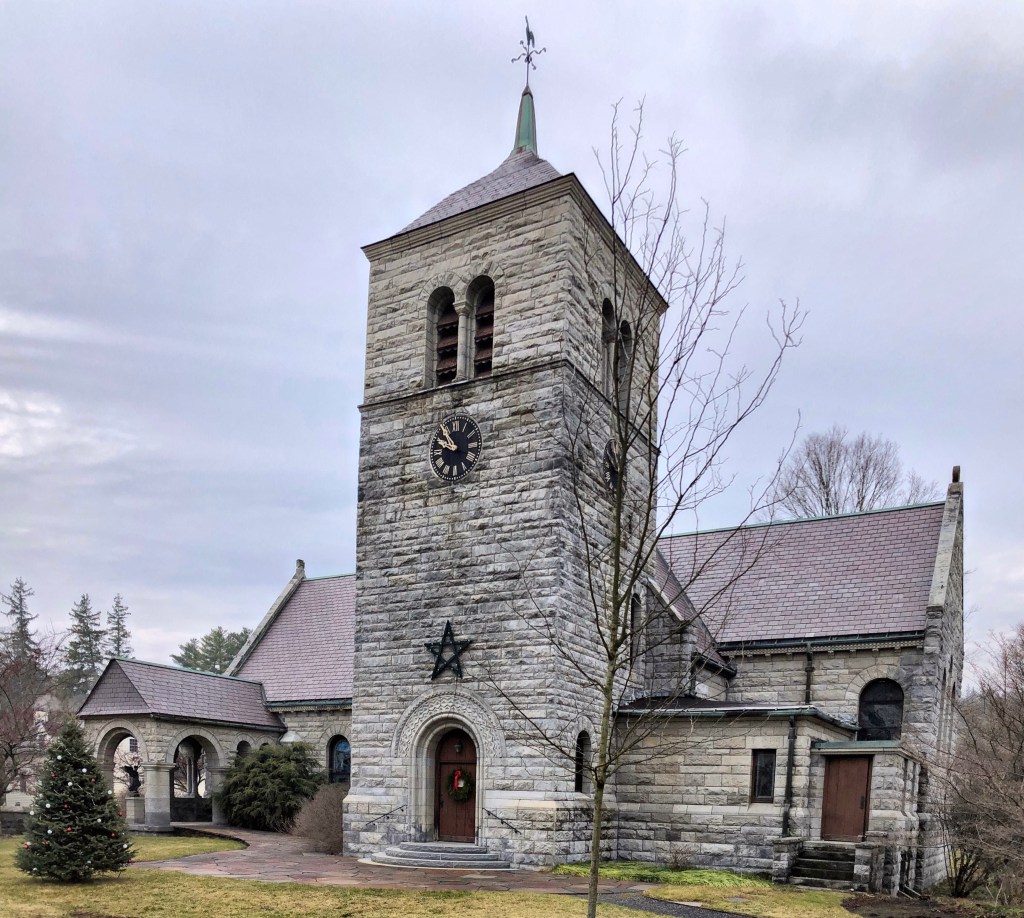
St. Paul’s Church, Stockbridge // 1884

Located on the idyllic Main Street in Stockbridge, MA in the Berkshires, this stone church marks the emergence of the once sleepy town into a summer retreat for wealthy citizens, escaping the cities in the late 19th century. This building is Charles Follen McKim’s first church design, a building reflecting his early training in the office of H. H. Richardson with the use of Romanesque detailing, though with a hint of Norman design. St. Paul’s Church is constructed of gray Berkshire granite with stained glass windows by John La Farge. The church replaced an older wooden church building designed by Richard Upjohn in the Gothic Revival style. The church was almost entirely funded by Charles Butler, a New York lawyer who wanted to honor his late wife Susan Ridley Sedgwick Butler, a descendant of Theodore Sedgwick, whose home I featured not long ago.
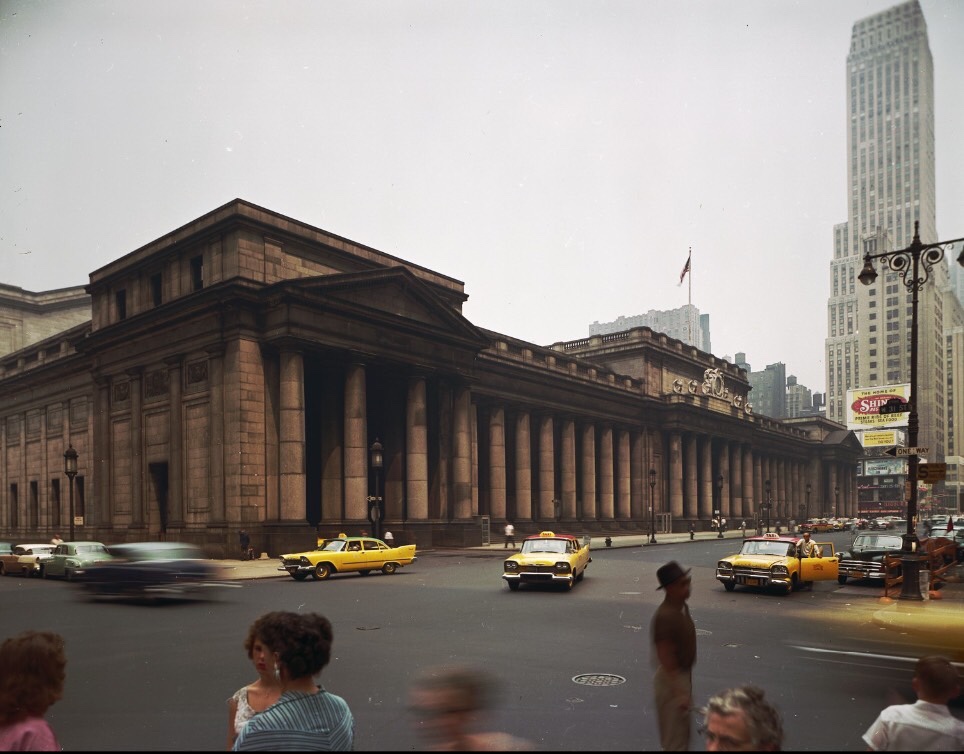
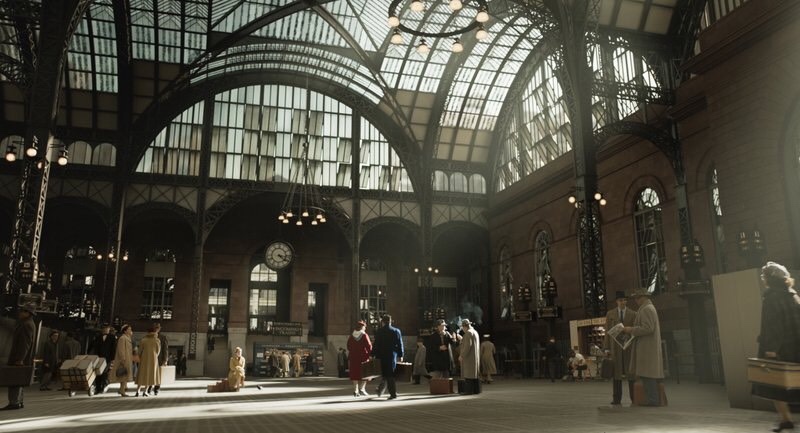
Old Penn. Station // 1910-1963

Pennsylvania Station in Manhattan was opened in 1910, and its sheer scale immediately evoked a sense of awe. At the time it was completed, it was the largest building ever built occupying two entire city blocks, and boasted the biggest waiting room in history. Over 500 buildings were demolished for the station to make way for the Charles McKim-designed station, an icon in the Beaux-Arts style. The structure had “nine acres of travertine and granite, 84 Doric columns, a vaulted concourse of extravagant, weighty grandeur, classical splendor modeled after royal Roman baths, rich detail in solid stone, and an architectural quality in precious materials that set the stamp of excellence on a city.” Sadly, being one of the most beloved architectural gems in the city did not constitute its maintenance nor preservation.

In 1961, after numerous plans for redevelopment, air-rights were sold on the building and in 1963, Penn Station was razed. The former grand station was replaced by Madison Square Garden and Pennsylvania Plaza, an office skyscraper, all with a modernized station below. When the building was destroyed, art historian Vincent Scully famously said, “One entered the city like a god. One scuttles in now like a rat.” In 1965, two years after Penn Station’s demolition commenced, the city passed a landmarks preservation act, thereby creating the New York City Landmarks Preservation Commission. Additionally, Grand Central Station was proposed to be demolished later in the decade, but was saved thanks to preservation efforts.