St. Anthony of Padua Catholic Church // 1956

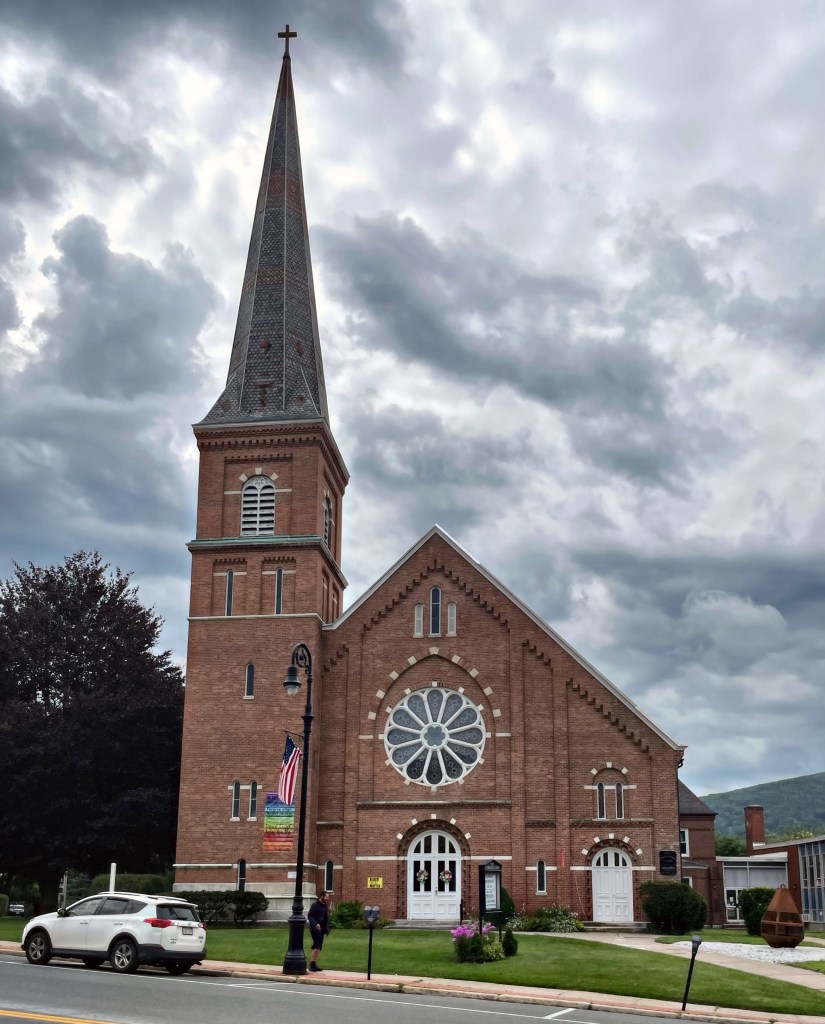
Believe it or not, the city of North Adams, Massachusetts has long been home to a large Italian population. The first waves of Italians first arrived to this part of the Berkshires in the mid-late 19th century, many of which were hired to build the Hoosac tunnel, which when it was finished, was the second longest tunnel in the world. It took almost 25 years to build! Some Italians were experienced stone carvers and others worked in the cotton mills and other factories in the area. As the Italian population grew, Roman Catholic churches were required for these new first- and second-generation families in the mill town. The first St. Anthony of Padua Roman Catholic Church was erected in North Adams in 1906. Four years later, the 1910 census noted that roughly 16% of North Adams’ population was of Italian descent. After the first church burned down around 1950, money was raised to build the present church which is located across the street from Mass MoCA. The church was designed by architect Anthony DePace (1892–1977), an American architect who designed numerous Roman Catholic churches throughout the Northeastern United States area during the mid to late 20th century. Architecturally, the building features late-Romanesque and Art Moderne details. Eventually, the decline in the number of Catholics in North Adams in recent decades led to the consolidation of parishes in 2009. St. Anthony’s is the sole remaining Catholic church in North Adams and the church and parish are now known as St. Elizabeth of Hungary, possibly after a merging of multiple parishes.
A. C. Houghton Mansion // 1897

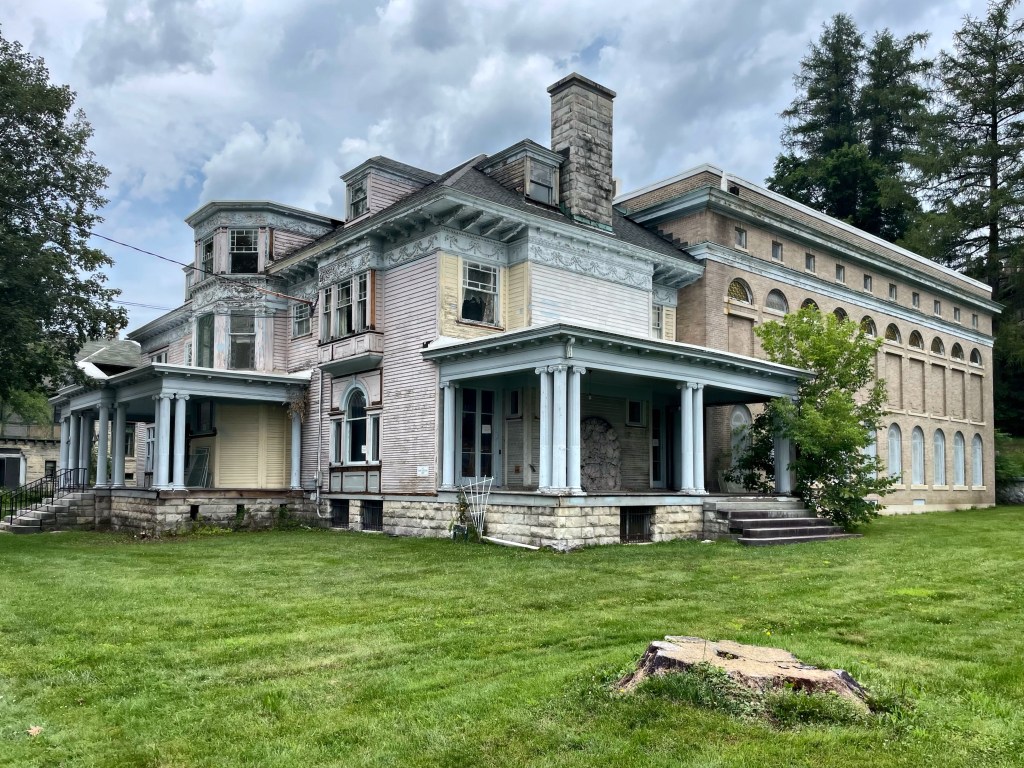
The first mayor of North Adams, Albert Charles “A. C.” Houghton (1844-1914), built this house on Church Street in 1897. Albert was born in Stamford, Vermont and would become president and principal owner of Arnold Print Works (now Mass MoCA campus) and the Beaver Mill in town. He did well for himself and had this large mansion built from plans by Berkshires architect Henry Neill Wilson. Tragically, on August 1, 1914, A. C. Houghton was being driven in town by his driver with his daughter Mary and her husband in the car. They crashed and both Mary and her husband died, with seventy-year-old Albert succumbing to his wounds over a week later in his home. His driver soon thereafter shot himself. The Houghton mansion was inherited by Albert’s wife Cordelia, who passed away in 1918. Their daughter Florence Gallup next inherited the mansion but was living in the Boston area, and she decided to sell the family home to the local Masonic Lodge in 1927. They likely added the brick addition at the rear for meetings and events soon after. It is not clear to me what the mansion is used for today, any locals have more information?

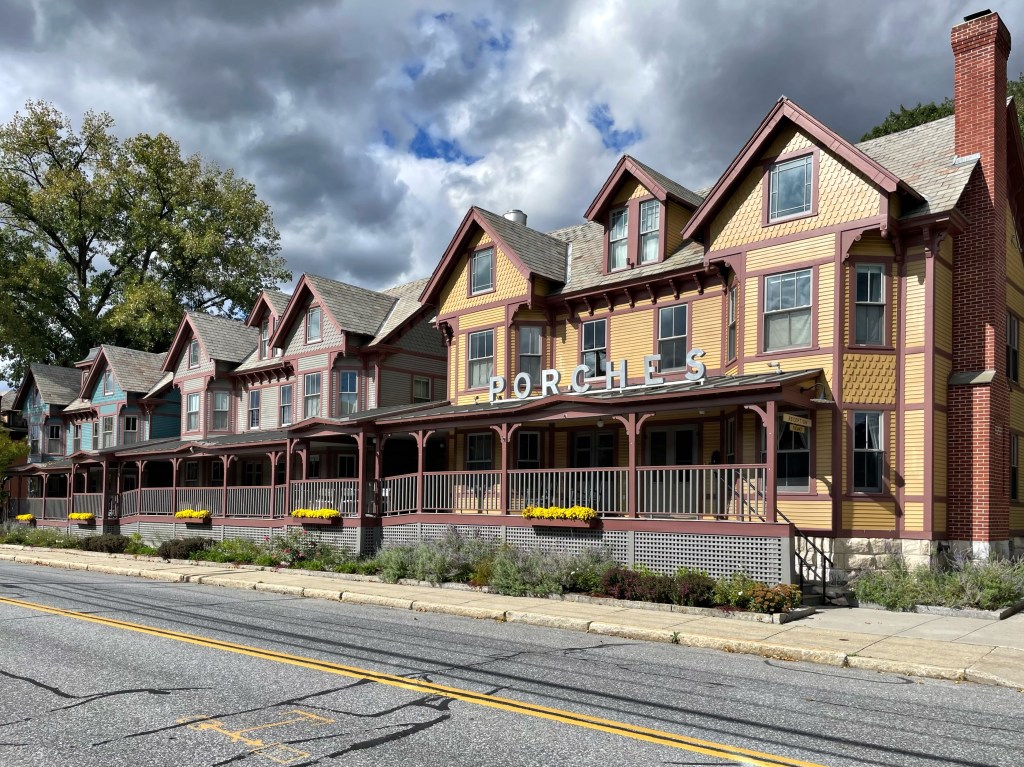
The Porches Inn // 1895

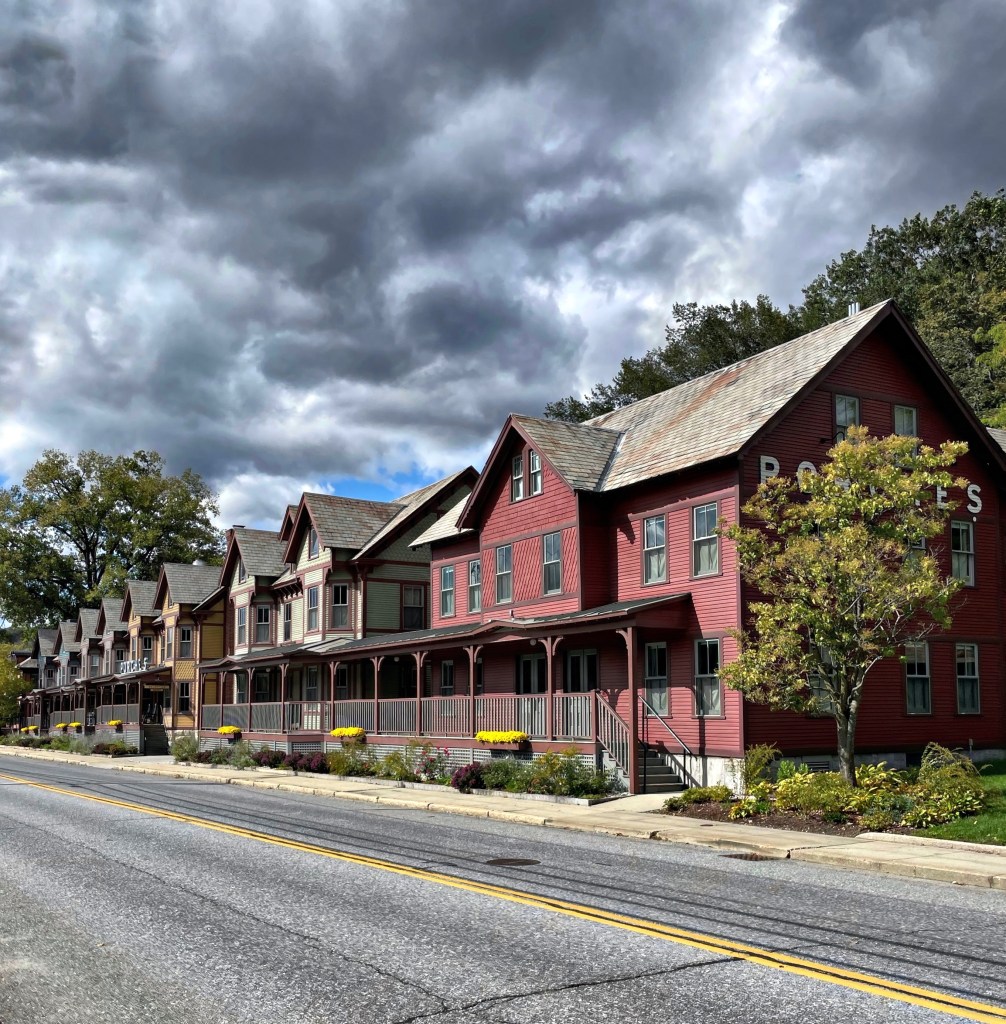
Prior to a few decades ago, there were not many reasons one would visit or stay a weekend in North Adams, Massachusetts. The former industrial city, like many others in the region, saw a sharp decline in population, services, and quality of life when many of the local factories closed in the second half of the 20th century. The major draw of tourists today is Mass MoCA, a museum in a converted factory building complex that is now one of the largest centers for contemporary visual art and performing arts in the United States! The new museum has created a huge demand for restaurants, housing, and hotels of all types in the formerly decaying river city. This is a story of perseverance and rebirth! In the early 2000s, Jack Wadsworth, an alumnus of nearby Williams College, wished to revitalize a block of vacant 19th-century workers houses across from the growing attraction of MASS MoCA. He worked with Burr and McCallum Architects of Williamstown to convert the decaying workers cottages into a boutique hotel. The span of Queen Anne and Colonial Revival cottages were joined via a long porch lined with rocking chairs, and the space between the buildings is bridged with skylights, giving the complex its appropriate name, Porches Inn.

Murdock Hall – MCLA // 1896

In 1894, the Massachusetts legislature decided to build four Normal Schools for the purpose of training teachers for teaching in public schools. North Adams was chosen as one of the sites because it was a commercial and industrial center of the Berkshires, and because the city agreed to contribute the land and provide other support. The training of teachers for the public schools was especially important for North Adams in the 1890s, as the city was growing at a rapid rate due to an influx of immigrant laborers working in local factories and raising families in the city. Local architect Henry Neill Wilson was hired to furnish plans for the school building, completed in 1896, which was designed in the Renaissance Revival style. In 1932, the Normal School became the State Teachers College of North Adams, reflecting the increased importance of education as an academic discipline. In 1960, it changed names to North Adams State College with an expanded focus to include professional degrees in business administration and computer science. In 1997, the College joined the State University system and renamed again as Massachusetts College of Liberal Arts.

Ashe House // 1898

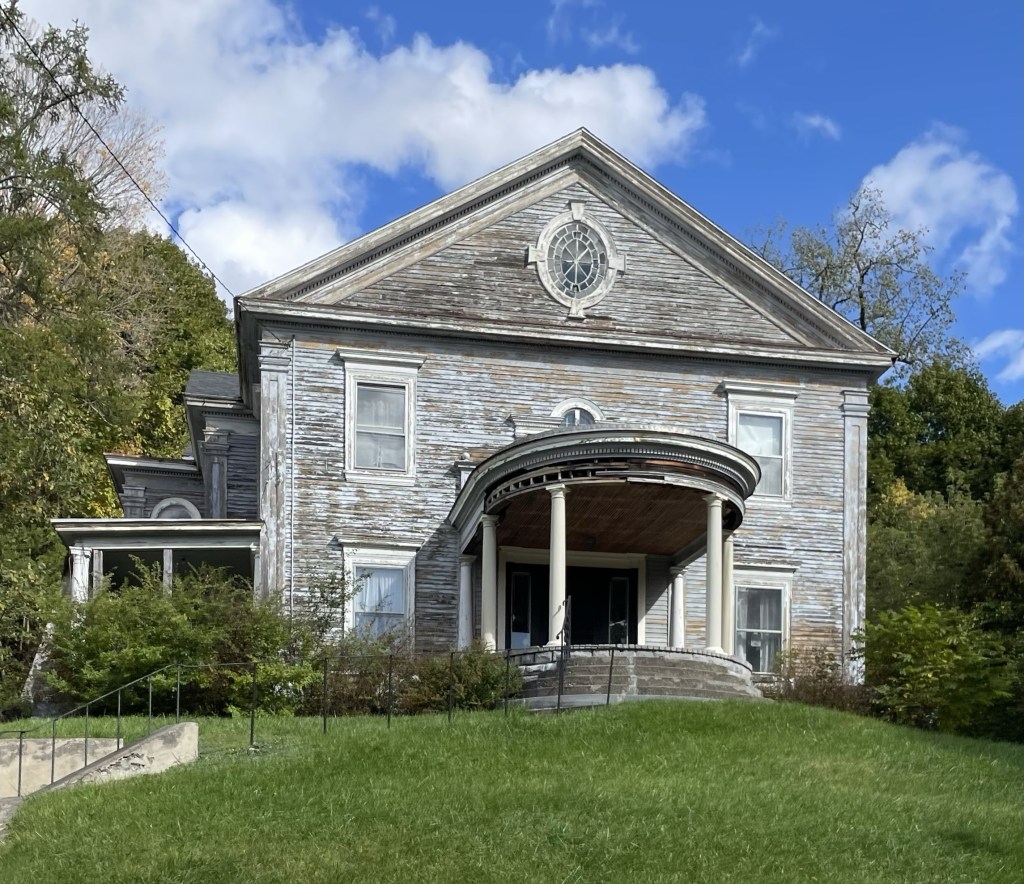
North Adams, like many formerly industrial towns and cities in New England has some amazing old Victorian and Colonial Revival houses built before the factories closed. Luckily for us, this town still has many unaltered residences, with some needing more love than others. This is the Ashe House, built in 1897-8 for Patrick J. Ashe and wife Katherine O’Brien. Classical details from many different styles make this house unique. An oval window dominates the traditional Greek facade which includes a pediment and side pilasters. A palladian window sits over the elliptical porch which is supported by columns. This one has so much potential!!

First Congregational Church of North Adams // 1863

Initially the Congregationalists of Adams and North Adams, Massachusetts met in a small, wooden meetinghouse that was lent to them for use by the Baptist Church. The small, but active congregation totaled just 22 people; 5 men and 17 women. The first minister of the church, John W. Yeomans, worked diligently to see the new church succeed. He was able to raise $3000 from Congregationalist members here and in surrounding communities to build a church of their own. In 1827, a new brick meetinghouse was constructed on the site of the current building. Due to the continuing growth of the church, a new building was necessary after membership outgrew the brick meetinghouse. Bricks from the 1827 building were used in the construction of this church. Architect Charles Edward Parker began construction of the First Congregational Church during 1863 and finished building in 1865. The church was constructed in the Romanesque Revival style; which can be seen in the church’s narrow elongated windows that are covered with wide stone arches, as well as its brick and stone construction, and the building’s slate, conical-shaped roof. What a textbook academic example of an early Romanesque church, especially in a relatively remote town!

The Boardman Rowhouses // 1899

Built between 1899-1901, the Boardman rowhouses of North Adams, Massachusetts were constructed by developer and hardware dealer Walter Penniman and his wife Susan Boardman Penniman to serve as much-needed middle-class housing for workers in the growing city. The name “Boardman” was likely taken from Susan’s maiden name. The entire row is comprised of nine rowhouses, all with a front porch, as well as servants’ quarters on the third floor. Each residential unit is fronted by a porch of granite block with Tuscan columns supporting a shed roof. Entrances are recessed behind round-arched openings, also composed of granite blocks. While much architectural details on the second story are obscured by synthetic siding, the
building’s gables retain simple bargeboarding, and eaves are bracketed. The Boardman’s designer was Edwin Thayer Barlow who opened an architecture practice in the town in the 1890s. The rowhouses are still some of the finest example of middle-class housing built in North Adams in the 19th century.

Former Notre Dame Parochial School // 1898

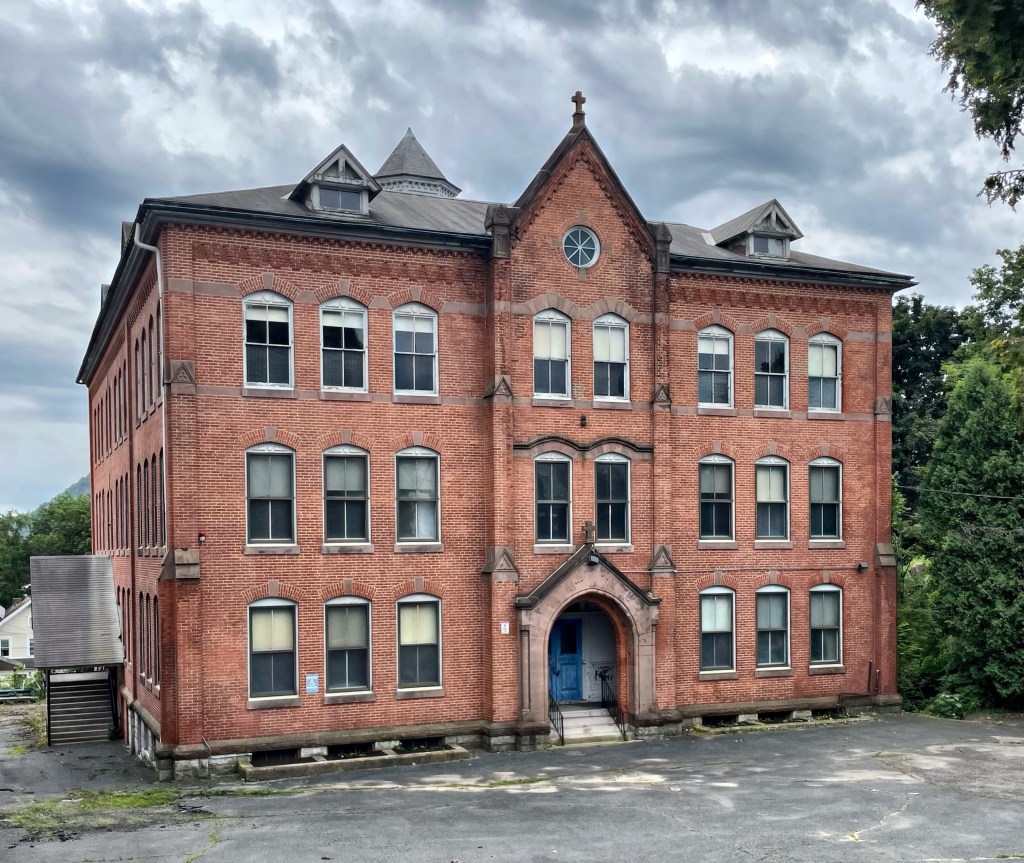
Located next door to the former Notre Dame Roman Catholic Church in North Adams, Massachusetts, this stunning former school building stopped me in my tracks. The sad fact is that the former school is seemingly vacant makes me really sad and concerned for the future of the building. This beauty was constructed in 1898 to serve as a school associated with the Notre Dame Roman Catholic Church located to its east. Local architect Edwin Thayer Barlow, who formerly worked with Carrere and Hastings, designed the building in the Queen Anne and Romanesque Revival styles, both popular at the time. The school remained in operation until the 1968-1969 school year, after several years of declining enrollment. The City of North Adams leased the school beginning in the 1969-1970 school year to relieve overcrowding at the public schools. In 2008, the City of North Adams purchased the school and church properties from the Springfield Roman Catholic Church Diocese after the church closed in 2005, but no plans have yet materialized to restore the beauties. What would you like to see this building converted into?

Notre Dame Roman Catholic Church // 1875

Built in 1875, this large Gothic Revival church was built specifically to serve as a place of worship for the French Roman Catholic immigrants from Canada who began moving northern Berkshire County, Massachusetts, who were arriving to work in North Adams’ brickyards and textile factories. Before 1875, the Catholic community in the region had to make due with only occasional visits from a Vermont missionary. In 1871, Father Charles Crevier arrived in North Adams to take charge of the French flock and officially form the parish of Notre Dame du Sacre Coeur, with 750 new parishioners. Funding was acquired to purchase a property in town and erect a suitable church for the large (and growing) congregation. Architect James Murphy, a relatively unknown architect who specialized in ecclesiastical designs, furnished the plans for the church. After loss of industry and a declining population, the church closed in 2005, and the property was sold to the city of North Adams in 2008. The city faced repairing the church building as recently as 2016 with about half of the $100,000 budget coming from the city directly. Its future is unknown, but the town hoped to sell it for a renovation into a hotel or other use to activate the downtown area.

Sullivan Three-Deckers // 1895

The three-decker is a commonly found housing type in New England’s urban industrial cities. These buildings are typically of light-framed, wood construction, where each floor usually consists of a single apartment, and frequently, originally, extended families lived in two, or all three floors. These were affordable housing, largely built by and for first- or second-generation immigrant families who could build a home and rent the other two units to family or friends to offset the steep cost of a mortgage. These three buildings were constructed around 1895 by David Sullivan, a cabinet-maker in North Adams, Massachusetts. They are all Queen Anne in style with applied stickwork, gabled roofs, and multi-story porches. Housing like this is what keeps so many New England towns and cities (relatively) affordable with increased density without sacrificing character or charm.

Tourists Hotel // 2018

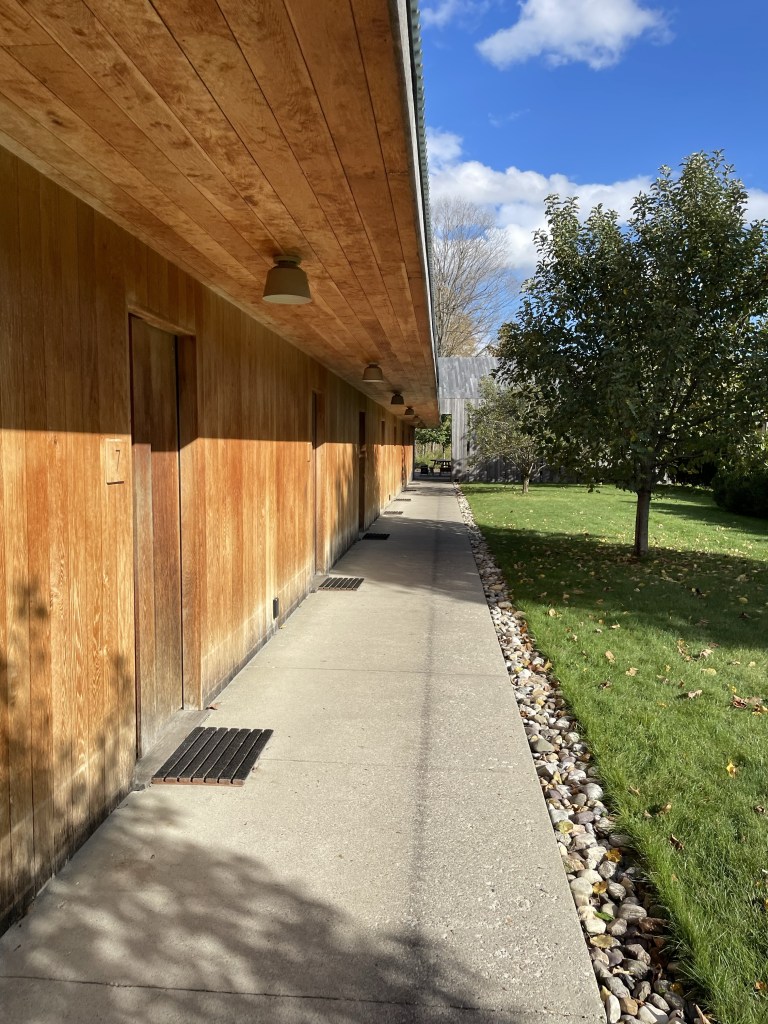
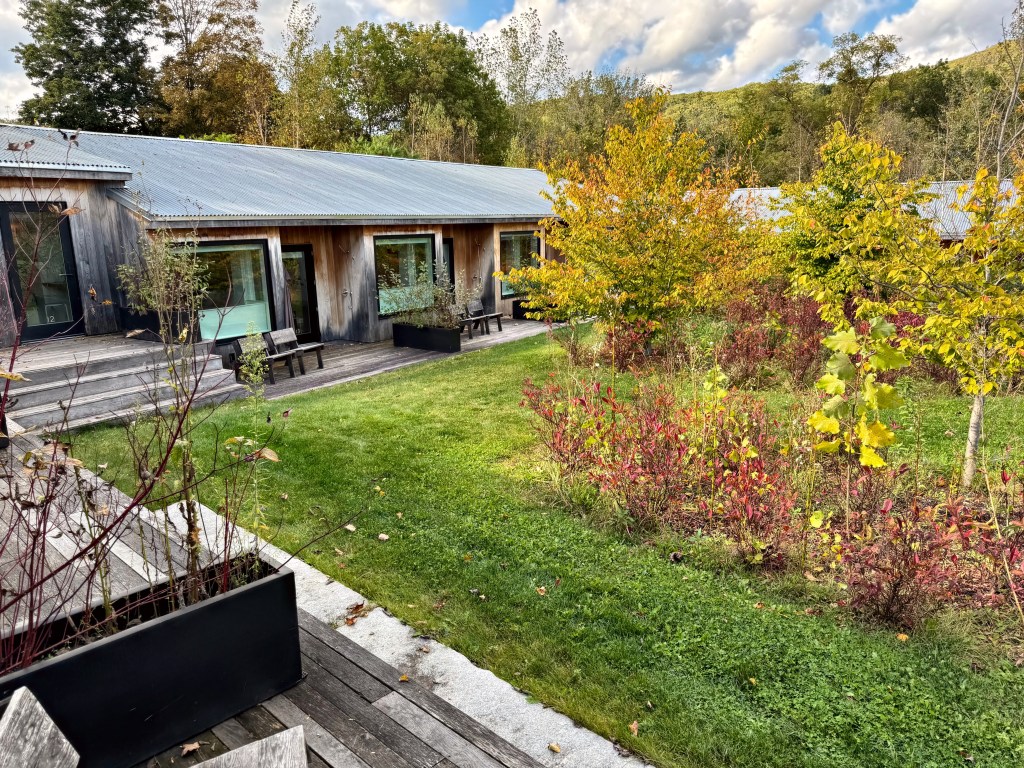
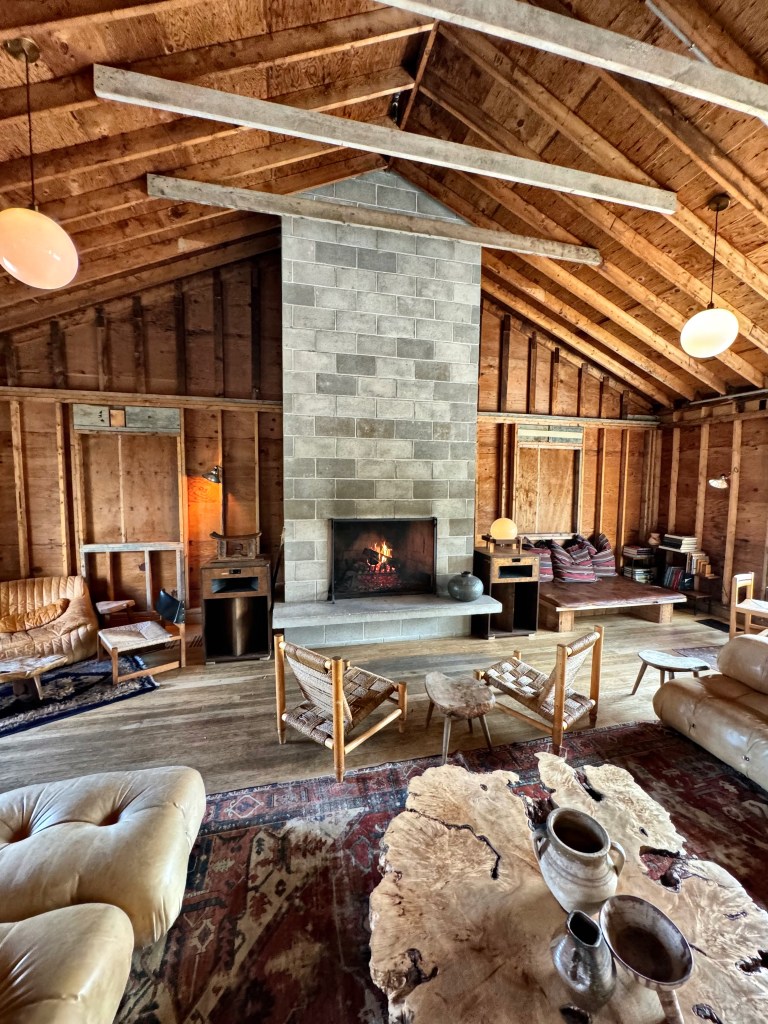
This past weekend, I had the absolute pleasure to stay at one of New England’s coolest new hotels, Tourists Hotel! Located in the industrial-turned-artistic town of North Adams in the Berkshires of Massachusetts this elevated, 48-room hotel modernises the aesthetic of a classic American motor lodge with contemporary design that feels cozy and inviting. The site was originally home to the Redwood Motel, a prototypical 1960s motel on the Mohawk Trail, a designated scenic tourist route which became popular in the automobile era of the 20th century. The reimagined motel was developed by Broder a Boston-based developer who worked with architect Hank Scollard and landscape architecture firm Reed Hilderbrand to design the new hotel. U-shaped in plan, the main part of the hotel surrounds a central courtyard with native flora. Facades are wrapped in white oak planks with the intention to blend the architecture with the surrounding woods. My favorite part was that the rooms have sliding glass doors which open to private decks which make rooms feel more personable. On the crisp fall day, the lounge was an amazing space to cozy up with some spiked cider and chat with other guests. An unexpected treat was to learn that the grounds include dozens of walking trails running along the Hoosac River with a suspension bridge that stretches 220 feet across. Pictures do not effectively showcase how special Tourists is, both in the design details and the attention to detail the staff had during my stay. If you are ever in the Berkshires for a weekend trip, I highly recommend you check them out!

“Oronoque” // c1886

One of the most stunning and unique summer “cottages” in Stockbridge, Massachusetts has to be “Oronoque”, an eclectic Shingle-style home constructed of course ashlar blocks and shingle siding. The home was constructed around 1886 for Birdseye Blakeman, who lived in Stratford, CT. The home’s name is somewhat a mystery, but was possibly the name of his ancestral home in Connecticut. Just a few years after the homes completion, Blakeman died, and his widow continued to summer at the home until her death in 1912. The home was purchased by Norman H. Davis, a U.S. diplomat who later served as President Wilson‘s chief financial advisor at the Paris Peace Conference after WWI. Davis also served as Chairman of the American Red Cross, under three presidents. Under his direction, the Red Cross greatly expanded by thousands of volunteers and blood banks were established. The home was later owned by Boston University, who used it as lodging for students visiting the Tanglewood Festivals. It was later sold to a developer who appears to have converted it to a multi-family property.

“Highwood” // 1845

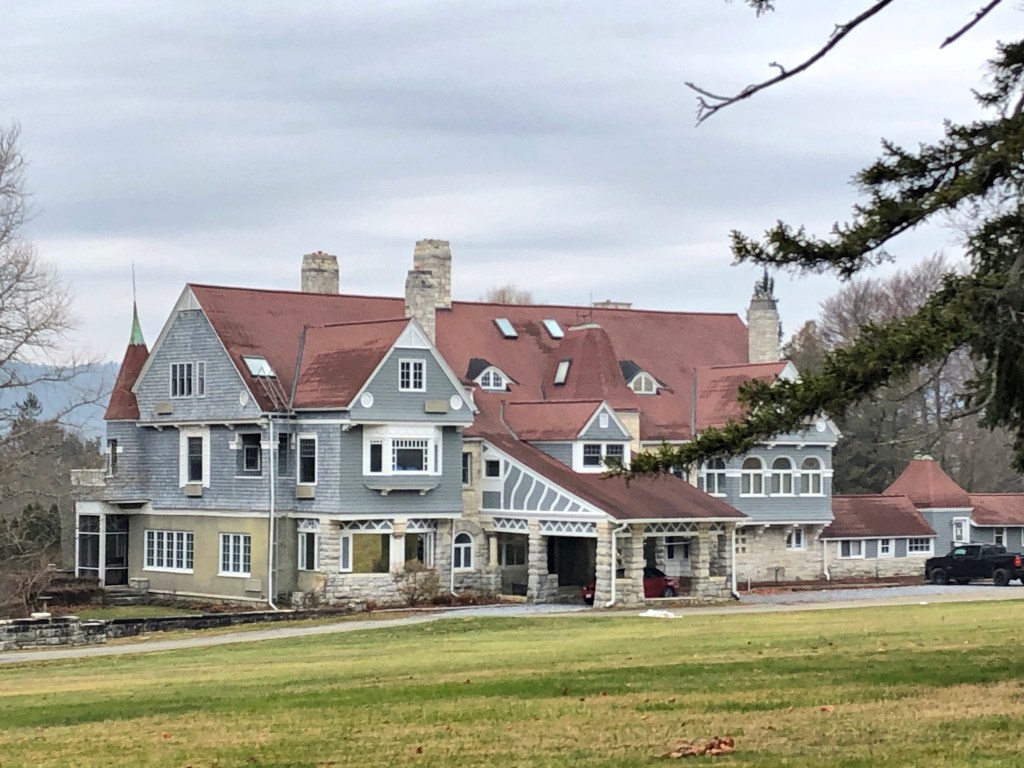
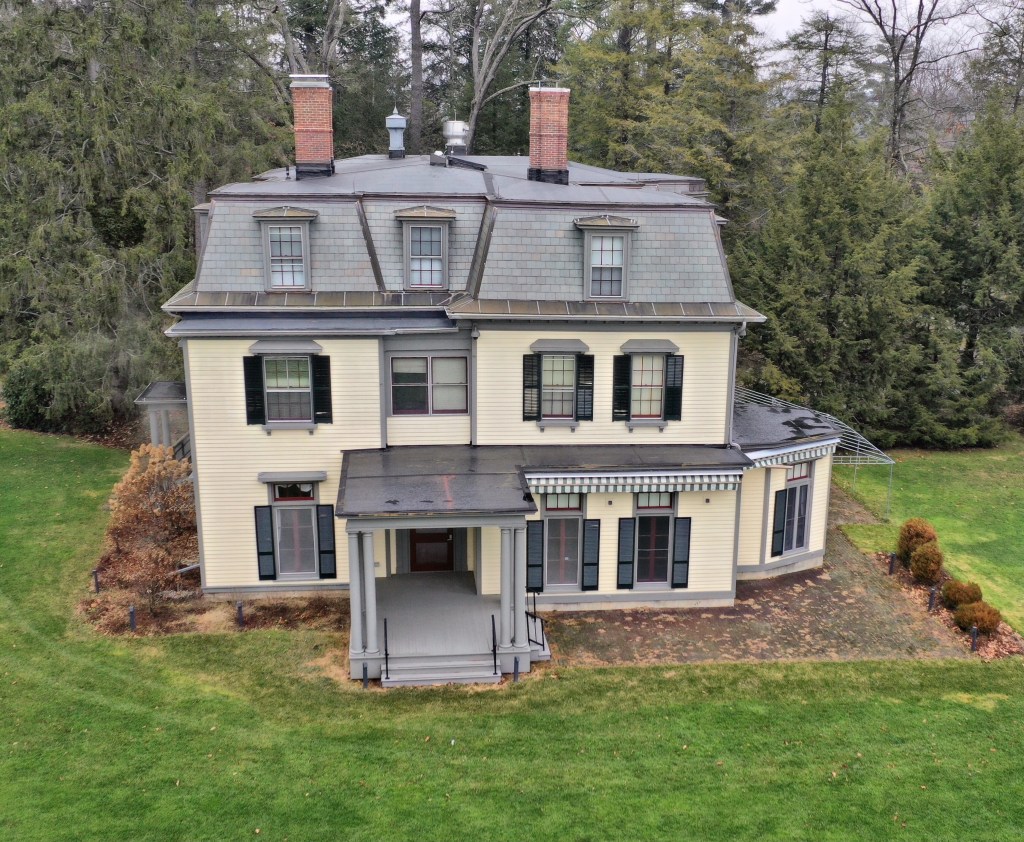
“Highwood”, was completed in 1845, and is likely credited to architect Richard M. Upjohn the son of Richard Upjohn Sr., who was known best for New York City’s Trinity Church, who was building a church for the Episcopal congregation in Stockbridge at the time. The home sits near Tanglewood, both since being absorbed into the Tanglewood Music Center campus today. The home was built for 27-year-old Samuel Gray Ward (1817-1907) an American poet, author, and minor member of the Transcendentalism movement. He was also a banker and a co-founder of the Metropolitan Museum of Art. Among his circle of contemporaries were poets and writers such as Ralph Waldo Emerson and Margaret Fuller. He desired country living with his family and became a “gentleman farmer” while he wrote in his home, overlooking the large lake. The family lived here year-round until he was called back to Boston to assist his father in business ventures. In 1857, the Wards realized their time at Highwood had come to an end and sold the estate to another Boston couple, William Story Bullard and his wife, Louisa Norton Bullard who settled into their new home, which they were not afraid to alter, including the addition of a mansard roof. The home was occupied by the family 1960. The home was later acquired by John Mason Harding, a New York lawyer and his wife, Mary Riker Harding. Idyllic summers did not last long for the Hardings as in the late 1970s, Tanglewood and the BSO sponsored rock concerts began playing. Mr. Harding complained that he didn’t expect to have Woodstock in his backyard and brought suit against the BSO to limit the length and noise level of the concerts. The home was eventually purchased by the BSO in 1986.

Mission House // c.1739

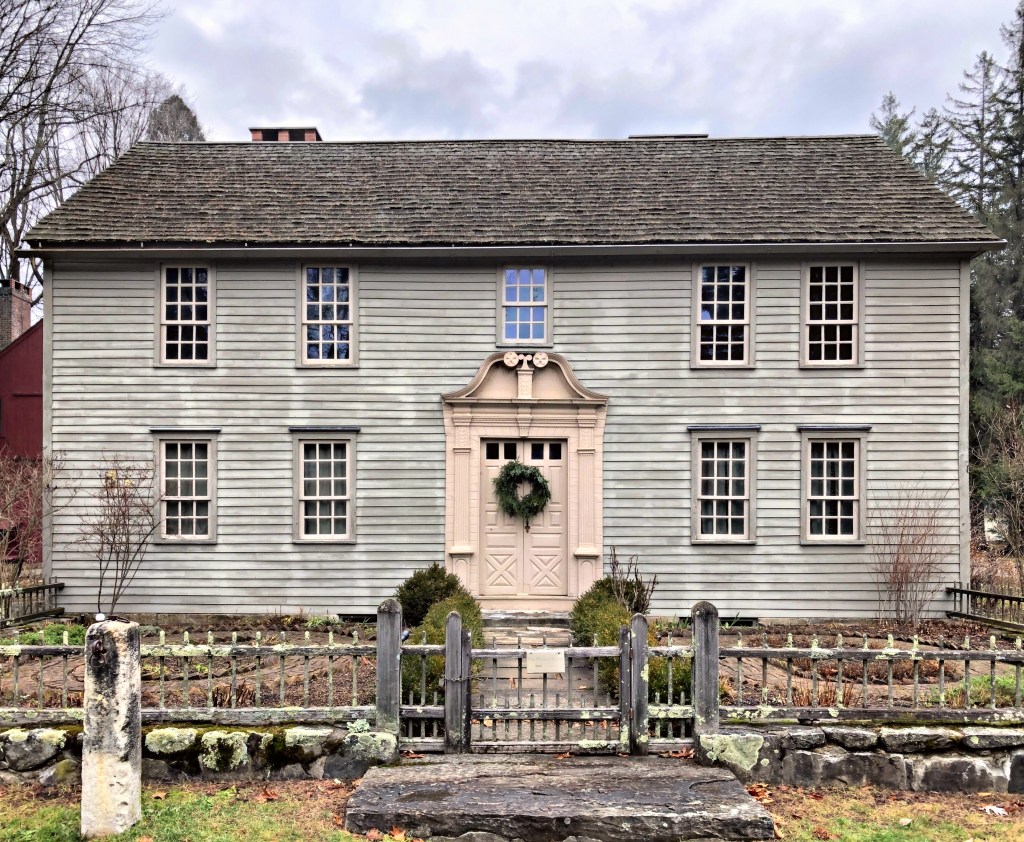
The Mission House, erected by the Reverend John Sergeant in 1739 on Prospect Hill in Stockbridge, Massachusetts, is an excellent and little-altered example of Georgian architecture as constructed on the New
England frontier. The home is a lasting remnant of early missionary efforts toward the local Mohican tribe. Reverend John Sergeant, the first missionary to the Housatonic Indians, moved to Stockbridge and preached to the native people here and at the Congregational Church. Sergeant and his wife Abigail moved to town, but she had made it clear that she wished to live on the hill, away from the village and the native people. Sergeant then built this home, a spacious and distinguished house for its frontier location. Though covered in part by a grant from the General Court, the cost of constructing such a house must have been a severe strain on Sergeant’s slender financial resources, as his salary at that time was 100 pounds per year. The home remained in the family until the 19th century. In 1928, long unoccupied and badly in need of repair, the house was purchased by Miss Mabel Choate, daughter of noted lawyer and former Ambassador to Great Britain, Joseph H. Choate. The house was taken down piece by piece, moved and reconstructed, on Main Street, in its current location. The Mission House was furnished with pieces appropriate to Sergeant’s economic status and his wife’s taste, many of them dating from the 1750’s or earlier. Since 1948, the home has been owned by the Trustees of Reservations.

Stockbridge Casino // 1887

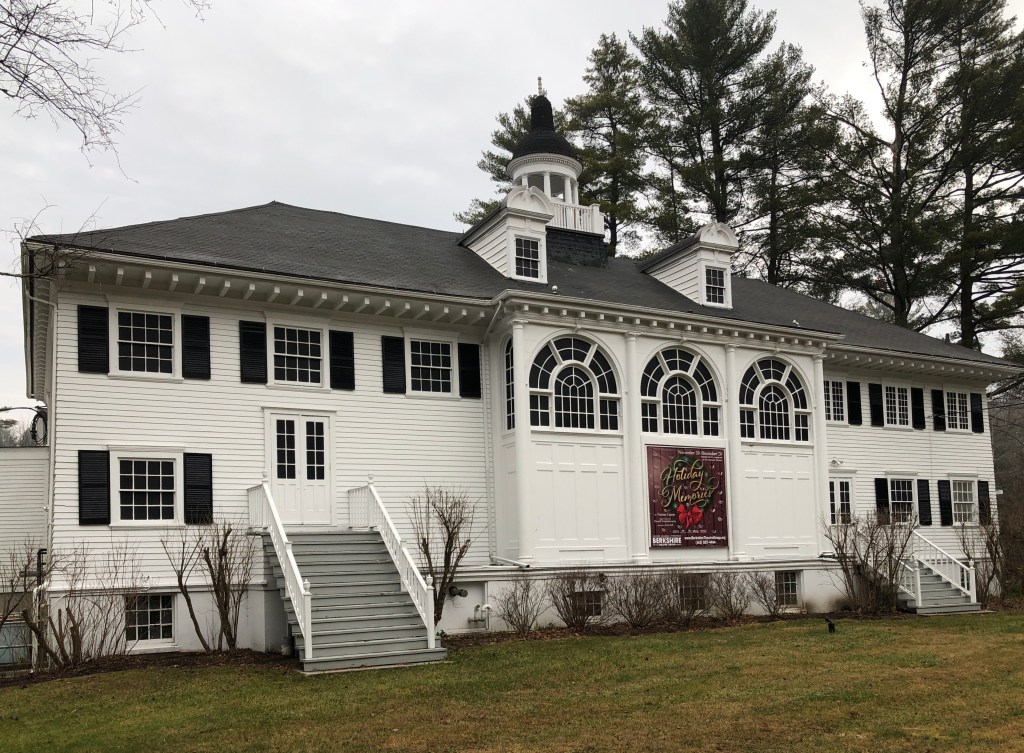
The Stockbridge Casino was built in 1887-1888 according to the design of Stanford White, a principal architect of the firm McKim, Mead & White. The building was not what we think of casinos today, it was a ‘casino’ in the older sense of the term, having been established as a place for a reading-room, library, and social meetings, for the richest in town to hang out. For forty years, it offered its members tennis, billiards, dances, theatricals, and lectures throughout the summer seasons. After a period of decline after WWI, the group sold the property to Mabel Choate, who wished to move the Mission House (home of the first missionary to the Stockbridge Indians) from up on Prospect Hill to Main Street. There was reluctance to see the casino torn down, so a group of local citizens — led by Walter Leighton Clark, President of the Grand Central Art Galleries of New York; Austen Fox Riggs, psychiatrist; and Daniel Chester French, sculptor — acquired land at the end of Main Street and moved the Casino to its present site, saving it from the wrecking ball. The building was renovated and reopened in 1928 as the Berkshire Playhouse, and was later renamed the Fitzpatrick Main Stage, a theater run by the Berkshire Theatre Group.