Chestnut Street Townhouse // 2016

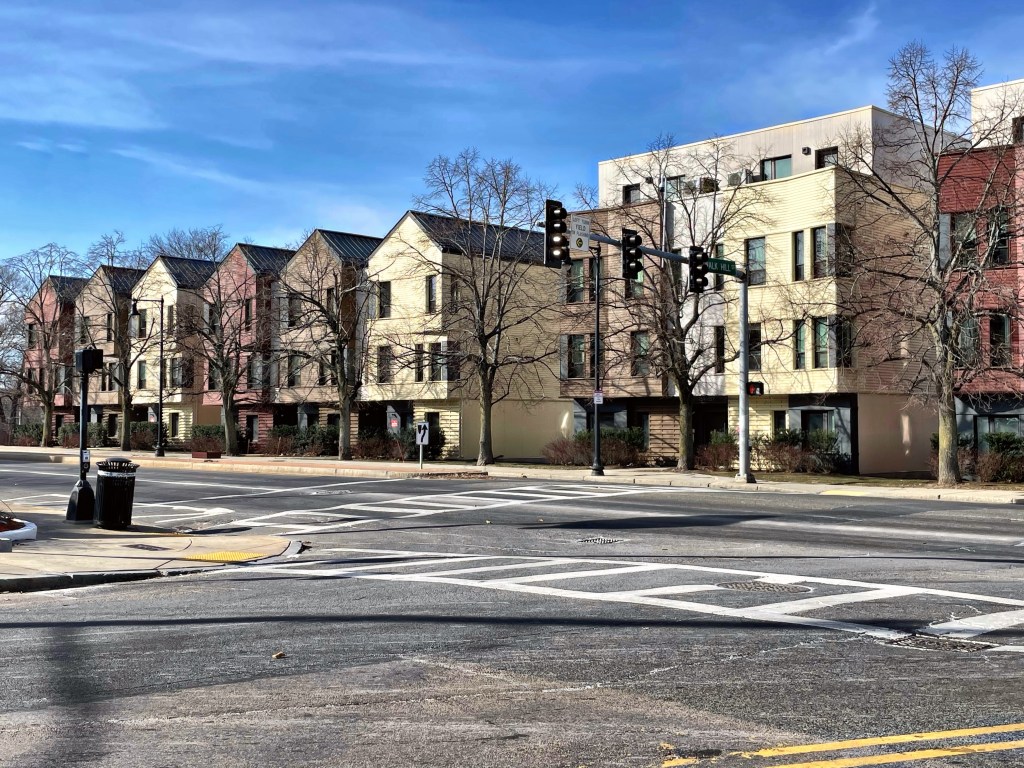
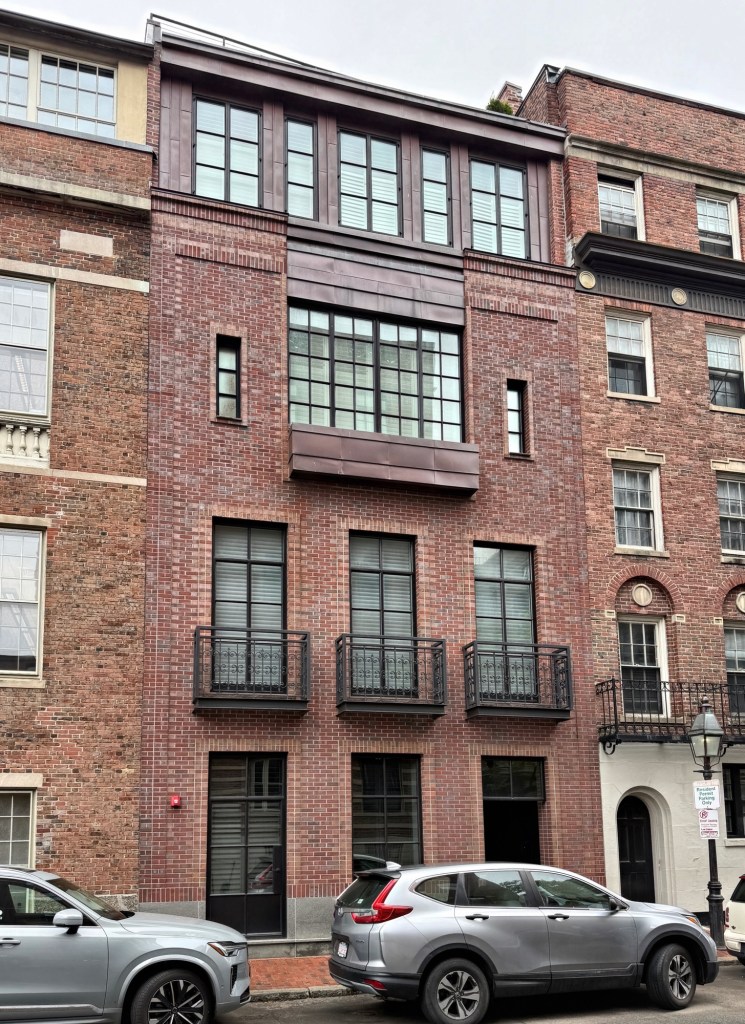
It is uncommon to see new construction in Boston’s historic Beacon Hill, but when it happens, hundreds of eyes closely scrutinize and analyze the design to belong in one of America’s most coveted neighborhoods. The rare opportunity for infill construction occurred on this site on Chestnut Street. An 1860s stable building that was later converted into a residence and art studio in the 1920s as Beacon Hill Flat gentrified as an artist enclave, was listed for sale in 2013. The townhouse featured leaded-glass windows and Tudor elements at the interior and on its rear facade and was purchased by a developer who, after inspection, noted structural deficiencies in the building. After inspections by the City and a request to the Beacon Hill Architectural Commission, it was approved for demolition, but the replacement design would be scrutinized. Hacin, architects, brought forward plans for a new townhouse, which employed similar materials, massing, and fenestration typical for this area of Beacon Hill, but with contemporary finishes that blends old with new in a way that the new structure does not stand out nor detract from the surrounding streetscape. Through hearings, details like the window types and color of the brick were analyzed to slightly deviate from the existing fabric of the neighborhood, distinguishing the new construction as contemporary. What do you think of this new townhouse on the Flat of Beacon Hill?
RISD Museum – Chace Center // 2008

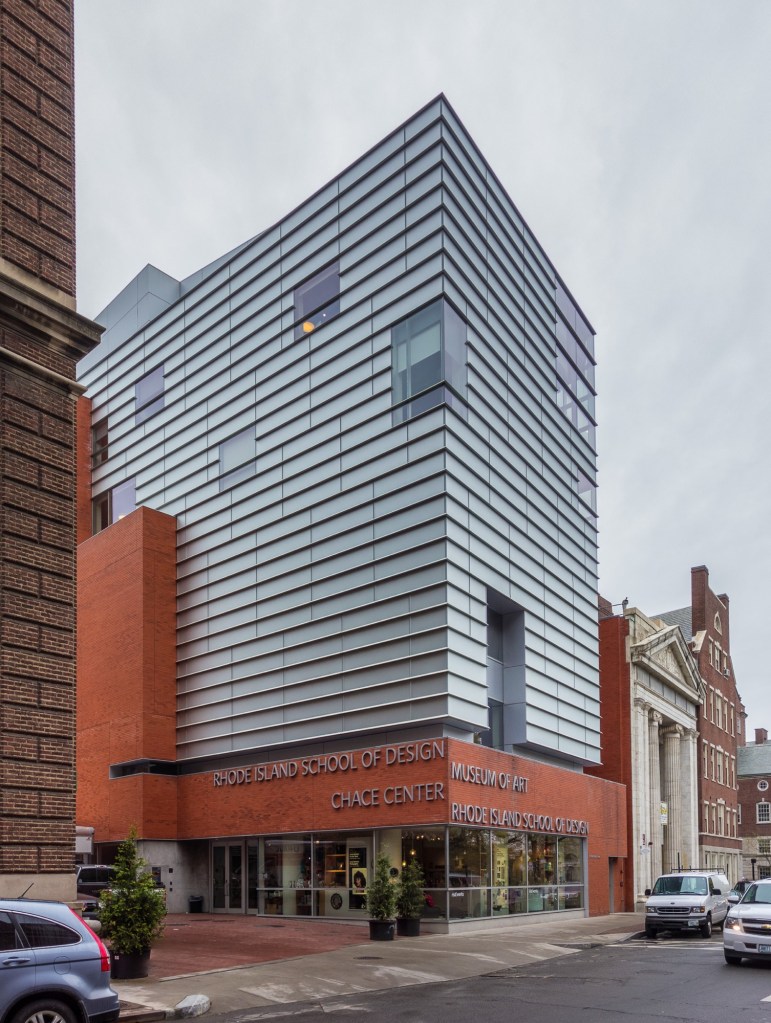
The Chace Center, also known as the RISD Museum in Providence, Rhode Island, is a contemporary infill project that serves as both an expansion of one of the region’s premier art museums as well as a front-door to a prestigious world-class college. The college hired the firms of Rafael Moneo Arquitectos of Spain as design architect and Perry Dean Rogers as the architects on record, for the project, which includes an auditorium, student exhibit spaces, museum shop, cafe, and information center as well as being an important connector between various buildings within the block, including Memorial Hall, a significant former church built in the 1850s, and the People’s Savings Bank, a 1913 Neo-Classical building. The $34 million center was built on a former parking lot in one of the few remaining open spaces near RISD, and it was named in honor of the late Beatrice and Malcolm Chace. It is not easy to fit a contemporary museum on a tight site surrounded by historic brick buildings, but the RISD Museum does just that, with the use of contemporary brick to set the building within its context with the contrasting pearl-glass volume at the facade providing a face to the steel and glass towers in Downtown Providence.

The Whitney Hotel // 2019

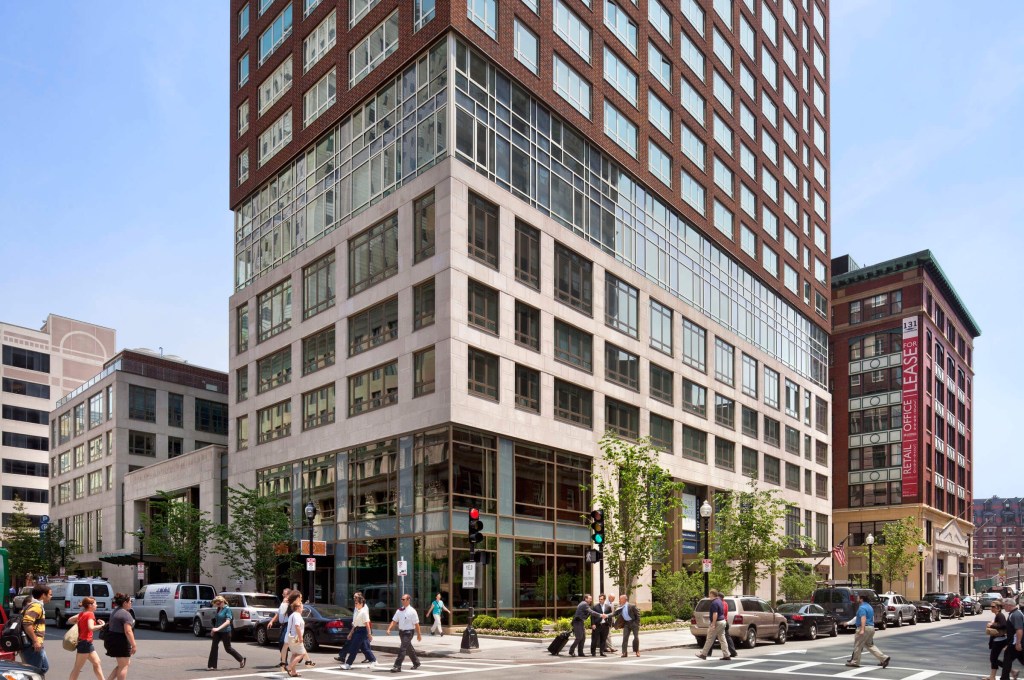
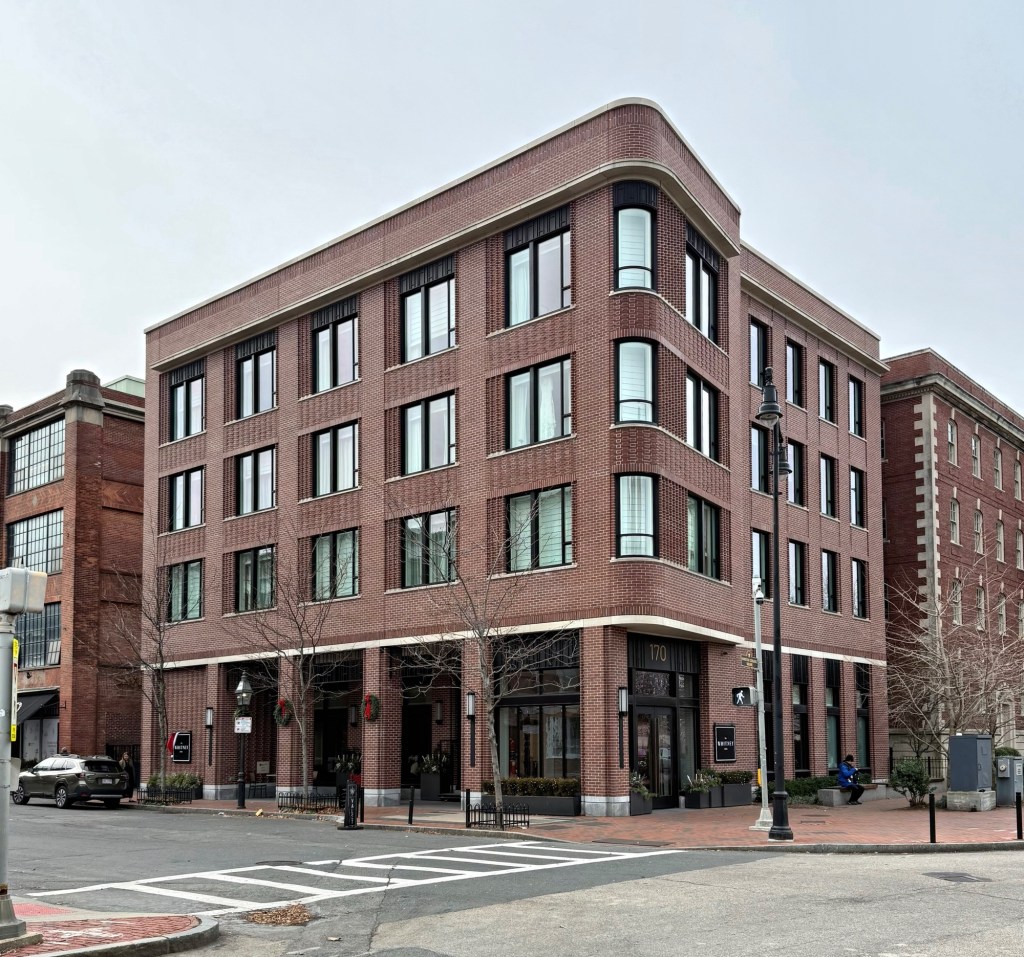
The Whitney Hotel on the iconic Charles Street in Beacon Hill, represents the best of contextual infill construction and good design. Completed in 2019, the hotel was built on an open lot adjacent to the 1909 Eye and Ear Infirmary Nurse’s Residence that sold in 2016. Developers hired Boston architectural design firm of Hacin to construct the new structure as an addition to the 1909 building. As the building is located within the Historic Beacon Hill District, a local commission closely reviewed plans to ensure the new building would blend old and new on the site, while being its own landmark on the prominent corner lot. The scale, massing, materials and rhythm of windows ties the 2019 contemporary wing with the 1909 building, while the brick layering styles, window types and unique rounded corner read clearly contemporary. The hotel is named after Henry Melville Whitney (1839-1923) a Boston politician and businessman who founded the West End Street Railway Company, which preceded the Metropolitan Transit Authority and today’s MBTA. The Whitney Hotel serves as an important visual anchor and entrance into Beacon Hill, enlivening the street and neighborhood through high-quality design.

Yale Tsai Center for Innovative Thinking // 2020

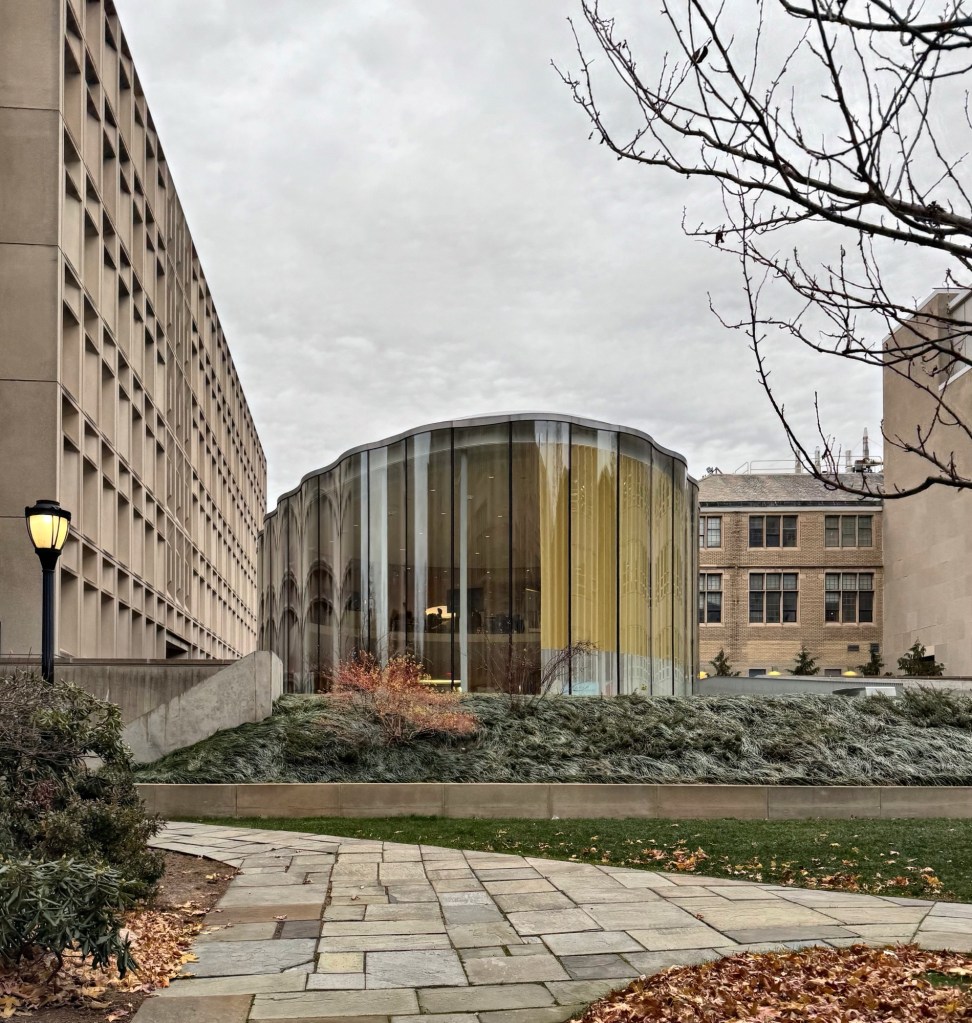
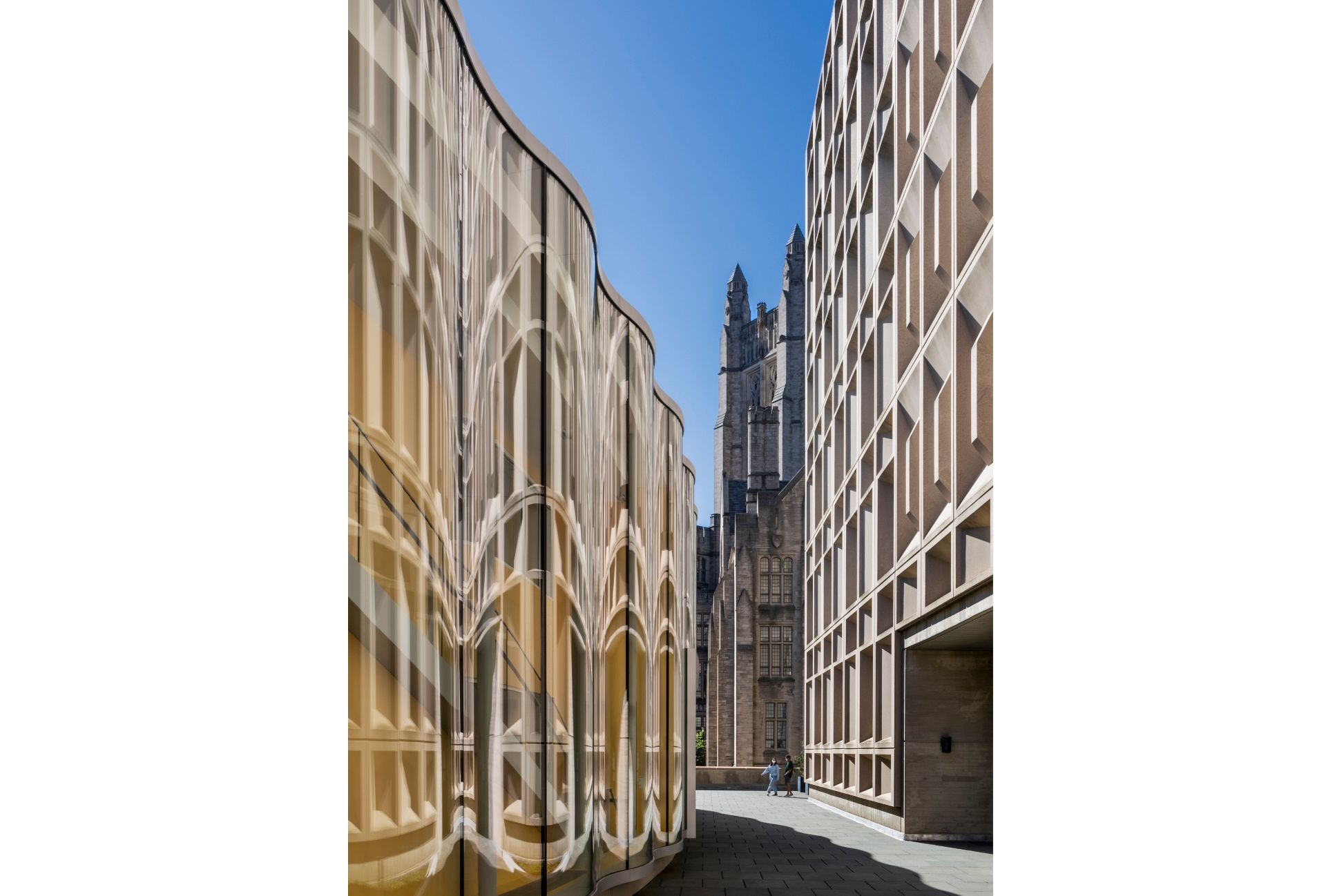
The Tsai Center for Innovative Thinking at Yale University is a contemporary, 12,200-square-foot center tucked away behind larger buildings that serves as an important nucleus for research-based programs within Yale’s School of Engineering and Applied Science. The center brings together students from diverse disciplines to the new building where collaboration to solve real-world issues can be done. Designed by Weiss/Manfredi, the innovative building’s elliptical form is centrally positioned in a courtyard surrounded by taller, boxy structures, creating a unique juxtaposition. Lined by undulating, transparent glass walls, the design allows visibility inside to see and participate in the work inside. The Tsai Center is one of my favorite new buildings in New England and showcases how high-quality and innovative design can make a big architectural statement, even if the building is just a small pavillion-like structure.

J. Michael Ruane Judicial Center // 2011

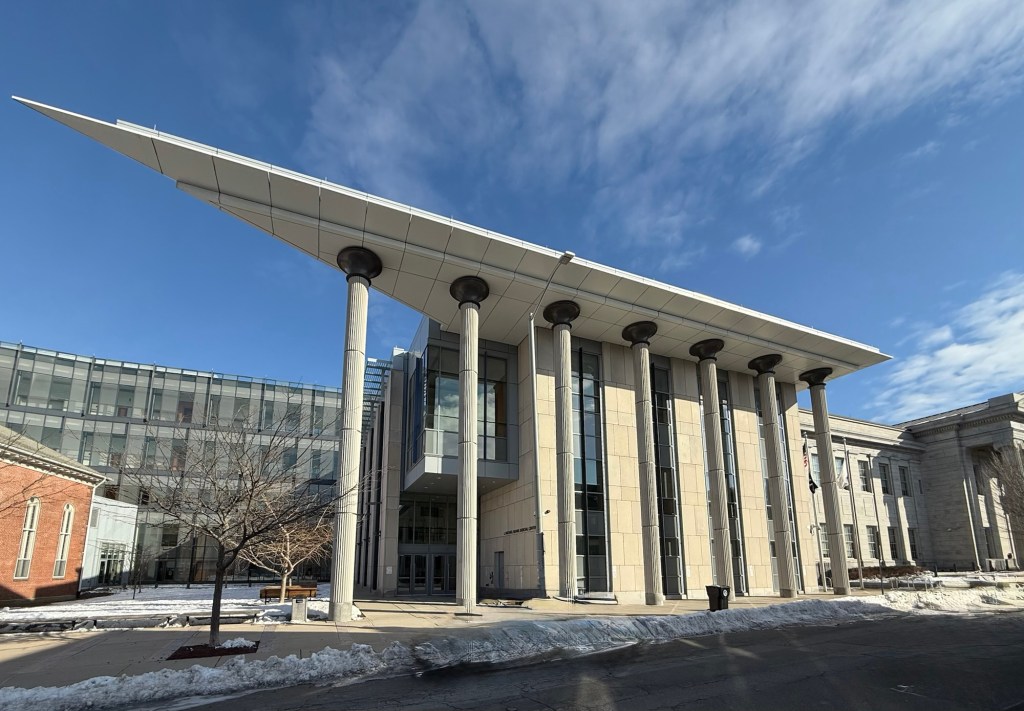
In 2005, the Commonwealth of Massachusetts announced plans to build a new court complex on Federal Street in Salem to replace the aging 19th century courthouses. A site adjacent to the 1909 Registry of Deeds and Probate Court was selected, but with one issue, a Federal-period historic Baptist Church was already on the site. The church was purchased from the congregation and moved down Federal street, and construction began on the new contemporary judicial center. Designed by Goody/Clancy Architects, the building takes design cues from the historic courthouses on the street, with a modern interpretation of the Classical architecture and Corinthian columns found nearby. Opened in 2011, the complex was named after late state representative, J. Michael Ruane, and incorporated the former 1805 Baptist Church as the new Essex Law Library.

Abercrombie Fine Arts Wing // 1974

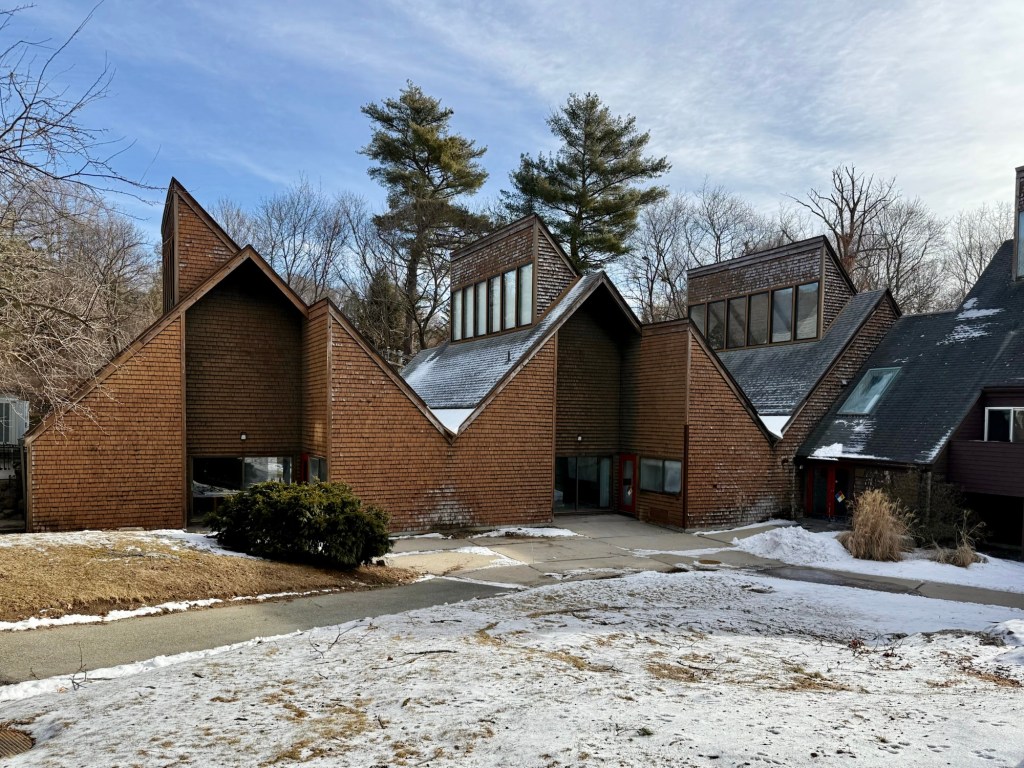
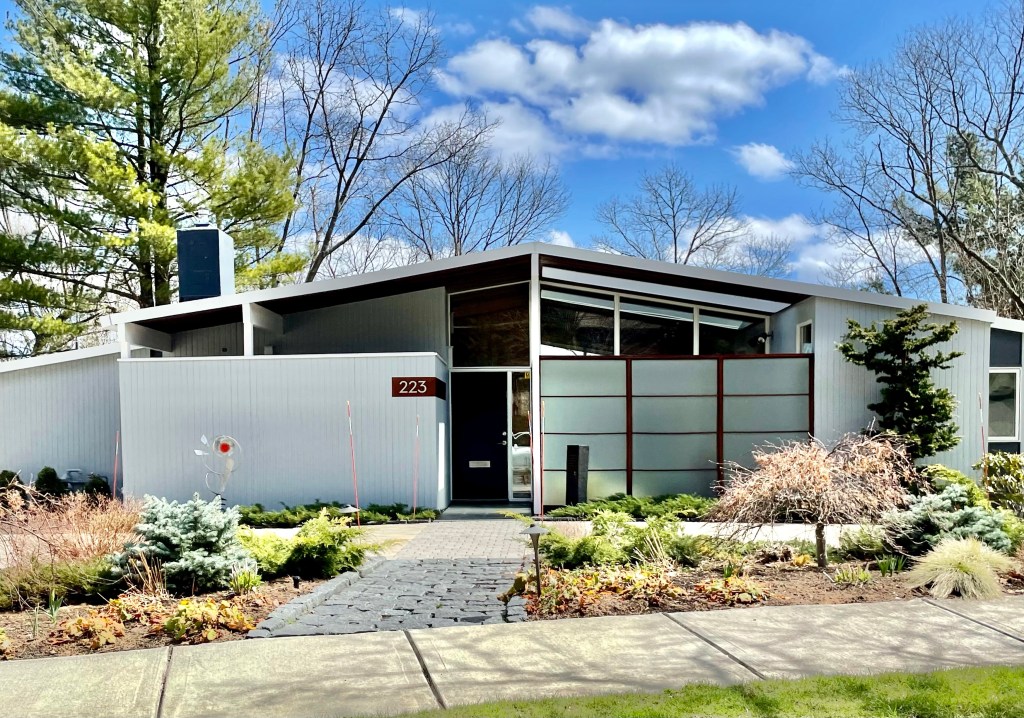
Completed in 1974 for the now defunct Pine Manor College in Brookline, Massachusetts, this interesting Contemporary/Shed style building is modern, yet employs materials and a general form that fits into its surrounding context. When Pine Manor College received a grant by the Abercrombie Foundation, planning began immediately to design and build the Abercrombie Fine Arts Wing of the school. The building was designed by Paul J. Carroll & Associates, and features a bold roofline with clerestory windows, used to provide ample natural light for the classroom and art studio spaces inside. The building remains a part of the newly established Messina College, a Boston College campus enrolling first-generation high-financial need students, giving all an opportunity for education, no matter their circumstances.

Lincoln Street Garage // 1956

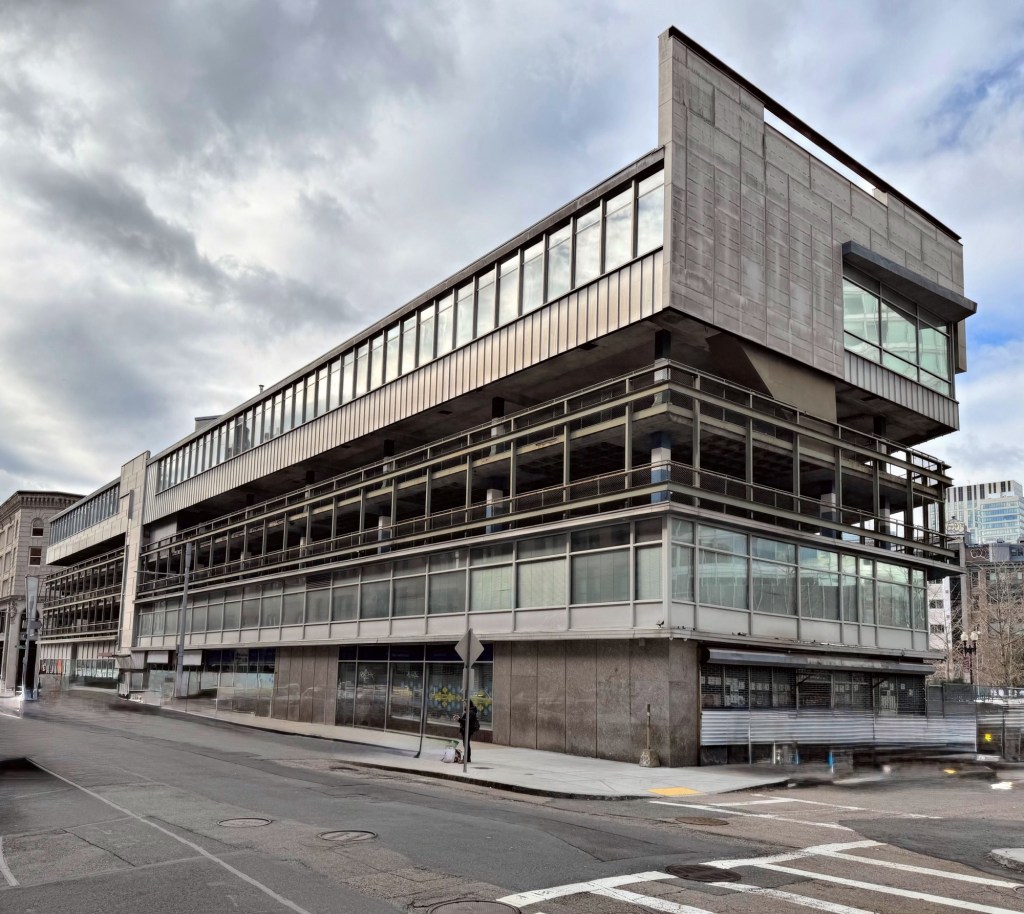
Few buildings in Boston showcase the evolution of its neighborhood (or bring out the architectural critics) quite as well as the Lincoln Street Garage in the Leather District of Boston. This Post-WWII mixed use building was originally constructed in 1956, on the former site of the United States Hotel (1839), one of the first major hotels in the nation, which was razed in 1930. The original building was designed by architect Archie Riskin, and stood three stories high with parking on half of the second floor and on the 3rd floor and roof. A fifth floor of office space was designed and constructed by 1959 also by Riskin. Due to its site at the edge of a historic commercial/industrial district and adjacent to the Central Artery, a raised highway that snaked its way through Downtown Boston, the building was minimally visible and faded away to obscurity until the late 1990s when the highway was buried under the city as part of the “Big Dig”. The open scar and subsequent re-greening of much of the former highway spaces necessitated the owners to re-work the building, due to its newfound gateway presence into the neighborhood. Brian Healey Architects renovated the building, adding an additional floor of offices and reworked facades. The result is a Post-war mixed-use hodgepodge of a building that expresses its use visually on each floor in a no-nonsense way, making it a unique urban building. Additionally the building has long been rented to small businesses, almost all Asian-owned with direct ties to the Chinatown and Leather District neighborhoods. Recent plans have been approved for a new office tower on the site and supported by preservation groups stating that “the existing garage is historically significant or beneficial to the neighborhood”, but to me, the further erasure of quirky buildings for more out-of-context developments is not the way to go.

South Station // 1899

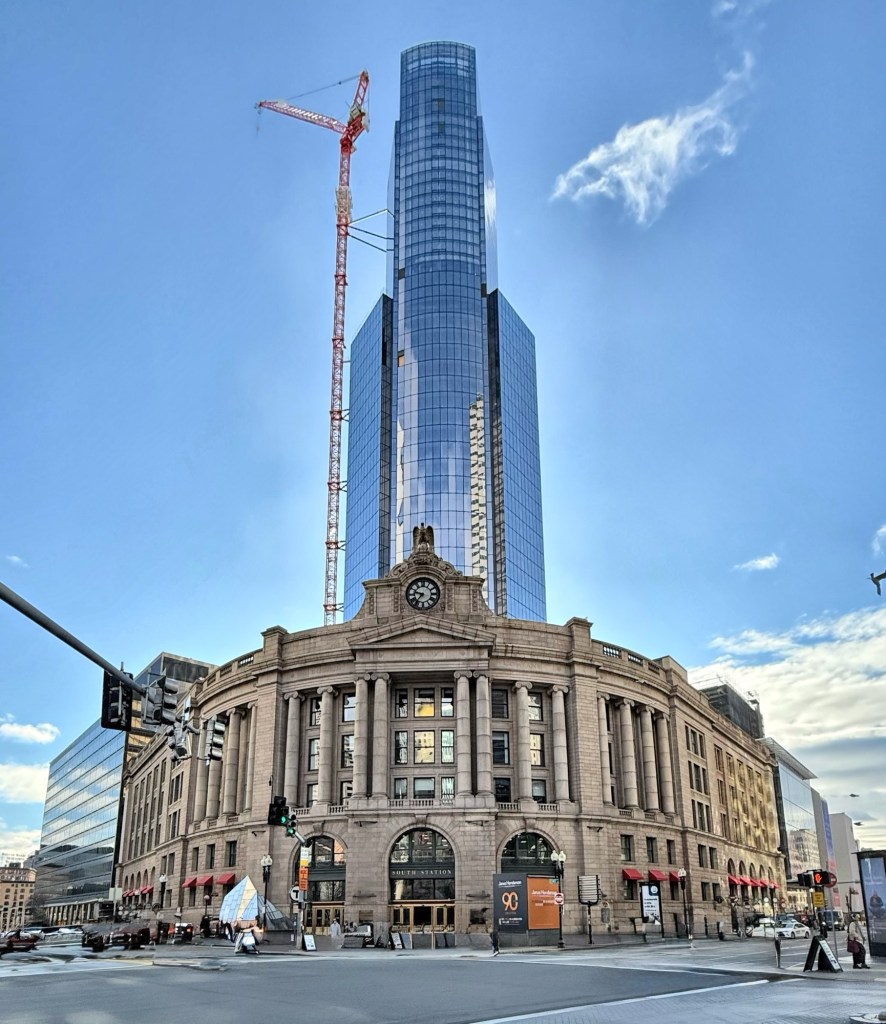
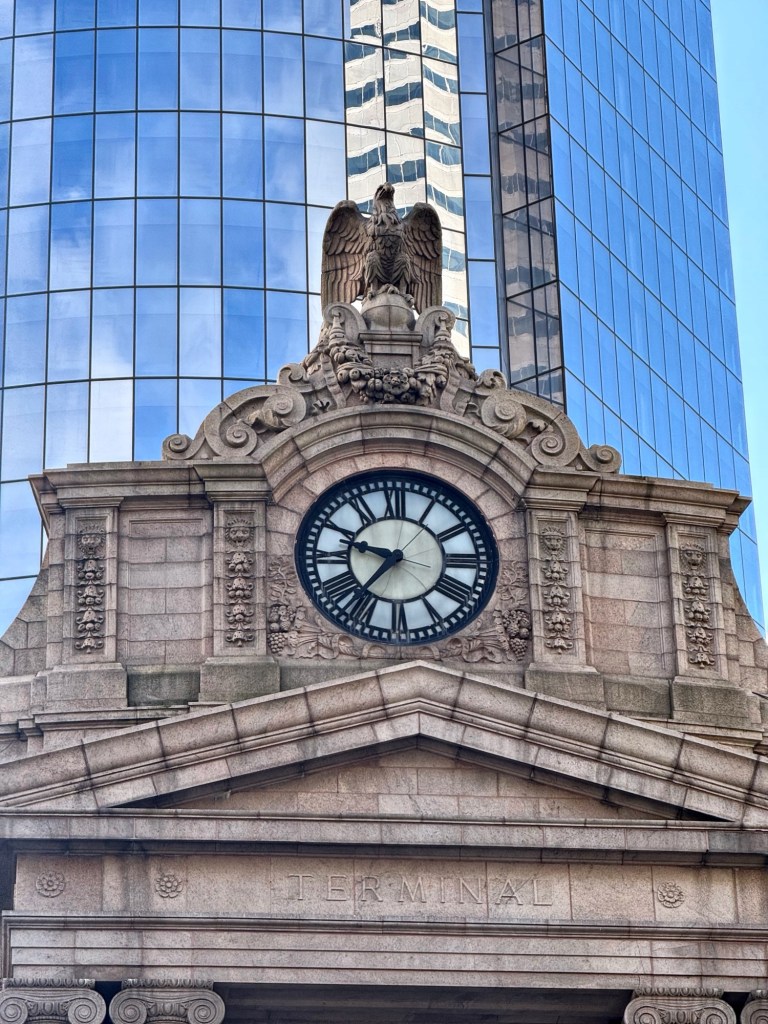
When the railroads serving Boston were first laid out and built, each line stopped at its own terminal which created a dysfunctional and cumbersome travel experience for those entering or leaving the city. The Boston Terminal Company, established in 1897, was charged with the task of consolidating service from the four terminals at a single terminal, a union station (similar to North Station), for routes south of the city. South Station was designed by architects were Shepley, Rutan and Coolidge of Boston and quickly became New England’s busiest transportation center. The five-story Classical Revival style station built of stone is an architectural landmark with three-story Ionic colonnade crowned by a clock surmounted by an eagle, stands above the triple-arched brick masonry lower level corner entrance. While the station handled 125,000 passengers each day during World War II, post-war passenger rail traffic declined in the US. South Station was sold to the Boston Redevelopment Authority in 1965 and (surprise!) they demolished portions of the building and later developed plans to demolish the rest of the station and replace it with a multi-use development including a new train and bus station with large parking garage. Luckily for everyone, the BRA failed in this endeavor and the building remained to the point where public transportation is again invested in and beloved and the building has since been restored. Recently, a glass “crown”, known as South Station Tower, a 51-story designed by Pelli, Clarke & Partners, with new office space, luxury residences, and a redesigned, arched interior concourse (which in my opinion, is the best part). The redevelopment is a push towards transit-oriented development and blends new and old in an innovative way.

What do you think of it?

Lovejoy Wharf // 2017

Photo courtesy of RAMSA

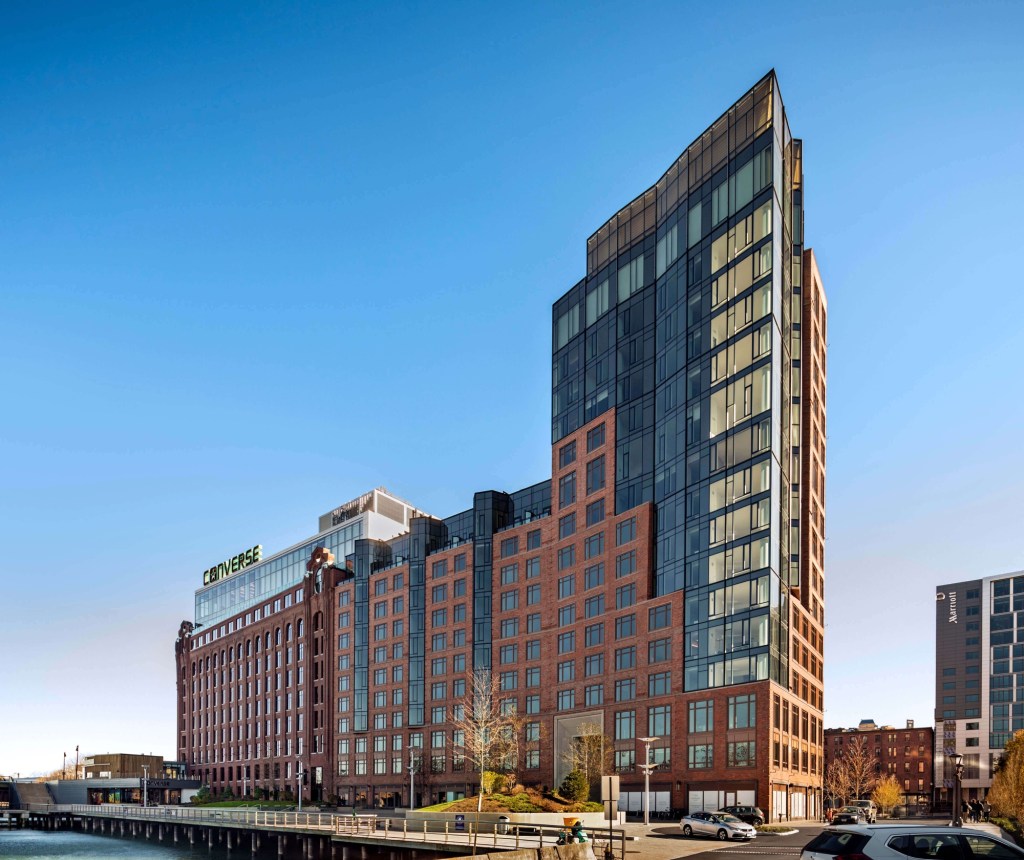
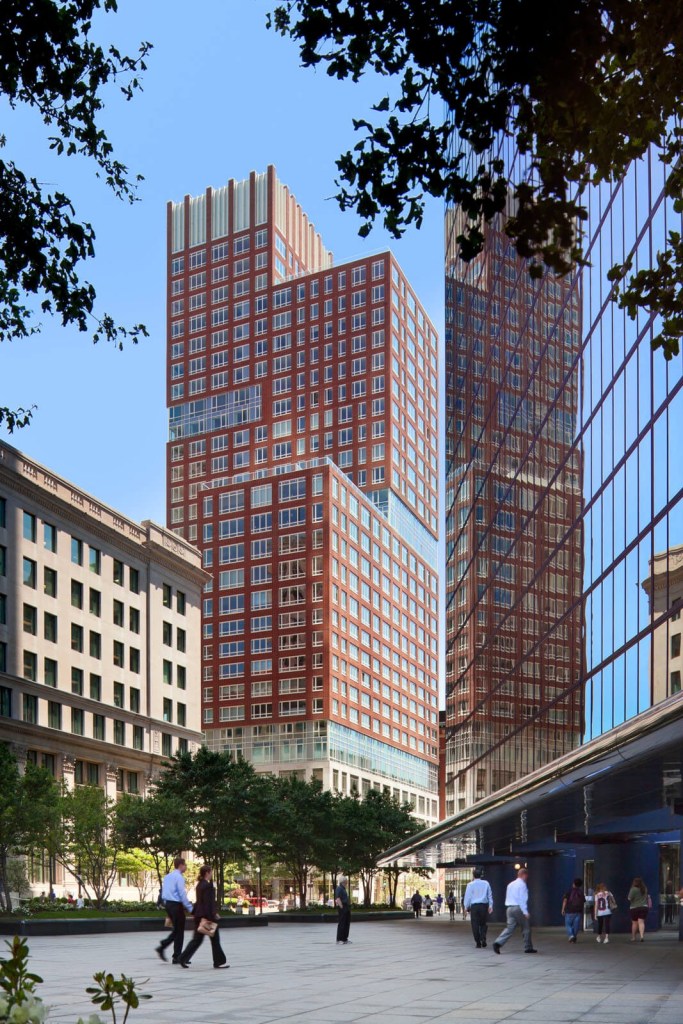
New buildings in Boston rarely are contextual and so often take no cues from their surroundings, but Lovejoy Wharf, one of my favorite 21st century buildings in the city breaks that mold. Completed in 2017, the contemporary building is clearly modern, but takes important cues in the design and materials to relate it to the surrounding industrial context surrounding the site. The Lovejoy Wharf condominium building was designed by the great Robert A.M. Stern Architects and incorporates red brick facades, stacked bay windows, and a glass curtain wall, which effortlessly blend old with new. A glass tower breaks free from the masonry mass at its corner, which leads into the denser, more modern West End buildings while the eastern side closely follows the old Schraft’s Candy Factory (now Converse Headquarters building) brick industrial style. Additionally, the developer, Related Beal, took a gamble by not including parking in the facility, hoping the unit owners would instead use local public transportation (or walk), it seems to have been a success and promotes healthy urbanism. What do you all think of this contemporary building?

Tourists Hotel // 2018

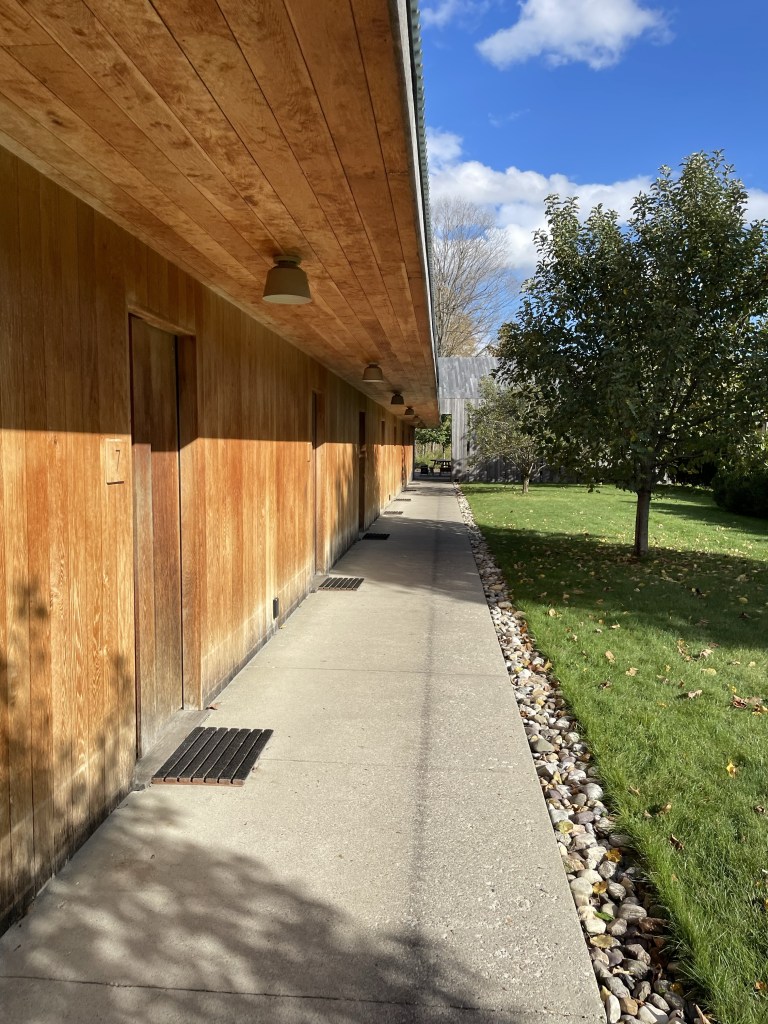
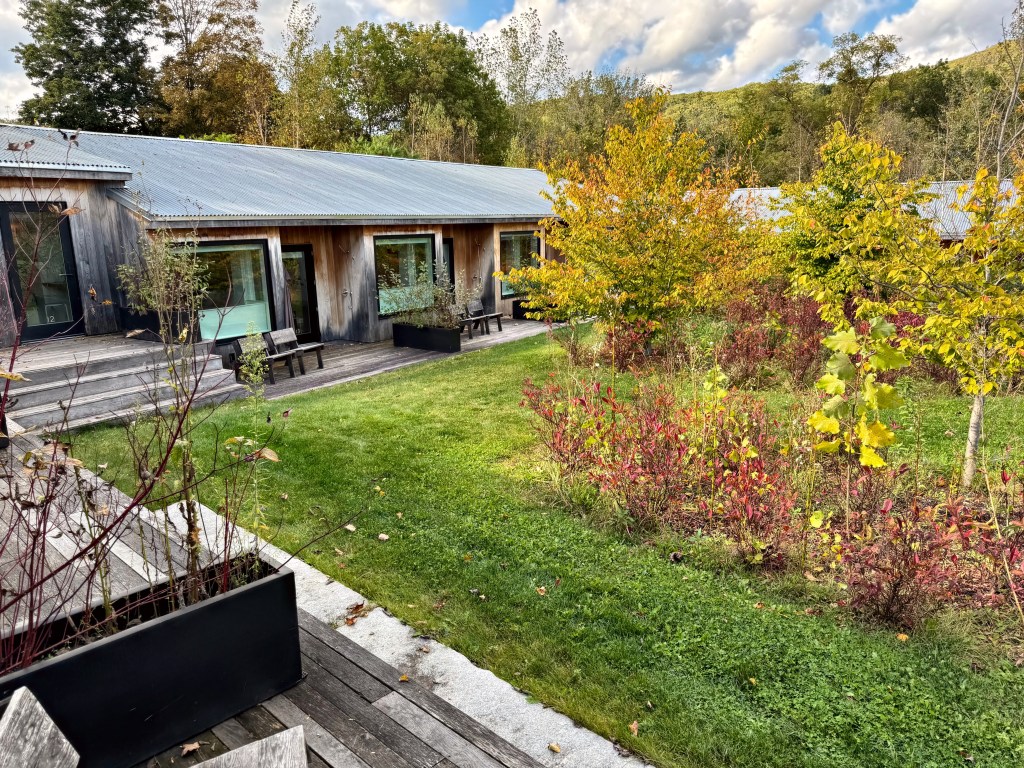
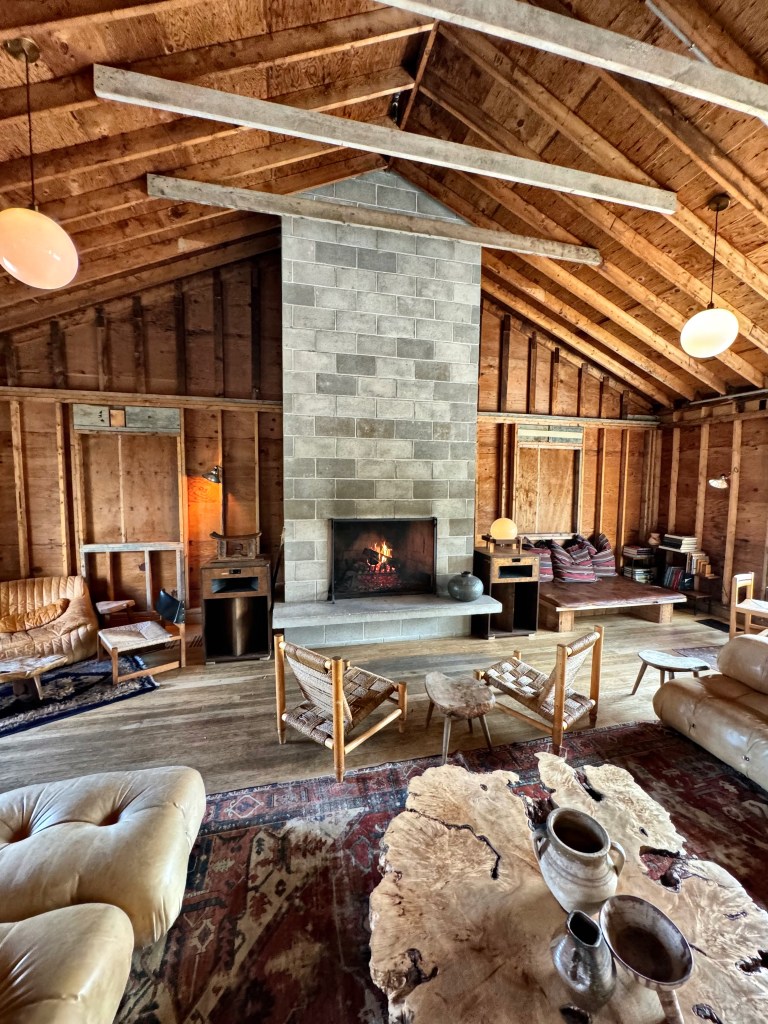
This past weekend, I had the absolute pleasure to stay at one of New England’s coolest new hotels, Tourists Hotel! Located in the industrial-turned-artistic town of North Adams in the Berkshires of Massachusetts this elevated, 48-room hotel modernises the aesthetic of a classic American motor lodge with contemporary design that feels cozy and inviting. The site was originally home to the Redwood Motel, a prototypical 1960s motel on the Mohawk Trail, a designated scenic tourist route which became popular in the automobile era of the 20th century. The reimagined motel was developed by Broder a Boston-based developer who worked with architect Hank Scollard and landscape architecture firm Reed Hilderbrand to design the new hotel. U-shaped in plan, the main part of the hotel surrounds a central courtyard with native flora. Facades are wrapped in white oak planks with the intention to blend the architecture with the surrounding woods. My favorite part was that the rooms have sliding glass doors which open to private decks which make rooms feel more personable. On the crisp fall day, the lounge was an amazing space to cozy up with some spiked cider and chat with other guests. An unexpected treat was to learn that the grounds include dozens of walking trails running along the Hoosac River with a suspension bridge that stretches 220 feet across. Pictures do not effectively showcase how special Tourists is, both in the design details and the attention to detail the staff had during my stay. If you are ever in the Berkshires for a weekend trip, I highly recommend you check them out!