East Blue Hill Post Office // c.1884

Before the days of USPS trucks delivering mail to your door, mail was delivered to local post offices for pick-up daily. Due to this, many villages had their own post offices to service local communities better due to ease of access by residents. A post office first arrived in East Blue Hill Village, Maine in 1873, likely due to the distance traveled to the central village for mail. By 1884, George Long built this vernacular structure as the village post office, which belonged to members of the Long family, who also served as postmasters, until 1997. The post office is distinct in the state as the only known example of a purpose-built post office facility that is not owned by the United States Postal Service, and that was not built or adapted to its standards. The building sold out of the Long family in 1997, when it was purchased by the East Blue Hill Village Improvement Association, who have preserved it ever-since!
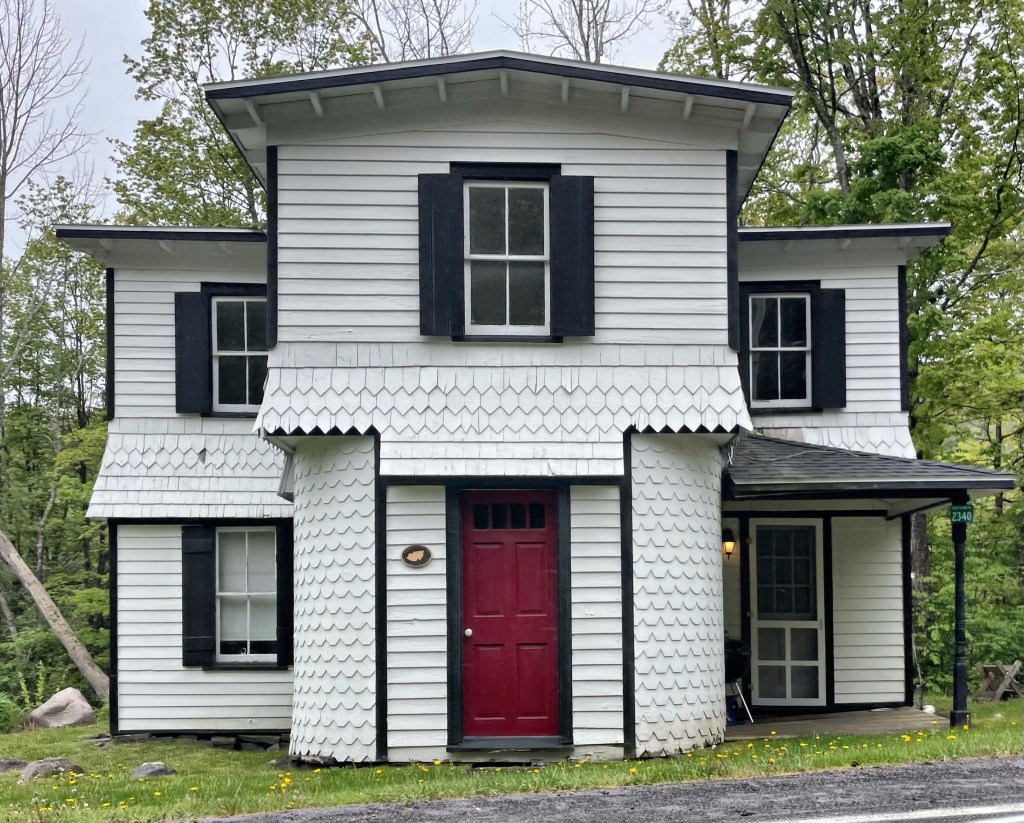
Old Platte Clove Post Office // c.1885

Believe it or not, but I occasionally venture out of New England, and a favorite place of mine to explore is Upstate New York. On a recent trip, I ended up driving through the tiny town of Hunter, New York, located in the middle of the Catskills. This charming little building was constructed c.1885 as the Platte Clove Post Office. The building was constructed to serve a rural portion of the town and was built as an early mixed-use building with the post office at the ground floor and small residence upstairs for the postmaster to live. The exterior cladding features both shingle and clapboard siding with overhanging eaves. The post office here ceased by 1911 and the use reverted solely to residential.

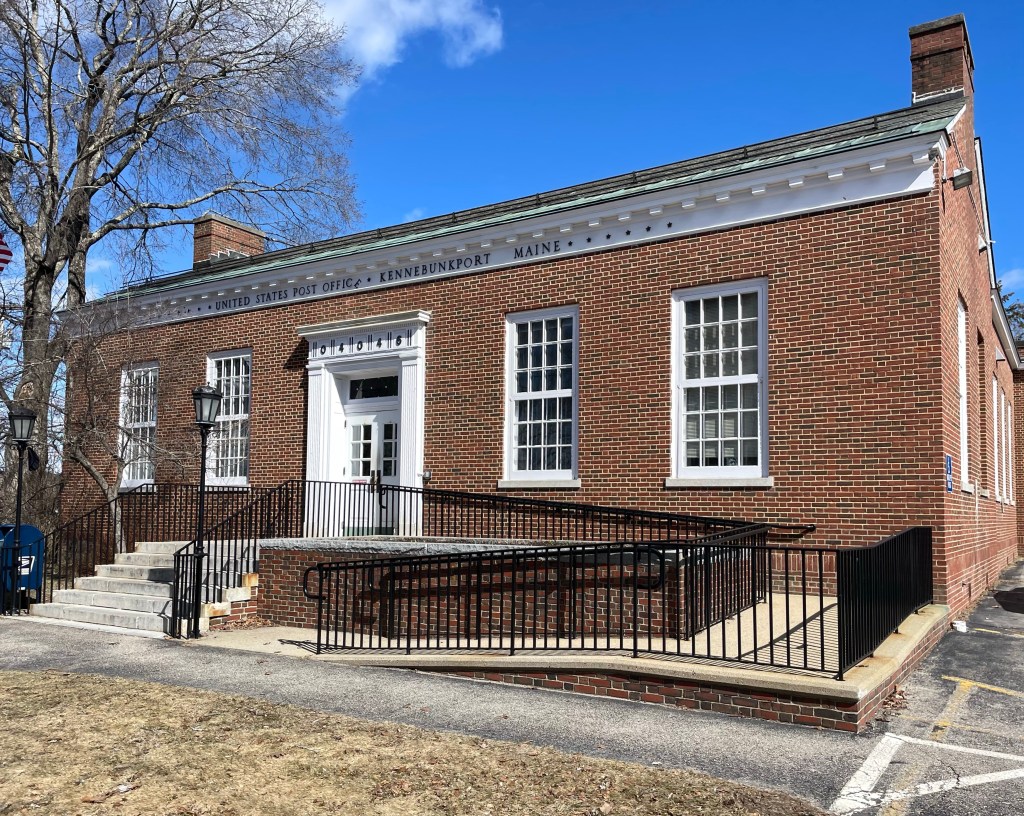
Kennebunkport Post Office // 1941

During the Great Depression, the federal government built over 1,100 post offices throughout the country as part of the New Deal’s Federal Works Agency. Many of the post offices funded and built in this period were designed by architect Louis Simon, Head of the Office of the Supervising Architect for the U.S. Treasury. Few architects had such a role in designing buildings nationwide than Federal architects who designed buildings ranging from smaller post offices like this to courthouses and federal offices. They really are the unsung designers who impacted the built environment in nearly every corner of the nation. As part of the Treasury Department Section of Fine Arts, artists were hired to complete local murals inside many post offices built in this period, depicting local scenes and histories of the towns they were painted in. In Kennebunkport, artist Elizabeth Tracy who submitted a preliminary sketch of her piece “Bathers” which was approved depicting a beach scene, though the townspeople had not been consulted. Unfortunately, the opinion of a vocal part of the Kennebunkport populace was highly negative to Tracy’s painting, largely due to the fact that her beach scene depicted people on a beach in adjacent Kennebunk, not Kennebunkport! Within a few years, the townspeople gathered funds to hire artist Gordon Grant to paint a satisfactory replacement mural in 1945. The new mural remains inside the post office.