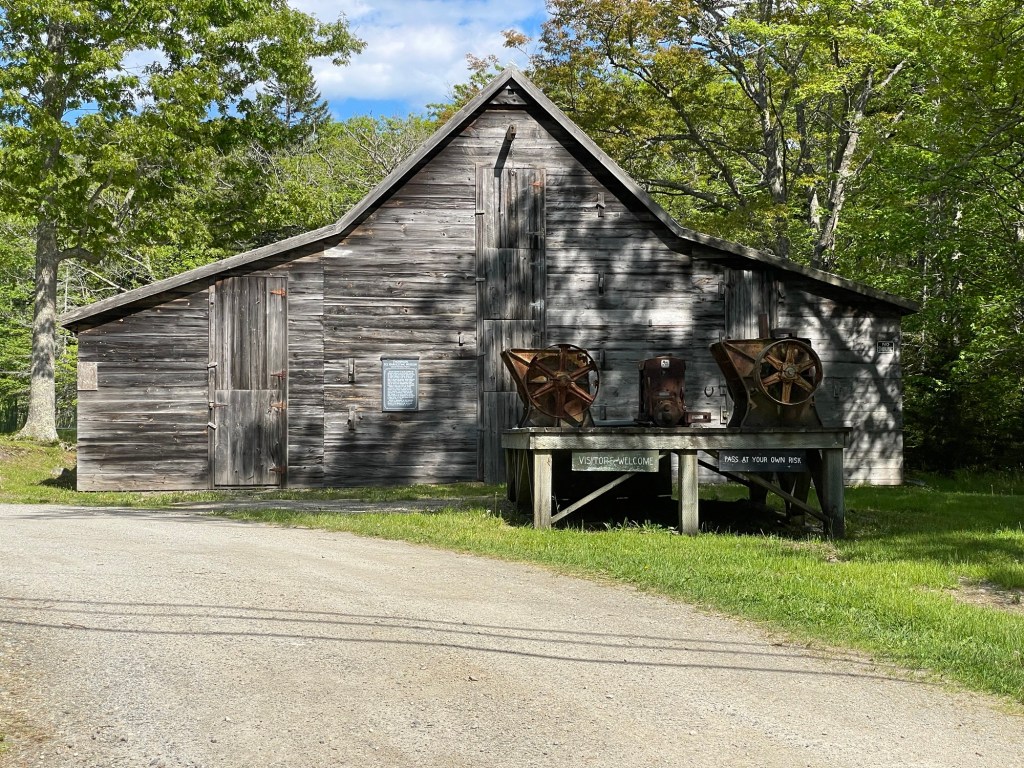
Thompson Ice House // c.1826

In 1826, a man named Asa Thompson, dammed a small brook from natural springs on his property in present-day South Bristol, Maine, and created Thompson Pond. He began cutting ice blocks for his own use. His neighbors began to purchase blocks of ice from him and he built this ice house sometime after to store blocks after harvesting from the pond. Thompson created a business, harvesting, shipping and selling ice blocks to residents in town and beyond. The property remained in the Thompson family until 1987, when it was gifted to a non-profit board to preserve the site indefinitely. Today, the Thompson Ice House Harvesting Museum showcases the tools of the trade with a participatory ice harvest takes place there annually. The building is opened on appointments or certain events.
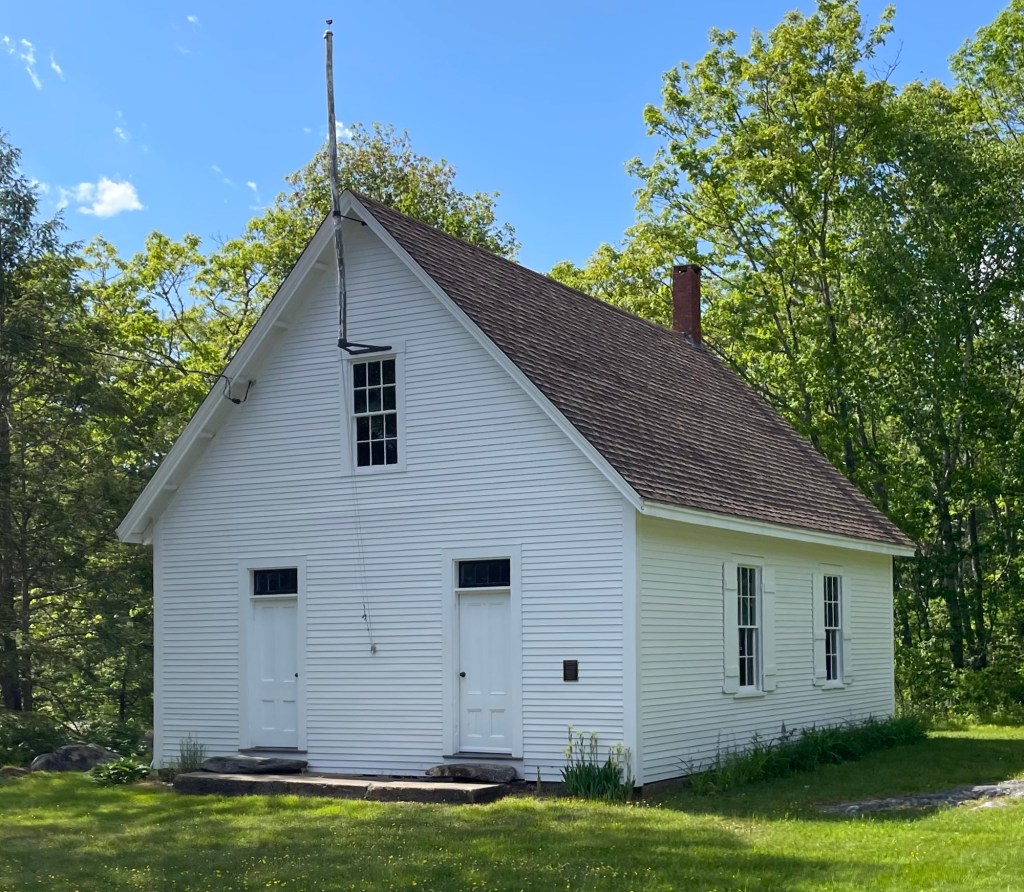
S Road Schoolhouse // 1860

The S Road Schoolhouse is the last-remaining one-room schoolhouse in the charming coastal town of South Bristol, Maine. The structure was built in 1860 as the District Five School for the Town of Bristol (South Bristol set off and incorporated as a separate town in 1915). This building replaced an earlier schoolhouse on the site that was on the 1857 Map of Lincoln County. By 1895, enrollment was about 16 but rose to the mid-twenties after other schools closed in the early 1900’s. The school is said to have closed in 1943 following the death of the teacher here, it never reopened. The South Bristol Historical Society recently restored the building following a successful capital campaign, gathering funds from members and town citizens, preserving this lasting remnant of days past.

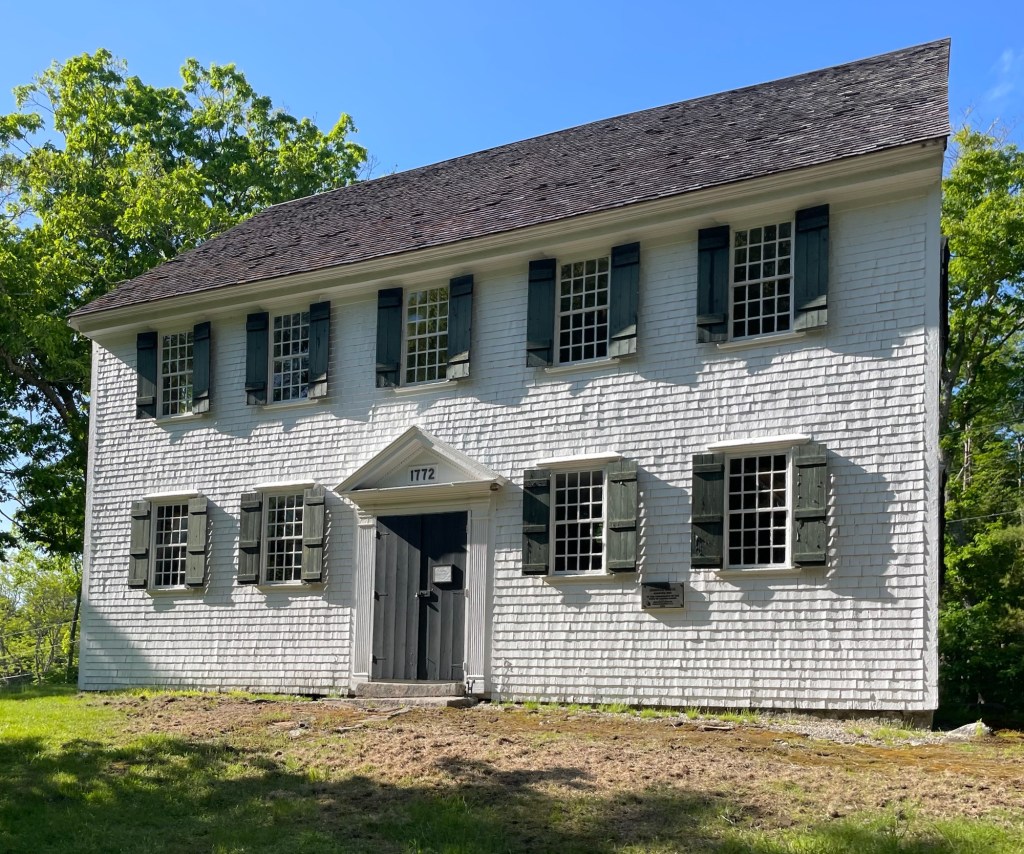
Walpole Meetinghouse // 1772

The Old Walpole Meetinghouse is a rare extant example of a Colonial meetinghouse in New England. The building is located in South Bristol, Maine, in the village of Walpole, and was constructed in 1772. The Walpole Meetinghouse is a little-altered example of a late colonial church in Maine (and one of the oldest actively used churches in the state.) The building originally housed a predominantly Presbyterian congregation of Scottish immigrants, but as the presbytery was based far away in Boston (Maine at this point was still a part of the Commonwealth of Massachusetts) the congregation eventually became Congregationalist. The Georgian-style building is clad in wood shingles, originally stained painted a brownish yellow to blend in with the birch leaves as to camouflage it among the trees. The building was painted white in the 20th century. It is one of a few extant meetinghouses in New England that utilized shingle siding instead of the quintessential New England clapboards. It is said that these are still the original shingles. Inside, the doors all enter the single main chamber, where the ground floor is dominated by a series of box pews and the elevated pulpit is sited at the north wall. It is maintained by the South Bristol Historical Society, and is still used occasionally for summer services.