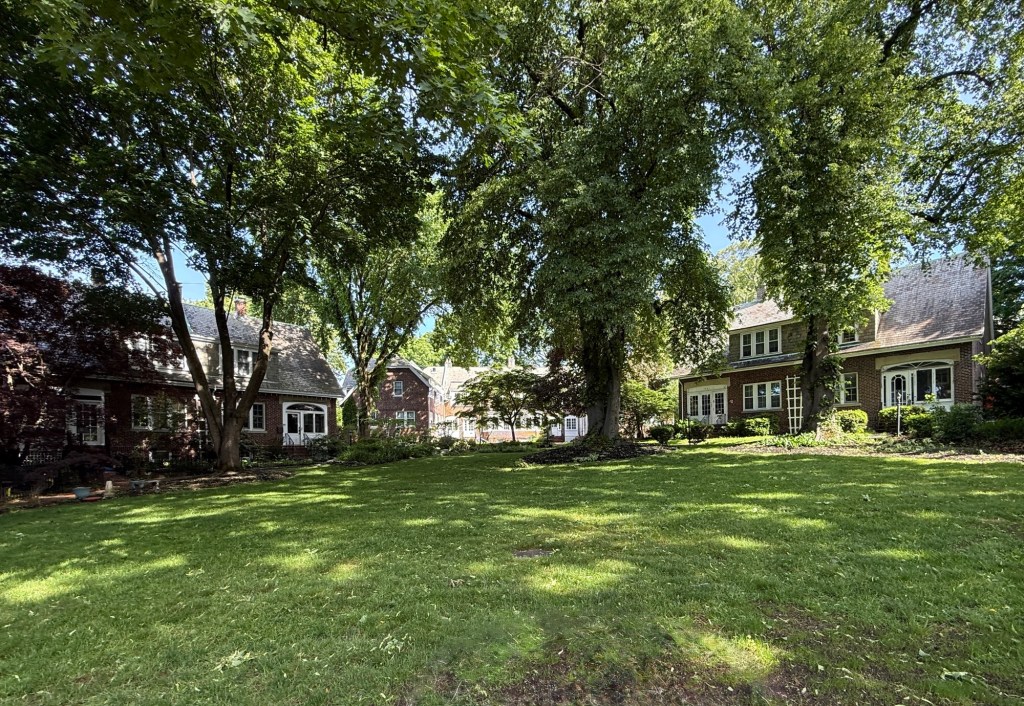
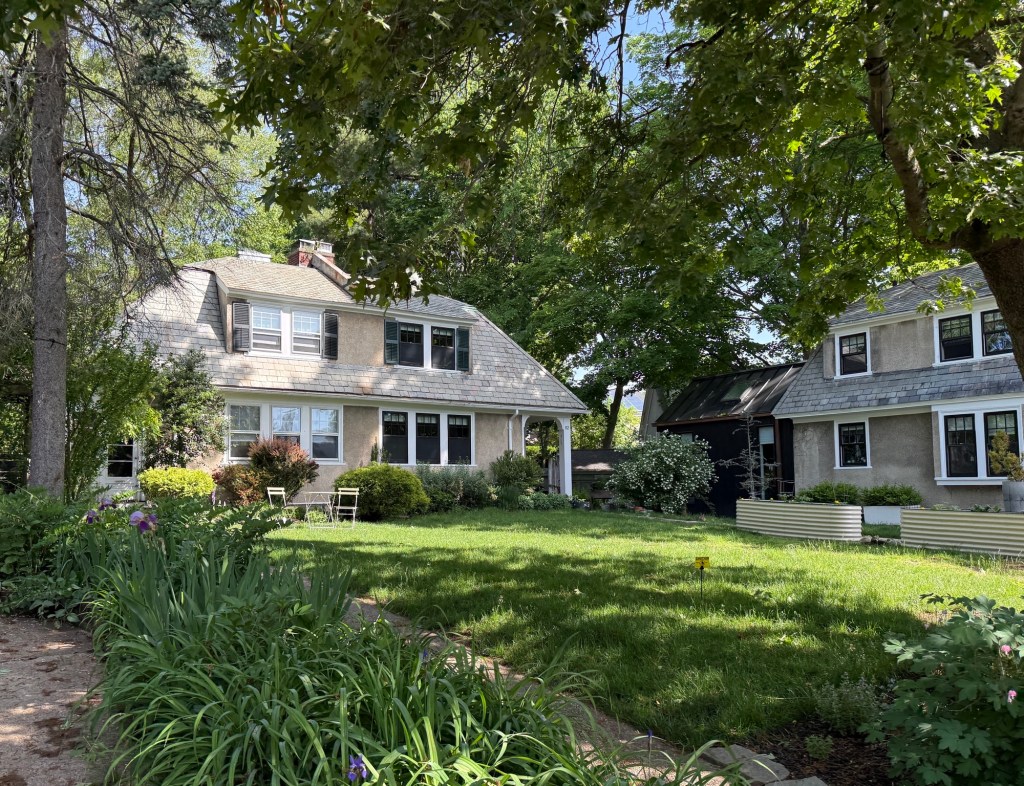
Boston Dwelling House Company Houses – Woodbourne Neighborhood // c.1912

Nestled in Jamaica Plain, the Woodbourne neighborhood is one of Boston’s most notable early twentieth-century planned residential neighborhoods, developed in early 20th century on land that had once been part of large country estates. Inspired by Garden City planning principles, the neighborhood was designed to harmonize with its natural landscape, featuring curving streets, mature trees, and thoughtfully arranged green spaces rather than a rigid urban grid. Its architecture reflects the predominant architectural styles of the period, notably showcasing modest housing in Arts and Crafts and Colonial Revival styles with many of the original buildings designed by the firm of Kilham & Hopkins off Southbourne Road. The development envisioned and funded by The Boston Dwelling House Company, a who’s who of well-connected Boston residents who envisioned the development as an attractive and healthy suburban community for middle-class families with convenient access to streetcar and rail transportation, with the grounds laid out by the Olmsted Brothers. Woodbourne remains remarkably intact today, offering a rare glimpse into the ideals of early suburban planning amidst the somewhat hectic piecemeal development and layout of streets in other parts of the city.
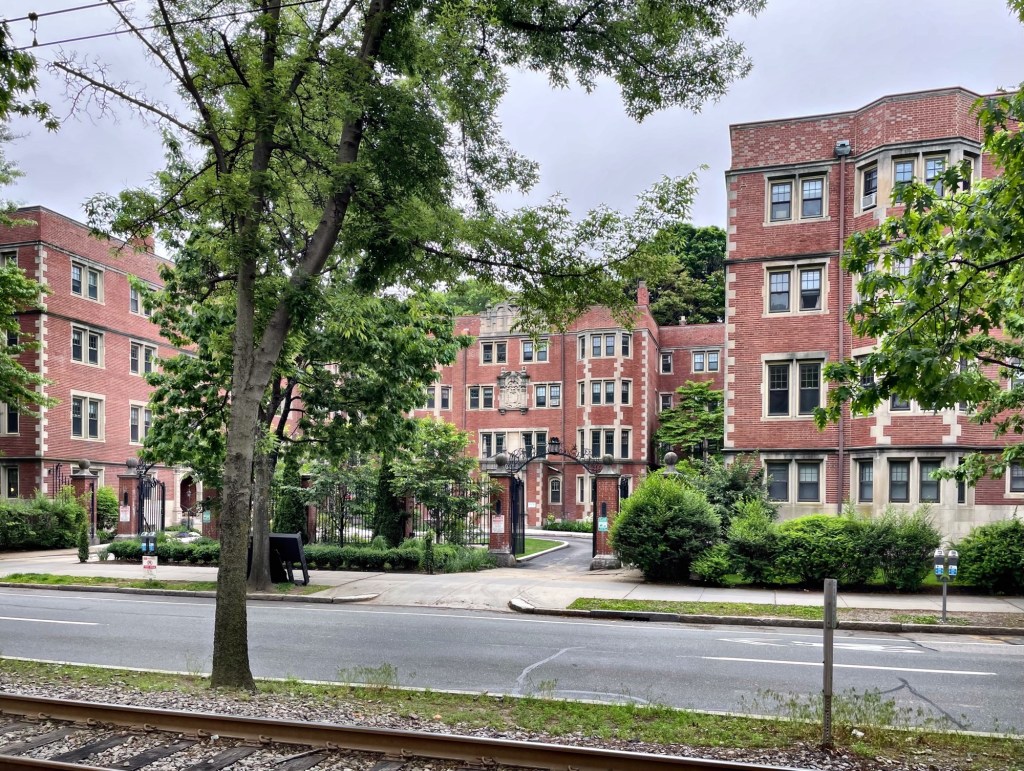
Richmond Court // 1898

Believe it or not, but this apartment building on Beacon Street in Brookline, Massachusetts is one of the most significant buildings of the type in the Boston area! This is Richmond Court, which is one of the oldest (if not the first) apartment house built in the northeastern United States that resembled an English Tudor manor house. The apartment building was constructed in 1898 from plans by architect Ralph Adams Cram, one of the best American architects of the late 19th and 20th centuries. Cram even moved into the building briefly before moving into a townhouse in the Back Bay neighborhood of Boston. The building set the tone architecturally for later apartment buildings in the Boston area, with many architects attempting (largely not as effectively) to design Tudor-influenced apartment buildings regionally. The development is also significant in that at a time when most Boston-area developers were building apartment houses that maximized the buildable square footage, as they do to this day, Richmond Court included a landscaped courtyard to provide residents with more light and air circulation. The development also included two separate town houses on either side of the apartment block.

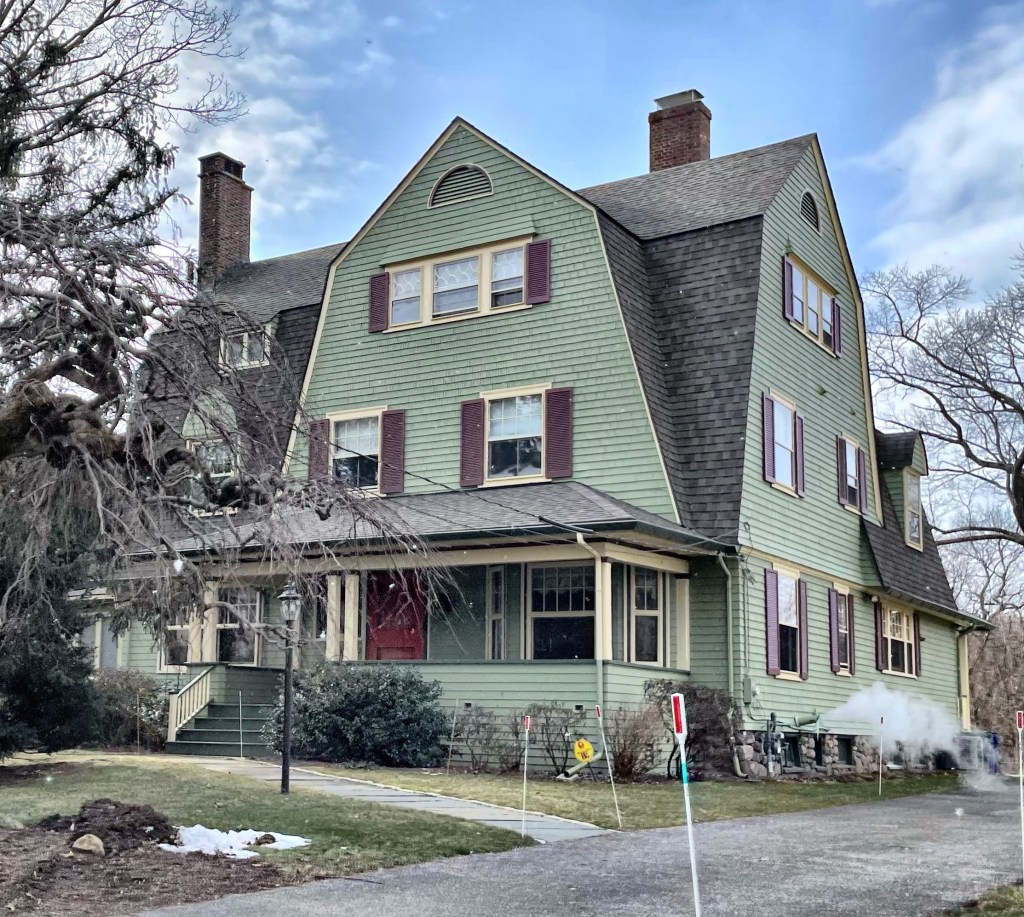
John Parry House // 1895

In 1895, Waban Village was in the middle of its massive development period, when half of the homes in the neighborhood were built within 10 years. One of the earliest in this neighborhood was this investment property by John E. Parry, a businessman and major developer. This house appears to have been rented at first, but was listed as vacant for some time in the city directories. Eventually it was purchased and has been lovingly maintained to this day. The design is a regional take on the transitional Shingle and Colonial Revival styles, this one with a really unique cross gambrel roof.