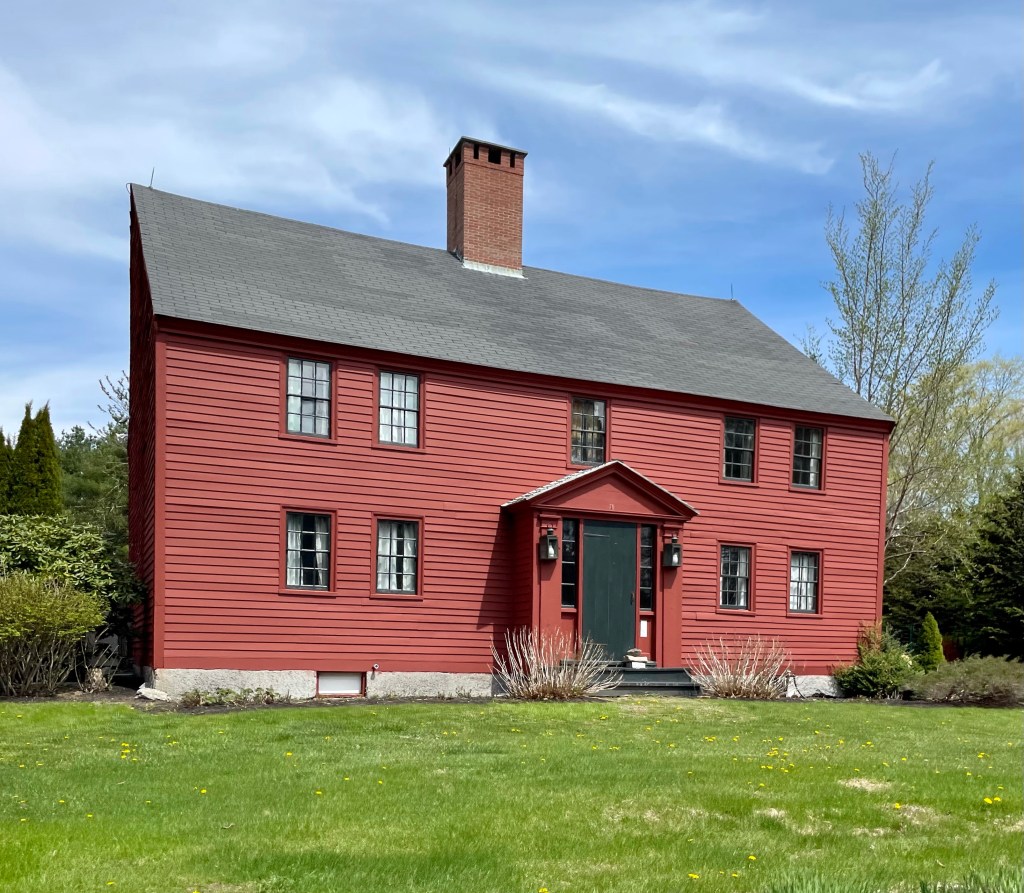
Elijah Locke House // 1739

John Locke (1627-1696) settled in New Hampshire about 1640, arriving from London. He was a farmer and carpenter, and reportedly built the first church in New Hampshire. He was also a Captain in the local militia, who was constantly at odds with the people who’s land they were usurping. While working the fields at his homestead in Rye, he was killed by a native person, likely as a retaliatory attach. The attacker was soon after shot by his son, who was helping his father at the time. This Georgian home was built by John’s grandson Elijah in 1739 on family land; the date is found incised on one of the original roof beams inside.
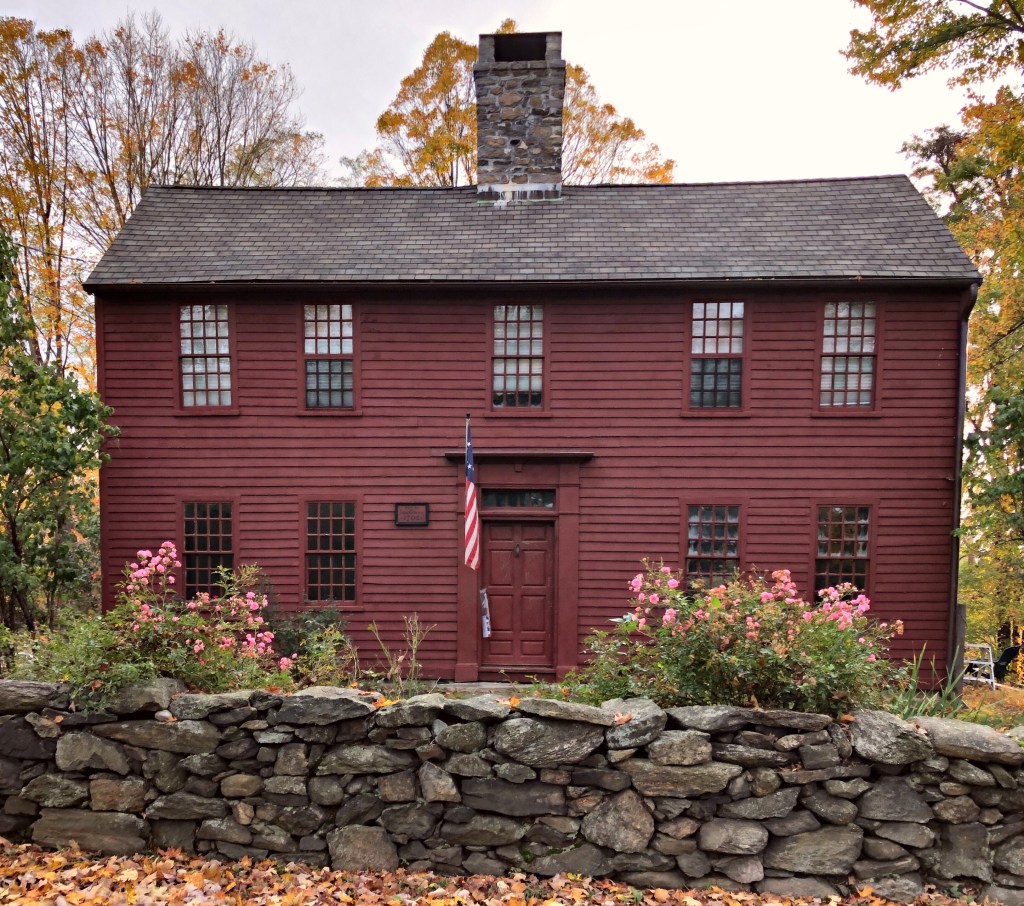
Osborn House // 1772

This homestead in Fairfield, Connecticut is situated on the edge of what was formerly called Pequot Swamp, and was originally built by Stephen Osborn in 1772. It is said to be the third Colonial dwelling erected in this part of the town and was left undisturbed by the British when they burned Fairfield in 1779 and raided various sections of the country along the shore. The home was originally located a few blocks away, but was moved in the 1950s when the highway (I-95) was routed through this part of Fairfield. The saltbox Georgian home was documented prior to the move by the Historic American Buildings Survey (HABS).

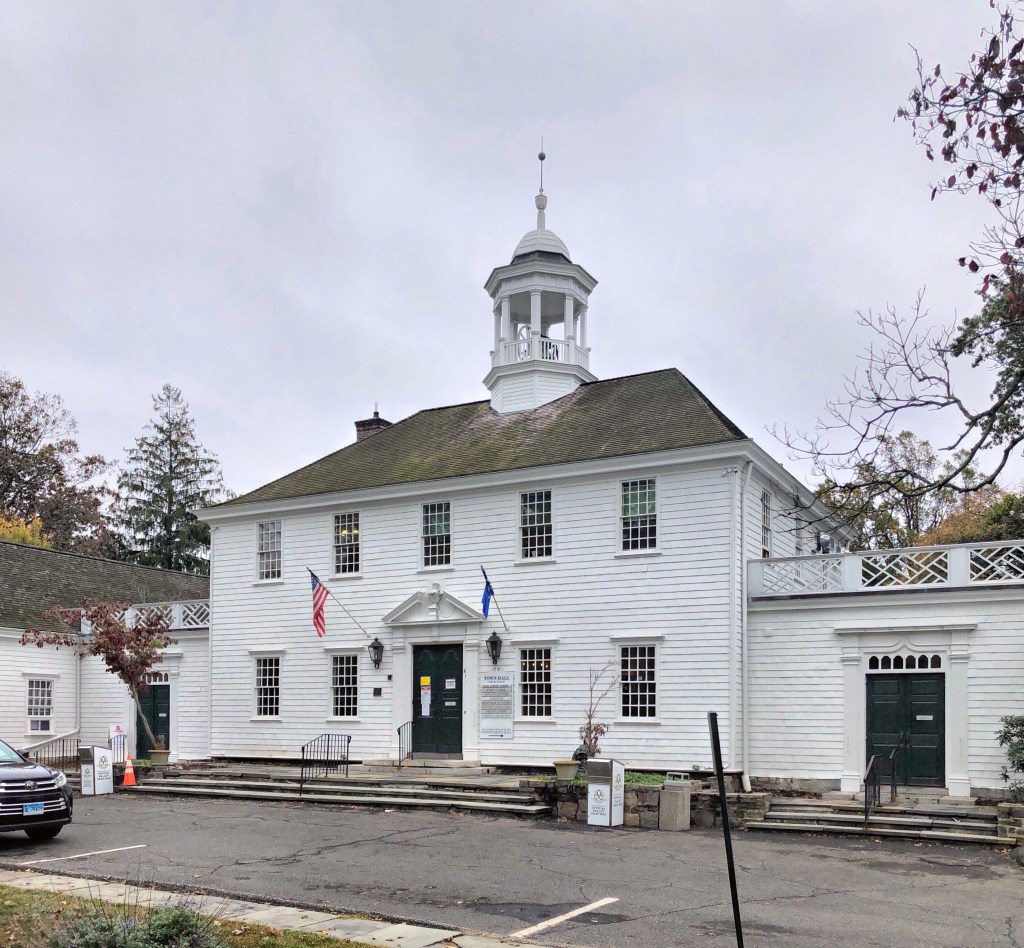
Old Fairfield County Courthouse // 1794

Located at the Fairfield Town Green, the Georgian-style Fairfield County Courthouse stands as a reminder on the town of Fairfield’s Colonial-era history. The first courthouse at the site was built in 1720. After a fire destroyed the first (which housed the jail as well), a second structure was built in 1767. That second courthouse was the center of a thriving, wealthy village with a port just blocks away. In July 1779, the British landed in Fairfield and destroyed much of the town, harming its prosperity for decades to come (though it has clearly recovered since). In 1794, a new courthouse was built, also housing town offices. In 1870, it became solely a town hall (the County Court moved to Bridgeport years before) modified and altered in the Second Empire style to ‘modernize’ the building. As Colonial Revival resurged in popularity in the late 19th and early 20th- centuries, the town sought to bring back the Georgian style Town Hall building, in 1936 hiring architect Cameron Clark, to restore the building.

Williston Saddle Shop // 1776

Before the invention of the automobile, horses cluttered American streets. Every town would have a saddle shop with a skilled leatherworker who would manufacture saddles, bags, stirrups and other equestrian gear. In Suffield, Connecticut, a man named Consider Williston had a shop built to make and sell saddles. According to the sign on the building, it was built in 1776, which is odd as Consider Williston fought in the Revolutionary War at that same time. The building was eventually converted to a private home and was listed for sale, with images showing the stunning Colonial era wood beams and floors.