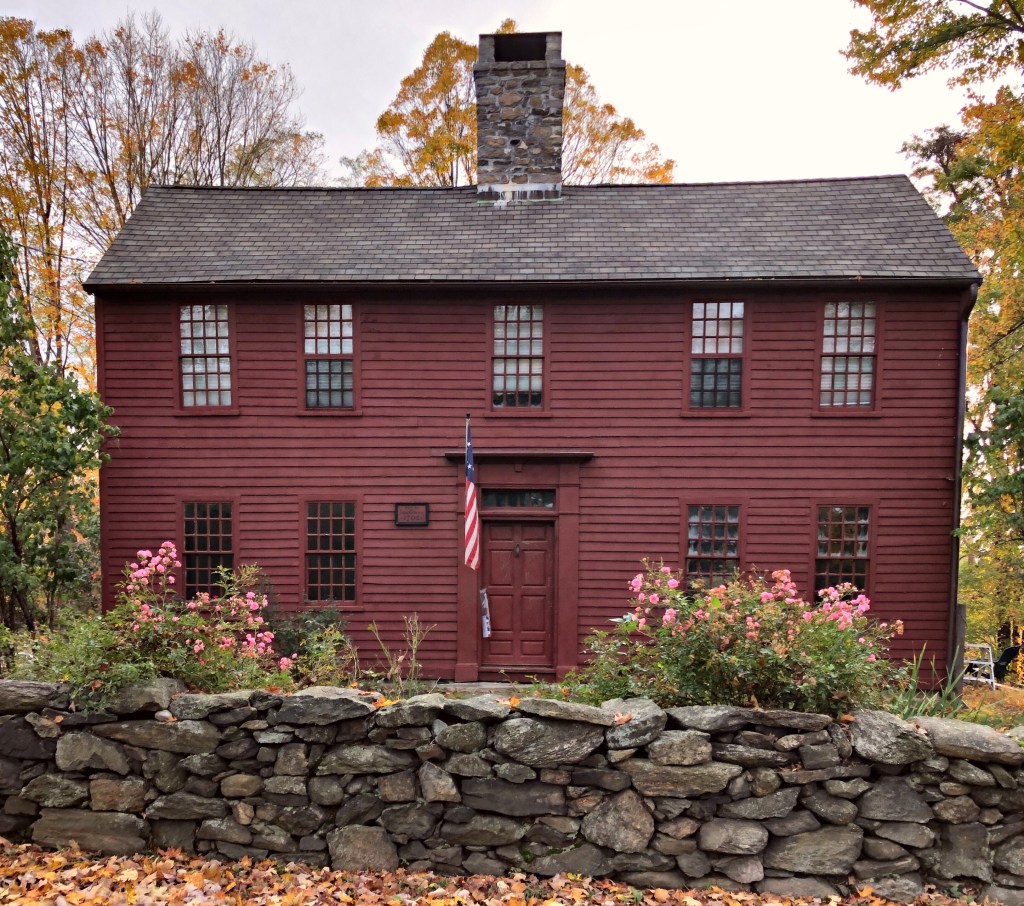
Alexander King House // 1764

Located on the idyllic Main Street of Suffield, Connecticut, the Alexander King House stands as a well-preserved example of a high-style Georgian home. Alexander King (1737-1802) is a prominent figure in Suffield’s history. He was a graduate of Yale, and later practiced medicine in town, as well as serving as Selectman and Town Clerk for almost thirty years. He was also a Justice of the Peace, Representative to the Assembly, participant in agitation against British colonialism, and delegate to the Connecticut Ratifying Convention of 1788, when the state ratified the U.S Constitution. The home eventually was acquired by the Suffield Historical Society, who operate the home as a house museum and holds exhibits on the town’s rich history.

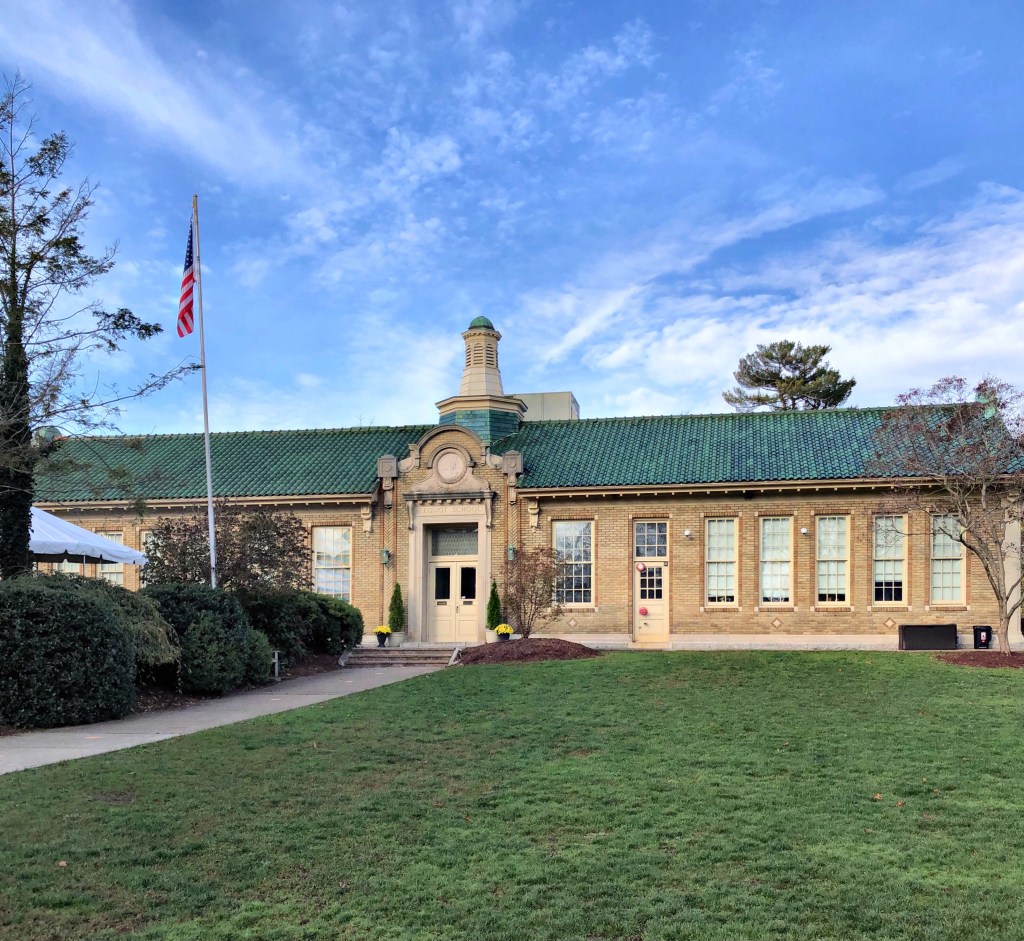
Old Kent Memorial Library // 1899

In 1897, Sidney A. Kent, a Suffield native, graduate of Suffield Academy and successful Chicago businessman sought to build a $35,000 library as a memorial to his parents in his home town. Land was purchased from the academy, demolishing a significant academic building, and the new Kent Memorial Library erected. Kent hired architectural giant Daniel Burnham (architect of the famous Flatiron Building in Manhattan) who also designed Kent’s home in Chicago. It sat on the site of land purchased by the first Kent ancestor in Suffield. Sidney Kent furnished nearly 7000 books and periodicals and left an endowment of $25,000. The building was dedicated on November l, 1899. It was eventually outgrown and a new building was constructed across the street.

John W. Loomis House // 1740

This stunning home on Main Street in Suffield, CT was apparently built in 1740. By the 1840s, it was purchased by John Wells Loomis, and altered to fit the then-fashionable Greek Revival style, replacing the center chimney with two chimneys, adding pilasters and a Greek Revival entry. John Loomis was the head of the Loomis family which made a fortune in the tobacco industry in Suffield, rolling and shipping products as far away as California. Before his death, John Loomis built his son George a house nearby, knowing that his son would carry on the business, which he did until a couple years after his father’s death when he sold the business and moved to New Haven.

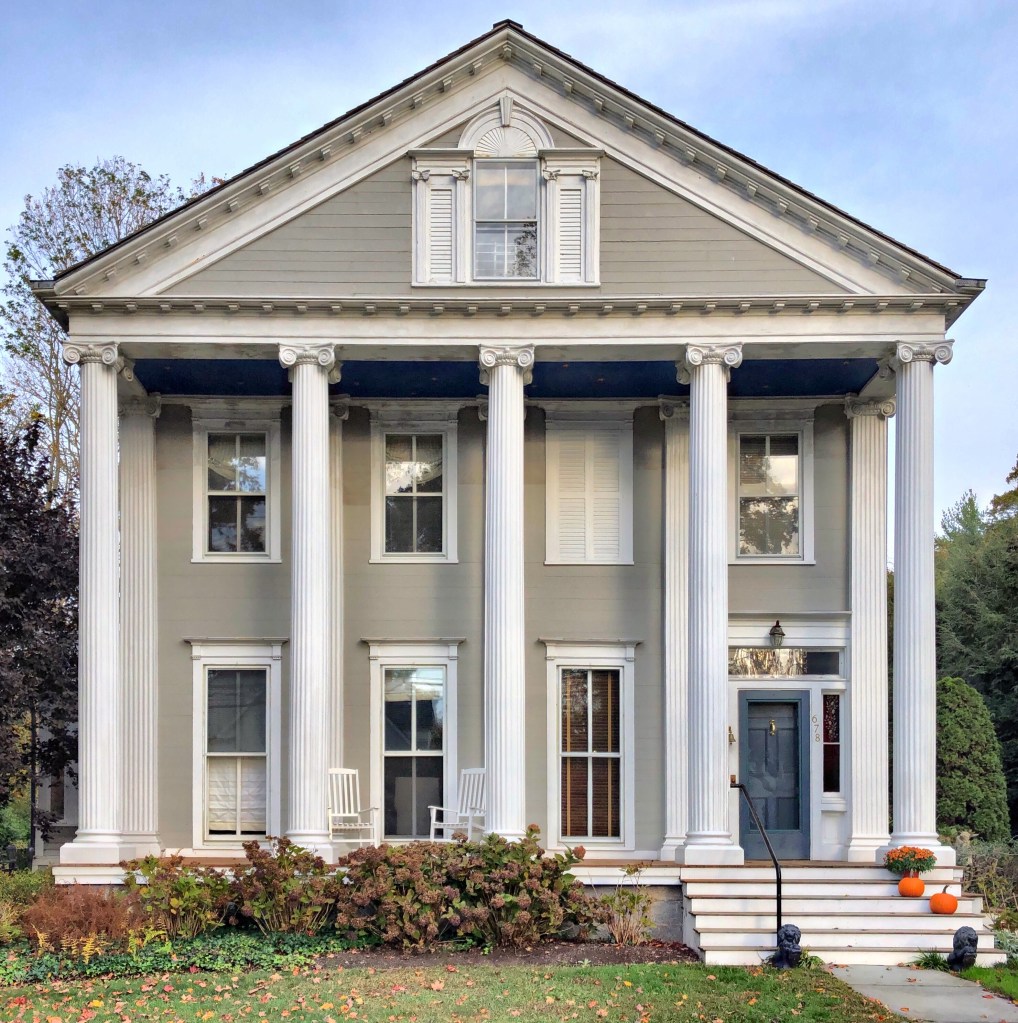
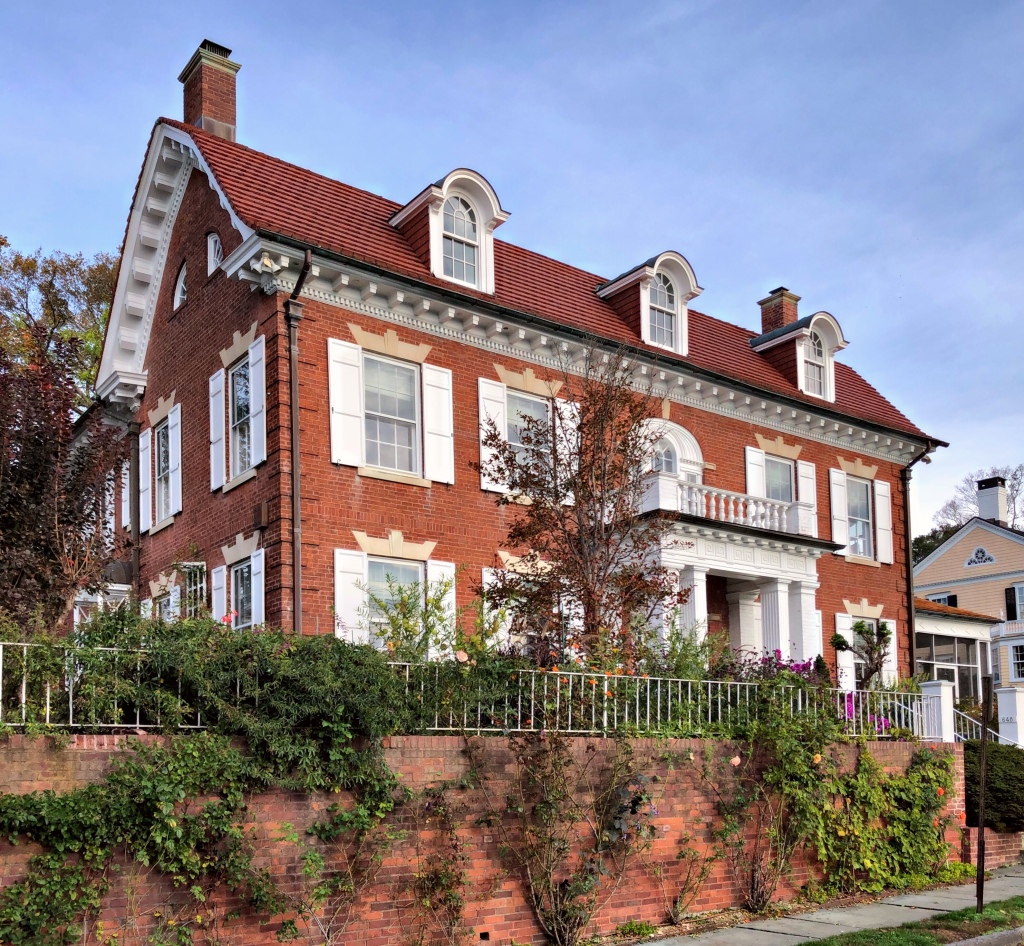
Dr. Asaph Bissell House // c.1835

Dr. Asaph Bissell was born into the wealthy Bissell family which started here when John Bissell, the progenitor of the family in America, came from Somerset, England, and landed in Plymouth, Massachusetts, in 1628. He became one of the settlers of Windsor, CT. His descendant, Asaph Bissell became one of Yale’s earliest medical graduates. Dr. Bissell, a member of the school’s second class, practiced in Suffield, often making house calls from his home right on Main Street. The house is Greek Revival in style with a stunning fan light in the pediment, echoing the Federal style.

Williston Saddle Shop // 1776

Before the invention of the automobile, horses cluttered American streets. Every town would have a saddle shop with a skilled leatherworker who would manufacture saddles, bags, stirrups and other equestrian gear. In Suffield, Connecticut, a man named Consider Williston had a shop built to make and sell saddles. According to the sign on the building, it was built in 1776, which is odd as Consider Williston fought in the Revolutionary War at that same time. The building was eventually converted to a private home and was listed for sale, with images showing the stunning Colonial era wood beams and floors.

First Church of Christ, Suffield // 1869

Located adjacent to the Town Common, the First Church of Christ in Suffield showcases the grandiose architecture seen in many churches after the Civil War in New England. This brick edifice is the fifth in the history of the church which dates back to around 1680. The church was designed by local architect John C. Mead, who designed many churches in the region. The church is a blending of Italianate and Romanesque Revival styles and originally featured a tall spire and secondary tower. In 1938, the New England Hurricane destroyed the tall spire (a similar event occurred to many New England Churches, including Old North in Boston). Even without the steeple, the church remains as a great architectural treasure in town.

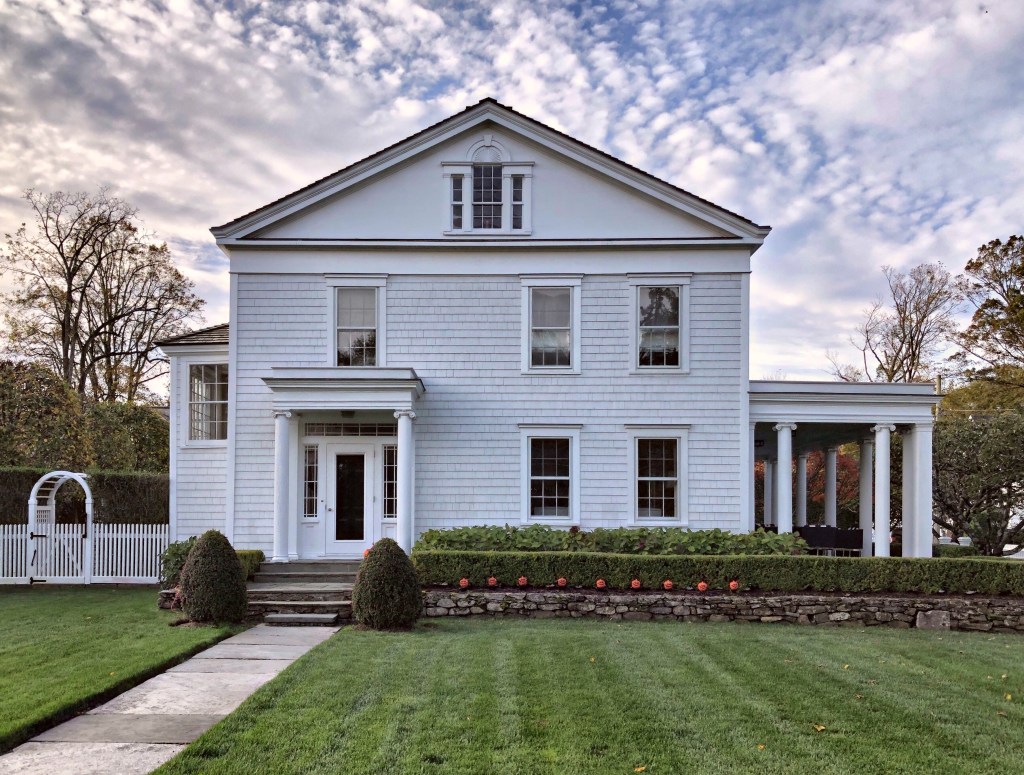
Moses Rowe House // 1767

One of the older homes on Main Street in Suffield CT, the Moses Rowe House was built in 1767 and exemplifies the architectural history of town. The house was constructed as a two-story Georgian home with minimal detailing, as the family home of Moses Rowe (1733-1799), his wife, and nine children. According to historical maps of the area, the home appears to have been purchased by Horace Sheldon, who in the 1830s modified the home in the Greek Revival style, increasing the height of the home, adding side porches and the entablature at the roofline.

Dr. Aretus Rising House // 1854

Dr. Aretus Rising was born in Suffield, CT in 1801, part of one of the oldest families in town who settled here. His father was a farmer of modest means who could not afford the ability to let his eight children attend school routinely as he needed help on the family farm. He eventually moved to Western MA where he graduated the Berkshire Medical School in 1826, soon after opening a practice in Florida, NY before moving back to Massachusetts. He operated a doctors office in Suffield starting in 1845, running it until 1871, stopping due to poor health and failing sight. He lived most of his later years in this modest Italianate home. The house features broad overhanging eaves and a porch supported by stunning lattice columns.

Lewis-Zukowski Farm // 1781

On the rural back roads of Suffield, CT, it is amazing how many historic farmhouses you can stumble upon. This is the Lewis-Zukowski Farmhouse, built in 1781, as one of the earliest brick homes built in this part of the state. When Hezekiah Lewis (?-1805) built his house in 1781, he was a farmer of modest prosperity. By the time of his death in 1805, he was somewhat wealthier, perhaps because of his second marriage in 1794 to widow Ruth Phelps, as his 91-acre farm. His estate indicates he was a traditional farmer of the period: he had a yoke of oxen, 2 horses, 2 cows, and 2 pigs, suggesting that he was primarily raising sustenance for his family, not products for market. Michael Zukowski arrived in Suffield in 1888 with his family as an immigrant from Poland. Zukowski worked on a farm in town for $8.00 a month plus board for local tobacco farmer Calvin Spencer. He had saved enough by 1905 to pay Hiram Knox (then the owner of the former Lewis Farm) $2,800 in cash, purchasing the property. Zukowski worked the farm until the 1920s, when his son took it over and he moved to another farm nearby. The house remained in the family one more generation until it was sold out of the family. It remains as an architecturally and culturally significant farm in Suffield.

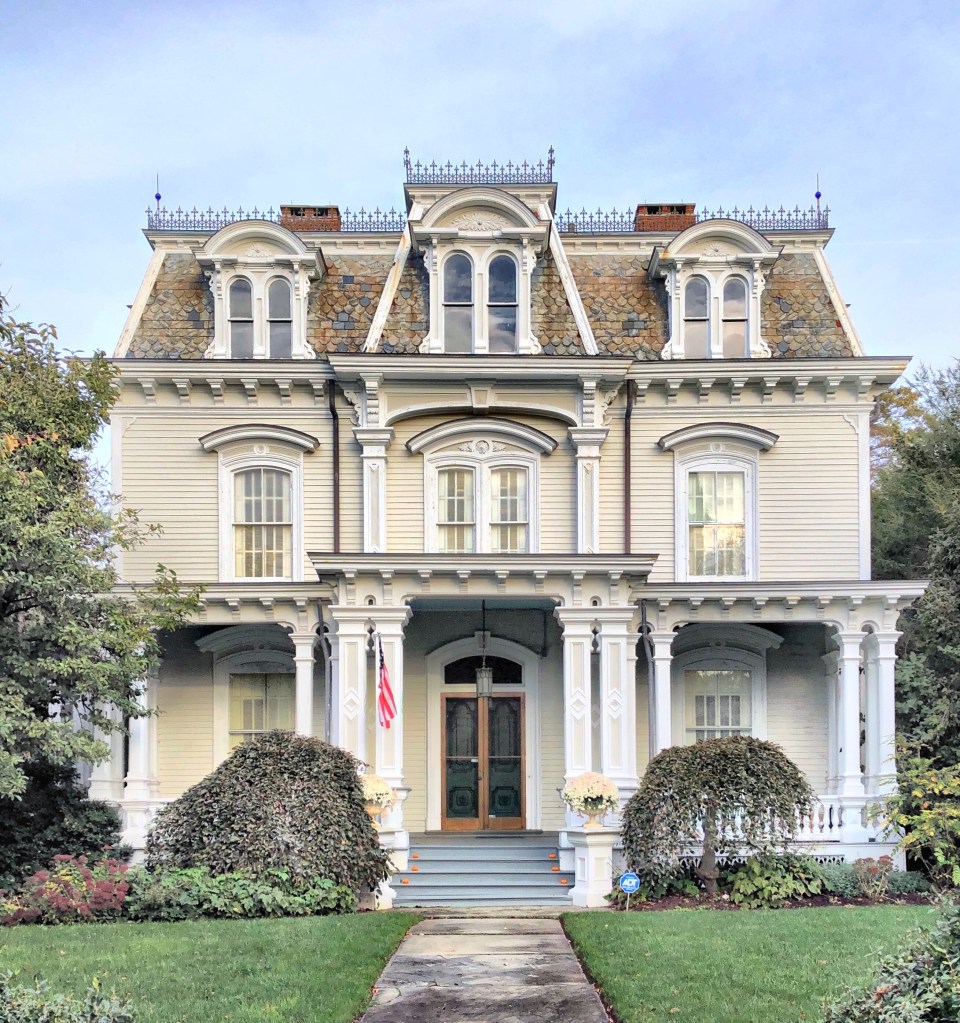
Suffield Academy-Fuller Hall // 1873

The Connecticut Literary Institute opened in Suffield, CT, with Baptist roots with the goal to educate young men for the ministry. Later rebranding as Suffield Academy, the school was the only high school in town, so it received tax revenue from the town to allow boys outside the Baptist faith to study there. Later, with changing views of women’s right to education, the school allowed women into the school in 1843. Forty years later, the school constructed this building, then known as the ‘Women’s Building’ just next door to the 1854 Memorial Hall. The Second Empire style academic building was heavily modified in 1953, just like its counterpart next door in the Colonial Revival style, adding a cupola and removing the stunning mansard roof.