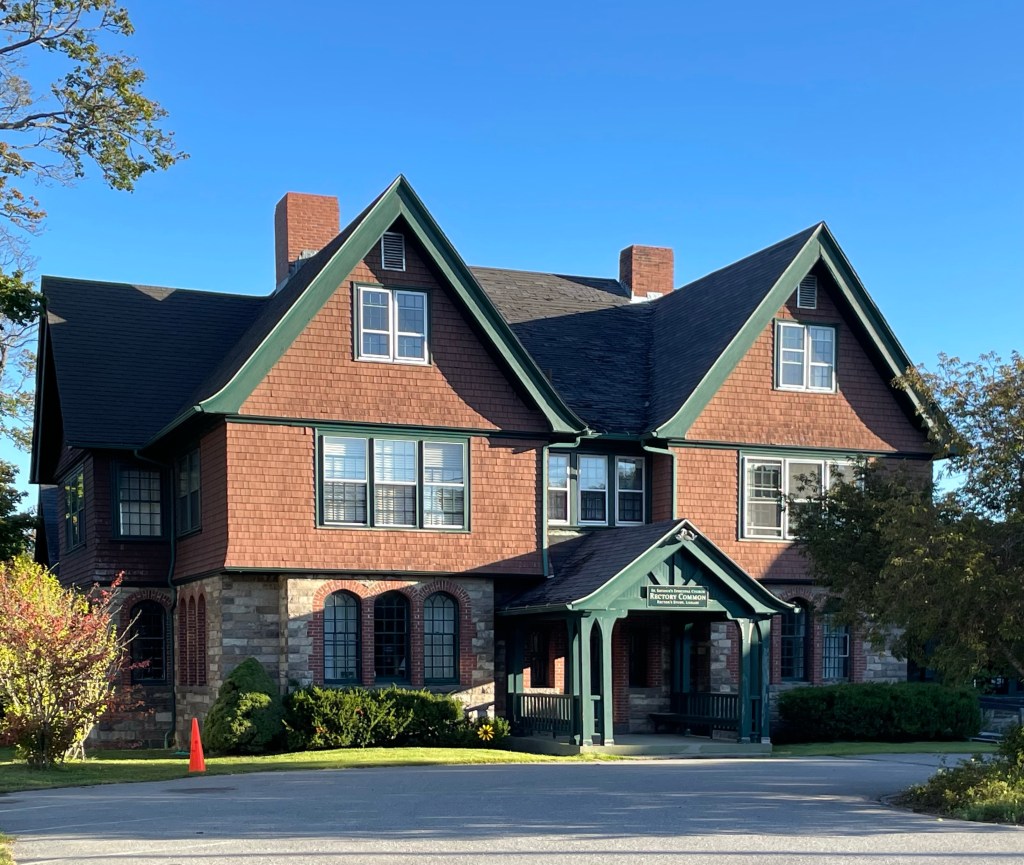
Standing adjacent to the beautiful St. Saviour’s Episcopal Church in Bar Harbor (last post), the church’s Rectory building fits very well into the landscape here. Built in 1898, the rectory is a two-and-a-half-story stone and frame home with a projecting entrance porch at the facade framed by a pair of steeply pitched gables. The Rectory was designed by Westray Ladd who grew up in the area, and worked in the office of Wheelwright & Haven in Boston, Massachusetts as well as with William Emerson and Peabody & Stearns before opening up a firm in Pennsylvania.
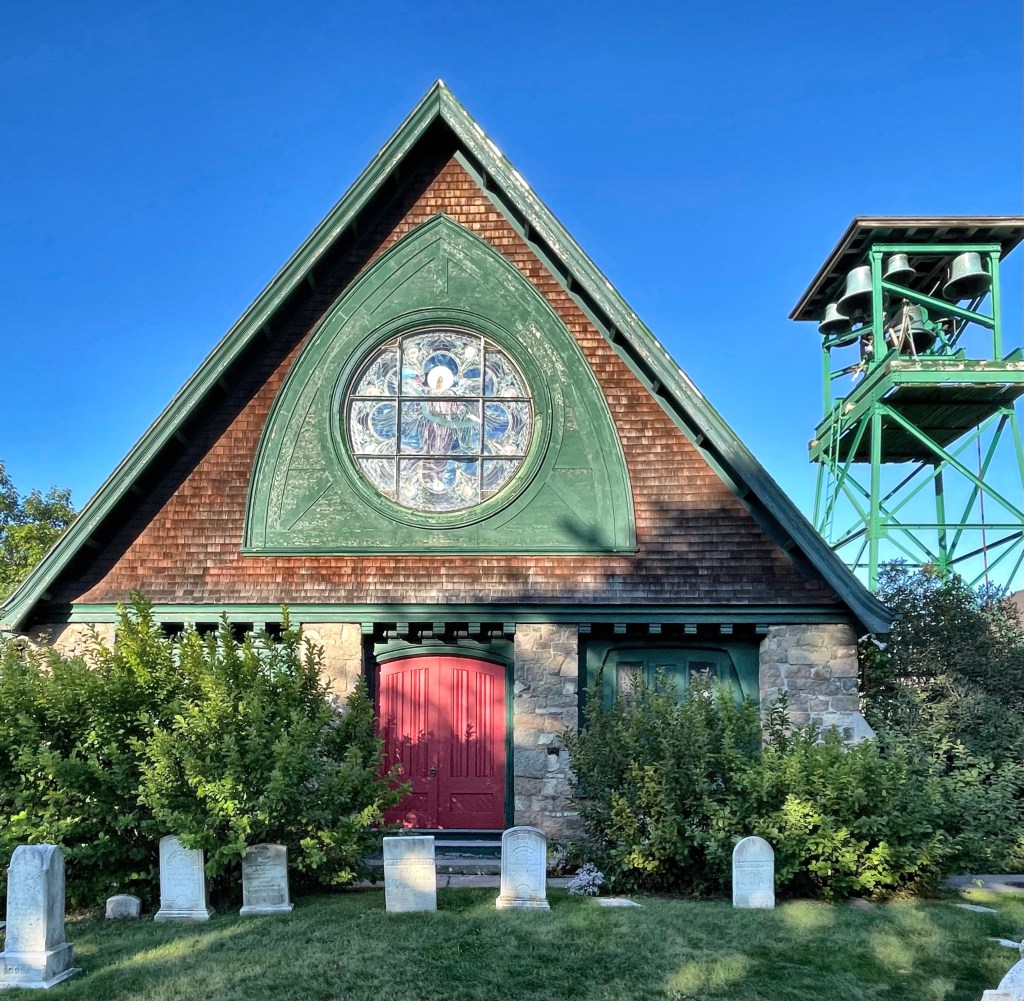
Initially erected in 1877 and enlarged several times thereafter, the St. Saviour’s Episcopal Church in Bar Harbor is an excellent example of ecclesiastical architecture in the state of Maine. The original church building had been erected in 1877-78 at a cost of about $7,000 from designs by the New York architect Charles C. Haight. Within eight years of its construction, space limitations caused the church to undertake a major expansion. Designed by the Boston architectural firm of Rotch and Tilden, this building campaign – carried out in 1885-86 – dramatically changed the church’s appearance by developing a cross shaped plan that made use of the original structure for transepts and added a larger nave, semi-circular apse, and an imposing crossing tower. The numerous building campaigns designed by both prominent and lesser known architects, have produced a rich eclectic architectural legacy that mirrors the development of Bar Harbor.
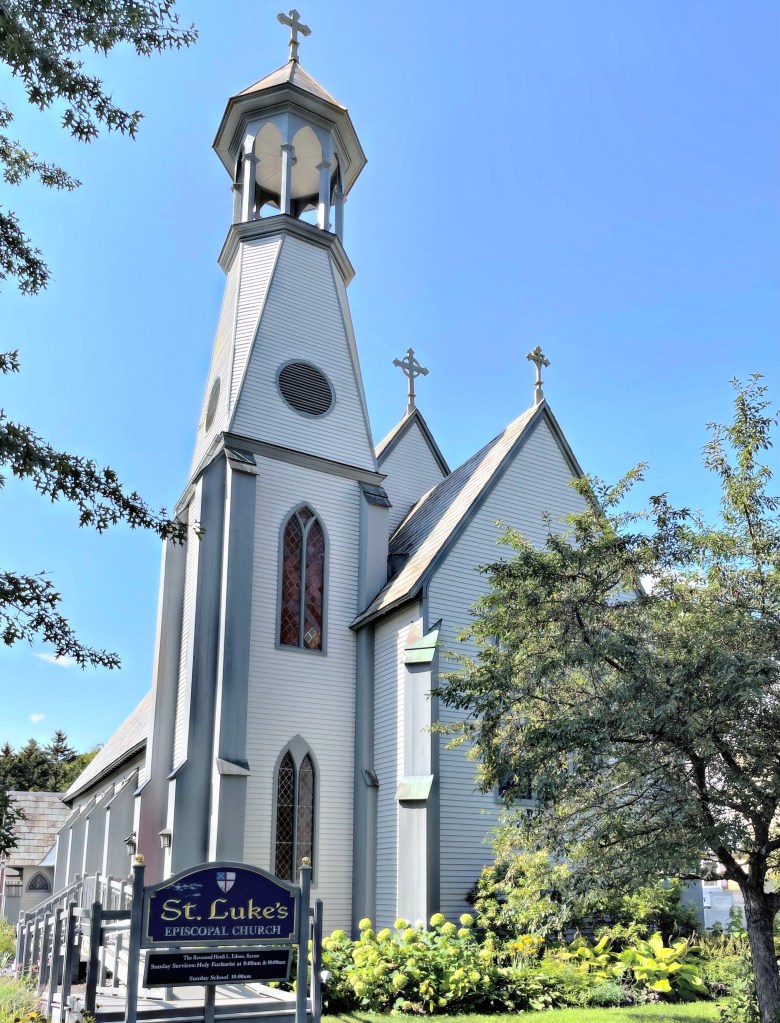
Next door to the Inn Victoria, the beautiful St. Luke’s Episcopal Church in Chester, VT, stands out as one of the only Gothic Revival buildings in the town. A small group of residents gathered in the 1860s to found a Episcopal church in the town, which already had a dominant Congregational church. They furnished money which was matched by the diocese, and Merrick Wentworth was named senior warden. Members of his family and that of Frederick Fullerton, his son-in-law, formed a large part of the congregation. Frederick and Philette Wentworth Fullerton donated a building site across the street from their home, and Mr. Wentworth’s nephew, Boston architect, William P. Wentworth, contributed plans for a Gothic-style frame church, which includes a tall corner belltower.
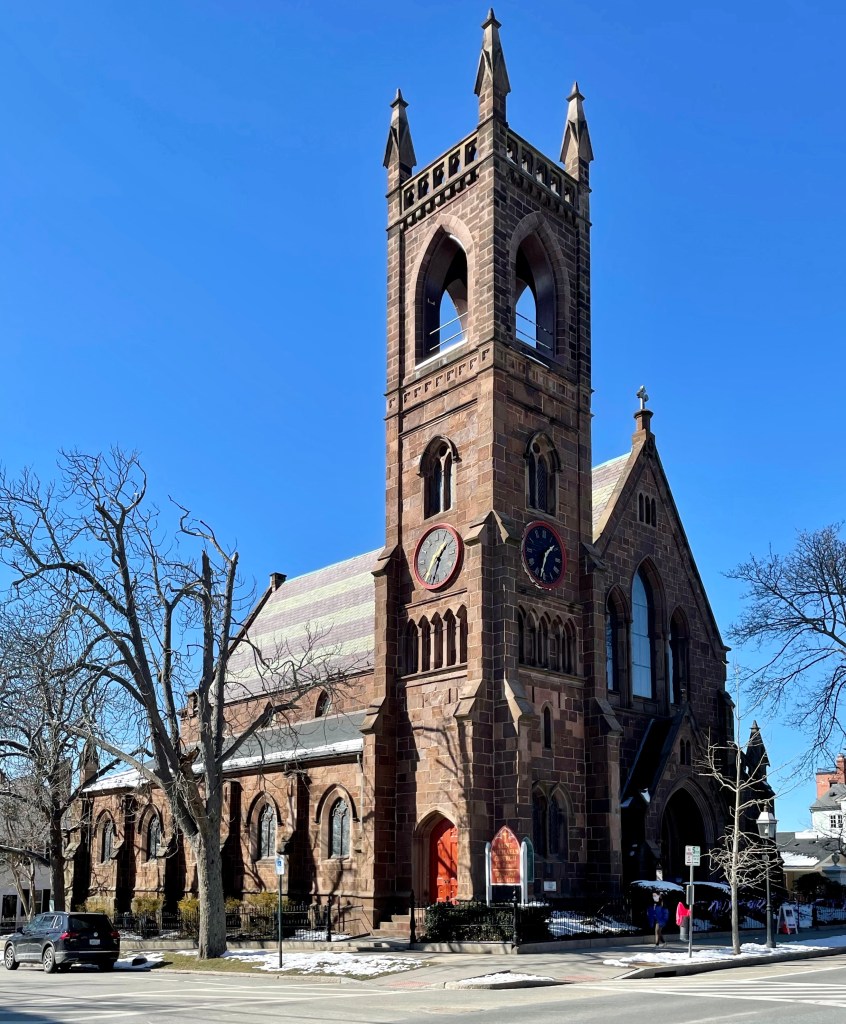
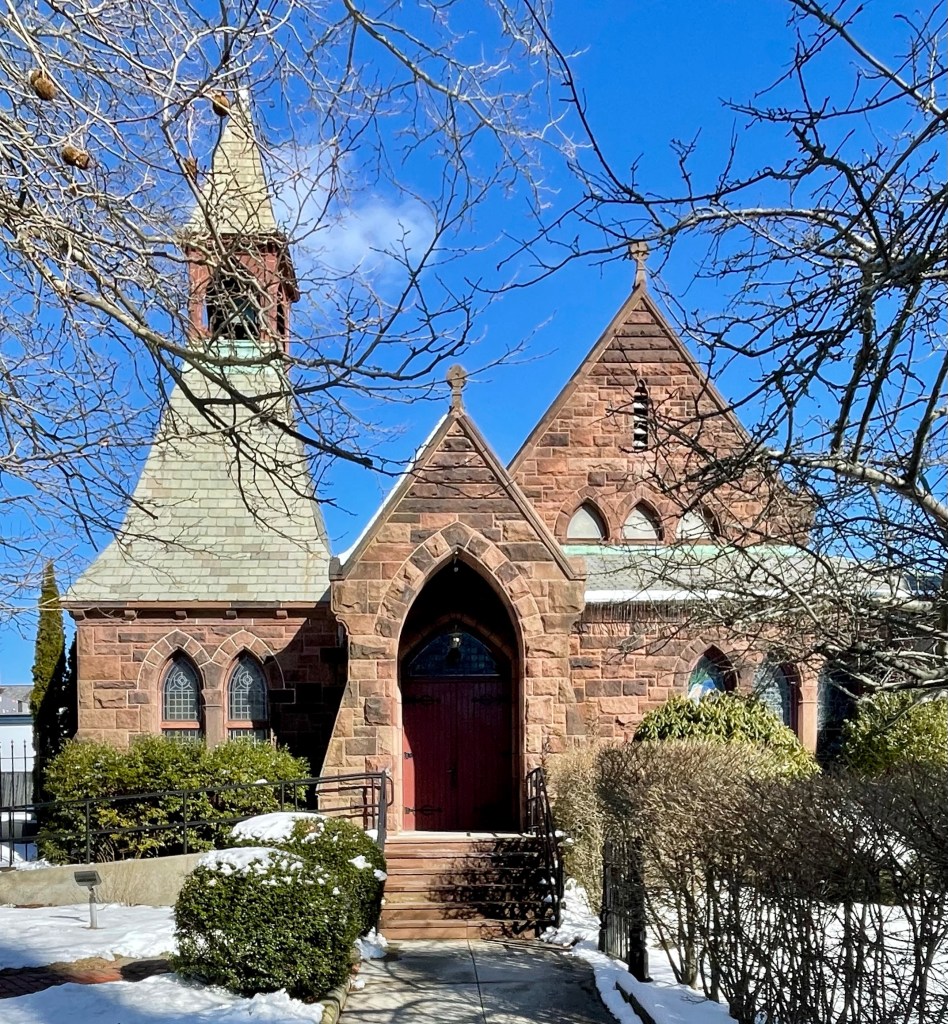
While I love the quintessential white, wood-frame New England churches that proliferate the region, the stone, Gothic churches always make me stop in my tracks; and this example in Bristol is no exception! St. Michael’s parish was founded in 1718 as one of the Rhode Island’s four colonial churches, funded and overseen from London. The first church, built in 1720, was ironically later burned during a British raid in 1778. It was replaced in 1785 by a plain wooden meetinghouse with funds from local residents and partitioners. In 1833, it was replaced by a wood-frame Gothic church which burned in 1858. Undeterred, the church hired New York City architects Alexander Saeltzer and Lawrence B. Valk, who designed the present brownstone Gothic Revival church. Just over a decade later, the church hired Worcester architect Stephen C. Earle, to design a chapel and parish house, across the street. The chapel building follows the Gothic Revival style, but with more Victorian flair, and is also constructed of brownstone to compliment the church. Together, the two structures transport you to the English countryside with their design and presence on the main street in town. What do you think of them?
 Buildings of New England