Sturgis Library // 1644

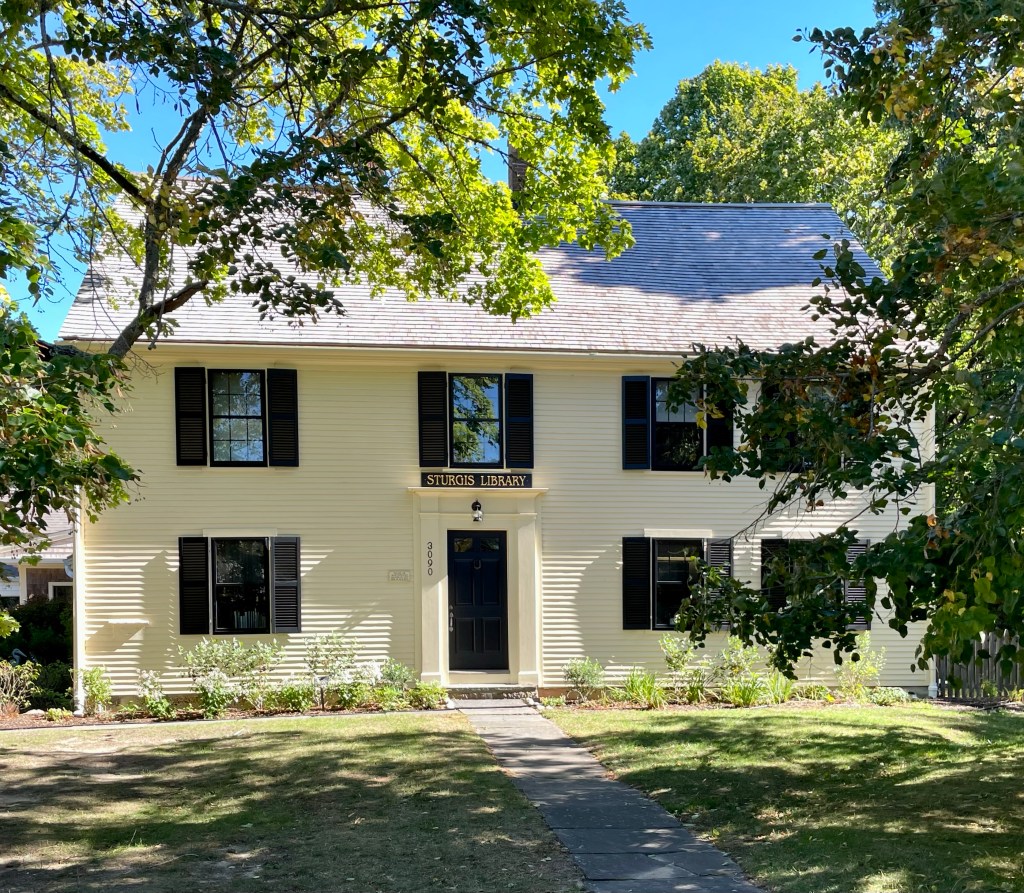
The original section of this building was the second dwelling house of Rev. John Lothrop (1584-1653), one of the first European settlers who settled in present-day Barnstable in 1639. The oldest part of this structure, built in 1644 (yes you read that correctly), is possibly the oldest extant house in the Town of Barnstable. The home was constructed as 21 feet long and 29 feet deep with a chimney on the west side of the house. Perhaps John Lothrop’s principal claim to fame is that he was a strong proponent of the idea of the Separation of Church and State (also called “Freedom of Religion”). This idea was considered heretical in England during his time, but eventually became the mainstream view of people in the United States of America, because of the efforts of Lothrop. His descendants today include six former presidents, Louis Comfort Tiffany (of the stained glass fame), J. P. Morgan, Clint Eastwood, Henry Wadsworth Longfellow, and many more recognizable names! The house was eventually owned by Isaac Chipman in the 19th century, and he modified the house close to its current conditions, adding on numerous times.

Captain William Sturgis, a mariner, businessman and politician, who was born in the house, purchased the property in 1862 from the heirs of Isaac Chipman. Sturgis left $15,000 along with this property in a trust to be gifted to the people of Barnstable for a public library. The library opened in 1867 in his honor, with 1,300 books. As the old Lothrop House is incorporated in the building, it makes the Sturgis Library the oldest building housing a public library in the USA. A great claim to fame for this town!

John Palmer House // c.1683

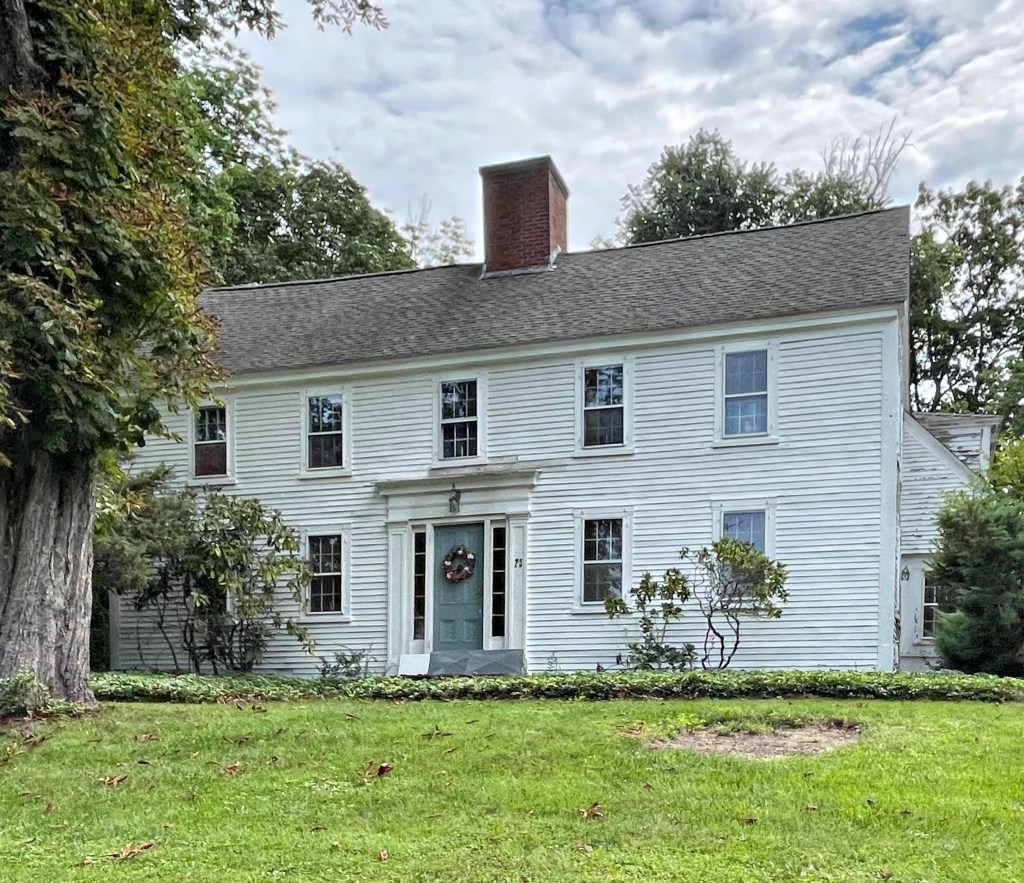
In 1682, John Palmer acquired a small piece of land in Marblehead, soon after building this First Period home. The house is said to have framing timbers made of English walnut, salvaged from a sailing vessel off shore, with one timber formerly a mast and still displaying rope marks. The house was willed to his son after his death, who built a larger home soon after nearby. This house was “modernized” with double-hung windows which likely replaced the smaller, diamond pane casement windows typical in homes of this period.

Doe’s Garrison // c.1690-1938

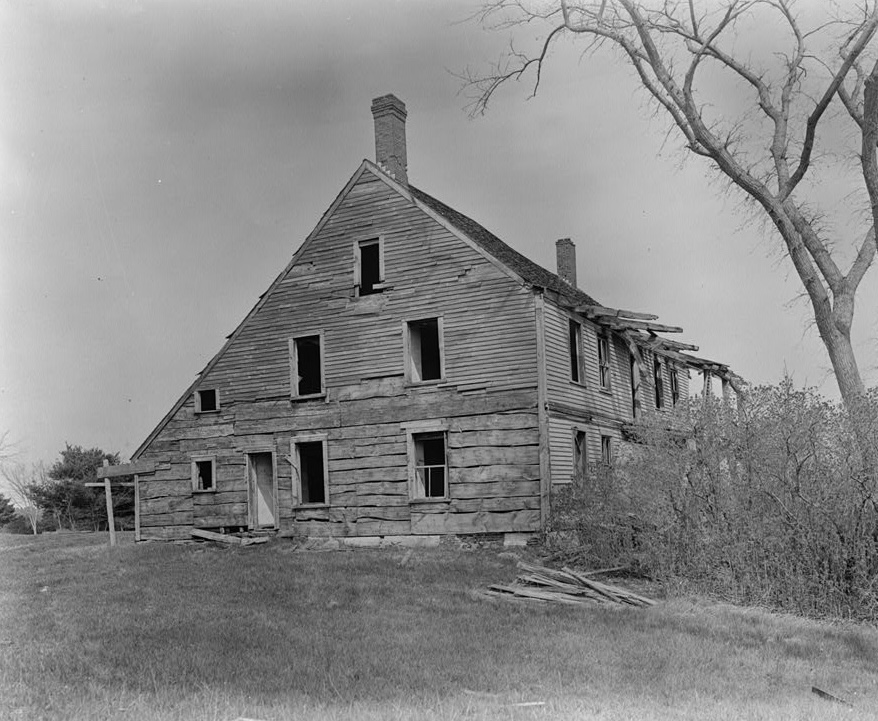
On Doe’s Neck (now Moody Point) in Newmarket, NH, a peninsula at the terminus of the Lamprey River where it meets the Great Bay, has long been a highly desired and contested piece of land. Towards the end of the 17th century, the land here was owned by the Doe Family, who built a Garrison House here. The house was used as a defensive structure to protect those living nearby from Native American attack. The Doe family resided here until after the Revolutionary War. The saltbox building was later altered with full-length porches by later owners, to take advantage of water views. By the Great Depression, the garrison house was suffering from severe neglect, but before it was demolished, it was documented as part of the Historic American Buildings Survey (HABS).

Burnham House // c.1682

Samuel Burnham bought an older house on this site, and added to it, creating a larger residence for his family (a common occurrence in early Colonial times). One thing he did keep was a 30-foot well within the building to supply the family drinking water. Interior wells were not common, but very useful on the New England “frontier” where attacks from Native American tribes were more frequent. In the event of an attack in town, a family could close their interior shutters, and wait them out with drinking water from their internal well.

God, I love old New England homes! Could you live in one that is older than the United States?

Ryder Homestead // c.1675

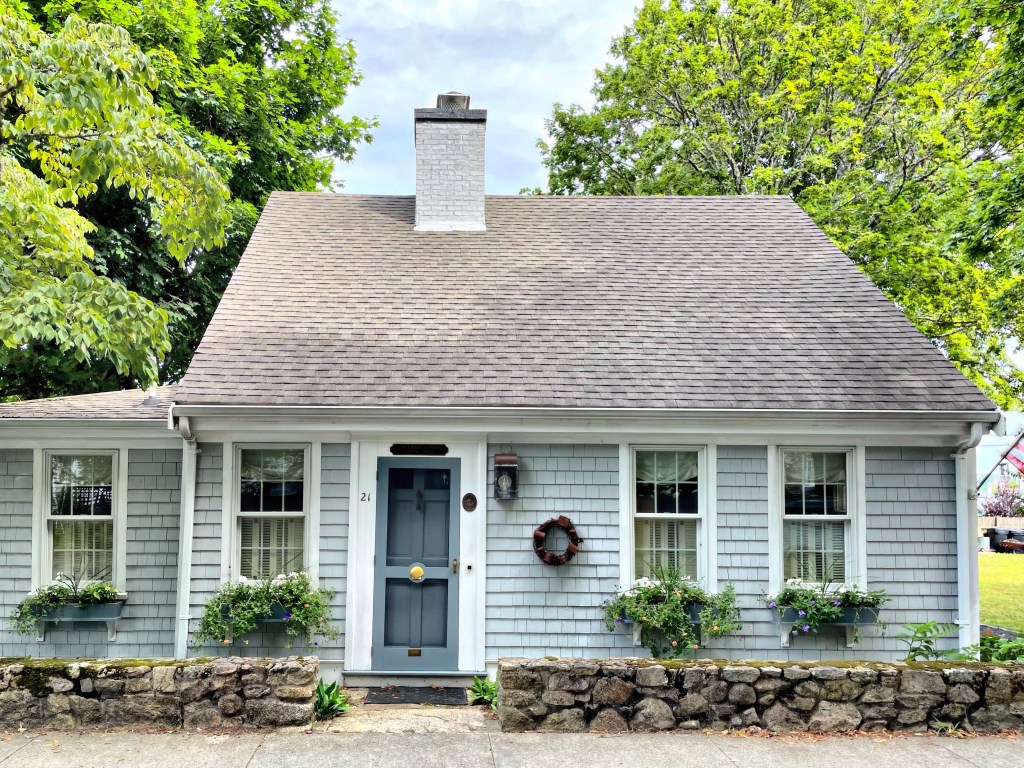
The oldest home in Marion, this c.1675 Cape house apparently has interior structural elements dating the home to the earliest colonized days of Sippican Village. The tiny home was built for a member of the Ryder family around 1675, according to the Sippican Historical Society. It was recorded and noted as standing by the 1690s. The home is an example of a three-quarter cape, meaning there are two bays on one side of the front door and one on the other side. During colonial times, for economic reasons, a newly married couple could build a half-cape house with a door, two windows to one side of the door and a single fireplace heating multiple rooms. It was expected that they would expand the house to either a three-quarter house by adding a single window on the other side of the door or doubling the size of the home adding two other bays, all rooms heated by the central chimney.