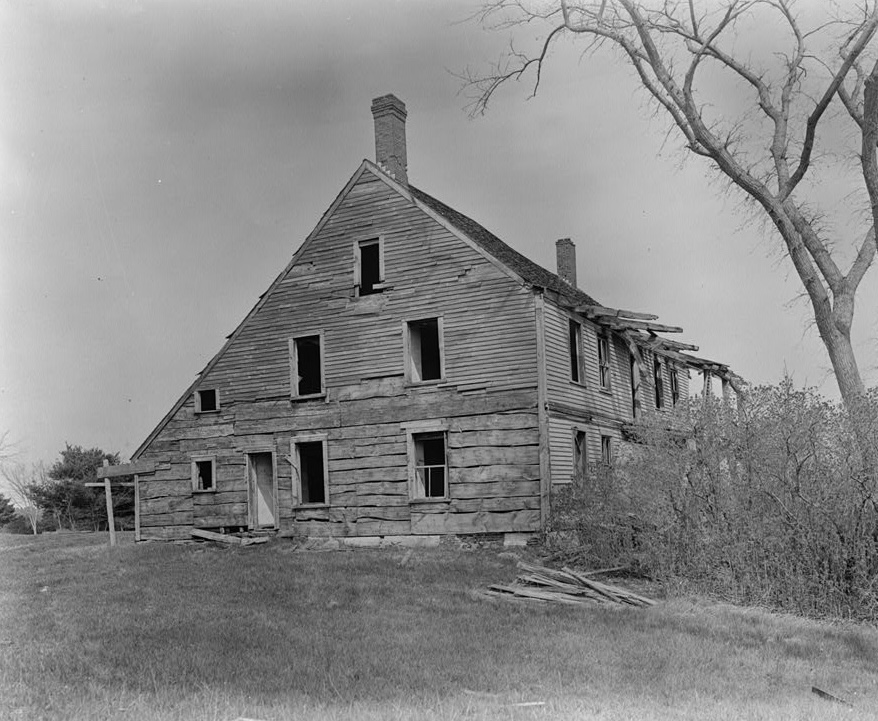
Doe’s Garrison // c.1690-1938

On Doe’s Neck (now Moody Point) in Newmarket, NH, a peninsula at the terminus of the Lamprey River where it meets the Great Bay, has long been a highly desired and contested piece of land. Towards the end of the 17th century, the land here was owned by the Doe Family, who built a Garrison House here. The house was used as a defensive structure to protect those living nearby from Native American attack. The Doe family resided here until after the Revolutionary War. The saltbox building was later altered with full-length porches by later owners, to take advantage of water views. By the Great Depression, the garrison house was suffering from severe neglect, but before it was demolished, it was documented as part of the Historic American Buildings Survey (HABS).
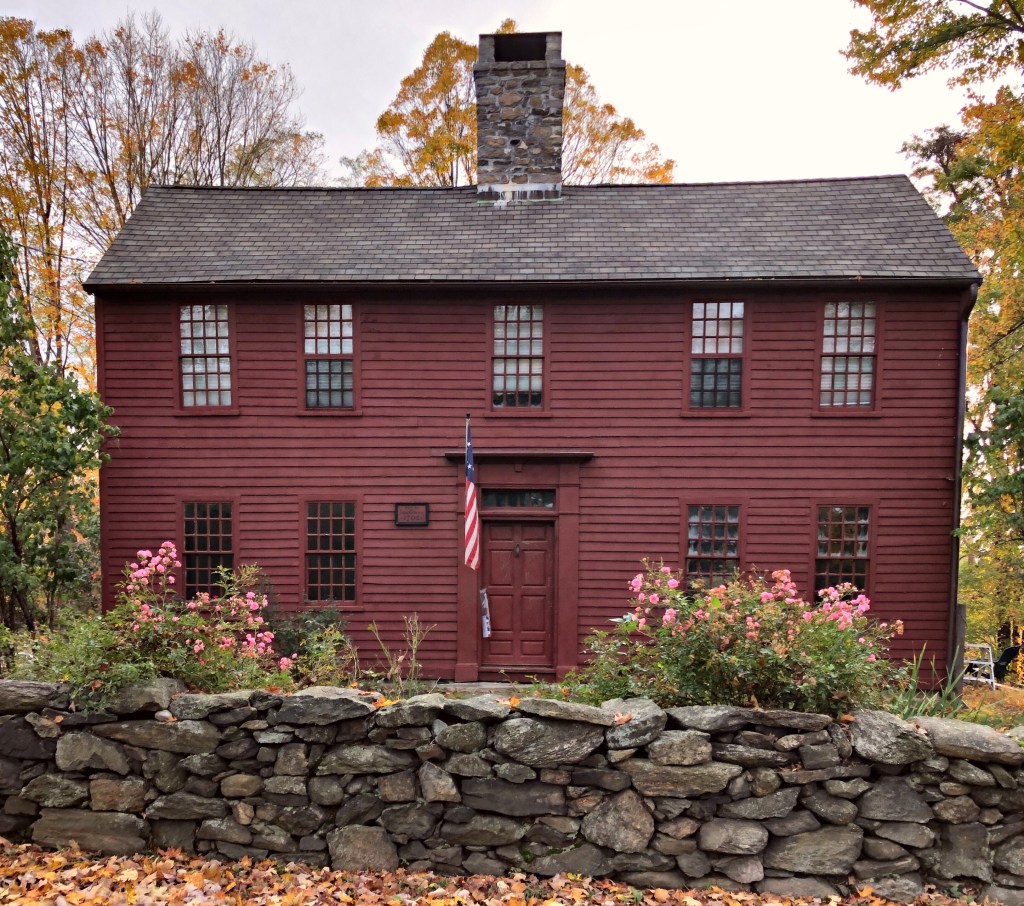
Osborn House // 1772

This homestead in Fairfield, Connecticut is situated on the edge of what was formerly called Pequot Swamp, and was originally built by Stephen Osborn in 1772. It is said to be the third Colonial dwelling erected in this part of the town and was left undisturbed by the British when they burned Fairfield in 1779 and raided various sections of the country along the shore. The home was originally located a few blocks away, but was moved in the 1950s when the highway (I-95) was routed through this part of Fairfield. The saltbox Georgian home was documented prior to the move by the Historic American Buildings Survey (HABS).
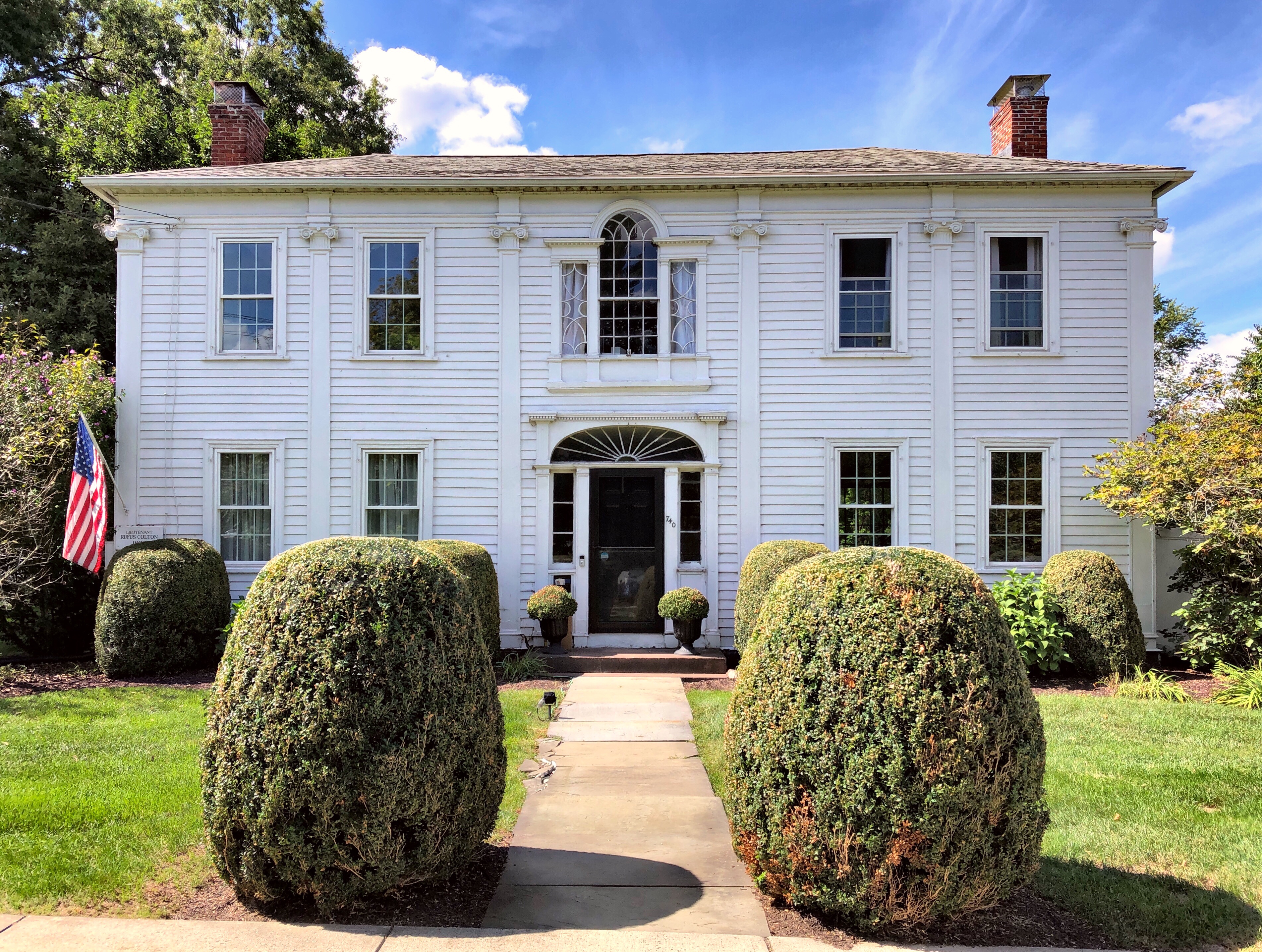
Colton House // 1806

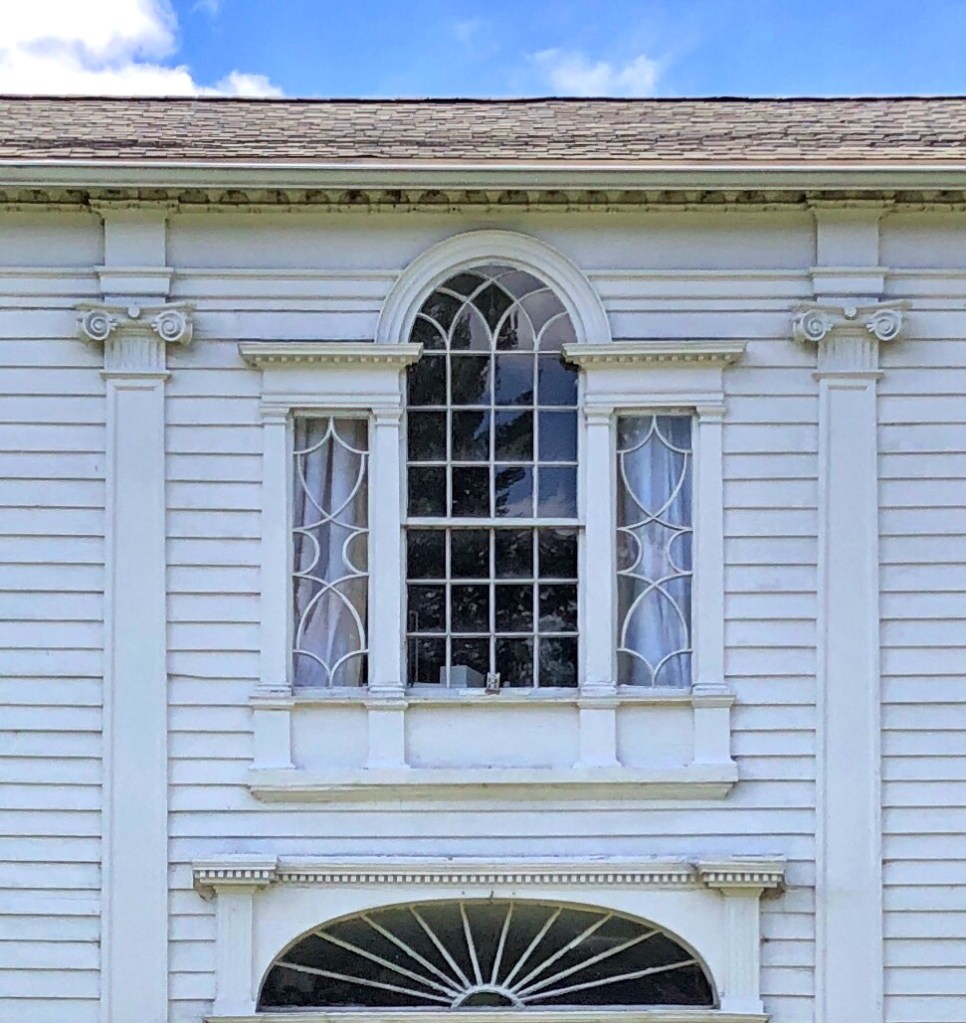
Similar to the Charles Leonard House a block away, the Colton House on Main Street in Agawam remains as a historically and architecturally significant Federal style home in Western MA. The home was built in 1806 for Rufus Colton (1776-1862), a couple years after he married his first wife. The home was likely constructed by a local builder who took inspiration from Asher Benjamin’s early plan books and Captain Leonard’s home nearby. The house was later owned by Martin Luther who operated the home as a tavern for travelers along the route from Hartford to Boston. It was later owned by Isaac Cooley and documented under the Historic American Buildings Survey. Architecturally, the house features a stunning broad entry surround which incorporates a generous elliptical fan-light with leaded glass above a paneled door. Directly over the main entry on the second floor is a Palladian window with the side panels showing the urn and leaf pattern, seen only in high-style Federal homes.