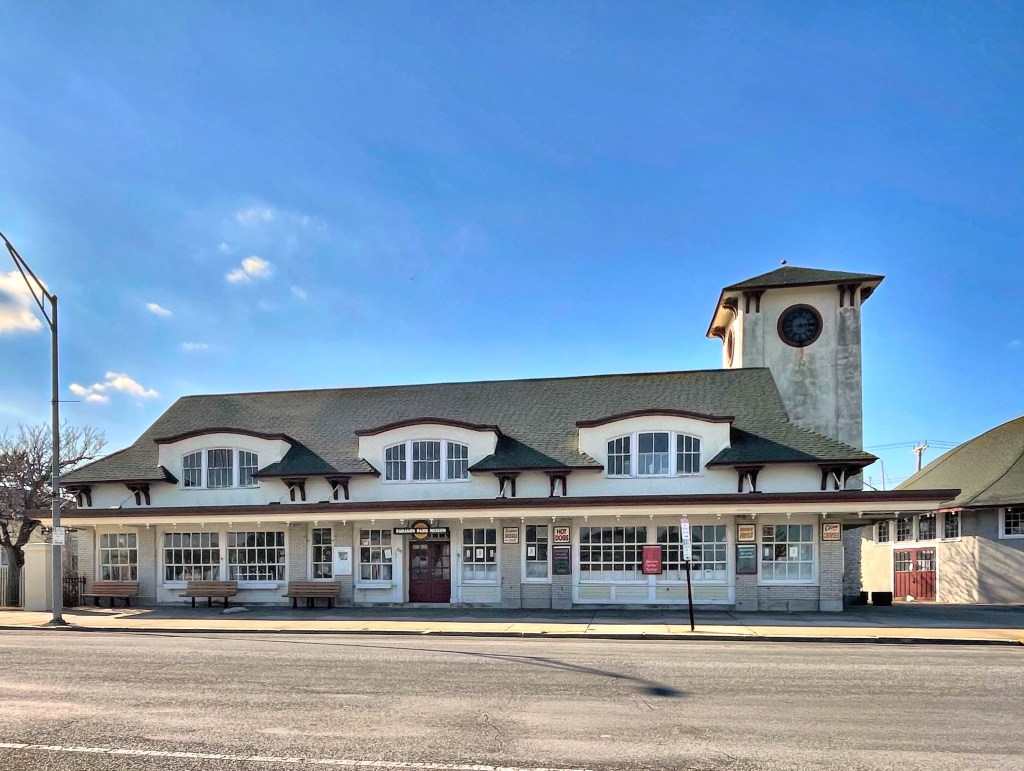
Nantasket Beach Waiting Room // 1903

The area of Nantasket Beach in Hull was in the late 19th century, a hotbed of taverns, thievery, and brothels. To counter this, the Metropolitan Park Commission of Greater Boston acquired about 25 acres at Nantasket, which included roughly one mile of shoreline extending north from Atlantic Hill in 1900. The initial appropriations provided for only minimal facilities, such as a bathhouse and a few incidental buildings, one of which was a waiting room for those arriving or departing from the new railroad station (since demolished) at the beach. The MPC hired the Olmsted Brothers landscape architects to design the paths and landscaping for the new park, and they worked with architects Stickney & Austin who designed many of the early buildings. Stickney & Austin designed this stucco-clad building with clock tower to provide shelter from the elements and summer sun for visitors of the reservation. The building is a blending of the Arts and Crafts and Spanish Revival styles, both common at the beginning of the 20th century. The building now houses the Paragon Park Museum, after they relocated the Paragon Park Carousel next door to this building.
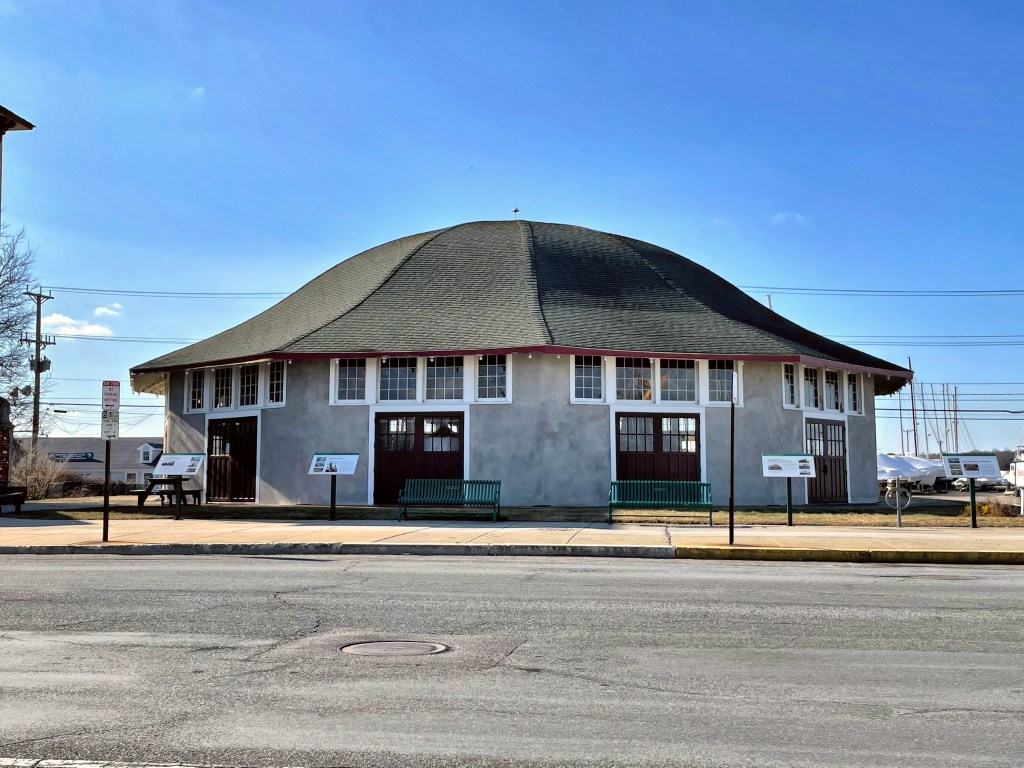
Paragon Park Carousel // 1928

The Paragon Park Carousel at Nantasket Beach in Hull, was built in 1928 for the Paragon Park Amusement Park (featured previously), and is possibly the oldest remaining feature of the old park. When the park was created, many wealthy summer residents clutched their pearls as their quiet, peaceful summers would soon be overrun by those looking for rides and pleasure. From its inception in 1905, Paragon Park placed a carousel at the hub of its amusement attractions, just south of the main entrance gate. While this was just the first of several carousels to be installed in the park, its inclusion in the earliest iteration of Paragon Park shows the importance of the form as an attraction. The current carousel was built in 1928 by the Philadelphia Toboggan Company for Paragon Park, the carousel featured two chariots pulled by two horses each and had four rows of horses (66 in all). One of only 18 four-row carousels ever produced by Philadelphia Toboggan Company it is some forty feet in diameter. Housed in a specially built twelve-sided stucco structure to protect the delicate motor and paint in poor weather. When Paragon Park was sold to developers in 1986, parts of the carousel ride were auctioned off, but most were purchased by a locally organized preservation committee. That same year, it was moved a short distance to its present location to save it from the wrecking ball. It is now operated by the Friends of the Paragon Carousel.

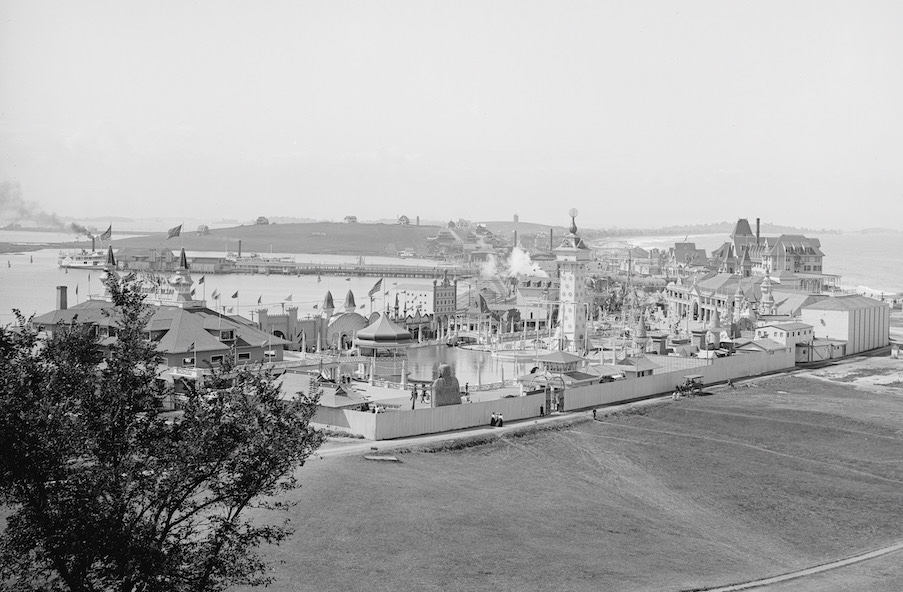
Paragon Park // 1905-1984

The Nantasket area of Hull on Boston’s south shore had been a popular summer destination since the middle of the 19th century, when resort hotels were developed there to take advantage of the ocean breezes and sweeping vistas. Paragon Park, an amusement park developed at the turn of the century was a great addition to provide activities for the summer visitors and resident alike. Convenient transportation in the form of steamship service and an electric railroad from Boston added to the appeal of the area. The park developed rapidly over the early 20th century and featured rides, activities and shows. The park was thought to be a mini World’s Fair, featuring a lagoon at the center with small boats to ride, and new expositions and features added every summer. The park struggled in the second half of the 20th century as the land value was more expensive and the park was only open a couple months a year. It sold in 1984 to developers who sold off many features and demolished almost all of the structures. The Giant Coaster, built in 1917 was one time, the largest roller coaster in New England. When the park was purchased, the roller coaster was sold to Six Flags America near Washington D.C. and is now The Wild One.

Lovell’s Tavern // 1744

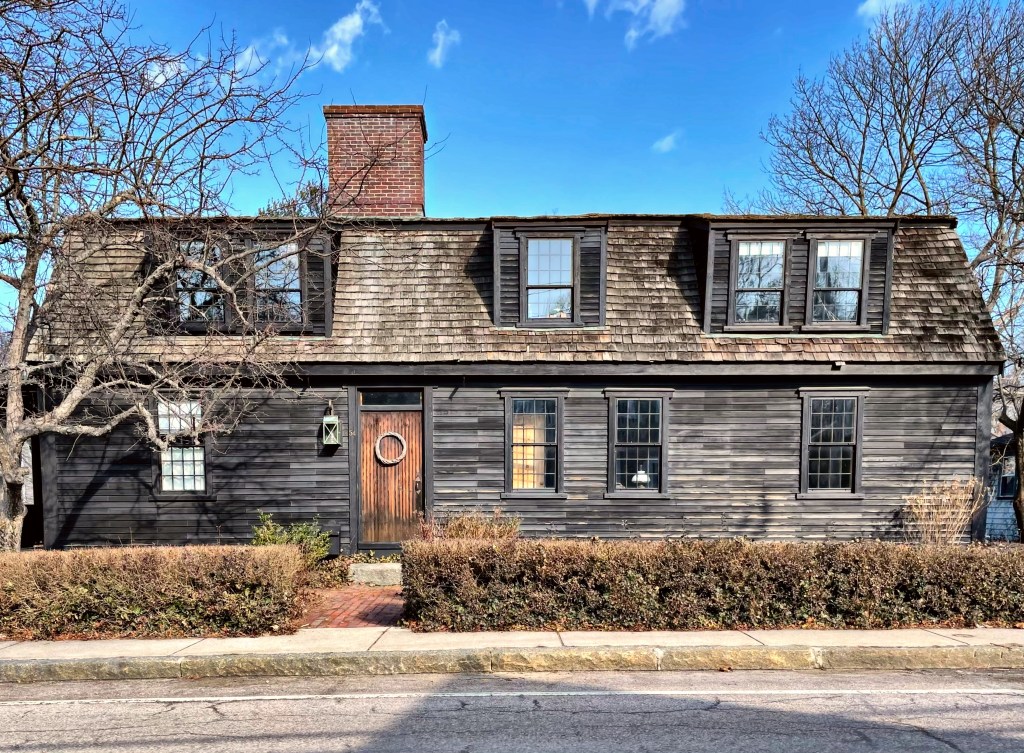
This gambreled Georgian cape house was built around 1744 and first occupied as a tavern. Local tradition holds that in this house, the town officials held meetings and managed governmental duties. After the Revolution, a new town hall was built and the tavern reverted back to its former use. It was occupied by Samuel and Olive Lovell until Olive’s death in the 1840s, she possibly ran the tavern alone for the thirty years she outlived her husband. The home is an excellent example of a pre-Revolutionary Georgian home, with a cedar shingle roof to top it all off!

Honey Fitz Summer House // 1900

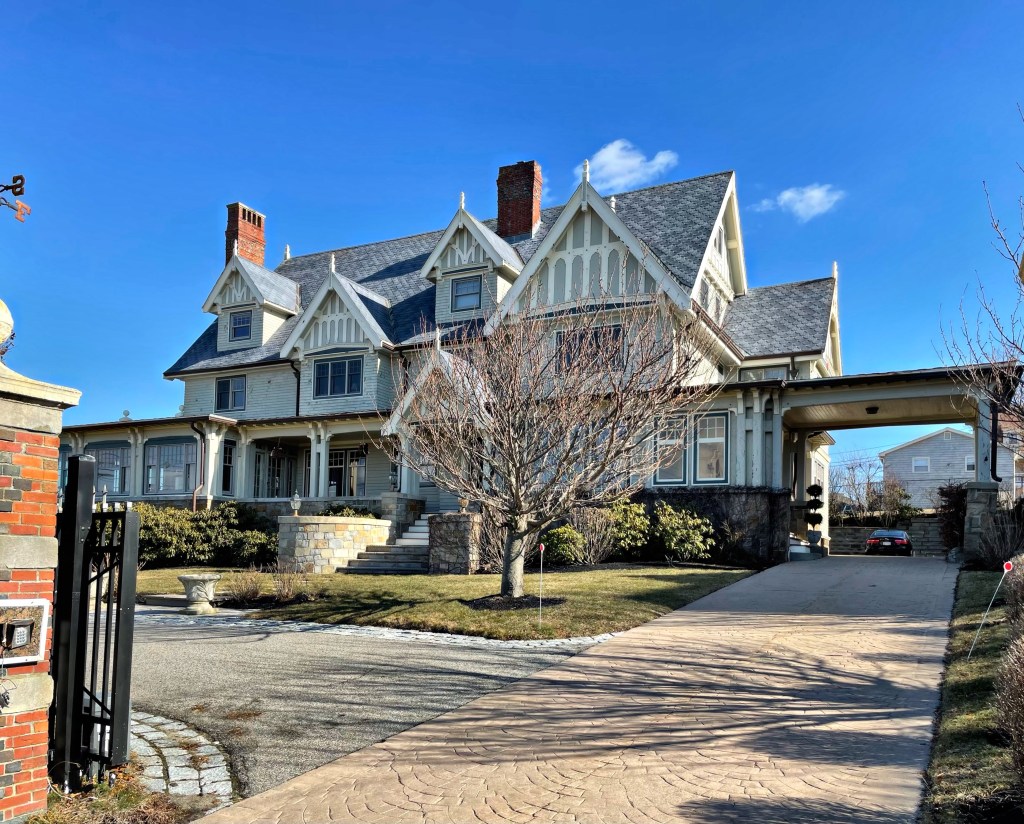
Before the Kennedy compound on Cape Cod where the political Kennedy Family summered, there was this house in Hull, now known as the ‘Honey Fitz’ summer house; named after John F. Kennedy’s maternal grandfather, John F. Fitzgerald, who owned the property. Fitz, the former mayor of Boston, would holiday at this home in the summer months with his wife Mary and six children Frederick, John Jr, Eunice, Thomas, Mary and Rose, who would go on to marry Joseph Kennedy and raise the political dynasty; The Kennedys. After Rose’s marriage to Joe Kennedy, she would return to the home with her children in the summer months, including the future president John Fitzgerald Kennedy. Rose Kennedy’s family often rented a smaller cottage on the peninsula for their family, but would always visit the big house for family dinners. Joseph Kennedy, who soon ended up being extremely wealthy, later bought a summer house in Hyannis, and the rest is history. This early Tudor mansion, with its stately proportions, stands out amongst the shingled cottages in Hull, fitting for the Kennedy dynasty.

Tirrell-Cobb House // c.1750

One of the most stunning Georgian cape homes I have seen is this charming house in Hull, Massachusetts. Built in the mid-18th century, this house was acquired by Gideon Tirrell after the Revolutionary War. Gideon married Mary Loring, a descendant of John Loring, who built the home in my last post. The family appears to have occupied the home until the Cobb family acquired the house in about 1860, when Capt. Joseph Cobb and his wife, Eliza Turner settled here. He was the third “Keeper of the Lifeboat” from 1858-1876. In his role, he rowed out to sinking ships in the Boston Harbor and attempted to save any sailors still alive, often saving dozens of lives. The home was restored in the 1980s and remains one of the best-preserved in the town!

Hull Public Library // 1879

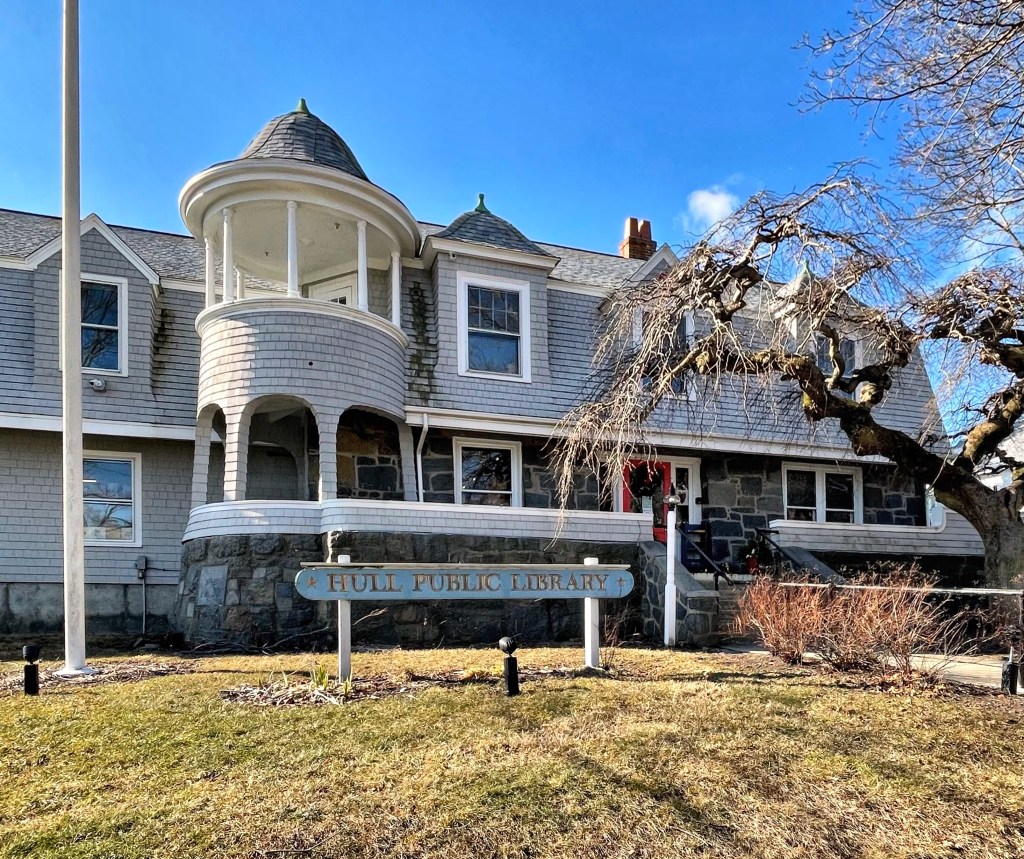
“We must not be Irish or African, or black or white. Not in America. We are gathering here … not to build up any petty community but to make the greatest nation and the strongest brotherhood that God ever smiled upon.”-John Boyle O’Reilly. This home (now the Hull Public Library) replaced the old Hunt House, which was the first parsonage of Hull, which was built around 1750. John Boyle O’Reilly, an Irish-American poet, journalist, author and activist bought the Hunt House in the 1870s and soon after demolished it as he felt it could not be salvaged. There are books about O’Reilly’s life story, so I recommend checking out his Wikipedia page. He constructed this house as a summer home by 1879, an excellent example of an early Shingle-style home. I cannot locate the architect, but am dying to learn! In the summer of 1890, O’Reilly took an early boat to his residence in Hull, Massachusetts from Boston. He had been suffering from bouts of insomnia during this time. That evening he took a long walk with his brother-in-law hoping that physical fatigue would induce the needed sleep.Later on that night he took some of his wife’s sleeping medicine and he apparently suffered an overdose of the medicine at this home, passing away at 46. Thousands of Bostonians mourned O’Reilly, and memorials were erected in the city, including the iconic 1896 John Boyle O’Reilly Memorial by Daniel Chester French.

Hull Yacht Club // 1891-1930s

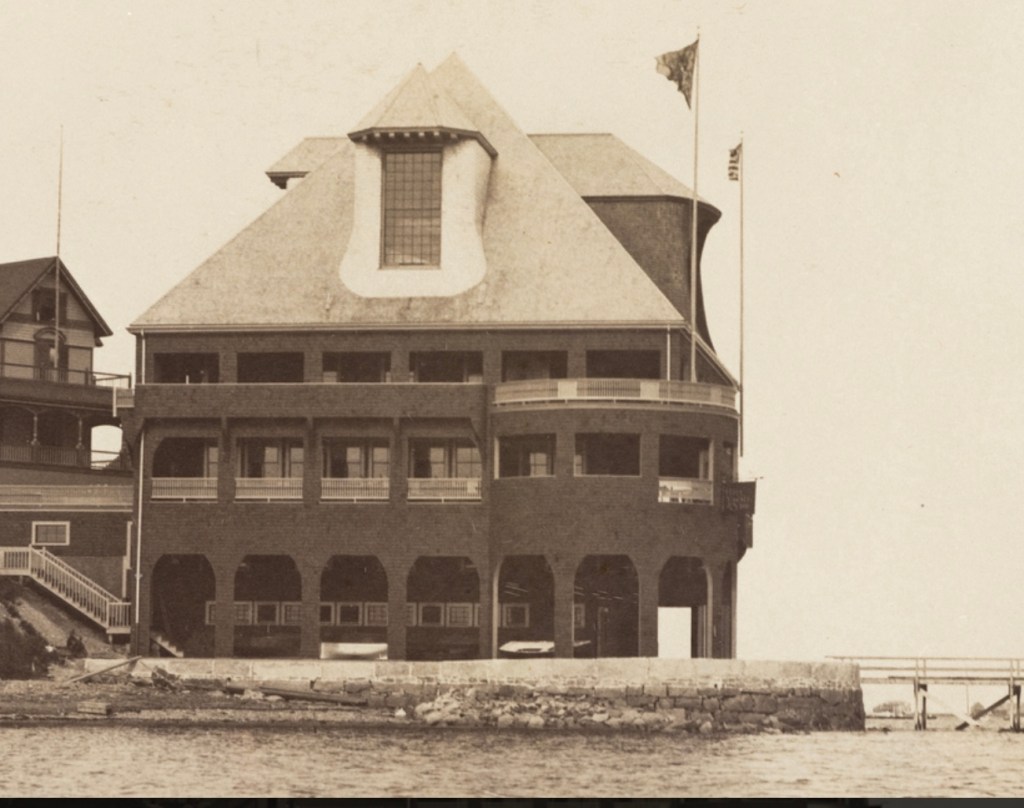
c.1891 image of second Hull Yacht Clubhouse, Stebbins Collection, HNE

In the Spring of 1880, thirteen Hull, Massachusetts, summer residents, who owned and raced small sailboats, met and decided to form a yacht club. The Hull Yacht Club was founded that same year. During the first two seasons there was no club house, sailing events were run from a private pier and dock and meetings were held at members homes. Even though they started with no club house, being close to Boston with plenty of deep, protected water, drew many new members. The first clubhouse here was constructed in 1882 and the club saw membership soar to over 500. The clubhouse was quickly deemed inadequate for the Boston-area elite and their massive sloops. The second Hull Yacht Club was completed in May 1891. The New York Times and Outing Magazine described the new club as one of the grandest yacht clubs in America, and at the time, it had the second highest membership in the country! The main club house was designed by architect S. Edwin Tobey, and stood four stories, with a 12 foot wide piazza on three sides covered by endless expanses of shingles. The third floor had billiard rooms and public and private dinning, committee room, reading room, wine room, The second floor housed three bowling alleys, and the first floor had lockers, showers, laundry, spar storage. The club merged a couple times over the subsequent decades, but suffered heavily due to the Great Depression, when the Gilded Age monies stopped flowing as freely. The club sold the massive shingled building to developers who sought to convert the building into a resort, but it was deemed a fire hazard and razed in the 1930s. The club erected a new, modest clubhouse near Point Allerton later.

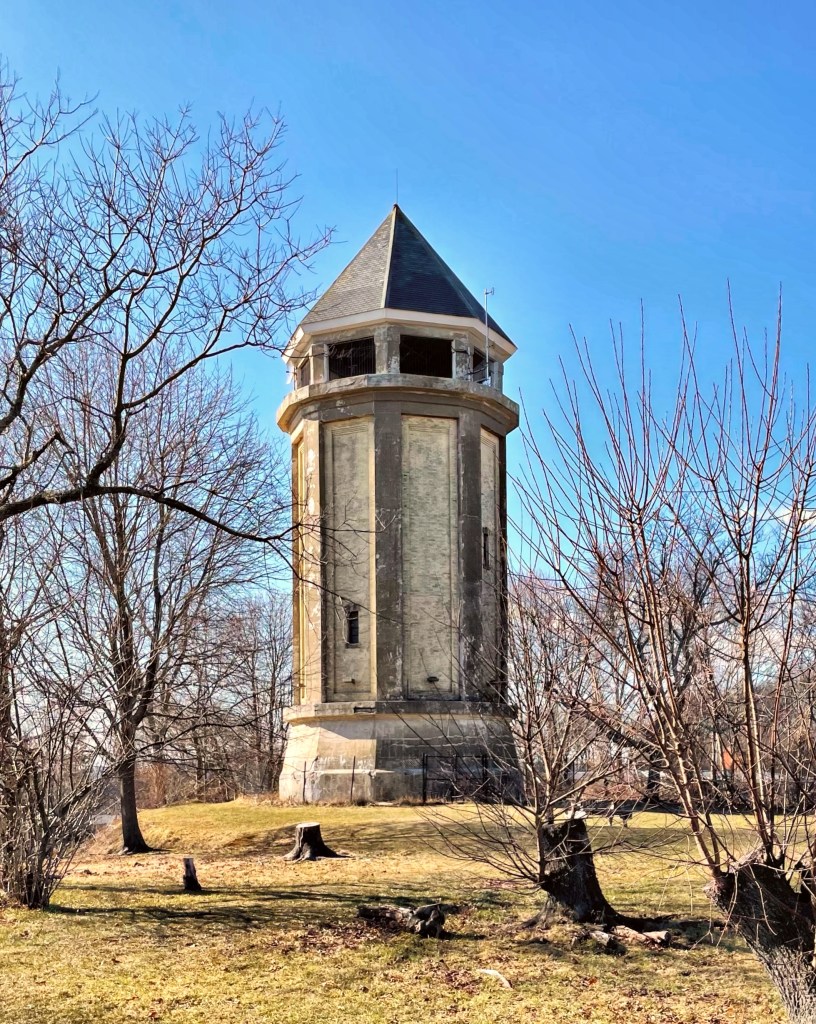
Fort Revere Tower // 1903

The Town of Hull, Massachusetts was first settled in 1622 and officially incorporated in 1644, when it was named for Kingston upon Hull, England. The town juts out into the Boston Harbor, which historically had provided as a defense for approaching vessels into the harbor. As early as 1673, Telegraph Hill in Hull, was used as the highest point in the Boston harbor area from which signals could be sent warning the approach of vessels. The site was first used as a fort in 1776 to defend the port of Boston. Fort Independence was built on top of the hill in 1776-1777, to be succeeded by the much larger Fort Revere in 1903 (see next post). The first telegraph tower was built on the hill in 1827. Several other telegraph stations later occupied the site until 1938, when radio communications made the site obsolete. Though little of the original Revolutionary-era fort remains, the fort which began construction at the turn of the 20th century lasts as a stunning reminder to the importance of coastal defenses, high atop hills. At the highest point of Telegraph Hill this water tower which rises 120 feet off the ground was built in 1903 for the new Fort Revere as the first reinforced concrete water tower in the United States. At the top of the tower, an observation deck (now closed) was also used to send messages to other harbor defenses. The tower was restored in 1975 was designated an American Water Landmark in 2003. It was periodically open to the public until mid-2012 when it was closed due to safety concerns.