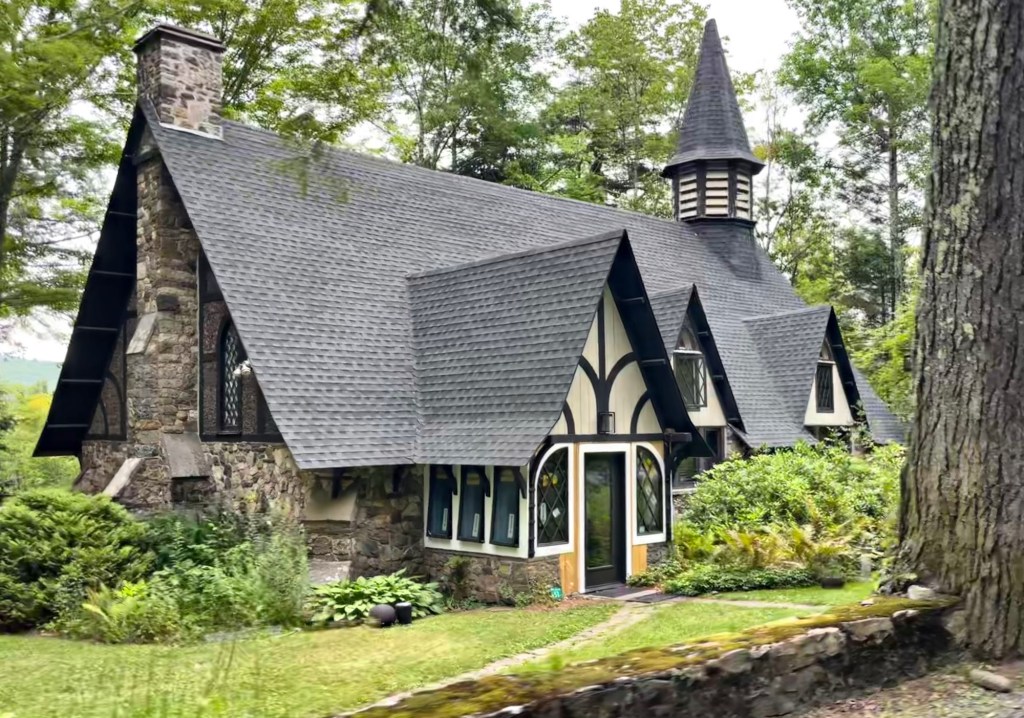
Union Chapel, Twilight Park // 1897

The Union Chapel in the summer colony of Twilight Park in the Catskill Mountains of New York, is one of the finest late Victorian chapels in the region. The edifice was built in 1897, a year following the erection of the All Angels Episcopal Church, in Twilight Park, and was designed to complement the rustic character of the surrounding cottages. The chapel was built as a non-denominational, or Union church, for summer residents of the colony who preferred an alternative to Episcopal sermons down the dirt road. The church was designed by Alice Hands, of the New York firm Gannon & Hands, the first all-female architectural firm in the United States. The chapel was eventually closed in 1970 and converted to a private residence, with some stained glass windows donated to the Episcopal Church in Twilight Park.
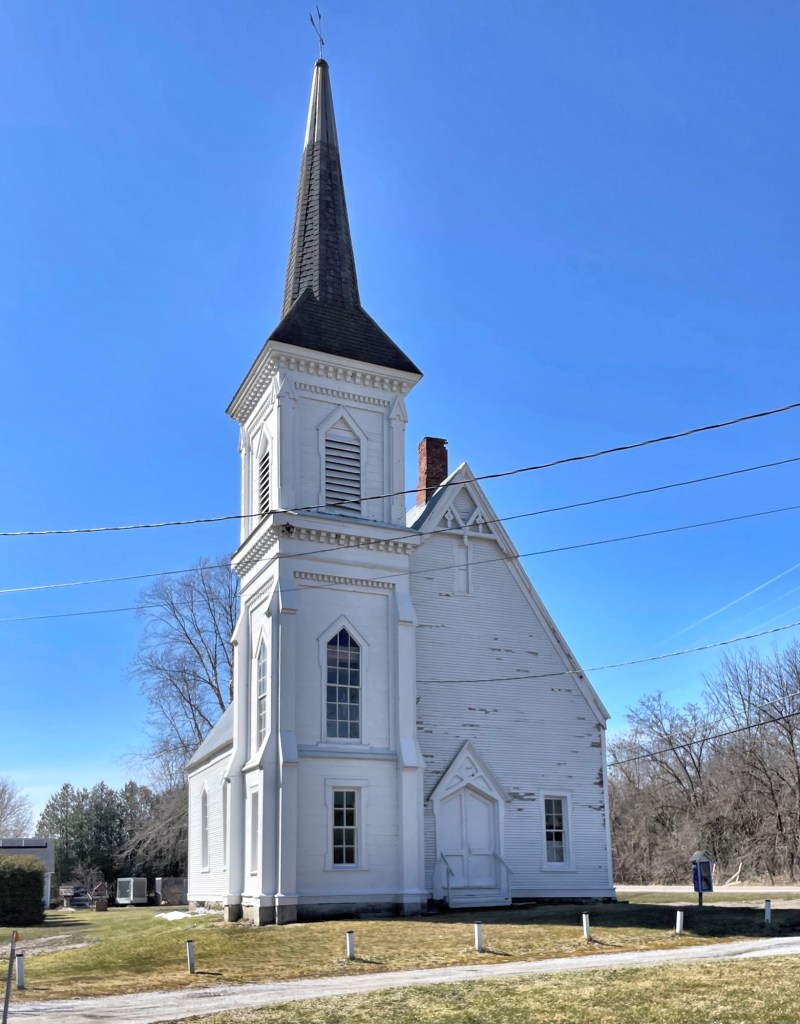
Highgate Springs Union Church // 1877

Rural parts of Vermont always surprises me with amazing old buildings. This white wood-frame church is known as the Highgate Springs Union Church, an 1877 edifice which effortlessly blends Victorian Gothic and Stick style details. The building became the village’s union church, providing a worship space for members of all denominations who on their own, could not afford the cost of building and maintaining a building. The small congregations eventually moved out and the church appears to now be largely unused beyond small events or weddings/funerals. I am glad to see it is kept up well at least!

Union Chapel // 1870

One of the most unique buildings I have ever seen is the Union Chapel in Oak Bluffs on Martha’s Vineyard. The chapel, built in 1870 in the American Stick Style, is in the form of an Octagon, very unique for churches. Built as an inter-denominational house of worship, it is significant as the first non-sectarian religious building to be erected in a community that until 1870, was noted primarily for its strong association with the Methodist Church and its summer camp meeting (Wesleyan Grove) assemblies. The Chapel offered islanders and seasonal visitors regardless of religious affiliation
not only an opportunity to worship but a gathering place for cultural activities. According to historic images, the chapel once had more elaborate stick work and finials, since removed, likely due to storms and general maintenance concerns. The chapel was designed by island resident Samuel Freeman Pratt (1824-1920) who had no known architectural training besides working as a wood carver in Boston, yet his work is characterized as having a dynamic and festive style. Pratt’s other major contribution to Oak Bluffs’ architecture, the Sea View Hotel, was erected at the head of the wharf in 1872, but burned down in 1892.