Chestnut Hill Benevolent Association Buildings // 1918

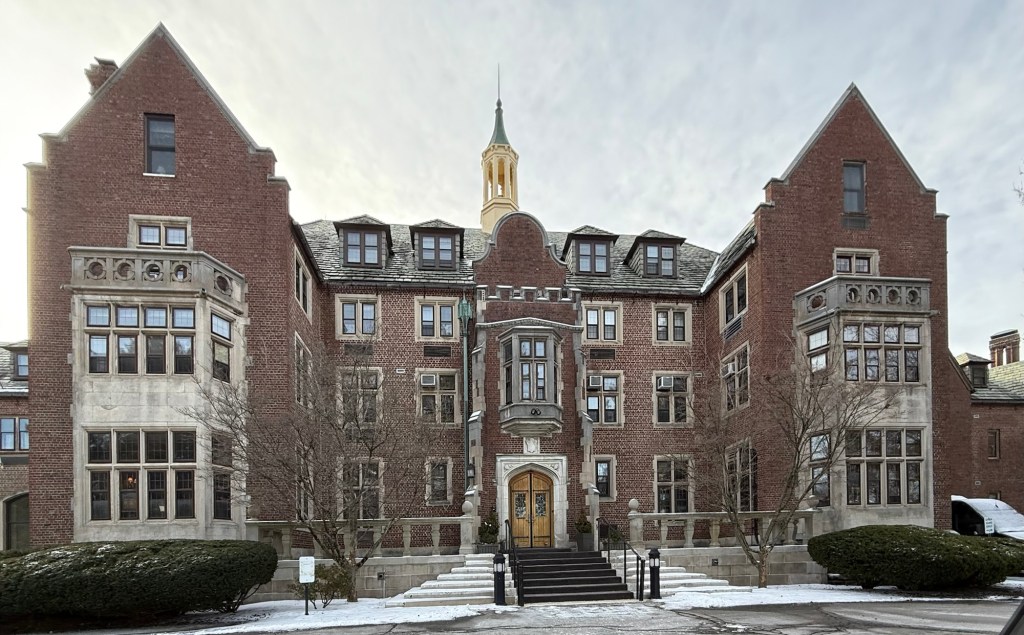
In 1915, Mary Longyear, a faithful follower of Mary Baker Eddy and the Christian Science faith, purchased the land from the Lyman Estate in Brookline, Massachusetts, and donated to the Christian Science Church. Planning began immediately to build a facility as a “temporary resort where those seeking relief through Christian Science may go to find practical assistance in overcoming their difficulties.” The need for a hospital/sanatorium was established by Mary Baker Eddy as early as 1906, and it would be over a decade before this need was filled. The complex was built in stages beginning in 1918 with this building, the main building, observation tower and a powerhouse designed by Clarence T. McFarland. The buildings were designed in the Tudor Revival style, blending in with the many country estates in this section of Brookline. The complex would train nurses and treat patients for over 100 years and remains an important institution into the 21st century.

Pastan Houses // 1936 & 1963

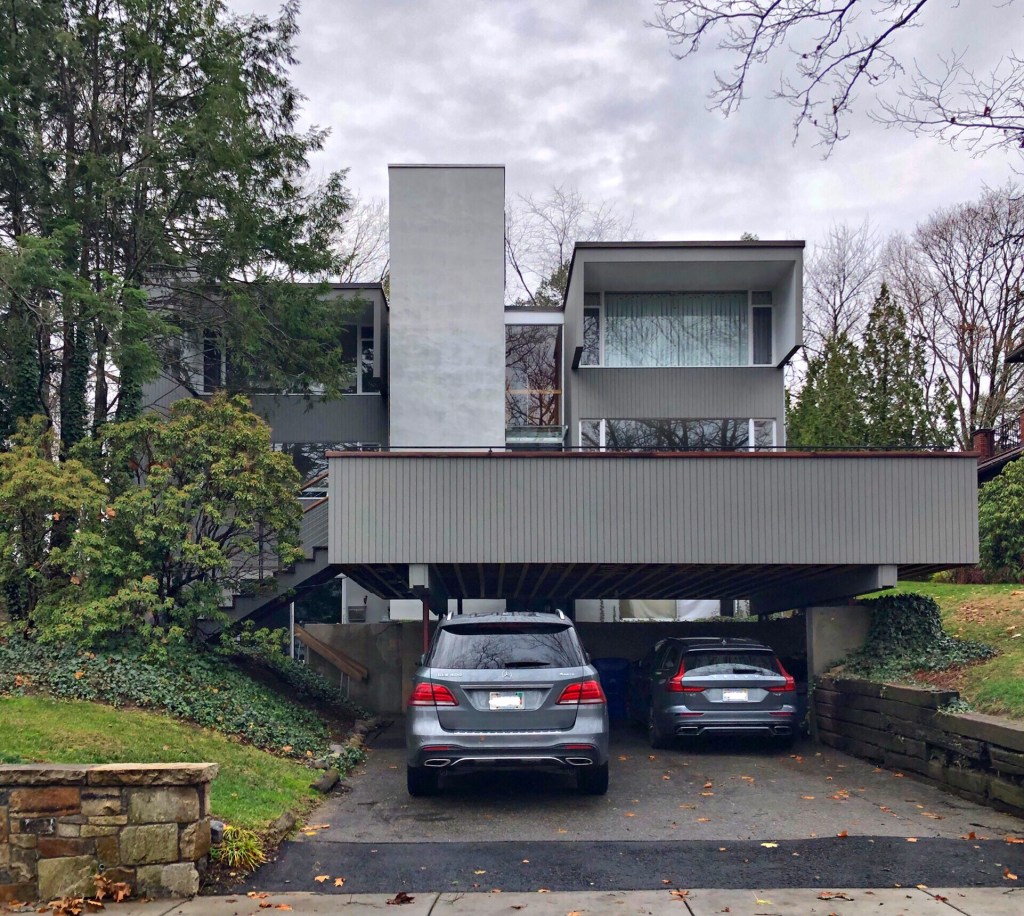
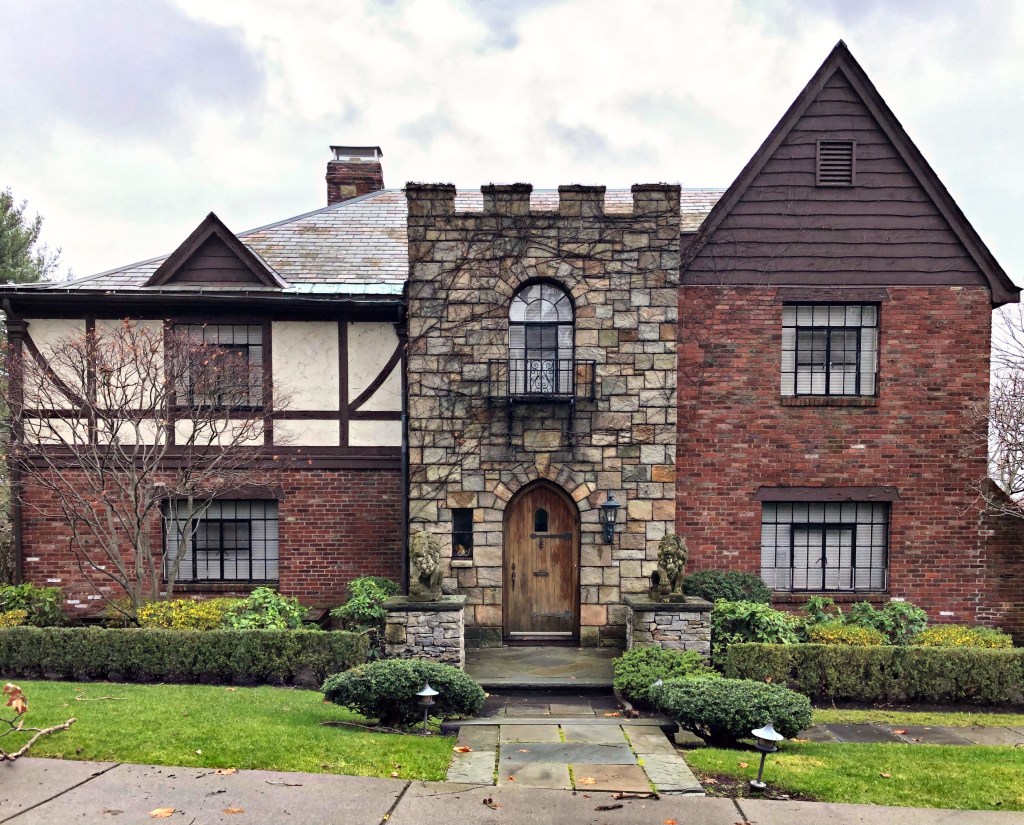
Located across the street from each other in Brookline, the Pastan Houses are an excellent example of how architectural tastes can change from one generation to another. The William Pastan House was constructed in 1936, and is Tudor Revival in style. The home has a projecting square entry tower with castellated roofline and interesting mixture of materials and textures. The first owner, William Pastan raised his family in the home, attending the synagogue a couple blocks away. By 1963, Pastan’s son, Harvey became a successful engineer and built a home near his parents for his own family, though in a very different aesthetic. The Modern home features boxy forms, prominent covered parking spaces, and expanses of glass.

Which house would you prefer, William’s (1936) or Harvey’s (1963)?

Glacy House // 1930

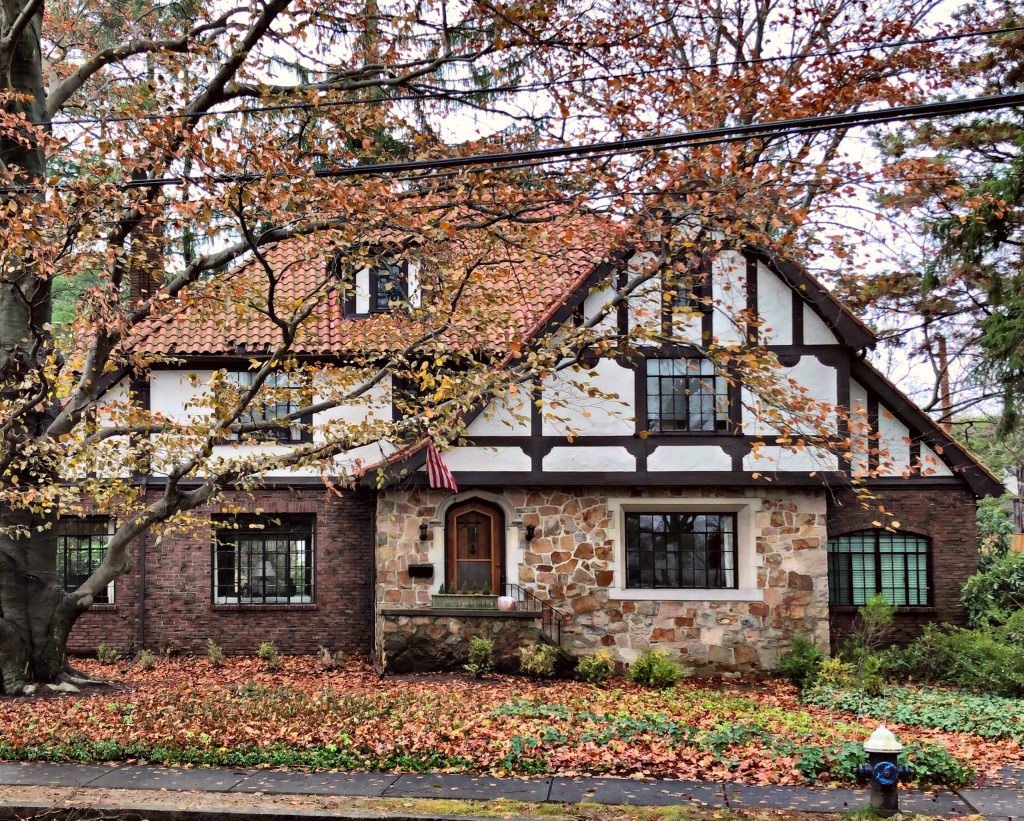
Residential architecture of the early decades of the 20th century is among my favorites as the Tudor Revival movement took off and was sometimes mixed with other revival styles at the time, creating really unique homes. The Glacy House in South Brookline, MA was built in 1930 as one of the earlier homes in the Walnut Hill development. It was likely designed and built by Walter L. Fernandez, a contractor who appears to have design-built a handful of spec homes to help get the neighborhood’s development going in the early stages. This home was originally occupied by George and Mary Glacy. George later worked as Vice President of the Boston & Maine Railroad, though he later got into legal trouble for hiring companies for railroad projects where he had financial interests, becoming indicted in an antitrust case by a Federal grand jury. The home features a first floor constructed of stone and brick with half-timbering on the floor above. The building is topped by a terracotta red tile roof, which is fairly uncommon for the region.