New England Fireproof Construction Co. Apartments // 1917

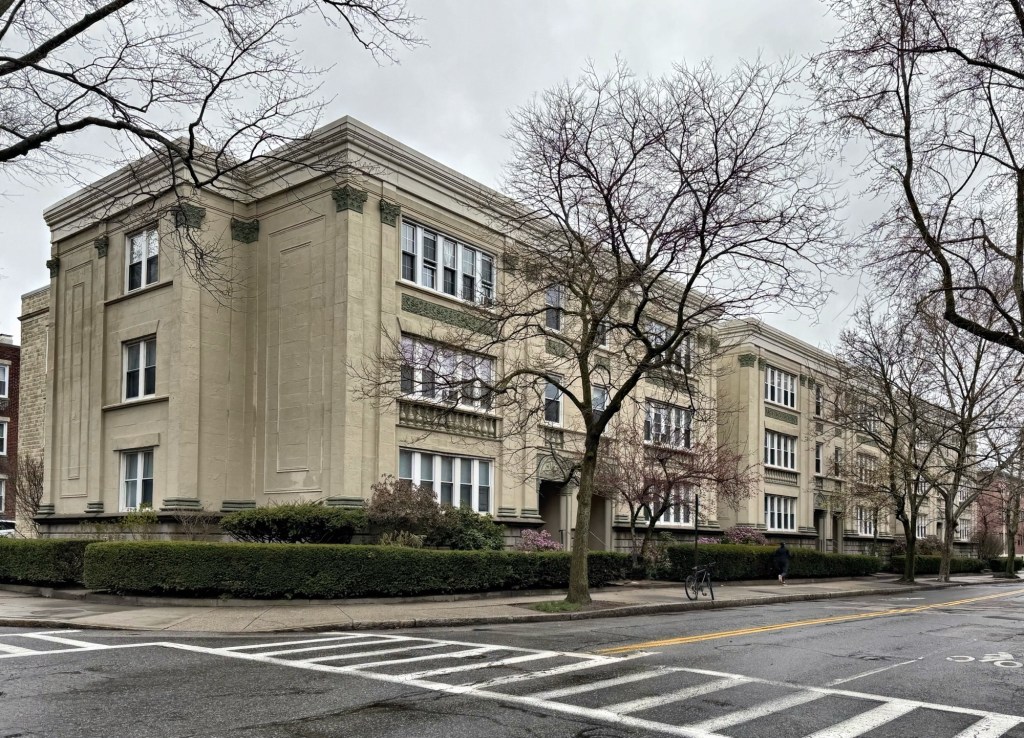
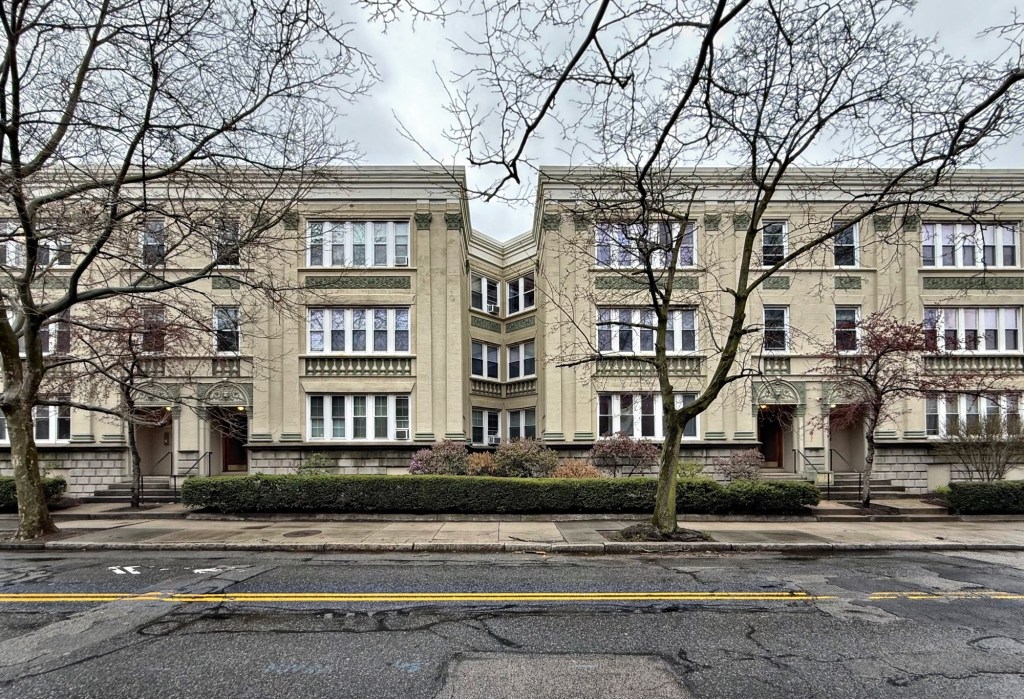
One of the most unique and architecturally pleasing buildings in Brookline has to be these apartments on Egmont and St. Paul streets that break the mold of traditional brick or wood-frame apartment houses. Built in 1917 by the New England Fireproof Construction Company as an example of how cheaper cement material can be used effectively and beautifully to design and construct high-quality housing. The company hired architect G. Bertram Washburn to design the buildings which utilize concrete block and cast concrete details with the facades embellished with pilasters capped with Corinthian capitals, engaged balusters, and modillioned and corniced entrances decorated with a lion’s head over each doorway. Additionally, a special touch is the recessed wells in the facade which not only break up the massing of the building, but provide additional light and air into the apartments inside. 

Cote Block // c.1910

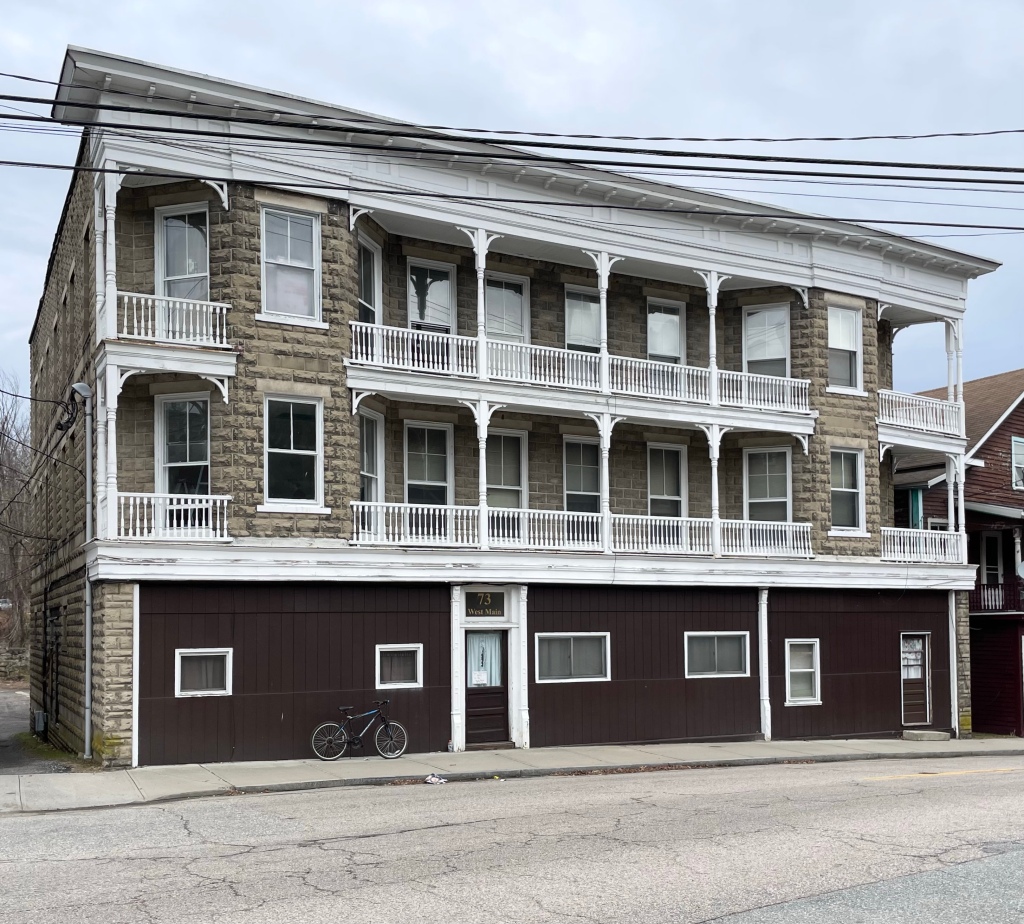
The population of Sprague, Connecticut nearly doubled between 1900 and 1910 from 1,300 to 2,500. As a result, the town needed a new town hall and commercial buildings to service the new residents. A member of the Cote Family in Sprague took this as a good opportunity to erect this three-story mixed-use building on Main Street, renting out space for retail, a confectioner, and a clubhouse with residences above. The building is constructed of concrete block, a building material that surged in popularity after concrete block machines allowed these blocks to be manufactured quickly off molds of uniform style and dimension. The building also features inset center and corner porches off the street and a projecting cornice. The storefronts have since been enclosed, but the building remains one of the finest in town (even with its original windows!)

Fort Revere Tower // 1903

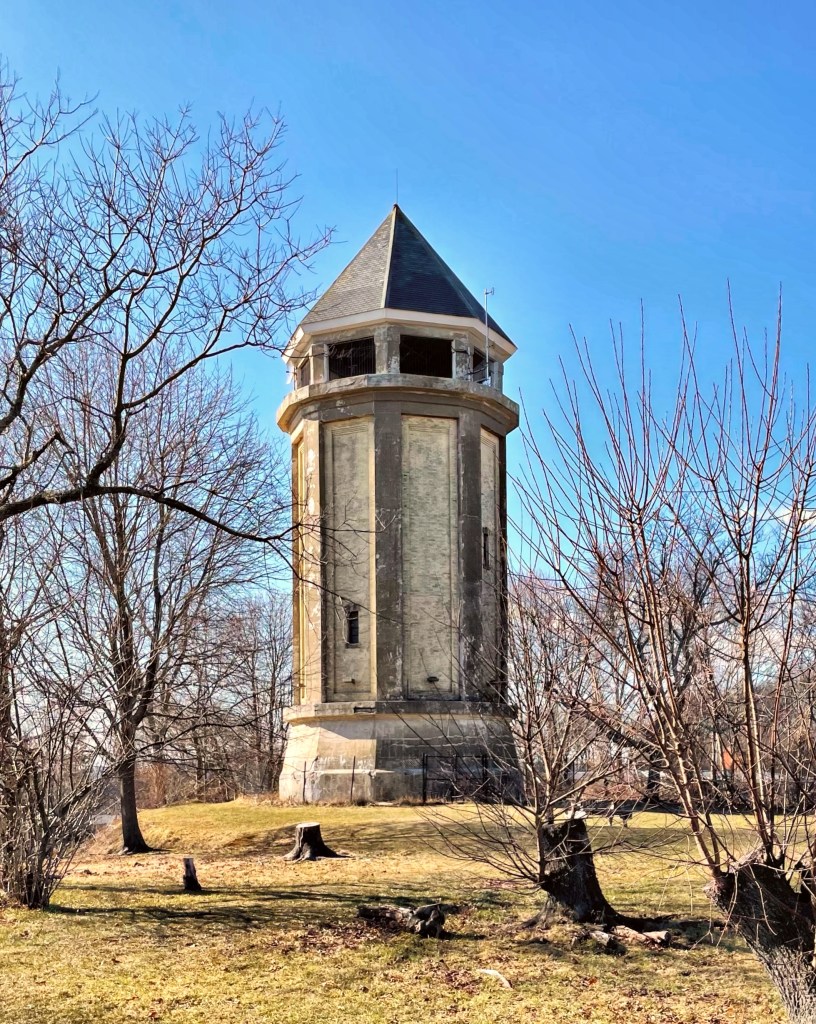
The Town of Hull, Massachusetts was first settled in 1622 and officially incorporated in 1644, when it was named for Kingston upon Hull, England. The town juts out into the Boston Harbor, which historically had provided as a defense for approaching vessels into the harbor. As early as 1673, Telegraph Hill in Hull, was used as the highest point in the Boston harbor area from which signals could be sent warning the approach of vessels. The site was first used as a fort in 1776 to defend the port of Boston. Fort Independence was built on top of the hill in 1776-1777, to be succeeded by the much larger Fort Revere in 1903 (see next post). The first telegraph tower was built on the hill in 1827. Several other telegraph stations later occupied the site until 1938, when radio communications made the site obsolete. Though little of the original Revolutionary-era fort remains, the fort which began construction at the turn of the 20th century lasts as a stunning reminder to the importance of coastal defenses, high atop hills. At the highest point of Telegraph Hill this water tower which rises 120 feet off the ground was built in 1903 for the new Fort Revere as the first reinforced concrete water tower in the United States. At the top of the tower, an observation deck (now closed) was also used to send messages to other harbor defenses. The tower was restored in 1975 was designated an American Water Landmark in 2003. It was periodically open to the public until mid-2012 when it was closed due to safety concerns.