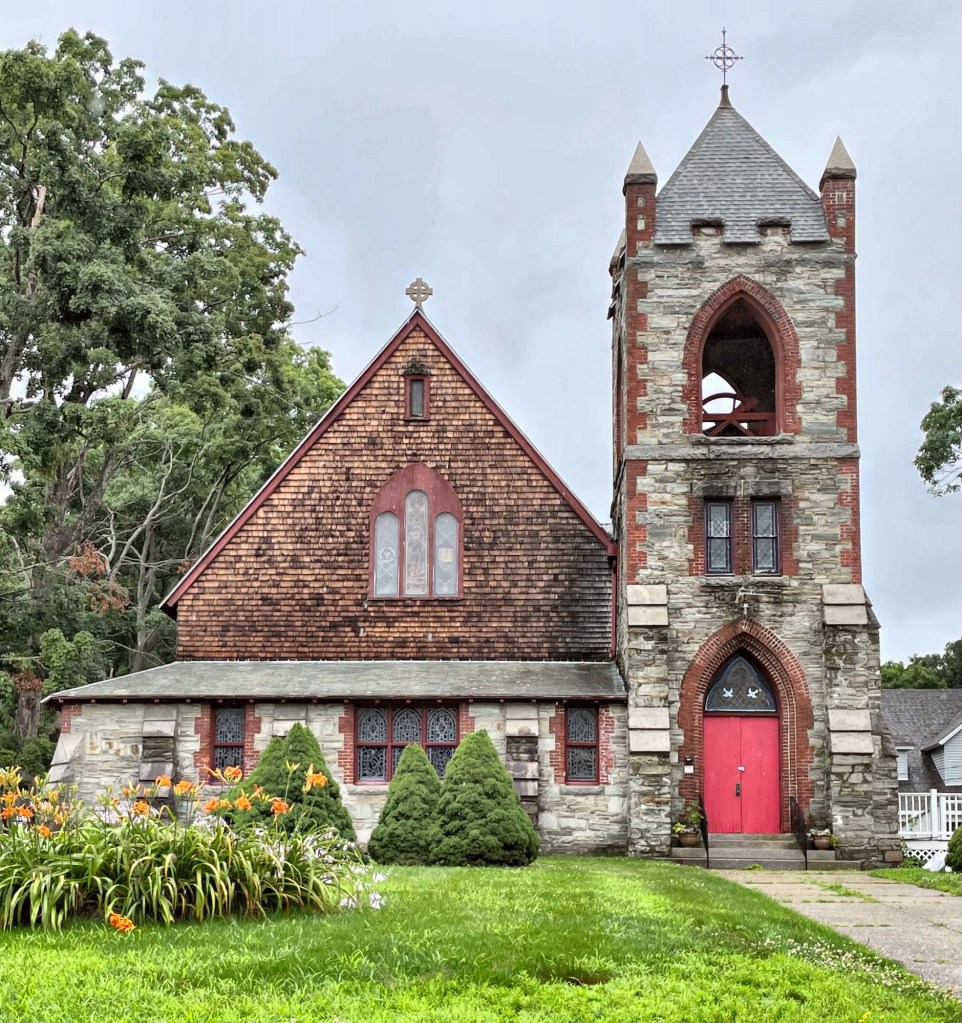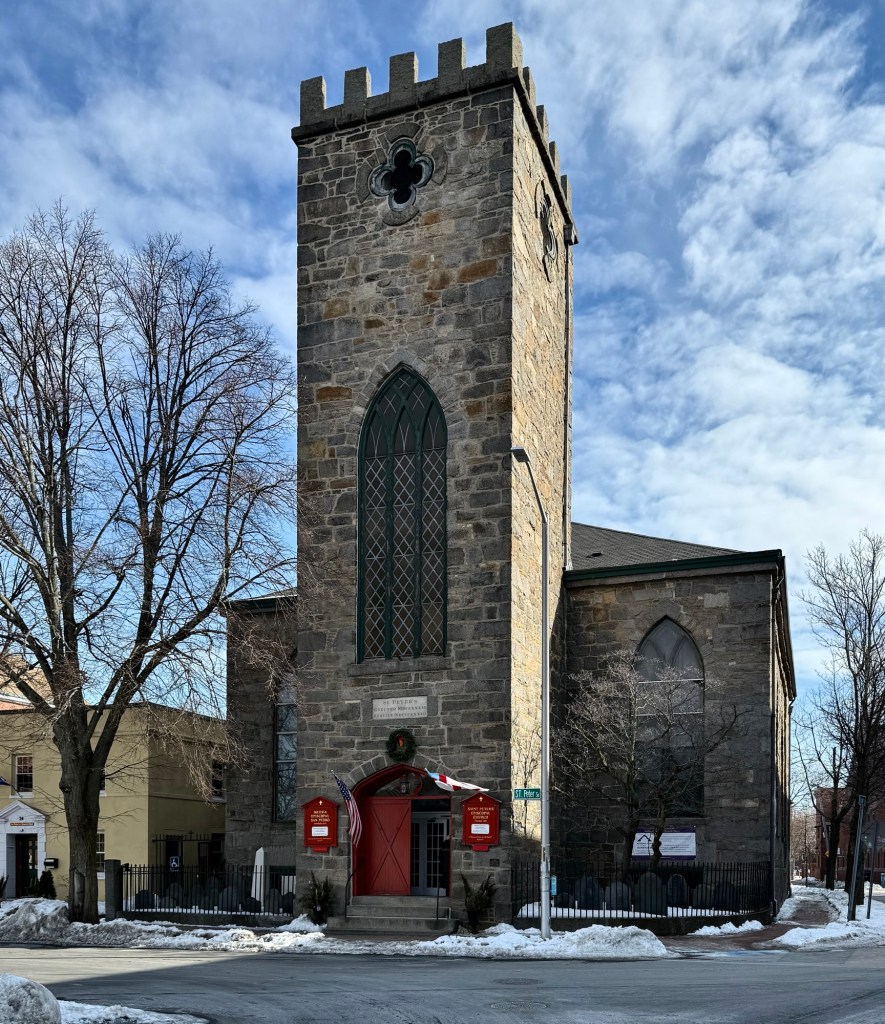
St. Alban’s Episcopal Church // 1891

Tucked away off Broad Street in the Danielson village of Killingly, Connecticut, you will find this charming and eclectic church building, long-occupied by the St. Alban´s Episcopal Church. Episcopalians began congregating in the town in the 1860s, and it would be in 1865, when an old academy building on this site was acquired and converted for use as an Episcopal church. By 1891, the relative prosperity of members of the church made it so a new church building was to be built on the site. Worcester-based architect Stephen C. Earle was hired to furnish plans for the new edifice which is eclectic with Victorian Gothic and Shingle style elements. The congregation appears to have either disbanded or merged with a nearby church as the building does not appear to be occupied. 

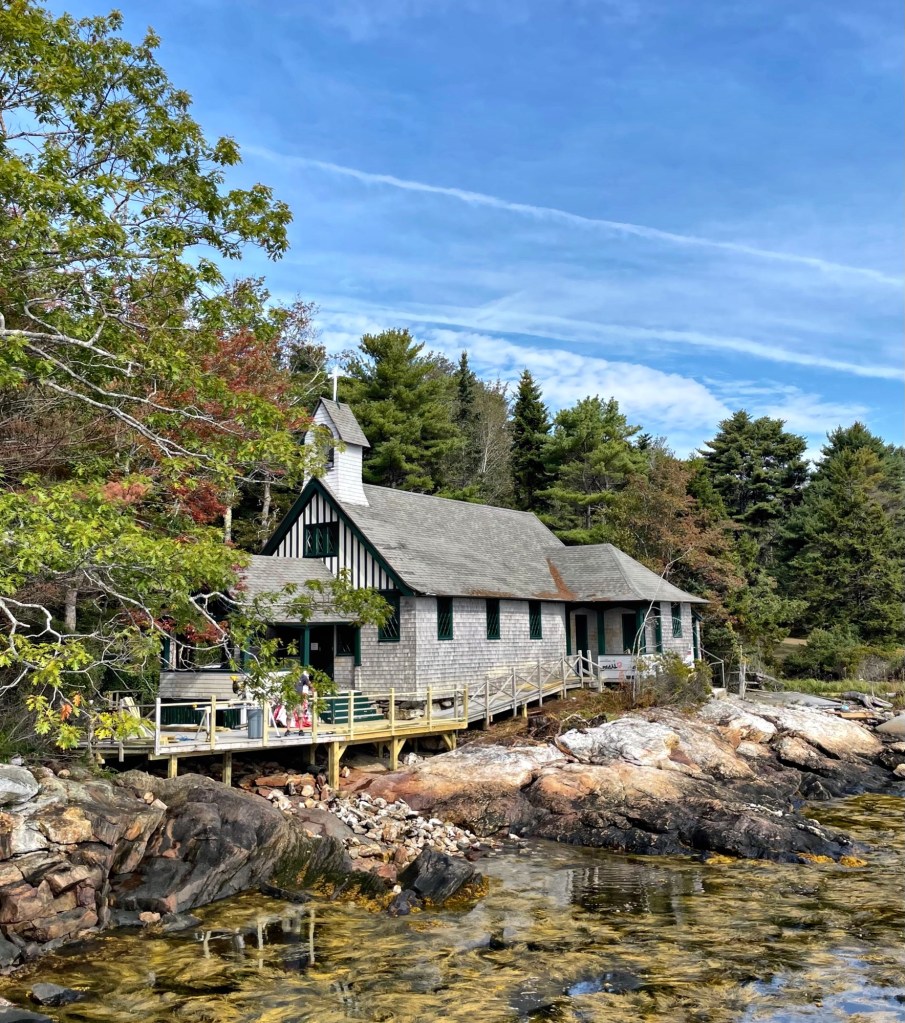
St. Christopher’s-by-the-Sea Episcopal Church // 1892

In 1891, a proposal was made to build a summer Episcopal chapel, to be known as St. Christopher’s by the Sea, on Grindstone Neck in Winter Harbor, Maine. This project was supported by local area residents and by the summer community on Grindstone Neck. The construction of the church started in 1892, but it was not until August 6, 1893 that the first service was held in the chapel. The Rev. Julius Atwood, rector of St. James’ Church in Providence, Rhode Island, officiated and preached the first sermon. The church was designed by Lindley Johnson, a Philadelphia-based architect who also summered in a cottage on Grindstone Neck and designed other cottages in the colony. The Shingle style chapel is architecturally unique and rustic, a quality which is also visible at the interior, which is rustic in appearance with exposed beams and shingled walls.

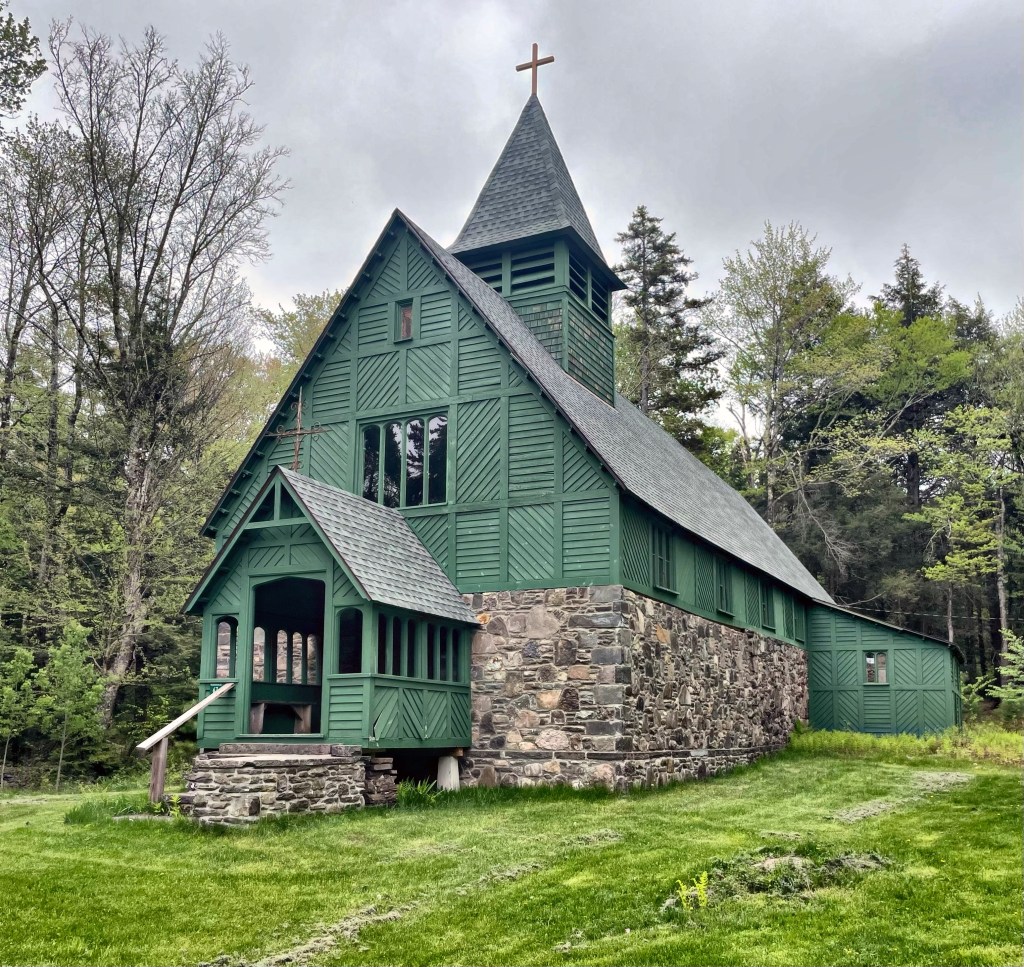
St. John the Evangelist Church // 1885

One of the most bucolic and beautiful buildings I have ever seen is this church in the Catskills, just outside of Elka Park, NY. Wow I wish New England could claim this one! The St. John the Evangelist Chapel was developed as part of a smaller enclave of summer cottages for rusticators from the Philadelphia-area, which was largely established by Mr. Alexander Hemsley (1834-1904) a chemist from Philadelphia who would later die from anaccidental chemical explosion at his factory. In 1883, Hemsley sold cottage lots to friends and family to erect summer houses in the Catskills and in 1884, decided to develop a lot for an Episcopal summer chapel. In that same year, Hemsley hired his future son-in-law, William Halsey Wood, to design the chapel. The Stick-style Victorian chapel blends the rustic use of natural materials found on the property with an elegant siting and attention to detail, not typically found in rural chapels. The native stone and stylized half-timbering really stood out to me. The church is used still in the summer with regular services on Sundays in July and August.