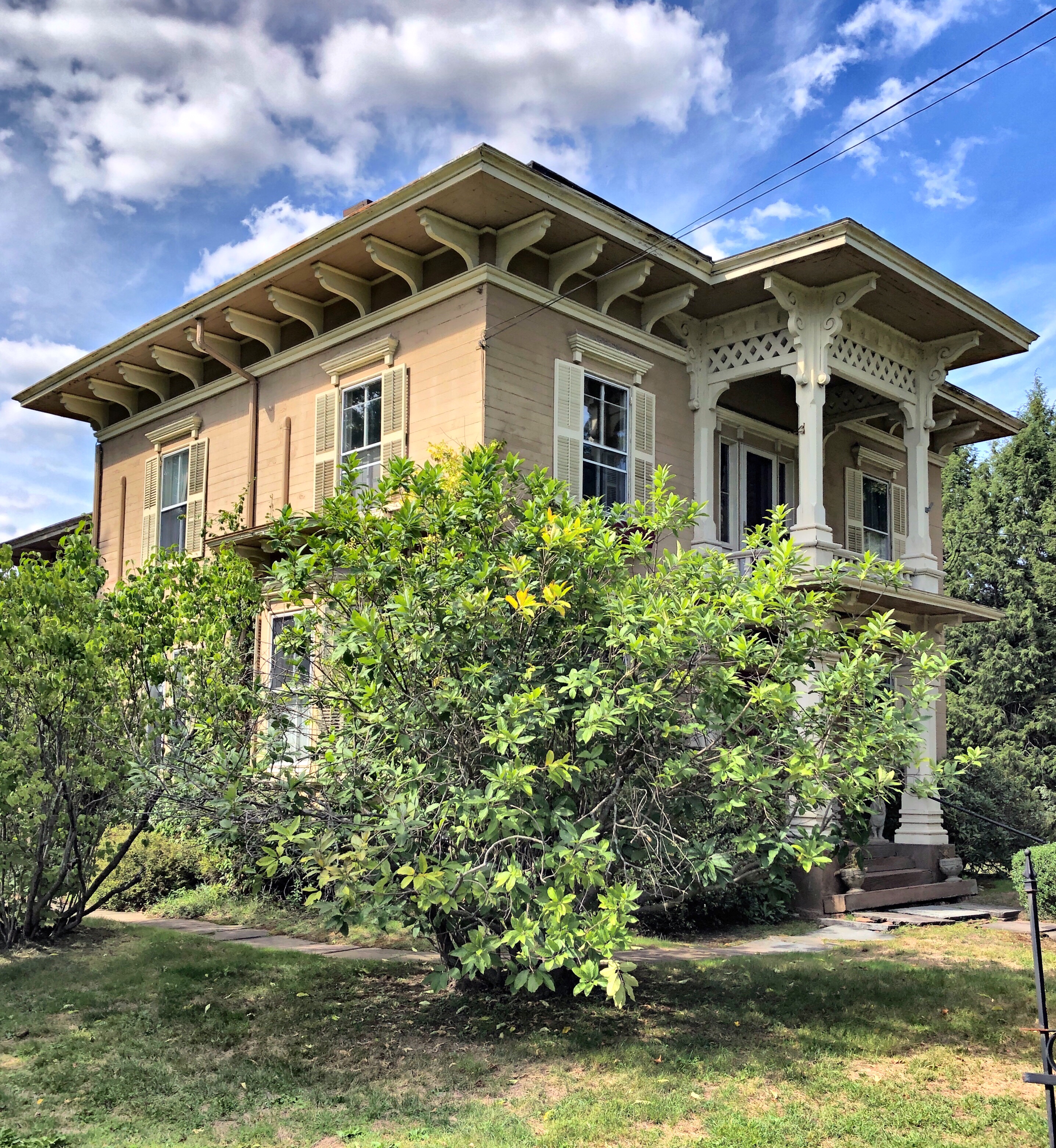
Bryon Loomis House // c.1850

This Italianate mansion was built around 1850 for Byron Loomis (1831-1896) possibly as a gift from his father Neland. Neland Loomis was the brother of John Loomis, and was part of the wealthy tobacco farming family who later packaged, rolled, and shipped tobacco from Suffield all over the country. The home is a large Italianate mansion is in the symmetrical form and covered with flush board siding. The low sloped roof with broad overhanging eaves is topped with a large belvedere. The home is somewhat difficult to photograph due to large bushes in front.
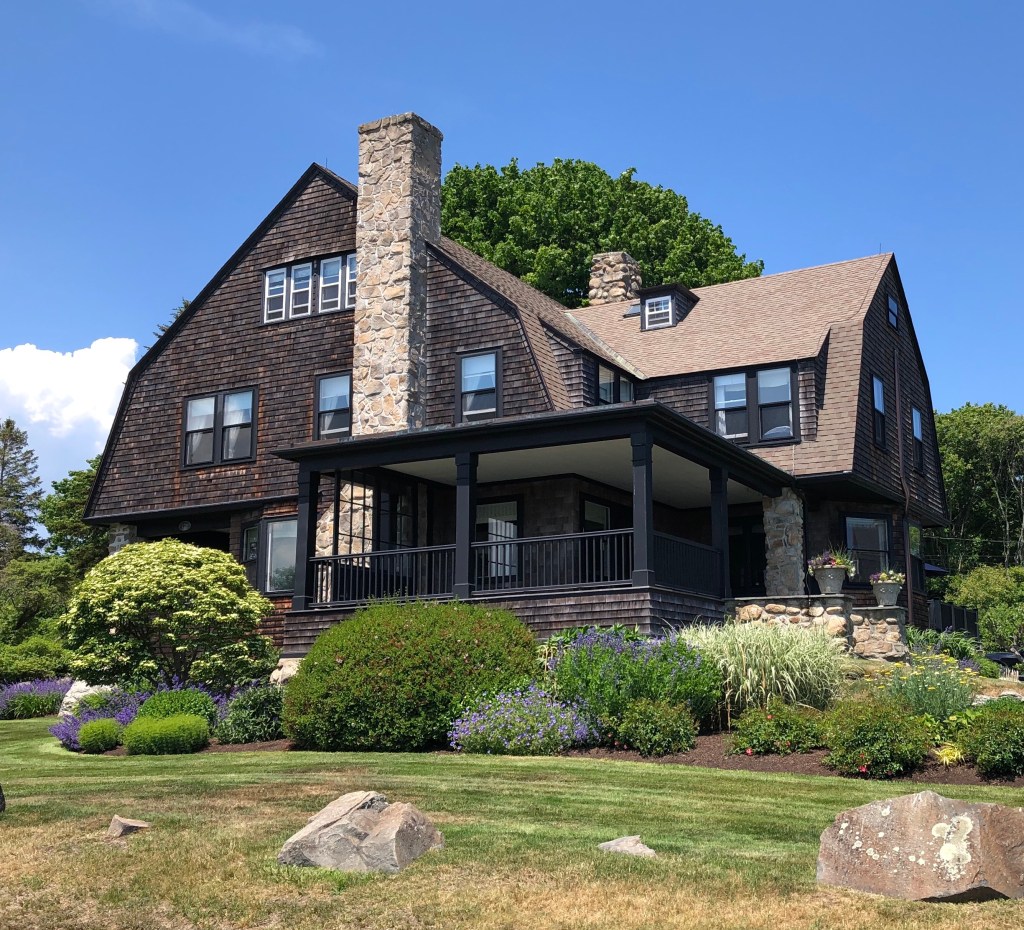
Inglesea Cottage // 1889

One of the larger Shingle style homes in Kennebunkport, Inglesea Cottage, was designed in 1889, possibly by Henry Paston Clark, who designed or worked on many homes and buildings in the summer colony. The original owner, Dr. George Frederick Brooks, a doctor based out of New York, who spent his childhood on the coast of Maine, and decided to spend his elderly summers there. By 1903, the home was purchased by Ms. Lucy Fay (1864-1937) of Fitchburg, MA, who hired Henry P. Clark, to add the cross gambrel addition to enlarge the home. Lucy Fay was the daughter of the the wealthy industrialist George Flagg Fay and his wife, Emily Upton, and upon their deaths, inherited their fortune (her sister died at just seven years old, making her an only child). The home remains in impeccable shape and is a head-turner everytime I drive down the coast.

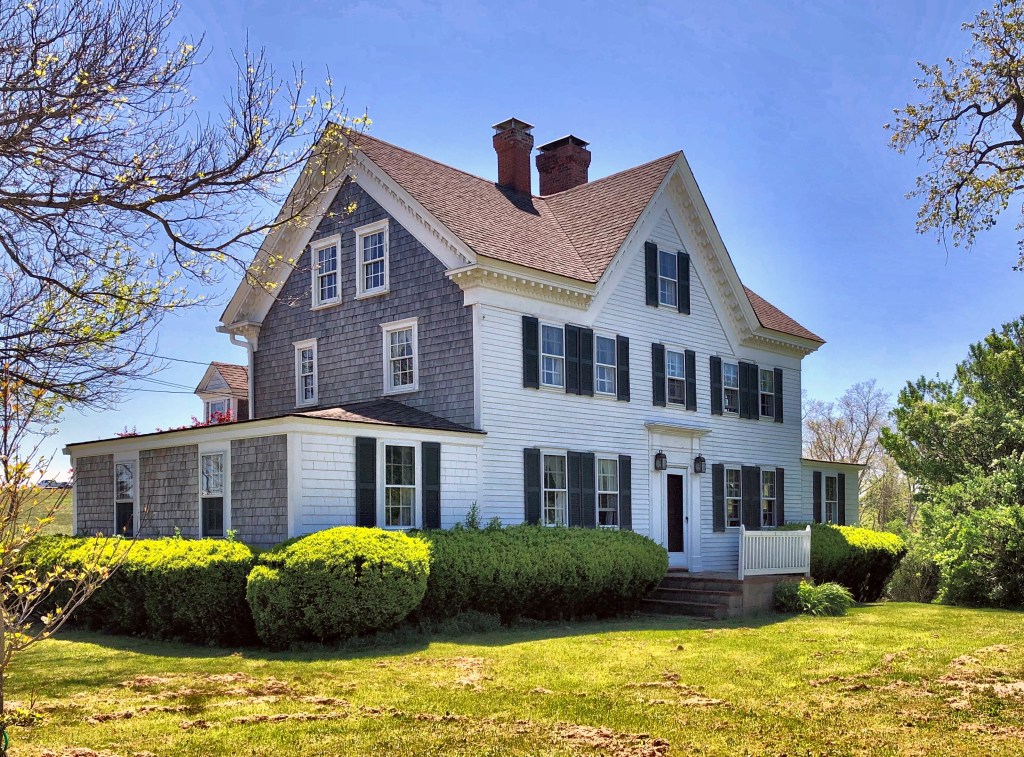
Knowles House // c.1820

Located just a stones throw from the Penniman House, the c. 1780 Knowles House stands at the historic end point of Fort Hill Road. Accounts differ on its history. Some sources explain the home was built in c.1790 by Seth Knowles (who died in 1787) a prominent citizen of Charlestown, Mass., and one of the original members of the Bunker Hill Monument Association and of its board of directors. From my research, the home appears to have been built for Thomas Knowles, Seth’s son, and was later willed to his son, also named Thomas. Thomas Knowles Jr., was born in 1803, in Eastham, and in early life settled at New Bedford, engaging in the whale fishery industry. Deed research would be required to find out more. The gorgeous Federal home features a large, center cross gable with dentils at the cornice.