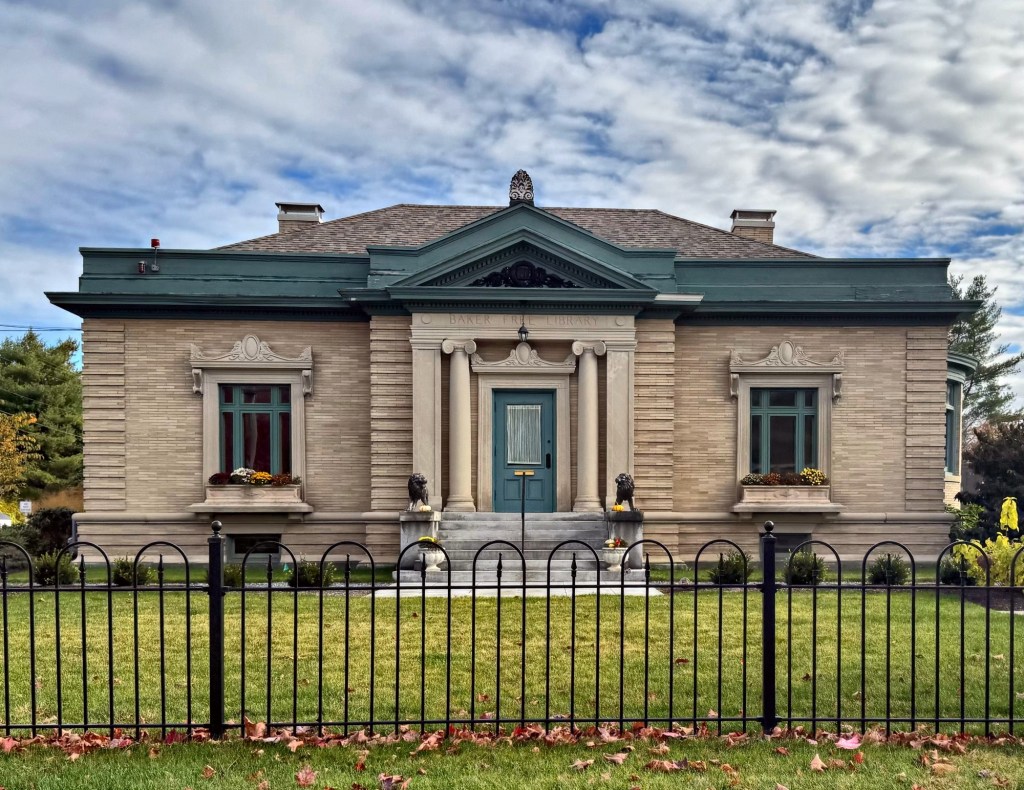
Baker Free Library // 1914

In 1912, Congressman Henry M. Baker, cousin of Mary Baker Eddy, the founder of the Church of Christ, Scientist, left in his will, $10,000 and the land next to his family home to the Town of Bow for the creation of a public library for his hometown. Architect, William McLean formerly of the firm, McLean and Wright, who specialized in library designs of the early 20th century, was selected to furnish plans for Bow’s new library, which employs a sort of Classical Revival/Beaux Arts design, similar to many Carnegie libraries of the time. As the town grew, the library has been expanded.
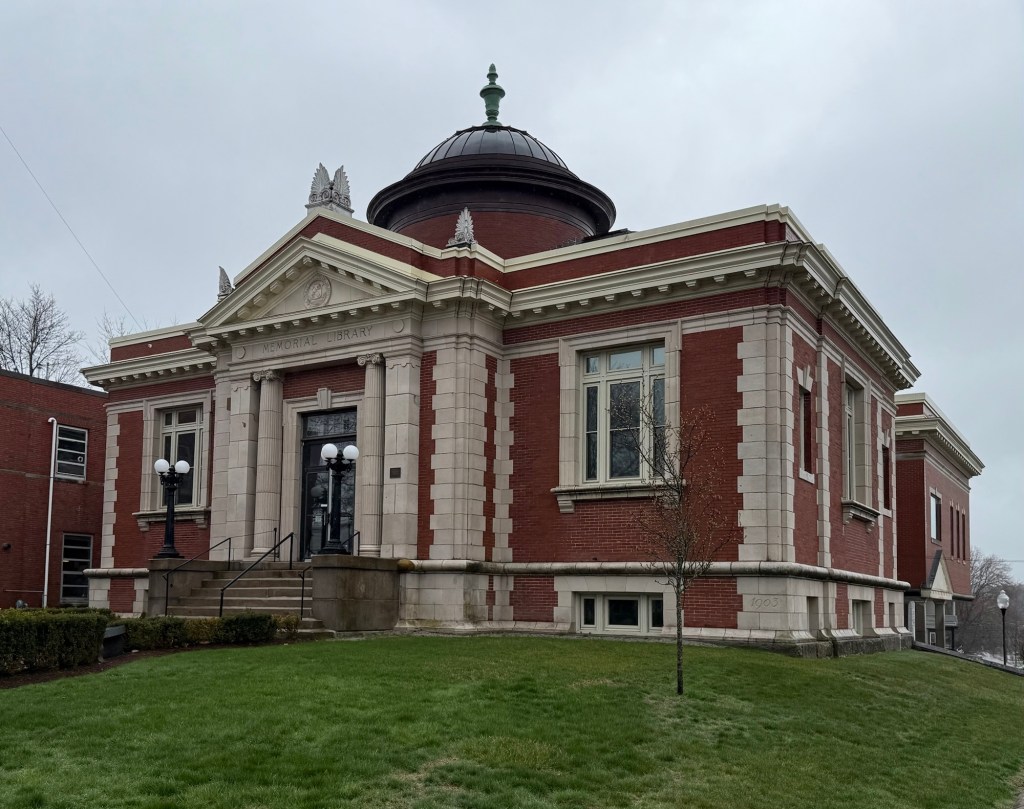
Rockland Memorial Library // 1903

The Rockland Memorial Library in Rockland, Massachusetts is one of the most architecturally and historically significant buildings in the town. The Classical Revival style library was built in 1903 and is the Town of Rockland’s first purpose-built library structure. When Rockland separated from adjacent Abington in 1874, much of the collection became housed in a commercial building, which was consumed by fire in 1890, taking much of the collections with it. Although funds were raised soon after the fire for a permanent home for the library, its construction was made possible by a grant of $12,500 from Andrew Carnegie in 1902, as part of his nationwide gift to cities and towns for libraries. The handsome structure is constructed of brick, granite, and terra cotta, and was designed by the Boston-based architectural firm of McLean & Wright. The most interesting features of the building include the rooftop dome containing skylights and capped by a finial and the projecting entrance with pediment, quoins, and engaged Ionic columns.

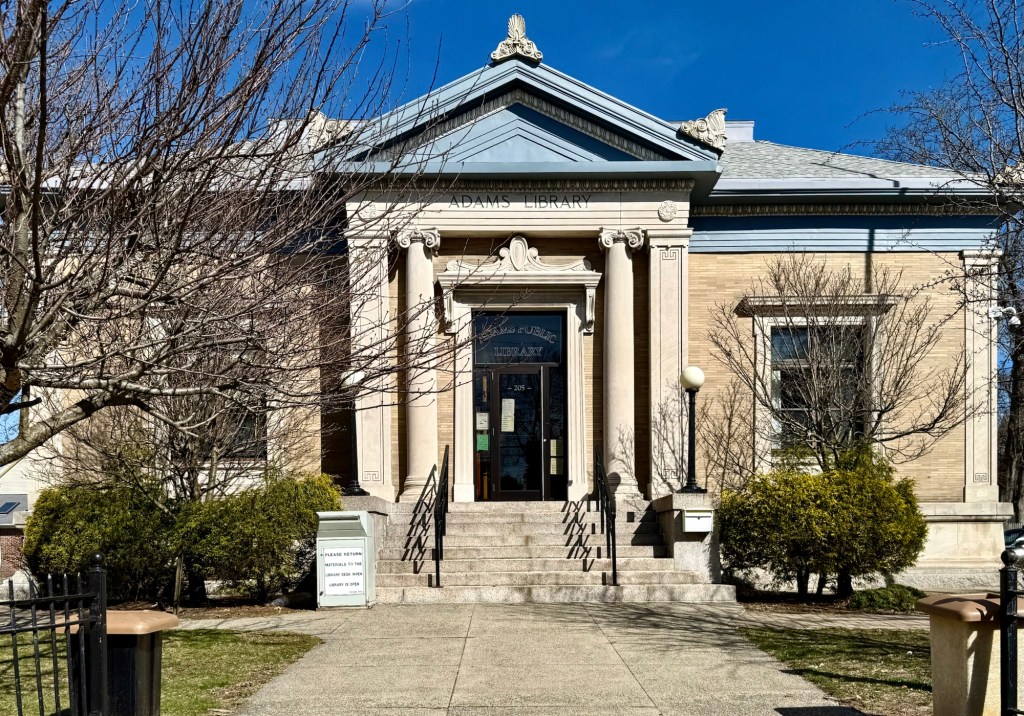
Adams Memorial Library, Central Falls // 1910

When Stephen L. Adams, a public-spirited citizen and a member of the school committee in Central Falls, Rhode Island, passed away in 1900, he left a bequest to provide for the erection and maintenance of a library building for his community. It would take years until a site in the center of town was acquired and contracts were written for designing and building the city’s first purpose-built library. Architect, William H. McLean of the firm McLean & Wright were hired to furnish plans, which is supposed to have been modified from a number of prototypes for small-town libraries supplied to set standards by the Carnegie Corporation in conjunction with its endowment of such facilities in cities and towns throughout the United States. While this is not a Carnegie Library, it does mimic many design elements found in similar libraries by the corporation. The Adams Library in Central Falls is Classical Revival in style and built of light brick with limestone trim with a symmetrical facade dominated by a columned, pedimented portico.

Gregg Free Library // 1907

The Wilton Public and Gregg Free Library is the public library for the town of Wilton, New Hampshire and is among the town’s most grand architectural designs. The library was the gift of David Almus Gregg (1841-1928), a native of Wilton who owned a successful building parts business in Nashua manufacturing doors, window blinds, and window sashes with his father, David Sr., who lived in the home featured previously. Gregg was significantly involved in the design and construction of the building, providing the highest quality building materials and contractors to the project, which was estimated to cost $100,000 when completed in 1907. The architectural firm of McLean and Wright was commissioned to design the building, who completed it in the Classical Revival style, like many of their other library designs in New England.