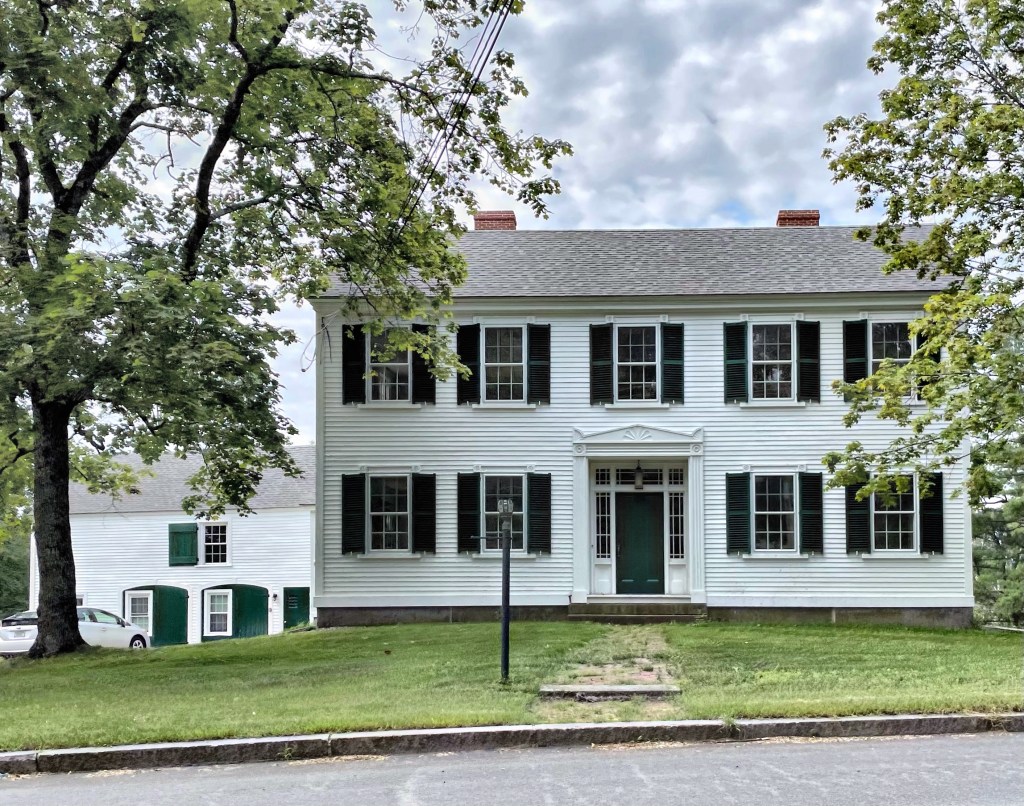
Captain Simpson House – Parsonage // 1840

In 1840, a recently married Andrew Lapish Simpson built this home for his new bride, Lydia Kelly. The house blends Federal and Greek Revival architectural styles and has a perfect door surround that stopped me in my tracks. The L-shaped home is attached to a barn which was originally an older home. Andrew was a sea captain who took months long excursions, leaving his wife to maintain the home on her own. He died in 1870, and was survived by his widow for 25 years. The family home was gifted to the local Congregational church in which she was an active member. It was occupied as the church’s parsonage until the 1950s. It was an office until a couple years ago and it is now a single-family home.
“Red Tower” // 1780 & 1895

One of the most interesting homes in Durham, NH, sits right on Main Street, and while lacks much of its original grandeur, the house still has a story to tell. When mining engineer, Hamilton Smith met and married Alice Congreve while working in London, the couple envisioned and planned for a sprawling gentleman’s farm in New England to retire to. In 1895, the couple purchased the 1780 Rev. Blydenburgh home on Main Street, a large Federal style mansion. When Alice and Hamilton retired to the Red Tower in 1895, they set about renovating the estate into a jewel of the Gilded Age. They added a three-story tower to the rear of the home, large additions and Colonial Revival alterations, and they purchased large land holdings behind the house for a working farm. On the farmland, they built a carriage house, creamery, and men’s and women’s accessory buildings (a billiards building and tea house, respectively). Hamilton could only enjoy the home for a couple years until his death in 1900. His widow created the family cemetery at the farthest extent of the property and built the stunning Smith Memorial Chapel (last post). In the 1940s, much of the property was sold off and developed for a residential neighborhood for UNH faculty, and the Red Tower mansion was converted to an apartment house for students.

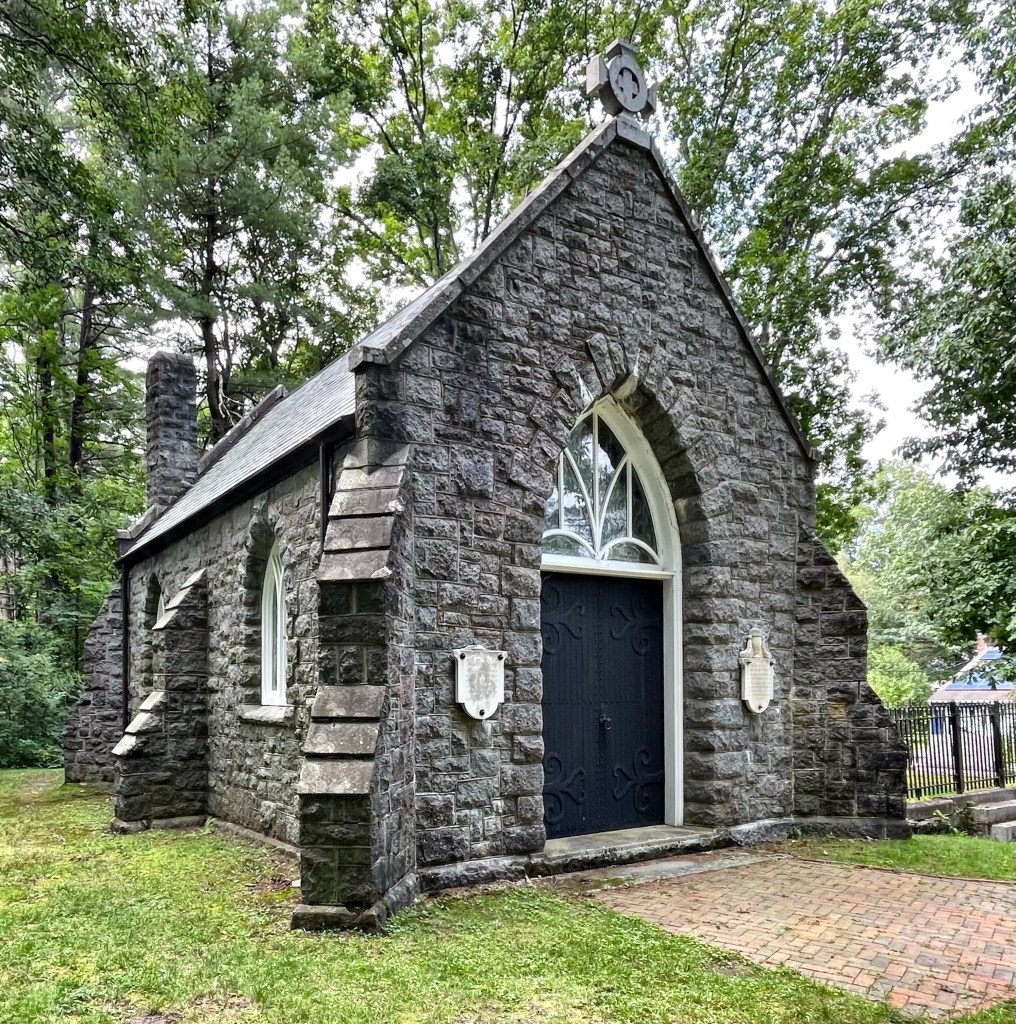
Smith Memorial Chapel // 1900

The Smith Memorial Chapel, located in Durham, NH, was built for and named after Hamilton Smith by his wife, Alice Congreve, in 1900. From their marriage in 1886, Hamilton and Alice Smith lived in England for ten years, where Hamilton worked and lived in mining operations in South Africa. He had a home in New York and by the end of 1895, Hamilton acquired property in Durham to create a country estate (next post). On the Fourth of July in 1900, Hamilton and a family friend went boating downriver on the Oyster River, in Durham along with his two dogs Hana and Joy. While attempting to free the boat after it ran aground, he suffered a fatal heart attack at just 59 years old. Almost immediately, his widow Alice funded a memorial chapel to her late husband on the family cemetery. The Gothic Revival chapel features amazing lancet stained glass windows and stone buttresses resembling old English chapels. Also on the grounds of the cemetery are the burials of Mr. and Mrs. Smith and their beloved dogs, marked by small gravestones. The property, including the small cemetery in which both family members and pets are interred, remained in the family until 1979, when it was donated to the town.

Ballard-Hoitt House // 1790

In 1790, Joshua Ballard built this house on a prominent triangular lot on the turnpike connecting New Hampshire’s largest city at the time (Portsmouth) with the future Capital (Concord). The main door is flanked by fluted pilasters and surmounted by a pediment with dentils and strong proportions. The old tavern was purchased in the late 1800s by Charles A. Hoitt, a granger and selectman in town. As with many old homes on Main Street in town, the house was converted to apartments with a small commercial space at the ground floor.

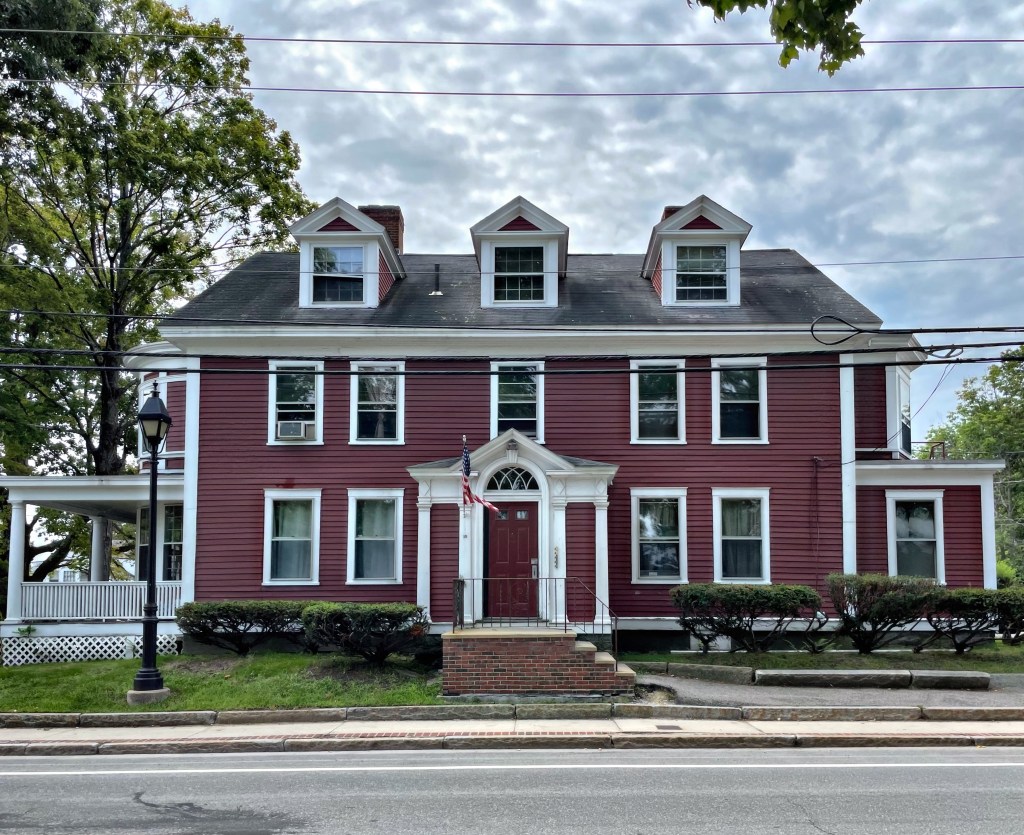
Captain Richardson Tavern // c.1785

The Richardson Tavern on Main Street in Durham, NH, was built shortly after the conclusion of the Revolutionary War by Captain Joseph Richardson (1756-1824). The tavern was sited on a rise, providing views of Mill Pond in the distance. The tavern provided meeting spaces for town officials and juries to meet and discuss important city matters before the construction of the first purpose-built town hall just a block away. The Federal style tavern was “modernized” in the early 20th century with Colonial Revival dormers and eventually was converted into apartments as the ever-growing University of New Hampshire brought more students into town.

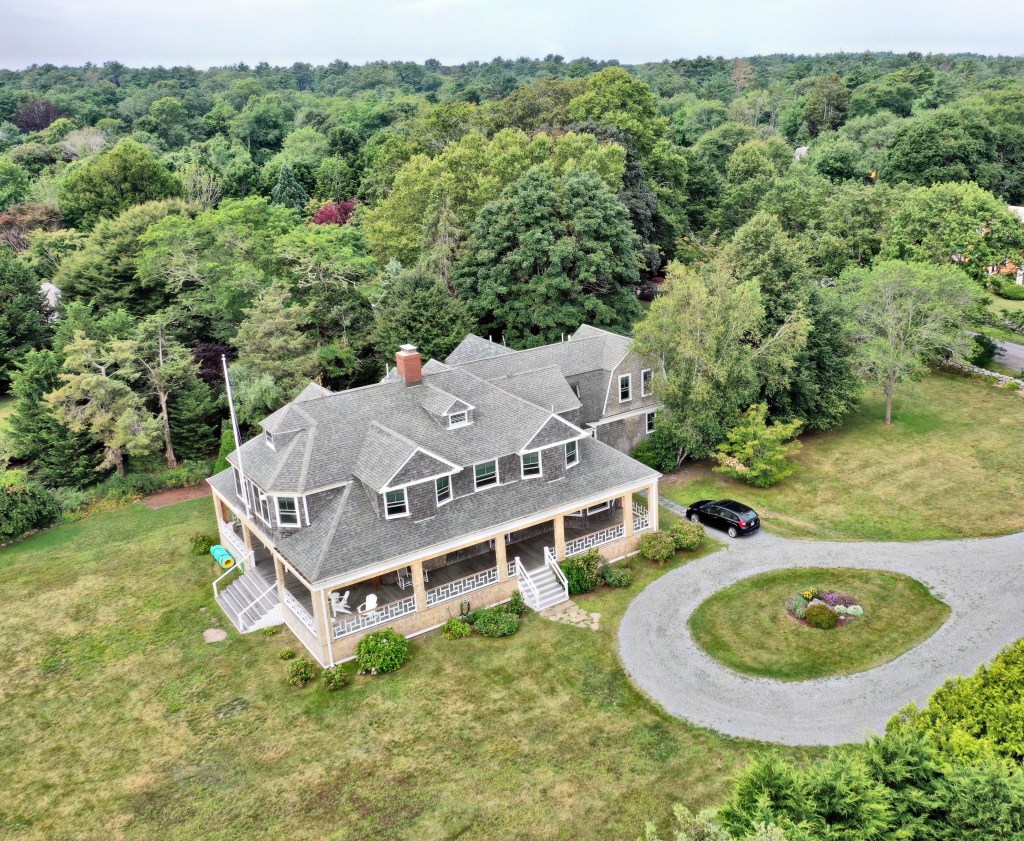
President Grover Cleveland Summer Home // c.1886

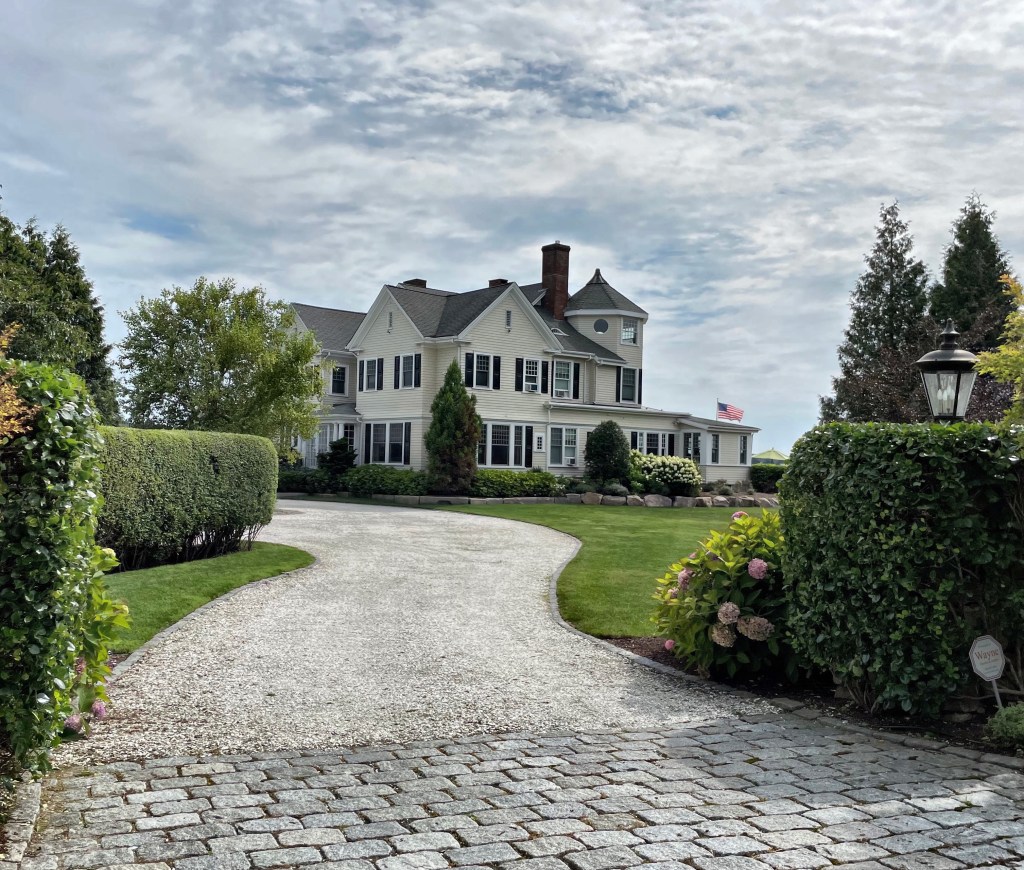
My favorite home in Marion, Massachusetts is this summer cottage on Water Street, overlooking Sippican Harbor. The home is said to have been built from a c.1840s house and enlarged by Reed as a summer home in the fashionable Shingle style. H. R. Reed, an agent for the Revere Sugar Refinery in Boston was well-connected in town and hosted President Grover Cleveland with Rev. Percy Browne ( a summer resident) at his cottage during the summer months. Evidently, Reed added the rubblestone elements, modified the porch, added a tower on the south elevation, the massive dormers at the roof, and is responsible for the exquisite Colonial Revival-style interior, from architect James Templeton Kelley. The home is arguably best known as the summer White House of Grover Cleveland, the only U.S. president to marry in the White House and the only two-time president to serve non consecutively – from 1885-89 and from 1893-97. The Cleveland’ Family summered in Marion between their time in the White House. In 1891, the President hoped to purchase the home, but could not settle upon a reasonable price, so he bought Grey Gables, a summer cottage in nearby Buzzards Bay (no longer extant).

Augustus Nickerson Cottage // 1885

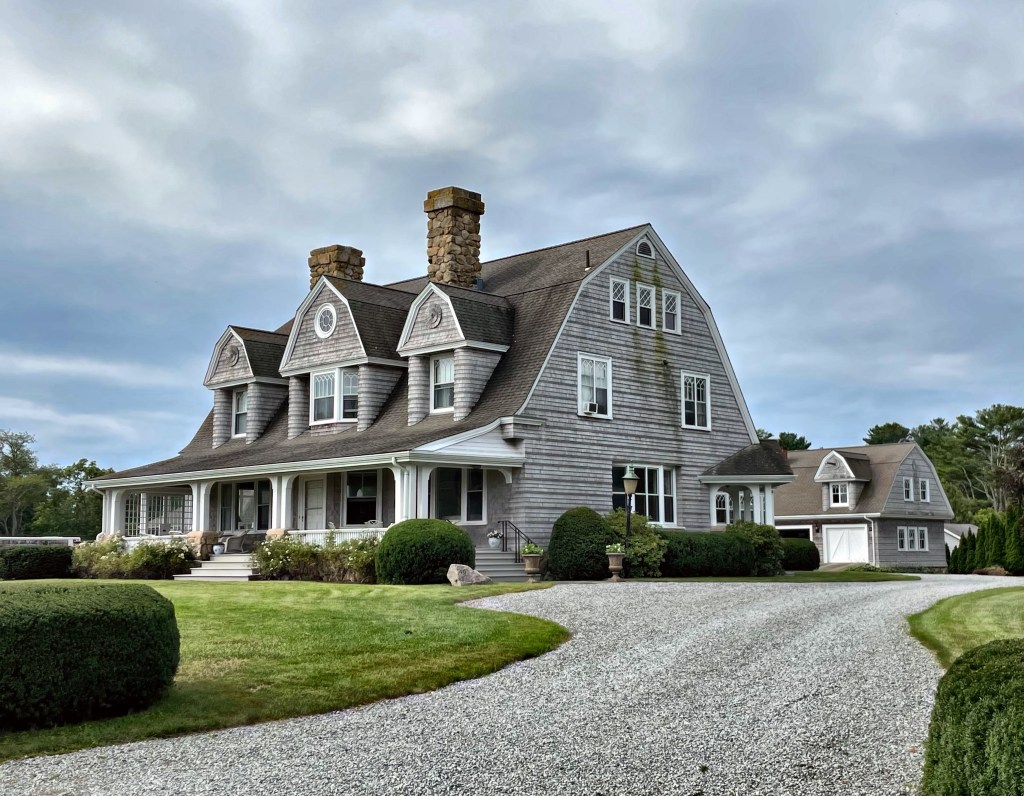
Augustus Nickerson, a Boston-based businessman and secretary of the League of American Wheelmen (bicycling group) built this home as a summertime retreat from the stresses of city living. Nickerson was associated with F. Nickerson ad Company, sailing and steamship owners and general merchants, and rose to become treasurer of the Boston and Savannah Steamship Company in the 1880s. He built a home in Dorchester, MA for his family, and just two years later, built this absolutely perfect Shingle-style home in Marion. The home exhibits strong horizontal massing and weathered wood shingle sheathing, characteristic of the Shingle Style.

Benjamin Waters Houses // c.1895

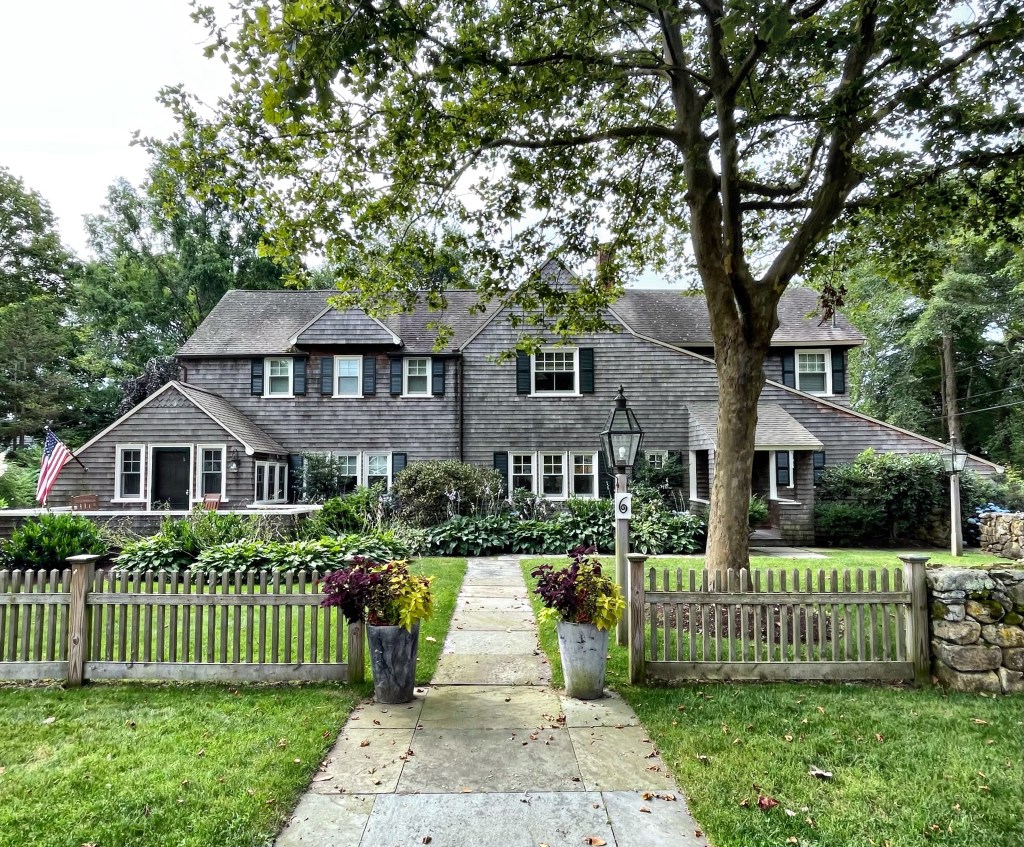
Benjamin E. Waters (1863-1962) was a local businessman and real estate developer in Marion by the end of the 19th century. He acquired a large property not far from the beach, in the middle of a high-class residential enclave and developed the property, running a small dirt path through the middle, known today as Pie Alley. He built three large Shingle style homes and appears to have rented them out to wealthy residents. The homes are all situated very well on their lots among large lawns framed by stone walls, just a short walk from the beach.

Austin Cottage and Moon Gate // 1885

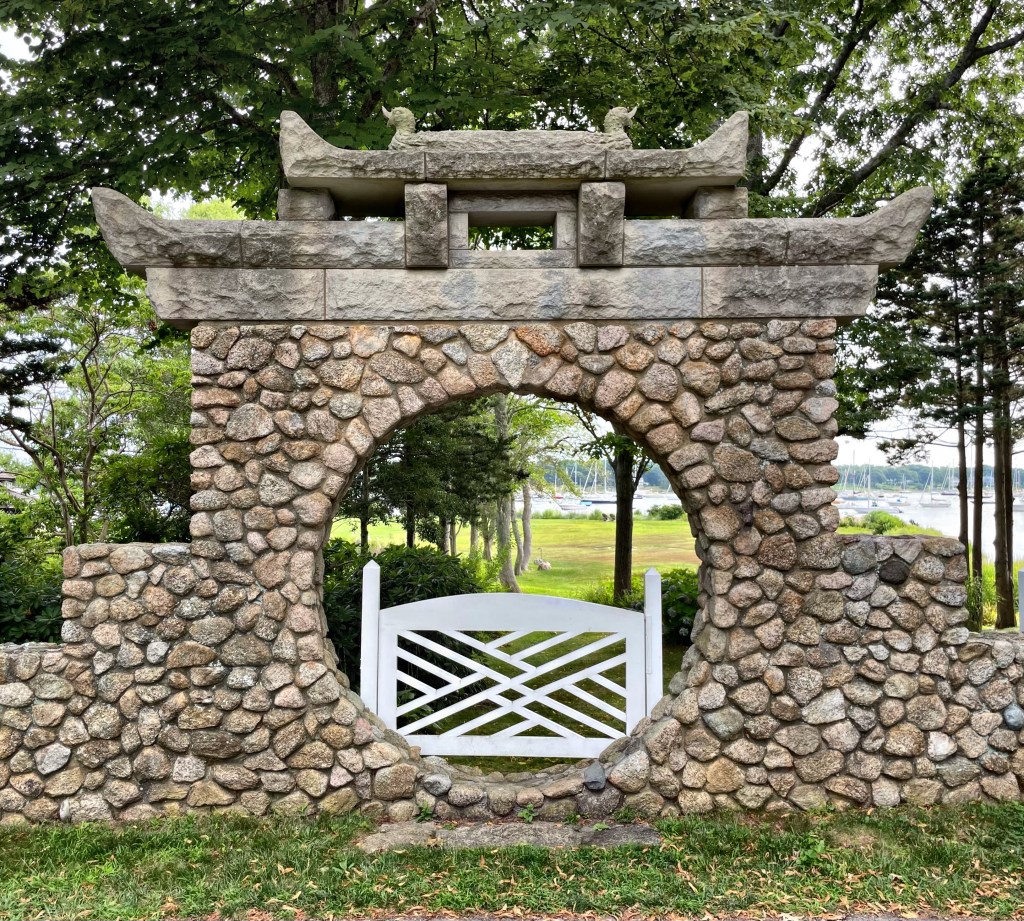
This “cottage” on Water Street in Marion, Massachusetts was designed by William Gibbons Preston and built for Judge James Austin in 1885. By 1919, the property had passed into the hands of Herbert Austin and his sister Miss Edith Austin, the latter, a benefactress of many local causes. In 1921, Edith Austin’s best friend June Butler married Parker Converse and honeymooned in China. Upon her return, June shared photographs of moon gates to her best friend Edith. Moon gates are circular opening in a garden wall that acts as a pedestrian passageway and is a traditional architectural element in Chinese gardens. Upon seeing these, Edith had one built as a formal entrance to her massive gardens. The stones were pulled from the grounds and shoreline, and the top piece was apparently purchased in China and shipped to Marion. The open cornice and ducks that adorn the top symbolize wealth and marital bliss. The infamous 1938 New England Hurricane heavily damaged the Austin cottage, but seemingly spared the moon gate. The property was later subdivided.

“Point Rock” Cottage // c.1890

“Point Rock” is one of the smaller summer cottages built during the end of the 19th century for wealthy city-dwellers to escape for summers from the stress and pollution of city life. This home was built around 1890 for David W. Lewis, a concrete and stone dealer in Boston. The home is sited in the middle of a waterfront lot, overlooking Sippican Harbor and Buzzards Bay. The house is a great example of the Shingle style, popular in the late 19th century, and features a strong horizontal emphasis and continuous shingles from the roof to the foundation. The chippendale porch balustrade is a great added touch.